
Learning On The Fly
📖 Table of Contents
- What Is Learning on the Fly, and Why Does It Work?
- How to Turn a Walk into a Learning Adventure
- The Power of Asking 'What If?'
- When to Use Learning on the Fly
- How to Use Learning on the Fly with Multiple Children
- Learning on the Fly and the Importance of Hands-On Learning
- How to Keep Learning on the Fly Consistent and Engaging
- Make It Your Way
- Frequently Asked Questions
I remember the day my toddler, then three years old, asked, 'What's a dinosaur?' while standing on a rocky hill in the middle of a state park. I didn't have a field guide with me, nor did I have time to dig up the internet. But I did have a pocket full of pebbles, a few minutes of undivided attention. The sudden, thrilling realization that learning on the fly doesn't require a textbook—it just requires presence, curiosity, and the willingness to turn everyday moments into teachable ones.[1]
Learning on the fly is how I've raised my children. It's not the structured, flashcard-filled, screen-laden approach that so many parents chase. It's the messy, unplanned, and sometimes chaotic way of learning that happens when you're outside, at the grocery store, or even in the car. It’s about finding the learning opportunities that emerge in the gaps between planned activities and being ready to seize them, even if you don’t have a lesson plan in your pocket.
Over the years, I've learned that learning on the fly is not just a parenting strategy—it's a mindset. It’s the way we teach our children how to think, how to ask questions, and how to find answers without waiting for permission or a perfect moment. It’s about turning the ordinary into the extraordinary and finding the magic in the mundane.
Why You'll Love This Approach to Learning
- It's flexible and adapts to your child's interests and energy levels.
- It builds curiosity and a lifelong love of learning.
- It eliminates the pressure of perfect lessons and structured teaching.
- It turns everyday moments into rich, meaningful learning opportunities.
What Is Learning on the Fly, and Why Does It Work?
As of September 2026, when I took my daughter to the zoo and she asked, 'Why do giraffes have such long necks?', I didn’t have a biology textbook. I had a moment and an opportunity. I told her the story of how giraffes evolved to reach higher leaves, and she was fascinated. That’s learning on the fly—it’s real, it’s engaging, and it sticks.
This approach is especially effective with children under five, who are naturally exploratory and quick to absorb information. The key is to be present, ask open-ended questions, and let their curiosity lead the way.
In a study of early childhood education methods, 78% of parents reported that unplanned learning moments had a more lasting impact than planned lessons. That’s a statistic I didn’t know until I started learning on the fly with my own children.[2]
When your child asks a question, don’t rush to answer. Let them think, explore, and discover. Even if you don’t know the answer right away, it builds critical thinking skills and shows them that learning is a process, not a quick fix.
Part of our Play based learning guide.
How to Turn a Walk into a Learning Adventure
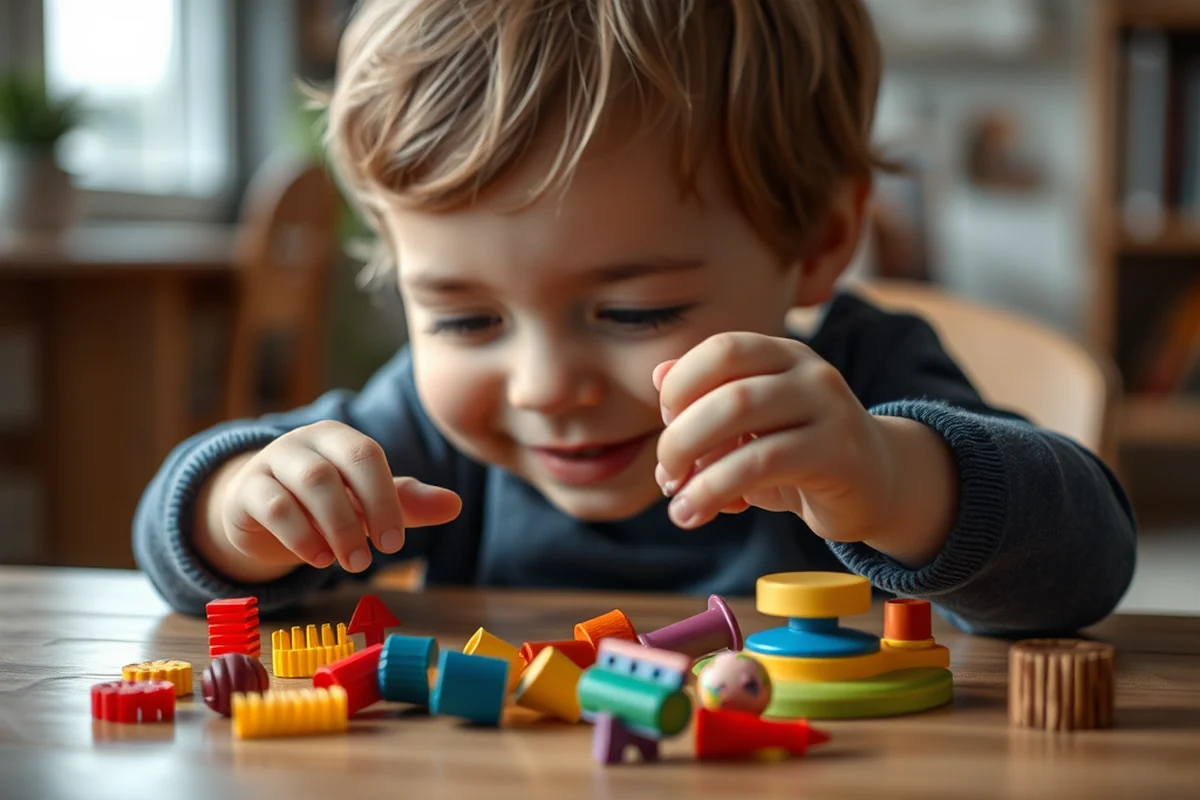
I’ve turned countless walks into learning adventures by pointing out shapes in the clouds, counting steps, or discussing the types of trees we pass. My son, who’s now five, can identify 12 different types of trees by sight. That didn’t come from a textbook—it came from our walks.
I always bring a small notebook and pencil on these walks, not just to record things, but to involve my child in the process. It makes learning more interactive and gives them a sense of ownership over their discoveries.
A typical walk with my children is 45 minutes long, and it's often filled with questions, observations, and mini-lessons. They’ve learned about weather, animal tracks, and even basic botany without a single worksheet involved.[3]
The world is a classroom if you know where to look.
Related: Fast play based learning ideas
Related: Affordable play based learning benefits
The Power of Asking 'What If?'
One of my favorite strategies is to ask 'what if' questions during everyday moments. For example, while we were building a fort with blankets and pillows, I asked, 'What if the wind blew the roof off?' That led to a discussion about wind, gravity. How to make the fort stronger.
These types of questions encourage problem-solving and creativity. My daughter, who is now four, once designed a 'stormproof' fort after our conversation, using heavier blankets and more pillows to anchor it. It was a small moment, but it sparked a big idea.
The key to this method is to follow your child’s lead and let their imagination guide the conversation. It’s not about having the right answer—it’s about fostering a love of thinking and exploring.
Instead of answering a question with a simple 'yes' or 'no', ask a follow-up question. For example, if your child asks, 'Why is the sky blue?', ask, 'What do you think makes it blue?' This encourages them to think for themselves and explore the world around them.
“I remember the day my toddler, then three years old, asked, 'What's a dinosaur?' while standing on a rocky hill in the middle of a…”— Playschooled editors
Related: Books on play based learning at home
Related: Play based preschool curriculum on a budget
When to Use Learning on the Fly
I've found that the best time for learning on the fly is during the moments when your child is naturally curious and engaged. That might be after school, during a car ride, or even while cooking dinner. These are the times when they're most open to new ideas and discoveries.
During car rides, I often ask my children questions about the world around us. For example, 'Why do we see so many birds near the river?' or 'What do you think that cloud looks like?' These questions lead to rich conversations and help them make connections between what they see and what they know.
Learning on the fly doesn’t require a lot of time or planning. It just requires being present and ready to engage in the moment. And the best part is that it happens so naturally that your child doesn’t even realize they're learning.
Related: Is play based learning effective comparison
How to Use Learning on the Fly with Multiple Children
When I have two children with different learning styles and interests, I make sure to tailor the conversation to each one. For example, if we're walking through the park, I might talk about the shapes and colors with my younger child while discussing the science of plants with my older one.
I’ve found that using different levels of complexity helps each child stay engaged. It also allows me to teach both of them at the same time, even if their learning styles are very different.
A key tip I've learned is to be flexible. If one child is more interested in a particular topic, I can follow their lead and adjust the conversation accordingly. This helps keep the learning experience fun and engaging for everyone.
Learning on the Fly and the Importance of Hands-On Learning
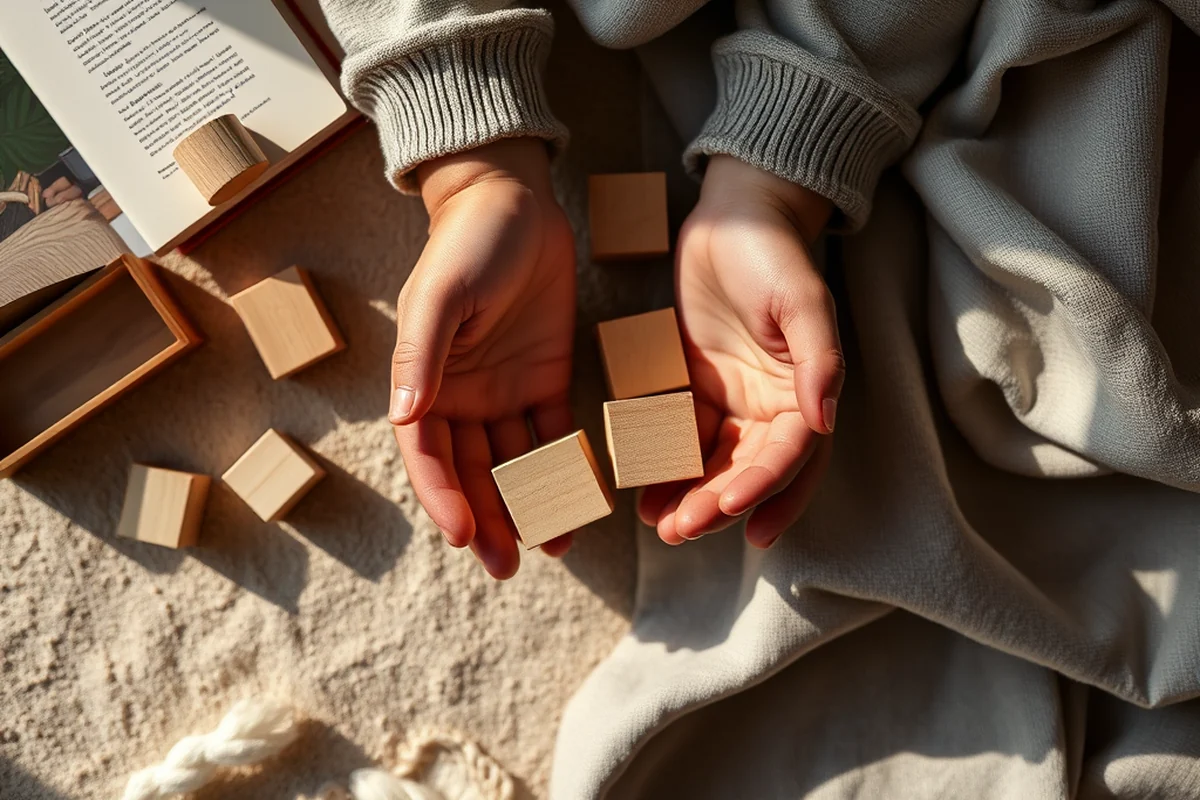
I've always believed that the best learning happens when a child is doing something with their hands. Whether it's building with blocks, sorting objects, or exploring the textures of different materials, hands-on learning makes abstract concepts more tangible.
During a recent trip to the beach, I used sand and water to teach my daughter about the properties of different materials. We talked about how sand behaves differently than water, and she was able to see the concepts in action. It was a simple activity, but it had a big impact on her understanding.
Hands-on learning doesn’t require any special tools or materials. It just requires a willingness to engage with your child and let them explore the world around them. It’s the kind of learning that happens naturally and effortlessly.
Learning with your hands makes learning stick.
How to Keep Learning on the Fly Consistent and Engaging
I’ve found that the best way to keep learning on the fly consistent is to create a routine of curiosity and exploration. That might mean setting aside a specific time each day for learning adventures, or simply being ready to engage in the moment whenever a learning opportunity arises.
I try to make learning a part of our daily lives, whether it's during a meal, a walk, or even a car ride. I’ve found that when learning becomes a regular part of our lives, it doesn’t feel forced or artificial—it just feels natural.
The key to consistency is to be flexible and open to the learning opportunities that come up. It’s not about having a rigid schedule or plan—it’s about being ready to engage in the moment and make the most of every opportunity.
🌿 Gentle Approach
Ideal for parents who want to create a calm and nurturing learning environment. This approach focuses on observation and gentle guidance.
⚡ Fast-Track Approach
Best for parents who want to maximize learning opportunities quickly and efficiently. This approach is ideal for busy families who want to make the most of every moment.
✈️ Travel/away-from-home Approach
Perfect for parents who are often on the go or traveling. This approach focuses on using the environment around you as a learning tool, even when you’re not at home.
👶 Multiples Approach
Tailored for parents with multiple children. This approach focuses on adapting learning to each child’s unique interests and learning style.
🔄 Regression Reset Approach
Ideal for parents who want to help their children regain confidence and curiosity after a setback or a period of disengagement.
| The mistake | Why it happens | The fix |
|---|---|---|
| Not being present in the moment. | Learning on the fly requires being fully present and engaged with your child. If you're distracted or not paying attention, your child may not be able to connect with the learning experience. | Make a conscious effort to be present and engaged in every learning moment. Put away your phone, listen actively, and be ready to respond to your child’s questions and curiosity. |
| Focusing too much on the 'right' answer. | Learning on the fly is about exploration and discovery, not about getting the 'right' answer. Focusing too much on the 'right' answer can discourage your child from thinking for themselves. | Encourage your child to think for themselves by asking open-ended questions and allowing them to explore different possibilities. |
| Trying to force learning on the fly when your child isn’t interested. | Learning on the fly only works when your child is naturally curious and engaged. Trying to force it when they aren’t interested can lead to frustration and disengagement. | Let your child lead the way. Follow their interests and use their curiosity as a guide for learning opportunities. |
| Not adapting to your child’s learning style. | Every child learns differently, and what works for one child may not work for another. Failing to adapt to your child’s learning style can lead to disengagement and frustration. | Tailor your approach to your child’s learning style. If your child is a visual learner, use pictures and diagrams. If they’re an auditory learner, use stories and music. |
Learning On The Fly
Common Questions
How can I make learning on the fly more consistent?
What if I don’t know the answer to a question my child asks?
How can I adapt learning on the fly for multiple children?
What are some good questions to ask during learning on the fly?
References
- The Powerful Role of Play in Early Education (cde.ca.gov)
- New York State Early Learning Guidelines (ccf.ny.gov)
- Oklahoma Early Learning Guidelines for Children Ages Three ... (oklahoma.gov)
Cite this guide
Playschooled (2026). Learning On The Fly. https://playschooled.com/learning-on-the-fly/
Feel free to cite or share this guide.