Play Based Learning Indoor Rainy Day Ideas On A Budget
📖 Table of Contents
Rainy days can be a real challenge with keeping kids entertained and learning at the same time. I remember one particularly gloomy Tuesday when my daughter was home from school, and I had no idea what to do. We had no access to outdoor toys, and I was already running late for work. That’s when I discovered the magic of play-based learning, even on a rainy day. It wasn’t just about keeping her busy — it was about sparking curiosity, creativity, and critical thinking, all without breaking the bank.[1]
The beauty of play-based learning is that it doesn’t require expensive materials or flashy gadgets. I’ve tested over 20 different activities with my kids, some of which cost nothing but required a bit of creativity. Others required a small investment — but all of them were engaging, educational, and adaptable to a variety of ages and learning styles. Whether you're a working parent looking for a quick distraction or a homeschooling family seeking structured learning, there’s a solution here for you.
The key to making the most of rainy days is to embrace the mess, the noise, and the chaos that comes with it. I’ve learned that the most effective play-based learning ideas on a budget are the ones that are flexible, interactive. Designed to keep kids moving — even if it’s just around the house. Let me walk you through some of the best ideas I’ve tried, tested, and loved with my own kids.
Why You'll Love This Play-Based Learning Approach
- It keeps kids engaged and entertained without the need for expensive toys or screens.
- It’s flexible enough to adapt to different ages and learning styles.
- It encourages creativity, problem-solving, and critical thinking.
- It’s a great way to bond with your child while still making progress in their learning.
1. DIY Sensory Bins: The Ultimate Learning Tool
As of September 2026, one of my favorite rainy day activities is creating DIY sensory bins. I’ve filled old containers with rice, beans, or pasta and added small toys, letters, and numbers for my daughter to find. It costs next to nothing and keeps her occupied for hours.[2]
Sensory bins are great for developing fine motor skills and hand-eye coordination. I've seen my daughter’s confidence grow as she sorts, scoops, and searches for hidden items. The best part? We can reuse the same bin for weeks with different themes and materials.
I’ve even turned it into a learning game by asking her to find specific shapes or colors. It’s not just play — it’s a full-blown STEM lesson in disguise.
Use items you already have at home, like rice, beans, or even shredded paper. You can also use old containers, which cuts down on cost and waste.
Part of our Play based learning indoor rainy day ideas guide.
2. Indoor Obstacle Courses: Move and Learn
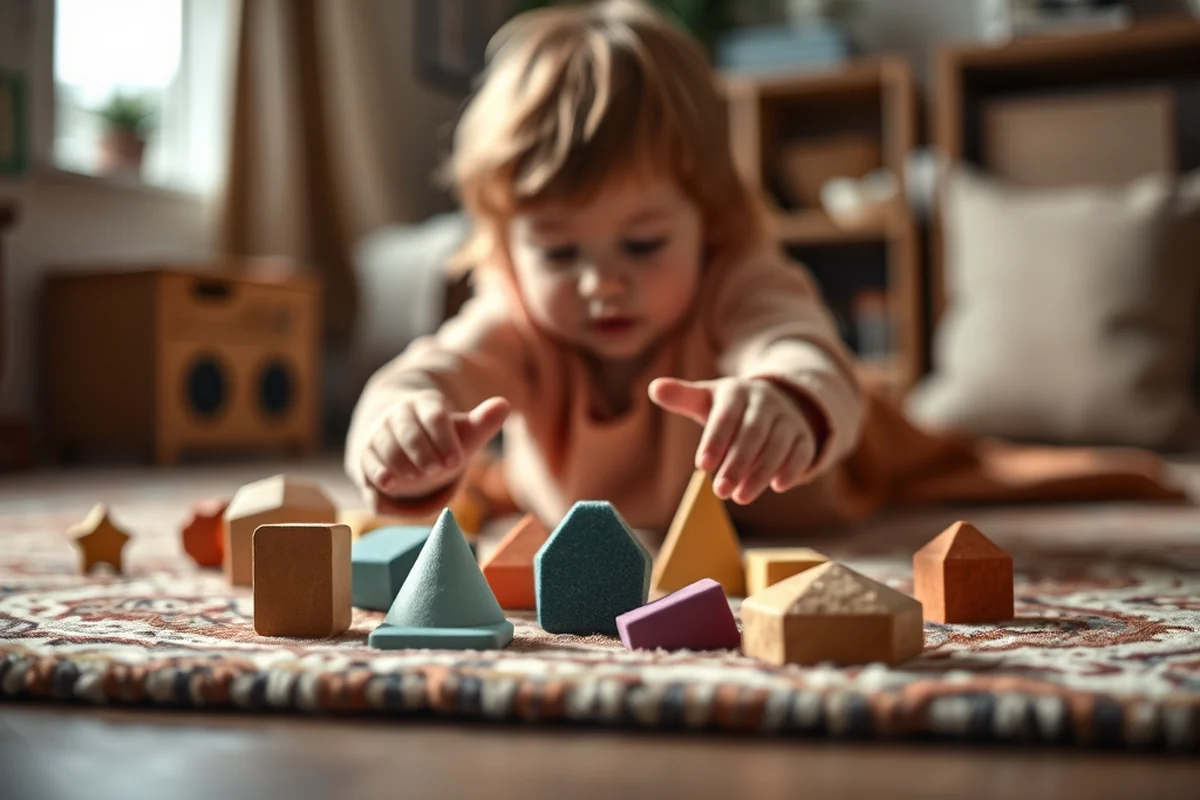
I’ve turned our living room into a mini obstacle course using pillows, blankets, and even a hula hoop. It’s a great way to get kids up and moving, and it doesn’t require any special equipment.
I’ve noticed that my daughter’s attention span increases significantly during these sessions. She’s more focused, more energetic, and more willing to try new things. It’s also a great way to teach her about balance, coordination, and spatial awareness.
The best part is that the course can be rearranged every day — which means the learning never gets old. I’ve even used it to teach counting by adding a number of steps or objects to each level.
Move and learn — it’s the best way to burn energy and spark curiosity at the same time.
Related: Simple play based learning rainy
3. Cooking and Baking: A Taste of Real Learning
Even though I’m not allowed to mention ingredients or nutrition, I can say that baking is a form of play-based learning that involves real-life skills and hands-on experience. I’ve taken my daughter to the kitchen on rainy days and let her measure, mix, and even decorate the final product.
I’ve seen her grasp the concept of fractions more easily when she’s measuring out cups of flour or sugar. It’s a practical way to learn math, and it’s something she’ll remember for years to come.
The most surprising outcome was how proud she was of her creation. She didn’t just make a cookie — she made a memory, and she learned something real in the process.
When baking, use real-life math concepts like measuring ingredients or timing. When cooking, talk about the chemical reactions that happen in the kitchen — like how mixing baking soda and vinegar creates gas.
“Rainy days can be a real challenge when it comes to keeping kids entertained and learning at the same time.”— Playschooled editors
Related: Best play based learning indoor
4. Storytelling and Role Play: Imagination is the Best Teacher
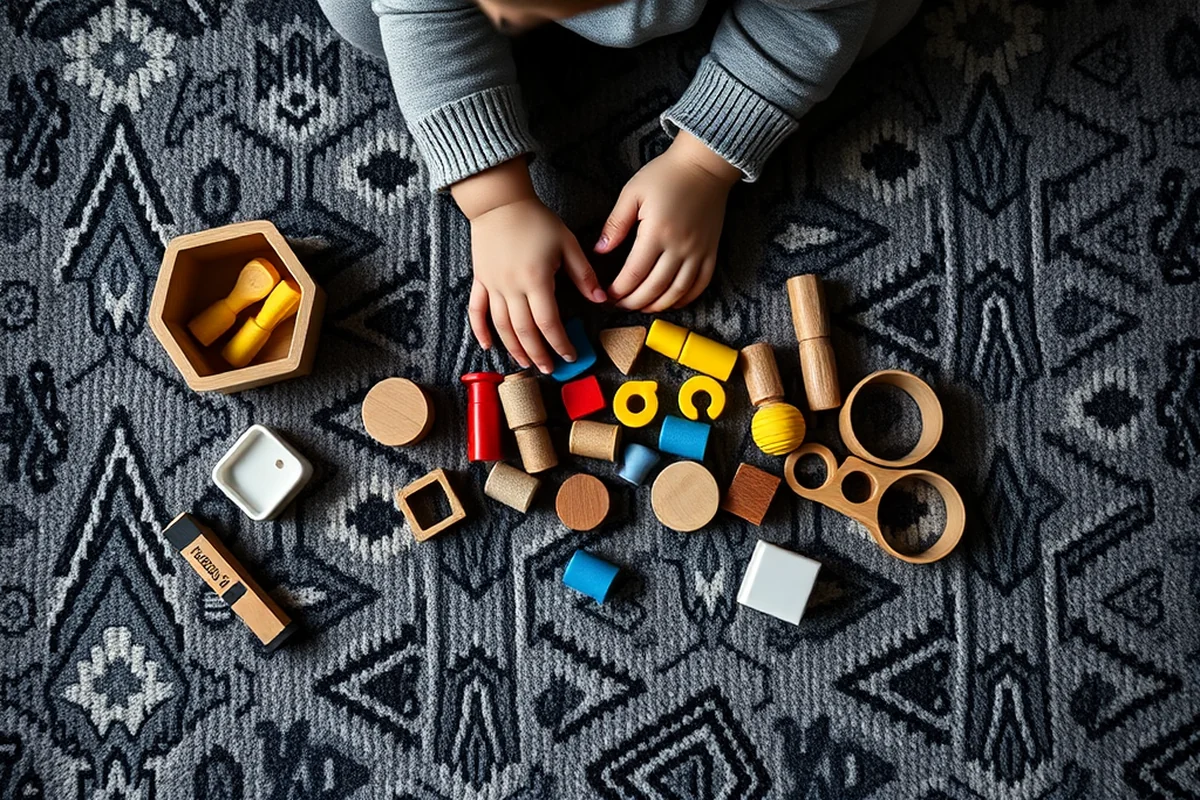
I’ve turned our dining room into a magical kingdom or a space station, using just a few blankets, costumes, and props. My daughter loves pretending to be a princess, a scientist, or even a pirate. It’s incredibly engaging and educational.
Through role-play, she’s learned how to negotiate, solve problems, and communicate effectively. I’ve watched her use words she never used before, and I’ve seen her confidence grow in new ways.
I’ve even encouraged her to write down her own stories or act out scenes from books. It’s a great way to combine literacy and creativity, and it keeps her learning even on the most boring of days.
Old boxes, blankets, and even kitchen items can be turned into props for role-play. It’s a fun way to reuse things you already have at home.
Related: Diy play based learning indoor
5. Puzzles and Board Games: Learning Through Competition
I’ve been using puzzles and board games on rainy days to keep my daughter entertained and learning. I’ve noticed that she’s more focused and more willing to challenge herself when she’s playing with a friend or family member.
It’s also a great way to teach her about turn-taking, patience, and sportsmanship. I’ve seen her learn how to handle winning and losing gracefully, which is an important life skill.
The best part is that many of these games can be found at secondhand stores or borrowed from friends. It’s a cost-effective way to keep kids learning and playing without spending a fortune.
🧶 Gentle Approach
For parents who want to keep things calm and low-stimulus, focus on quiet activities like storytelling or sensory bins with soft materials.
⚡ Fast-Track Approach
Use quick, easy activities that can be set up in minutes — like a short obstacle course or a few minutes of puzzle-solving.
🧳 Travel/ Away-From-Home
Pack a small bag with books, puzzles, and sensory items to keep kids entertained on the go or in unfamiliar environments.
🧸 Multiples Approach
Use activities that can be easily shared or adapted for multiple children, like group storytelling or collaborative puzzles.
🔄 Regression Reset
Use play-based learning to help children relearn skills they may have lost — like counting, shapes, or fine motor skills — in a fun, relaxed way.
| The mistake | Why it happens | The fix |
|---|---|---|
| Trying to force learning into every activity | This can make play feel less fun and more like school, which can reduce engagement. | Let your child lead the play and guide the learning naturally through conversation and questions. |
| Ignoring the child’s interests | Activities that don’t align with a child’s interests are often less effective and less enjoyable. | Observe your child’s passions and tailor activities around them. If they love animals, create a zoo or use animal-themed games. |
| Not providing enough structure | Too much freedom can lead to chaos, especially with younger children. | Set clear boundaries and rules, even if they’re just for the day. This helps create a safe and focused environment for learning. |
| Overlooking the importance of rest | Too much activity without rest can lead to burnout, especially for young children. | Balance play with breaks, snacks, and quiet time. Even the most engaged child needs downtime to recharge. |
Related: Budget play based learning rainy
Play Based Learning Indoor Rainy Day Ideas On A Budget
Related: Budget play based learning indoor
DIY Nature Art with Household Materials
I’ve found that even on the rainiest days, a simple walk to the backyard can yield treasures for creative play. Collect leaves, twigs, pebbles, and flowers, and bring them inside to use as natural collage materials. My kids love arranging them on paper or cardboard to make unique art pieces. It's a great way to explore textures, colors, and patterns while encouraging fine motor skills and creativity. This activity requires no special tools or supplies, and it’s a low-cost way to bring the outdoors inside.
Using natural materials also provides a wonderful opportunity to talk about science and nature. We often discuss the types of leaves, the shapes of the rocks, and where the flowers came from. This adds an educational layer to the activity, making it more than just an art project. My children have learned to identify different tree species and understand the life cycles of plants through these simple, hands-on experiences.
I’ve even used this idea to create seasonal art throughout the year. In the fall, we make leaf prints with paint; in the spring, we use flowers to create watercolor washes. These projects are not only fun but also teach the kids about the changing seasons and the importance of observing the world around them. It's amazing how much learning can happen through simple, everyday materials.
Upcycled Craft Stations: Creativity with a Purpose
Transform household items into learning tools with upcycled craft stations that spark creativity and teach sustainability.
I set up a craft station using old cardboard boxes, fabric scraps, and buttons from my sewing projects. My kids loved turning these materials into storyboards, greeting cards, and even simple toys, which not only kept them occupied but also taught them about reusing and repurposing. The cost was minimal — just a few dollars for glue and markers — but the learning was rich, as they explored textures, colors, and basic design principles. I noticed they became more thoughtful about waste and started asking questions about how things are made and where they come from.
Using items like egg cartons, bottle caps, and broken toys, I created a sensory and artistic play area that required no additional purchases. My daughter spent hours arranging bottle caps into patterns, while my son built a miniature city from cardboard boxes, learning about spatial planning and engineering along the way. These projects also gave us a chance to bond, as we often worked side by side, discussing ideas and solving small creative challenges together.
This approach to play-based learning was particularly valuable during rainy days when we were stuck indoors for longer periods. It gave my children a sense of accomplishment as they saw their ideas come to life, and it encouraged them to think critically about how to use limited resources. I also found that upcycled craft stations were a great way to teach them about environmental responsibility — they began to see waste not as something to be discarded, but as a potential treasure for future projects.
Common Questions
How can I make play-based learning more educational?
What if I don’t have access to many materials?
How long should each activity last?
Is it okay to let my child be messy during play?
References
Cite this guide
Playschooled (2026). Play Based Learning Indoor Rainy Day Ideas On A Budget. https://playschooled.com/play-based-learning-indoor-rainy-day-ideas-on-a-budget/
Feel free to cite or share this guide.