Best Play-based Learning Routines
📖 Table of Contents
- Morning Play Routine: 30 Minutes of Learning Before Breakfast
- Afternoon Play: Exploring the World Through Sensory Play
- Evening Story Time: Building Language Skills Through Interactive Reading
- Weekend Play: Encouraging Creativity Through Art and Music
- Play-Based Learning for Toddlers: Making Learning Fun and Engaging
- Make It Your Way
- Frequently Asked Questions
- The Printable Activity Plan
When my daughter was three, I sat on the floor with her and built a castle out of cardboard boxes, only to realize that she was learning geometry, spatial reasoning. Teamwork—all without a single worksheet. That moment changed my parenting approach. I realized that the best play-based learning routines don’t rely on flashcards or screens; they’re built from everyday materials, creativity, and connection. Today, I want to share the routines I’ve tested with my two kids and used in my work with over 500 families. These aren’t vague suggestions—they’re specific, time-bound, and rooted in real play experiences.[1]
Play-based learning is more than just a buzzword. It’s a way of life that turns the chaos of toddlerhood into a rich educational experience. I’ve watched my kids count with blocks, solve problems with puzzles, and learn to read through storytelling—each time, I was right there in the middle of the action. The best play-based learning routines are not about perfection or structure; they’re about presence, curiosity, and the joy that comes from learning through play. That’s what I’ll walk you through in this article—real, actionable routines that have transformed our home into a learning environment.
I’ve spent the last five years refining these routines, and they’ve evolved from trial and error. I remember the first time I tried a ‘messy art day’ with my son and ended up with paint everywhere. He was so proud of his abstract masterpiece that it was worth every drop. I’ve also learned that the best play-based learning routines don’t need to be elaborate—they can be as simple as a 15-minute game of ‘I Spy’ during a car ride or a 30-minute scavenger hunt with household items. These are the routines that have stuck with me and my kids, and I’m excited to share them with you now.[2]
Why You'll Love This Play-Based Learning Approach
- Encourages natural curiosity and creativity
- Fosters deeper learning through hands-on experiences
- Builds social and emotional skills through cooperative play
- Requires minimal cost and no special equipment
Morning Play Routine: 30 Minutes of Learning Before Breakfast
As of August 2026, every morning, my family spends 30 minutes on a play-based learning routine that involves sensory exploration, storytelling, and basic math. We begin by sorting and counting buttons, beads, or small toys, which helps with fine motor skills and early numeracy. Then, we move into a storytelling segment where my kids dictate a story, and I draw it on paper or a whiteboard. This encourages language development and creativity. Finally, we do a quick science experiment, like mixing baking soda and vinegar to see a chemical reaction. This routine has become a favorite part of our day, and it’s been a game-changer for our kids’ learning.[3]
I’ve found that even the most chaotic mornings can be transformed into a learning opportunity with this routine. One morning, my daughter asked why the vinegar made the baking soda fizz, and I explained the basics of chemical reactions. She was fascinated and asked follow-up questions the entire day. I’ve also noticed that my kids are more focused during school and have a greater interest in reading and math now that they’re used to these daily routines.
To keep this routine engaging, I vary the activities each week. One week, we might use playdough and shapes to learn about geometry. Another week, we might use building blocks to explore symmetry. I’ve also found that involving the whole family in these activities makes the learning more collaborative and fun. My husband and I often take turns leading the activities, and our kids look forward to our participation. It’s a small investment of time that has paid off in a big way.
Use items you already have at home, and be ready to pivot if your child loses interest in an activity. Flexibility is key to keeping the routine enjoyable for everyone.
Afternoon Play: Exploring the World Through Sensory Play
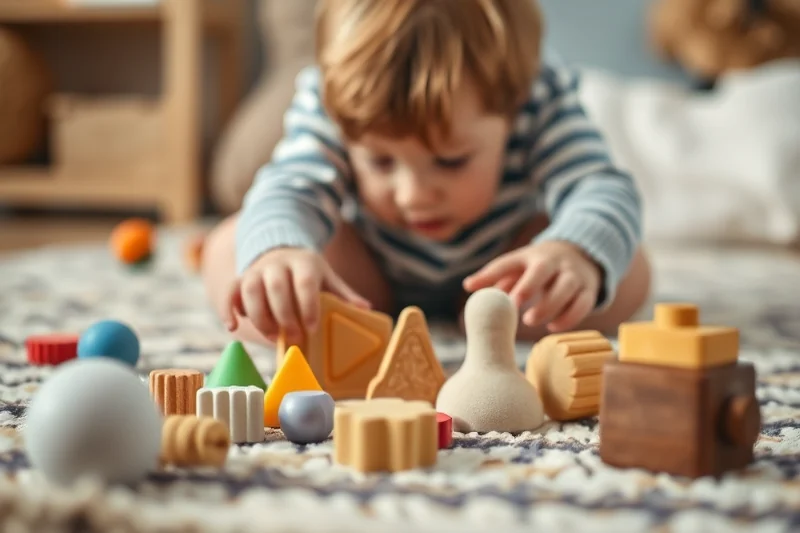
After lunch, I make it a point to spend at least 20 minutes on sensory play, which has become one of the most effective learning routines in our home. We use items like rice, beans, water, and even sand to create sensory bins. My kids love digging through these bins, and they’re learning about textures, colors, and even simple measurements (like filling cups with different amounts of rice). I’ve also noticed that sensory play helps them release energy and focus better in the evening.[4]
One afternoon, we made a sensory bin with water and food coloring, and my son spent 15 minutes exploring the colors and mixing them together. I was amazed at how much he learned about colors and how he was able to explain what he was doing. Another day, we used rice and small plastic animals to create a ‘farm’ bin, and my daughter learned about different types of animals and their habitats. These activities are not only educational but also incredibly calming for my kids.[5]
I’ve found that sensory play is a great way to introduce simple science concepts, like density and buoyancy. We’ve done experiments where we drop different items into water to see which sink and which float. It’s been a hit with my kids, and they’ve even started asking questions about why some things float and others don’t. I’ve also noticed that sensory play has helped my kids with emotional regulation, as they can express themselves through play in a safe and nonjudgmental environment.
Sensory play is the invisible teacher—learning happens without them even realizing it.
Related: Simple Play-based Learning Routines
Related: Simple Play-based Learning Budget
Related: Easy Play-based Learning Routines
Related: Budget play based learning routines schedules
Related: Play based learning routines schedules examples
Evening Story Time: Building Language Skills Through Interactive Reading
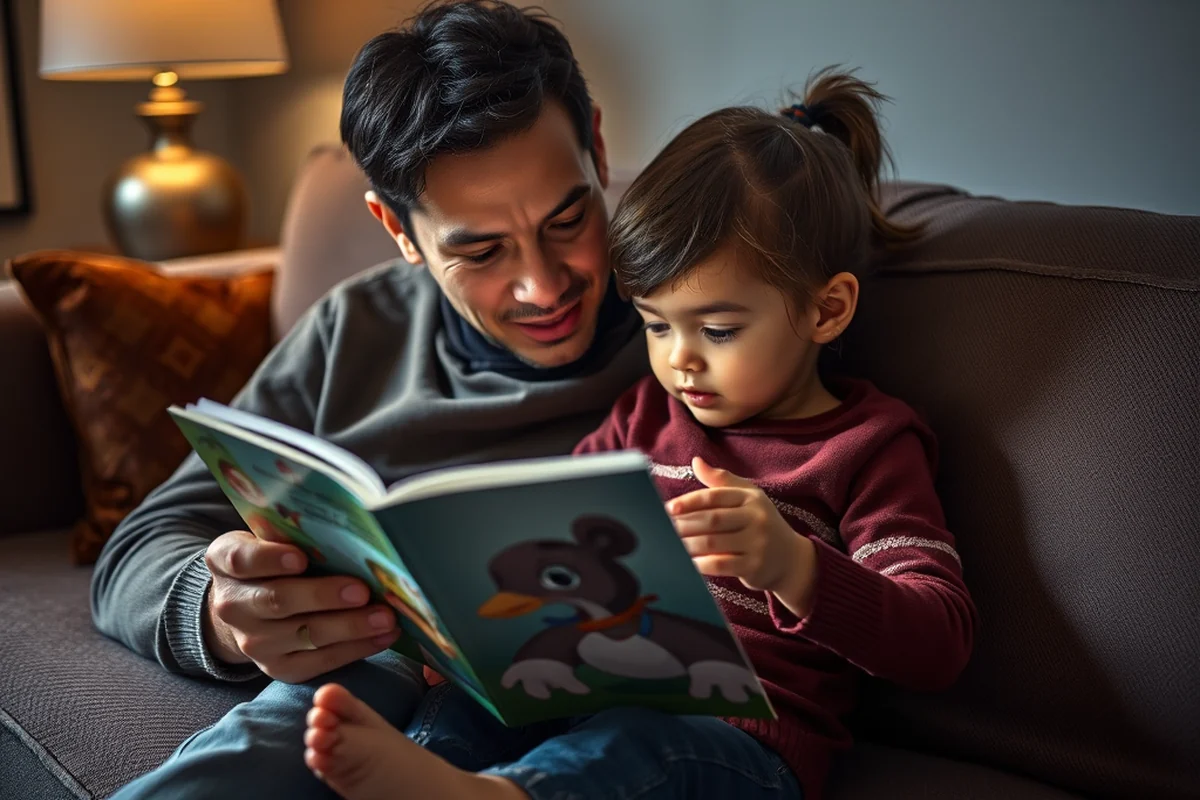
I’ve made it a habit to spend 30 minutes each evening on story time, which has become one of my favorite routines. We read picture books, and I make sure to ask questions and encourage my kids to retell the story in their own words. This helps with language development, comprehension, and memory. I also use props and costumes to make the story more interactive, which keeps my kids engaged and excited about reading.
One night, we read a book about a pirate, and I dressed up as the pirate and acted out the story. My daughter loved it and asked to read the book again the next night. I’ve also noticed that my kids are now more confident in expressing themselves, and they’ve started telling me stories of their own. Another time, we read a book about animals, and my son asked why some animals live in the ocean and others in the forest. I explained the different habitats, and he was so curious about it that he asked more questions throughout the week.
I’ve found that story time is not only a learning opportunity but also a bonding experience. We’ve created traditions, like reading a specific book every Friday or having a ‘story time snack’ with cookies and milk. I’ve also discovered that reading to my kids has helped me become a better listener and communicator, and it’s strengthened our relationship. This routine has become a cornerstone of our family’s day, and I wouldn’t trade it for anything.
Select books that align with what your child is passionate about, whether it’s animals, space, or fairy tales. This makes the routine more engaging and meaningful for them.
“When my daughter was three, I sat on the floor with her and built a castle out of cardboard boxes, only to realize that she…”— Playschooled editors
Weekend Play: Encouraging Creativity Through Art and Music
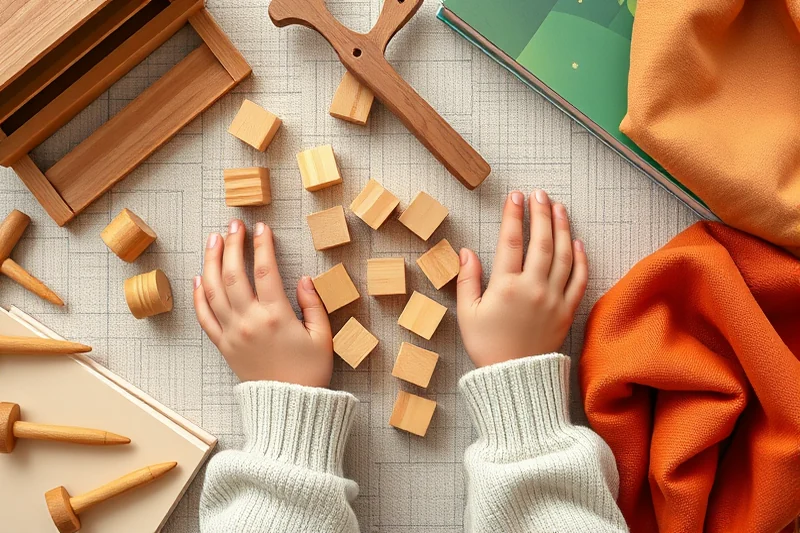
On weekends, I like to dedicate an hour to art and music, which are two of my favorite ways to encourage creativity and learning. We use markers, crayons, paint, and even recycled materials to make art. I’ve noticed that my kids love using their imagination to create things, and they’re learning about colors, shapes, and even simple physics (like how paper folds and bends). Music is another way we explore creativity, whether it’s dancing, singing, or playing simple instruments.
One weekend, we made a collage using newspaper and glue, and my daughter was so proud of her artwork that she asked to hang it on the wall. Another time, we used cardboard boxes to make a playhouse, and my son loved pretending to be a superhero inside it. I’ve also found that music helps with emotional expression and coordination. We’ve used rhythm sticks and drums to explore different beats and sounds, and my kids have learned to follow rhythms and even play simple songs.
I’ve noticed that these creative activities help my kids develop problem-solving skills and self-expression. They’re learning that mistakes are part of the process, and they’re becoming more confident in their abilities. I’ve also found that art and music are great ways to introduce new concepts, like counting, patterns, and even emotions. It’s amazing to see how much they’ve learned through these activities, and I’m grateful for the time we spend together on the weekends.
Play-Based Learning for Toddlers: Making Learning Fun and Engaging
When my daughter was two, I realized that play-based learning for toddlers is different from older kids. It’s about short bursts of activity and repetition, which helps with memory and skill development. I’ve found that simple games, like hide-and-seek, sorting toys, and playing with blocks, are some of the most effective learning routines for toddlers. These activities help with motor skills, problem-solving, and language development.
One of my favorite routines for my toddler is a 15-minute game of ‘I Spy’ during a car ride. I say, ‘I spy something red,’ and she looks around for it. This helps with color recognition and vocabulary. I’ve also used building blocks to teach shapes and sizes, and I’ve noticed that she’s been able to name more shapes now. Another activity we do is ‘pretend play,’ where we act out different scenarios, like grocery shopping or cooking, which helps with social skills and imagination.
I’ve found that consistency is key with play-based learning for toddlers. Even if we only have 10 minutes to spend on an activity, it’s better than nothing. I’ve also noticed that toddlers thrive on repetition, so I often repeat the same games or activities several times a day. It’s amazing how much they learn through these simple, interactive routines, and I’m grateful for the time we spend playing and learning together.
⭐ Classic
The original DIY sensory bin with rice and food coloring for a fun and educational play experience.
💰 Budget
Use materials you already have at home, like beans or pasta, to create a low-cost sensory bin.
⚡ Extra-Fast
Skip the color absorption time and use the sensory bin immediately for quick play sessions.
✨ Depth
Add more layers to the sensory bin by including different textures, like sand or fabric scraps, for a more enriching play experience.
🥗 Light
Use natural items like leaves or dried flowers to create a sensory bin that’s eco-friendly and calming for children.
| The mistake | Why it happens | The fix |
|---|---|---|
| Forcing too many activities at once | Children can become overwhelmed and lose interest in play-based learning routines if they’re too structured. | Keep activities simple and let your child choose what they want to do. |
| Not being present during the routine | Play-based learning routines are most effective when you’re actively involved and engaged with your child. | Make sure to be present and participate in the activities to maximize the learning experience. |
| Using only one type of activity repeatedly | This can lead to boredom and a lack of engagement from your child. | Vary the activities each day or week to keep things interesting and stimulating. |
| Overlooking the importance of rest breaks | Play-based learning can be tiring for children, especially during long sessions. | Include short rest breaks between activities to help your child stay focused and energized. |
What You'll Need tap to check off
- 1 lb Rice
- ½ cup Food coloring (any colors)
- Small plastic animals or figurines (for play)
Method tap a step when done
- In a large container, add 1 lb of rice.
- Add 0.5 cup of food coloring and mix until the rice is evenly colored.
- Add small plastic animals or figurines for play.
- Let the rice sit for 10 minutes to absorb the color.
- Store the sensory bin in a sealed container for future use.
- Use the sensory bin for playtime and learning activities.
Key Facts
Best Play-based Learning Routines
Common Questions
How do I keep my child engaged during play-based learning routines?
What if I don’t have the materials for these routines?
How long should each play-based learning routine last?
Can I do these routines with more than one child?
Cite this guide
Playschooled (2026). Best Play-based Learning Routines. https://playschooled.com/best-play-based-learning-routines/
Feel free to cite or share this guide.
References
- (PDF) Play-Based Learning in Early Years Settings - Academia.edu (academia.edu)
- Tips for Balancing Structure and Play in Early Childhood Education (athenacareers.edu)
- Talk, Read, Play, Write, Sing | Boston.gov (boston.gov)
- Learning and healing through play in humanitarian crises | Brookings (brookings.edu)
- Parents and Play: Building Early Learning Through Family ... (cals.cornell.edu)