What Is A Play Shop
📖 Table of Contents
The first time I set up a play shop in my living room, I was overwhelmed by the chaos of mismatched toys and the sudden noise of my toddler digging through a cardboard box. It wasn’t until I organized a small corner with just a few items that I realized the magic wasn’t in the number of toys but in the way they were presented. That moment, when my daughter paused, looked at the space with curiosity, and picked up a wooden block, was the beginning of what I now call a play shop.[1]
A play shop is not just a collection of toys; it’s a carefully curated space designed for exploration, creativity, and learning. I learned this the hard way when I filled an entire room with everything from puzzles to playdough, only to watch my child become overwhelmed and disinterested. It took weeks of trial and error, and a few failed attempts, to realize that less is more — and that the right setup can transform the way children engage with their environment.[2]
What is a play shop, then, if not a space that invites curiosity and fosters independence? It’s a place where kids can choose what they want to play with, when they want to play with it, and how they want to interact with it. It’s not about filling every minute with structured activities, but about creating a space that feels safe, open, and full of possibilities. That’s what made my play shop finally work — and it’s why I’m writing this article to share the journey with you.[3]
Why You'll Love This Play Shop Concept
- Encourages independent play and decision-making
- Reduces screen time by offering engaging, hands-on alternatives
- Fosters creativity and problem-solving skills
- Creates a calm, focused environment for learning
What is a Play Shop and Why It Works
As of September 2026, after filling my home with too many toys, I realized that the key to effective play is not quantity but quality. A play shop is a curated collection of items that are easy to access and use, arranged in a way that encourages interaction. I filled a small shelf with blocks, a basket with art supplies, and a bin with loose parts — and watched my child spend hours exploring without needing constant supervision.
The idea is to create a space that feels like a little store, where children can choose what they want to play with, just like a real shop. The name 'play shop' came from the way my daughter would walk over to the space like it was a store she had visited before. The simplicity of the setup made it easier for her to focus and engage with the materials.
What surprised me was how quickly she began to take ownership of the play shop. She would rearrange the items, move things around, and even start labeling the bins with her own drawings. It was empowering to see her taking initiative and making the space her own, which is exactly what a play shop is meant to do.
Look for a quiet, low-traffic corner of your home with natural light. Avoid rooms that are too busy or have a lot of distractions, as that can pull your child’s attention away from the play shop.
Part of our Play based learning guide.
How to Set Up a Play Shop
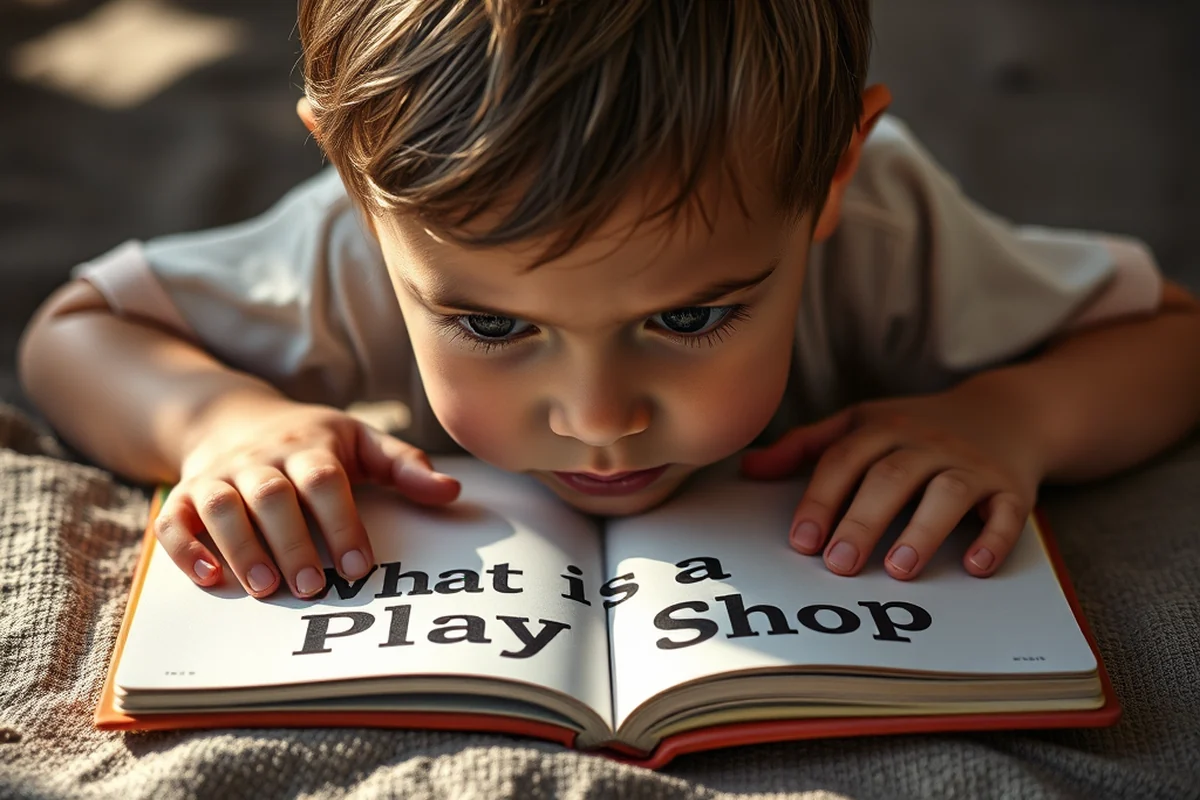
I started by picking a small corner of my living room and clearing the space. I wanted the play shop to be visible but not in the middle of the action. I added a low shelf and a few baskets, and then began selecting toys that had open-ended potential. Blocks, art supplies, and loose parts like buttons and beads were my first choices.
I made sure to keep the setup simple and uncluttered. Only a few items were on display at a time, and the rest were stored in clearly labeled bins. This helped my child know where to find things and made the space feel organized and welcoming. I also made sure everything was within her reach — no climbing or stretching required.
The most important part of setting up a play shop is letting your child participate in the process. I involved my daughter in choosing the items and arranging them, which gave her a sense of ownership. It didn’t take long for her to start playing independently, and I was amazed at how much she could do on her own.
Let your child take the lead — it’s the best way to make the play shop truly theirs.
Related: Is play based learning effective comparison
What Makes a Play Shop Effective
I’ve learned that the materials in a play shop should be open-ended, meaning they can be used in a variety of ways. Blocks can be built into towers or used as pretend food, and art supplies can be used for drawing, painting, or even making patterns. This flexibility allows children to explore their own interests and develop their creativity.
Another key element of an effective play shop is accessibility. I made sure all the items were easy to reach, and I avoided having too many items on display at one time. This helped my daughter focus and engage with the materials without feeling overwhelmed. I also added a small table and a few chairs to create a space where she could sit and play comfortably.
Finally, I made sure the play shop was a place where my child felt safe and supported. I never forced her to play with specific items, and I encouraged her to explore at her own pace. This gave her the confidence to take the lead and discover what she liked best.
Choose materials that can be used in multiple ways — like blocks, art supplies, or loose parts. These items encourage creativity and allow your child to explore their own interests and ideas.
“The first time I set up a play shop in my living room, I was overwhelmed by the chaos of mismatched toys and the sudden…”— Playschooled editors
Related: Is play based learning effective
The Benefits of a Play Shop for Kids
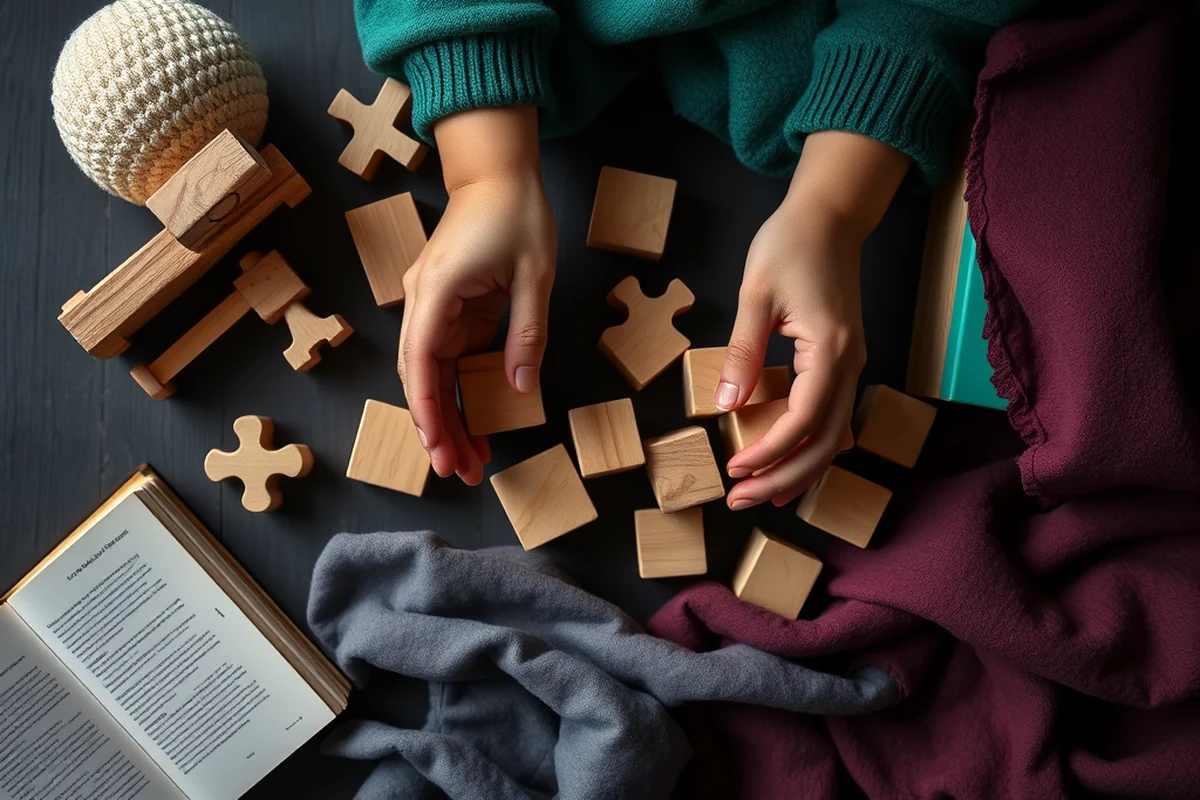
One of the biggest benefits I’ve noticed is that a play shop helps children develop independence. When my daughter was in the play shop, she would often choose her own activities and decide what to do next, without needing me to direct her. This gave her a sense of autonomy and confidence in her abilities.
Another benefit is the development of creativity and problem-solving skills. I’ve seen my daughter use blocks to build elaborate structures, use art supplies to make patterns, and even use loose parts to create pretend objects. These activities helped her think critically and come up with her own solutions to problems.
In addition, a play shop provides a space for children to explore their own interests and develop their own ideas. I’ve noticed that my daughter is more engaged and focused when she’s in the play shop, and she seems to enjoy the process of learning and discovering things on her own.
Related: Simple game based learning platforms
The Role of the Parent in a Play Shop
I’ve learned that the role of a parent in a play shop is not to direct or control the activities, but to support and encourage the child. I make sure to be nearby but not intrusive, and I offer help only when it’s needed. This allows my child to take the lead and develop her own ideas and interests.
One of the most important things I’ve learned is to avoid forcing my child to play with specific items or to participate in activities she’s not interested in. Instead, I allow her to choose what she wants to do and support her in her choices. This gives her a sense of ownership and encourages her to explore at her own pace.
I’ve also learned the importance of being patient and allowing my child to take her time. When she’s in the play shop, I let her play for as long as she wants, without setting a time limit or interrupting her. This helps her develop a sense of focus and concentration, which is essential for learning and development.
Related: Natural play based preschool curriculum
The Impact of a Play Shop on Family Life
One of the biggest changes I’ve noticed in my family life is that a play shop has reduced the need for constant supervision. When my daughter is in the play shop, she can play independently for long periods of time, which gives me a chance to do other things without worrying about her.
I’ve also noticed that a play shop helps reduce the stress of managing a busy household. When my daughter is engaged in her own activities, I don’t have to constantly redirect her or manage her behavior. This gives me more time to focus on other tasks and enjoy the moments with her.
In addition, a play shop provides a space for my daughter to develop her own interests and explore her creativity. This has led to a more engaging and meaningful interaction between us, as she’s more willing to share her ideas and discoveries with me.
Related: Diy play based preschool curriculum
Creating a Play Shop That Works for Your Child
I’ve learned that the key to creating a play shop that works for your child is to understand their interests and what they enjoy playing with. When I first set up my play shop, I included a variety of items, but I didn’t take the time to consider what my daughter was interested in. It wasn’t until I started incorporating items she loved that the play shop really began to work for us.
One of the most important things I’ve learned is to be flexible and willing to make changes as needed. I’ve noticed that my daughter’s interests change over time, and I’ve had to update the play shop to reflect that. This has helped her stay engaged and interested in the space.
Finally, I’ve learned the importance of involving my child in the process of creating the play shop. When she feels like she has a say in what goes into the space, she’s more likely to take ownership of it and use it regularly. This has made the play shop a more meaningful and engaging part of our home.
🌿 Gentle Play Shop
A calm, low-stimulation space designed for children who need a quiet environment to explore and learn.
⚡ Fast-Track Play Shop
A quick setup with a few key items that allow for immediate engagement and exploration.
✈️ Travel Play Shop
A portable, lightweight play space that can be set up and taken down easily for travel or on-the-go play.
👯♀️ Multiple Child Play Shop
A play shop designed for multiple children, offering a variety of items that encourage shared play and social interaction.
🔄 Regression Reset Play Shop
A play shop that helps children re-engage with play after a period of disinterest or regression in their play behavior.
| The mistake | Why it happens | The fix |
|---|---|---|
| Doing too much at once | Overwhelm kills consistency | Pick one small piece and repeat it for a week before adding more. |
| Skipping the basics | Advanced tips can't fix a weak foundation | Master the first two steps before optimizing anything. |
What Is A Play Shop
Common Questions
How often should I change the items in the play shop?
How many items should be in the play shop?
What kind of materials should I include in the play shop?
Can a play shop be used for multiple children?
References
- Roy Kizer Course | GolfATX | AustinTexas.gov (austintexas.gov)
- Pretend Play and Social Engagement in Toddlers at High and Low ... (pmc.ncbi.nlm.nih.gov)
- Montana Early Learning Standards: A Developmental Continuum for ... (dphhs.mt.gov)
Cite this guide
Playschooled (2026). What Is A Play Shop. https://playschooled.com/what-is-a-play-shop/
Feel free to cite or share this guide.