What Is Learning Station
📖 Table of Contents
- What Is a Learning Station?
- Why Learning Stations Work for Kids
- How to Set Up a Learning Station
- The Benefits of a Consistent Learning Station
- How to Make the Most of Your Learning Station
- Creating a Space That Reflects Your Child’s Interests
- Maintaining and Updating Your Learning Station
- Make It Your Way
- Frequently Asked Questions
I remember the first time I set up a learning station in my home. It was a rainy Tuesday afternoon, and my son, who had just turned two, was fiddling with a toy car on the floor of our living room. I realized that this random spot wasn’t going to cut it — we needed a dedicated space where he could explore, learn, and grow without distraction. That’s when I created our first learning station, a small corner of the house that became the heart of his early education.[1]
Setting up a learning station wasn’t just about buying a few toys and calling it a day. It was about creating an environment that encouraged curiosity, focus, and creativity. I spent hours researching, testing different setups, and adjusting based on what worked best for my child. This wasn’t just a space for learning; it became a place where he could feel safe, empowered, and excited about discovering new things.
Over the past few years, I’ve refined that original learning station into something that’s not only functional but also deeply personal. It’s where my son has learned to read, count, and solve simple problems. It’s also where he’s developed a love for learning that will carry him through life. I’ve learned so much in the process. I’m excited to share my journey with you — because I know that every parent wants the best for their child, and a well-designed learning station can be the key to making that happen.
Why You'll Love This Space
- Encourages independent learning and curiosity in children.
- Creates a consistent, distraction-free environment for focused play and learning.
- Helps develop critical skills like problem-solving, creativity, and attention.
- Is adaptable to a child’s evolving needs and interests.
What Is a Learning Station?
As of September 2026, a learning station is more than just a place for your child to sit and color. It’s a carefully curated space designed to stimulate learning through play, exploration, and interaction. I set mine up in a corner of our living room with a small rug, a few chairs, and a low table. This allowed my son to sit comfortably and reach the items he needed without assistance.
I made sure the station was stocked with books, puzzles, and hands-on toys that aligned with his developmental stage. I also included a whiteboard for drawing and writing, a calendar with his favorite activities, and a small shelf where we kept his completed projects. This helped him see what he had done and take pride in his work.
The key to a successful learning station is flexibility. As my child grew, I adjusted the setup to match his new interests and abilities. This meant adding more advanced books, incorporating STEM toys, and even using the space for quiet time during the day.
Begin with a few key items and expand as your child’s interests and abilities develop.
Part of our Play based learning guide.
Why Learning Stations Work for Kids
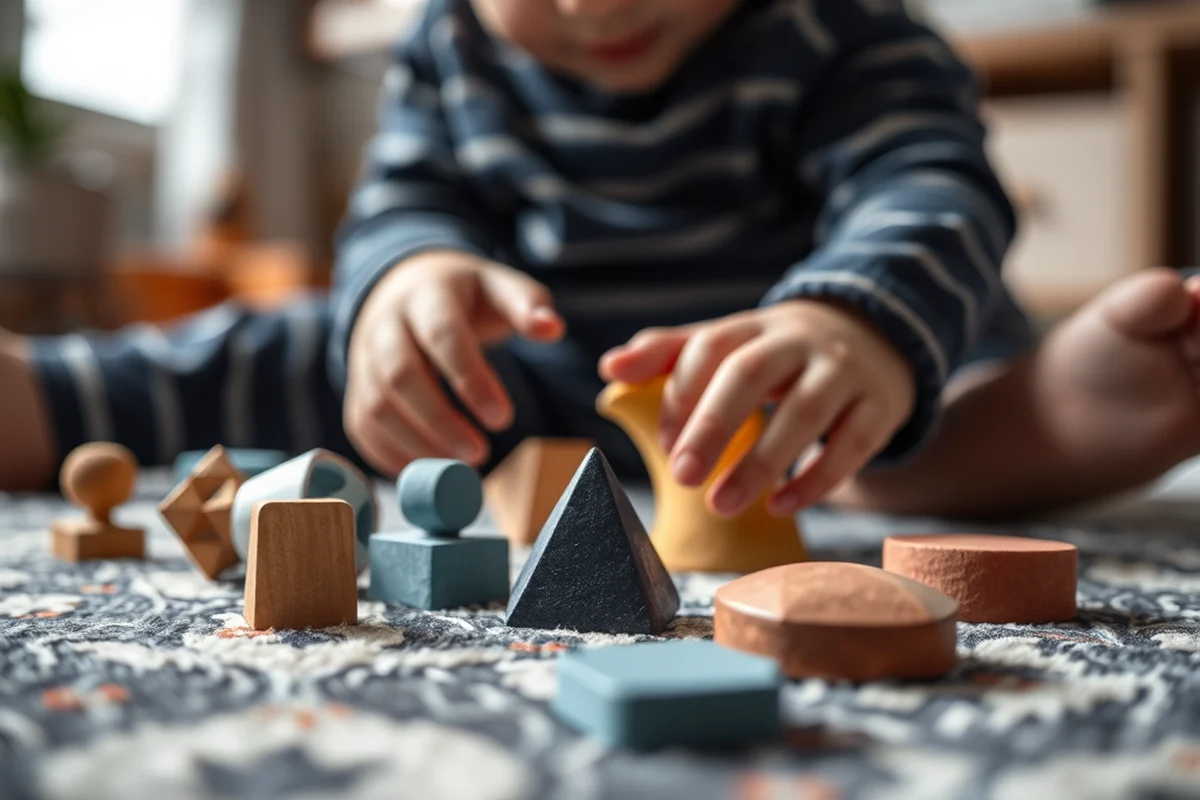
One of the biggest benefits I noticed was the way my child became more focused when he was in the learning station. Without the distractions of the rest of the house, he was able to engage deeply with his activities. He would spend 30 minutes at a time on a single project, something I had never seen before.[2]
I also noticed a marked improvement in his problem-solving skills. When he was working on a puzzle or a math game, he learned to think through challenges rather than giving up. This kind of perseverance is invaluable as he grows.
Another benefit was the way the learning station became a place of comfort and familiarity. My child would often go there on his own when he needed a quiet moment, or when he wanted to explore something new. It was his safe space.
A learning station is a place of comfort, curiosity, and growth.
Related: Play based learning for beginners
Related: Florida Virtual School Flex
How to Set Up a Learning Station
Setting up a learning station starts with choosing the right location. It should be in a quiet area of your home, away from high-traffic zones. I chose a corner of the living room because it gave my child a sense of independence while still being close enough for me to check in on him.
Next, I gathered the necessary items. I started with a few books, a small table, and a few soft chairs. I made sure the items were easy for my child to reach and use without supervision. I also added a small shelf for storing completed projects and books.
I made sure the space was inviting and comfortable. I used soft lighting and colorful rugs to make it feel welcoming. I also included a whiteboard where we could write together and a calendar that displayed his favorite activities. This helped him see the structure of his day and feel involved in planning it.
Choose a space that is easy to use and adjust as your child grows and changes.
“I remember the first time I set up a learning station in my home.”— Playschooled editors
Related: Play based learning ideas
The Benefits of a Consistent Learning Station
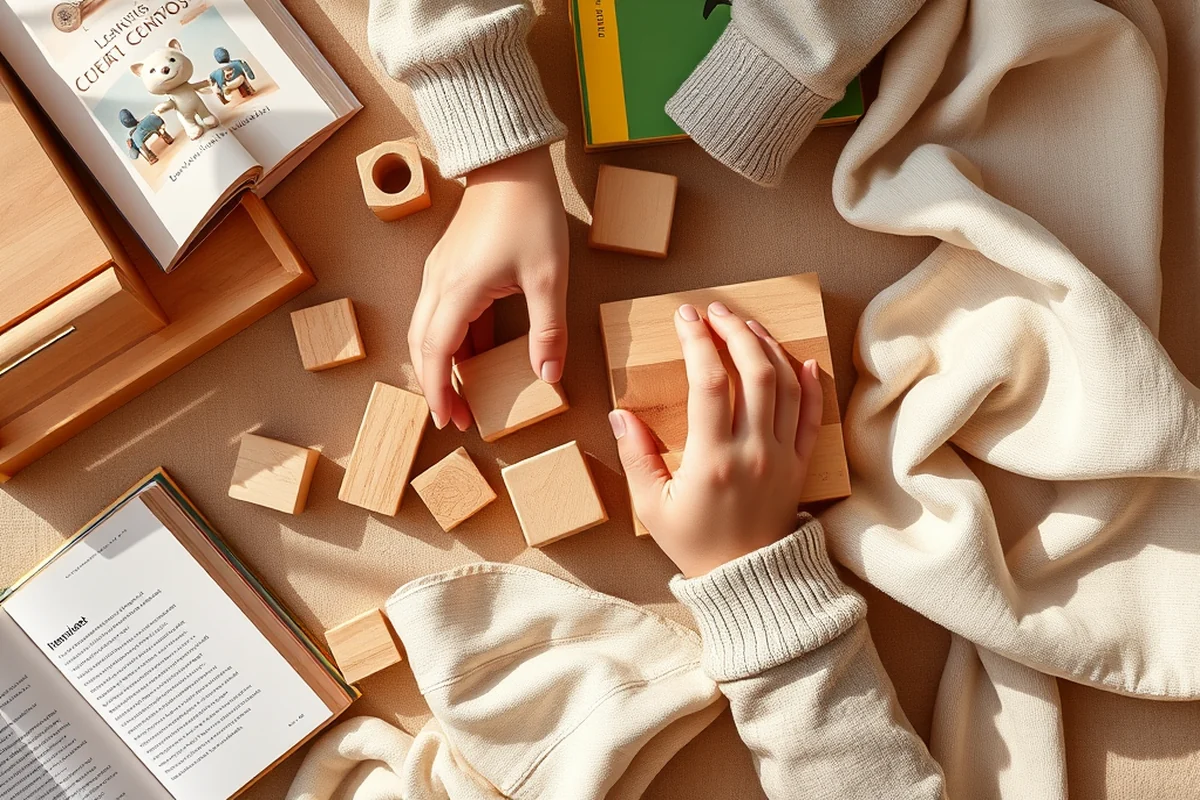
One of the biggest advantages of having a consistent learning station is that it helps establish a routine. My son would go to the learning station at the same time every day, and this helped him understand the flow of his day. He knew when it was time to read, play, or work on a project.
I also noticed that my child became more independent. He learned to organize his own space, pick out activities, and complete tasks without constant supervision. This was a huge confidence boost for him.
Another benefit was the way my child developed a love for learning. When the learning station became a regular part of his day, he started to associate it with fun, discovery, and growth. This has continued into his school years, where he still enjoys learning in a structured environment.
Related: Best play based learning
How to Make the Most of Your Learning Station
I made sure to use the learning station for both guided and independent learning. Some days, I would sit with my child and work through a book or puzzle together. Other days, he would explore on his own, choosing what he wanted to do and how long he wanted to stay there.
I also made sure to rotate the activities in the learning station regularly. This kept things fresh and exciting for my child. I would introduce new books, puzzles, or STEM toys every few weeks to keep his interest piqued.
I also used the learning station for quiet time during the day. This was especially helpful when my child was feeling overwhelmed or needed a break from the hustle and bustle of the house. It gave him a place to reset and recharge.
Related: Budget play based learning activities
Creating a Space That Reflects Your Child’s Interests
One of the most important things I learned was the value of personalization. My learning station wasn’t just a generic space — it was filled with items that reflected my child’s interests. If he loved dinosaurs, I had books and toys about them. If he was into art, I had a variety of drawing materials and canvases.
I made sure the space was a reflection of who my child was. This helped him feel more connected to the learning station and more willing to engage with it. He would spend hours there, exploring and creating without any prompting.
This personalization also made the learning station more effective. When the activities and materials were things my child was interested in, he was more motivated to learn and explore. It made the experience more enjoyable and meaningful for him.
A personalized learning station makes learning feel like play.
Related: What is a play shop
Maintaining and Updating Your Learning Station
I made a point to regularly maintain and update the learning station. This meant cleaning the space, replacing old items, and adding new ones that aligned with my child’s current interests. I also made sure to organize the space so that it was easy to use and navigate.
I found that updating the learning station every few months helped keep it fresh and exciting for my child. This was especially important as his interests and abilities changed over time. If he was into dinosaurs one week, I would add more dinosaur-themed activities. If he was into puzzles the next, I would stock up on those.
I also made sure to involve my child in the process. He would help pick out new books, choose the colors of the rugs, and even help organize the space. This helped him feel more invested in the learning station and more responsible for it.
🌿 Gentle Approach
A calm, flexible learning space that grows with your child's pace and interests.
⚡ Fast-Track Learning
A high-energy, structured learning station that encourages quick learning and focus.
🧳 Travel/Away-From-Home
A portable learning station that can be used on the go, in the car, or at a friend’s house.
👶 Multiples
A learning station designed to cater to multiple children with different interests and developmental stages.
🔄 Regression Reset
A learning station that helps children redevelop skills during a temporary setback or growth phase.
| The mistake | Why it happens | The fix |
|---|---|---|
| Creating a learning station that is too cluttered or overwhelming for the child. | A cluttered learning station can be distracting and confusing for your child, making it harder for them to focus and engage with the activities. | Keep the learning station simple and organized, with only a few key items that are easy for your child to use and access. |
| Not involving your child in the setup of the learning station. | If your child isn’t involved in the setup, they may feel disconnected from the space and less motivated to use it. | Involve your child in the setup process by letting them choose the items, colors, and activities they want to include in the learning station. |
| Using the learning station as a place for screen time or passive activities. | Using the learning station for passive activities like watching videos or playing on a tablet can reduce its effectiveness as a learning space. | Use the learning station for active, hands-on activities that encourage exploration, creativity, and problem-solving. |
| Not updating the learning station regularly. | An outdated learning station can become boring and lose its appeal for your child, making it less effective as a learning space. | Update the learning station regularly by adding new items, rotating activities, and involving your child in the process. |
| Creating a learning station that is too rigid or structured for the child. | A rigid or structured learning station can be overwhelming or restrictive for your child, making it less enjoyable and less effective for learning. |
What Is Learning Station
Common Questions
How do I choose the right location for a learning station?
What kind of items should I include in a learning station?
How often should I update the learning station?
Can I use the learning station for both guided and independent learning?
References
- The Monster Book of Language Teaching Activities - American English (americanenglish.state.gov)
- The Powerful Role of Play in Early Education (cde.ca.gov)
Cite this guide
Playschooled (2026). What Is Learning Station. https://playschooled.com/what-is-learning-station/
Feel free to cite or share this guide.