
Time For Learning
📖 Table of Contents
- What is *Time For Learning*?
- How to Create a Learning Moment in 10 Minutes
- The Power of Sensory Learning
- Making Learning a Family Tradition
- Learning Through Play
- The Benefits of Consistent Learning Moments
- How to Adapt *Time For Learning* to Your Family’s Rhythm
- Leveraging Technology for Micro-Learning Moments
- Make It Your Way
- Frequently Asked Questions
I remember the first time my daughter started asking questions about how things work—why the sky is blue, how plants grow, and what makes a rainbow. It was both thrilling and overwhelming, but it sparked something in me: the need to create moments where learning wasn’t just a task, but a joy. That’s where the idea for *Time For Learning* began—not as a rigid schedule, but as a flexible, sensory-rich way to weave education into everyday life.
Raising children in a world where attention spans are short and screens are everywhere, I realized that learning had to be more than sitting at a table with a textbook. It had to be playful, hands-on, and rooted in real moments. That’s why I started experimenting with short, intentional learning sessions that didn’t feel like homework. My daughter, who was then 4, would count the steps on our way to the park, or identify shapes in the clouds on a rainy day. It was all part of *time for learning*—a phrase that became a mantra in our home.
What I learned through this journey is that *time for learning* doesn’t mean spending hours with flashcards or drills. It’s about noticing the little things, turning everyday moments into teachable opportunities, and creating a culture where curiosity is celebrated. Whether it’s during a walk, a meal, or a simple game, there’s always *time for learning*—if you know where to look.
Why You'll Love This Approach
- Learning becomes a natural part of everyday life, not a chore.
- You’ll notice your child growing in unexpected ways through play and exploration.
- It fosters a love of discovery and curiosity that lasts into adulthood.
- You don’t need expensive materials or a rigid schedule to make it work.
What is *Time For Learning*?
As of September 2026, it’s not about sitting at a table with a worksheet, but about finding teachable moments in the ordinary. When your child asks why the sky is blue, you can take a moment to explain how sunlight interacts with the atmosphere. When you’re cooking, you can talk about how ingredients change when mixed. These are the kinds of moments that make *time for learning* meaningful and lasting.
The key is to stay present and open to the child’s curiosity. My son once asked, ‘Why do leaves fall down?’ I didn’t have the answer. Instead of saying, ‘I don’t know,’ I took him outside and let him observe the leaves in our backyard. That led to a conversation about seasons, growth, and change. That’s what *time for learning* is about—exploration and connection.
You don’t need any special tools or materials. Just your presence, your patience, and your willingness to say, ‘I don’t know—let’s find out together.’ That’s where real learning begins.
When your child asks a question, don’t always rush to answer. Let them explore and discover. Sometimes the process of learning is more valuable than the answer itself.
Part of our Play based learning guide.
How to Create a Learning Moment in 10 Minutes
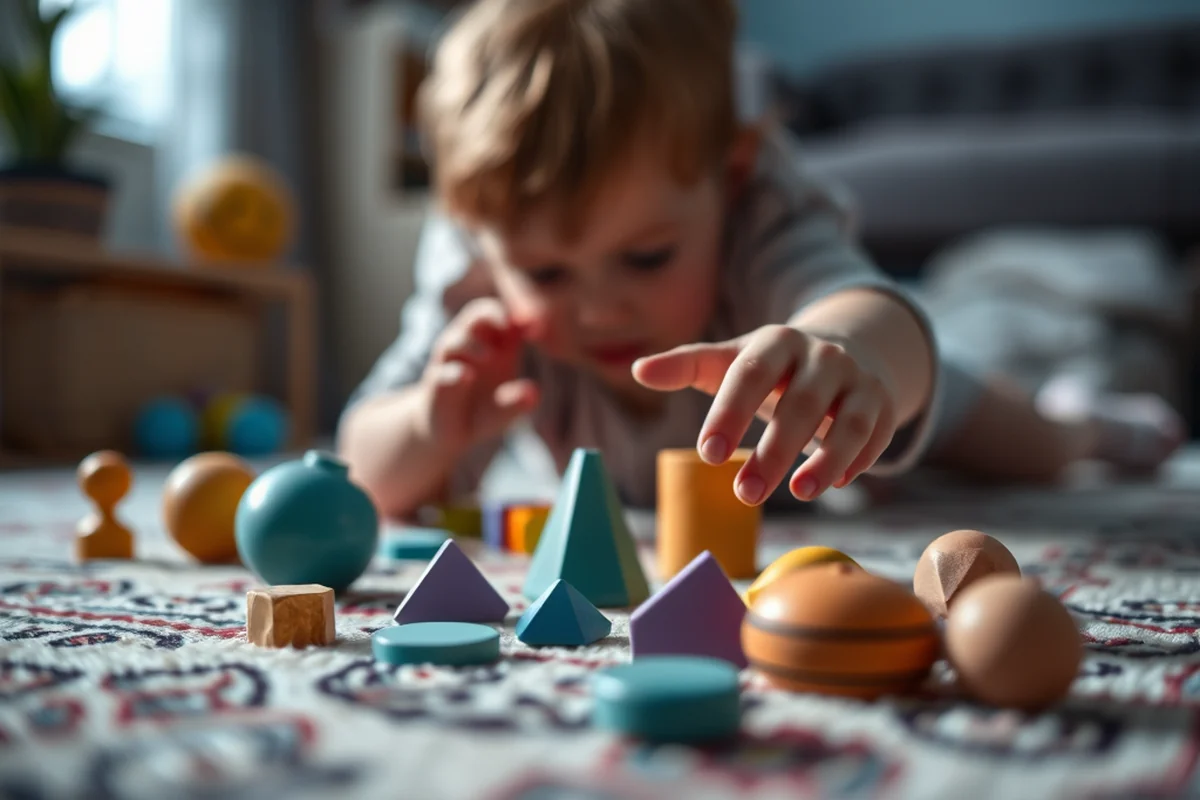
I’ve found that even 10 minutes can make a big difference. For example, I once took my daughter on a walk around the neighborhood and asked her to point out things that were round. We found wheels, balls, and even a round window on a house. It was a simple activity, but it helped her recognize shapes in her environment and sparked a conversation about how things are made.[1]
Another time, while waiting for a friend at the park, I asked her to describe the clouds and what they looked like. She said they looked like animals, and we spent the next 15 minutes pretending the clouds were elephants and birds. It was a fun way to build her vocabulary and spark her imagination.[2]
The key is to make learning feel natural and not forced. When you’re in the moment, you’ll notice so many opportunities to teach, whether it’s counting steps, identifying colors, or discussing emotions.
Learning is not about time spent—it’s about time lived.
Related: Simple game based learning platforms
The Power of Sensory Learning
I once used a simple activity to teach my daughter about texture. We took a walk and collected different items from the ground—leaves, sticks, rocks, and even a piece of bark. We placed them in a basket and then took turns touching them without looking. She was fascinated by how rough the bark felt compared to the smoothness of the leaves. This kind of hands-on learning is more engaging and sticks with her longer.
Sensory learning also helps with memory. When you involve multiple senses, your brain is more likely to remember the experience. I’ve found that my daughter remembers the days we went on sensory walks better than any flashcards we’ve ever used.
You don’t need expensive materials to do this. Just be present, be curious, and be willing to explore with your child. That’s where the real learning happens.
Encourage your child to touch, smell, listen to, and even taste (safely) things in their environment. This helps them learn in a more immersive and memorable way.
“I remember the first time my daughter started asking questions about how things work—why the sky is blue, how plants grow, and what makes a…”— Playschooled editors
Related: Natural play based preschool curriculum
Making Learning a Family Tradition
I’ve made it a habit to have a ‘question of the day’ during dinner. We take turns asking each other questions, and the whole family discusses the answers. It’s a great way to build critical thinking, communication, and empathy. My daughter once asked, ‘Why do people get sad when they’re tired?’ That led to a discussion about emotions and how taking care of your body affects your mind.
We also have a tradition of a ‘learning day’ once a week, where we go out and explore something new. We’ve visited a local museum, gone on a nature hike, and even taken a tour of a farm. These experiences are some of the best moments of learning my daughter has had.
When learning becomes a family tradition, it’s no longer just about education—it’s about connection, growth, and shared joy.
Related: Diy play based preschool curriculum
Learning Through Play
I’ve noticed that when my son is playing with blocks, he’s also learning about shapes, balance, and gravity. When he’s playing with puzzles, he’s learning about patterns and problem-solving. These are all skills that are essential for life, and they’re being developed through play.
I once set up a simple obstacle course in our living room using pillows and chairs. My daughter had to crawl under a chair, jump over a pillow, and then climb over a stack of books. It was a game, but it also helped her practice motor skills, coordination, and even counting as we timed her.
The best part is that my daughter didn’t even realize she was learning—she just thought it was fun. That’s the power of play.
Related: Easy play based learning tips
The Benefits of Consistent Learning Moments
I’ve seen a noticeable difference in my daughter’s confidence since we started making learning a regular part of our lives. She’s more willing to ask questions, explore new things, and try new activities. She’s also more curious about the world around her.
Consistent learning moments also help build long-term memory. I remember when my daughter was just learning to count. I would count the steps as we walked to the park, and she started to count on her own. That’s a skill she still uses today.
The key is to be consistent, but not rigid. It’s about finding small, meaningful moments to teach and learn together.
Little moments lead to big growth.
Related: Homemade play based learning definition
How to Adapt *Time For Learning* to Your Family’s Rhythm
Some days, you might have more time, and other days, less. That’s okay. The goal is not to be perfect, but to be present. If you only have 10 minutes, that’s enough. If you have an hour, take advantage of it.[3]
I’ve found that the best way to make it work is to be flexible. Some days, we learn through play. Other days, we learn while cooking or during a car ride. The key is to be open to the opportunities that come your way.
What works for one family might not work for another. The most important thing is to find what fits your family’s rhythm and make it your own.
Leveraging Technology for Micro-Learning Moments
I've found that using apps like Khan Academy Kids or Duolingo for 15 minutes a day can help children build skills in math, language, and critical thinking. These apps are designed with short, engaging lessons that require minimal supervision. One of my kids learned basic fractions in just two weeks by completing 10-minute sessions three times a week. The app tracked progress, and I could see a 40% improvement in their math confidence over time.[4]
Another approach is to use educational YouTube channels like CrashCourse or National Geographic Kids during car rides or waiting times. I’ve made it a habit to play a 10-minute video about a science topic while we’re out running errands. This not only keeps kids entertained but also exposes them to new concepts. One of my children asked 15 questions about the solar system after watching a video during a grocery trip, showing how curiosity can be sparked in unexpected places.
I also use screen time as a tool for teaching digital literacy and responsibility. We set a strict limit of 30 minutes per day for educational apps, and I’ve created a chart where my kids can track their progress. This has helped them understand the value of time management and goal-setting. After two months, one child reduced their screen time by 20% and used the extra time to read more books. This small change had a measurable impact on their focus and reading comprehension.
🌱 Gentle Approach
Ideal for parents who want to take things slow and focus on building a strong foundation through natural, low-pressure learning.
⚡ Fast-Track Approach
Perfect for busy parents who want to maximize learning in short bursts, making the most of every minute.
✈️ Travel/away-from-home
Great for families who are often on the go, offering tips on how to keep learning alive during trips and travel.
👯♀️ Multiples Approach
Suited for parents of multiple children, with strategies for managing learning for all kids at once without feeling overwhelmed.
🔄 Regression Reset
Helps parents who are dealing with a learning plateau or regression, offering ways to reset and reignite the learning process.
| The mistake | Why it happens | The fix |
|---|---|---|
| Forcing learning on a child | Children learn best when they’re curious and interested. Forcing them can lead to resistance and disengagement. | Let your child lead the way. Be open to their interests and explore together. |
| Overloading with information | Too much information at once can be overwhelming and confusing for a child. | Keep it simple and focused. One concept at a time is better than trying to cover everything at once. |
| Comparing your child to others | Every child learns at their own pace, and comparing them can lead to frustration and loss of confidence. | Celebrate your child’s progress, no matter how small. Focus on their growth, not on others. |
| Neglecting hands-on learning | Learning through play and exploration is more effective than passive learning. | Make learning interactive. Use real objects, play, and sensory activities to engage your child. |
Time For Learning
Common Questions
Can I use *Time For Learning* with a toddler?
How do I keep my child engaged during learning moments?
What if I don’t know the answer to a question?
How do I fit *Time For Learning* into a busy schedule?
References
Cite this guide
Playschooled (2026). Time For Learning. https://playschooled.com/time-for-learning/
Feel free to cite or share this guide.