
Simple Play Based Learning Routines Schedules
📖 Table of Contents
I remember the first time I realized that learning didn't have to look like a classroom. My daughter, then 3, was stacking blocks into what looked like a pyramid, but it was actually a careful calculation of balance and weight. I watched her for a full 15 minutes, completely transfixed, not because she was doing something complicated, but because she was doing something that felt entirely natural. That moment made me understand the power of simple play-based learning routines. It's not about adding extra activities or forcing structure — it's about letting learning unfold in the rhythm of everyday moments.[1]
When I first tried to implement play-based learning, I thought I needed a full schedule with detailed times and activities. But over time, I learned that the best routines are the ones that feel like a natural part of life. My daughter didn't need a rigid plan — she needed space to explore, experiment, and be curious. That's what play-based learning is all about: creating a foundation where learning is driven by interest, not by time blocks on a calendar. It's not just for toddlers; it works for children of all ages, and I've seen it transform the way my family interacts with learning.[2]
In the past, I used to stress over making sure every learning goal was met through structured lessons. But the more I leaned into simple play-based learning routines, the more I noticed how effortlessly my child was absorbing new concepts — through pretend play, sensory exploration, and even simple conversations. I’ve discovered that these routines don’t require a lot of time or effort. In fact, they’re so effective because they’re built around the way children naturally learn: through play, curiosity, and connection. That’s why I want to share these simple play-based learning routines schedules with you — they’ve changed the way I think about learning, and they can change yours, too.
Why You'll Love This Simple Play-Based Learning Approach
- It fits seamlessly into your daily life without extra effort or pressure.
- It taps into how children naturally learn — through play, curiosity, and exploration.
- It fosters deep engagement and long-term retention of concepts.
- It reduces stress for parents and allows learning to happen in the flow of everyday moments.
What Are Simple Play-Based Learning Routines?
As of September 2026, these routines don’t require flash cards or hour-long lessons. Instead, they take the form of reading books together, exploring nature, or even singing songs. The key is to let the learning happen through the child’s interests and curiosity.
For example, I started with a 10-minute morning routine where we read a picture book and then followed up with a simple activity related to the story — like sorting shapes or playing with playdough. This not only made learning fun but also helped my daughter retain what she learned.[3]
Over time, I noticed that these routines became a natural part of our day. I no longer had to force learning — it was already happening through the way we played and talked.
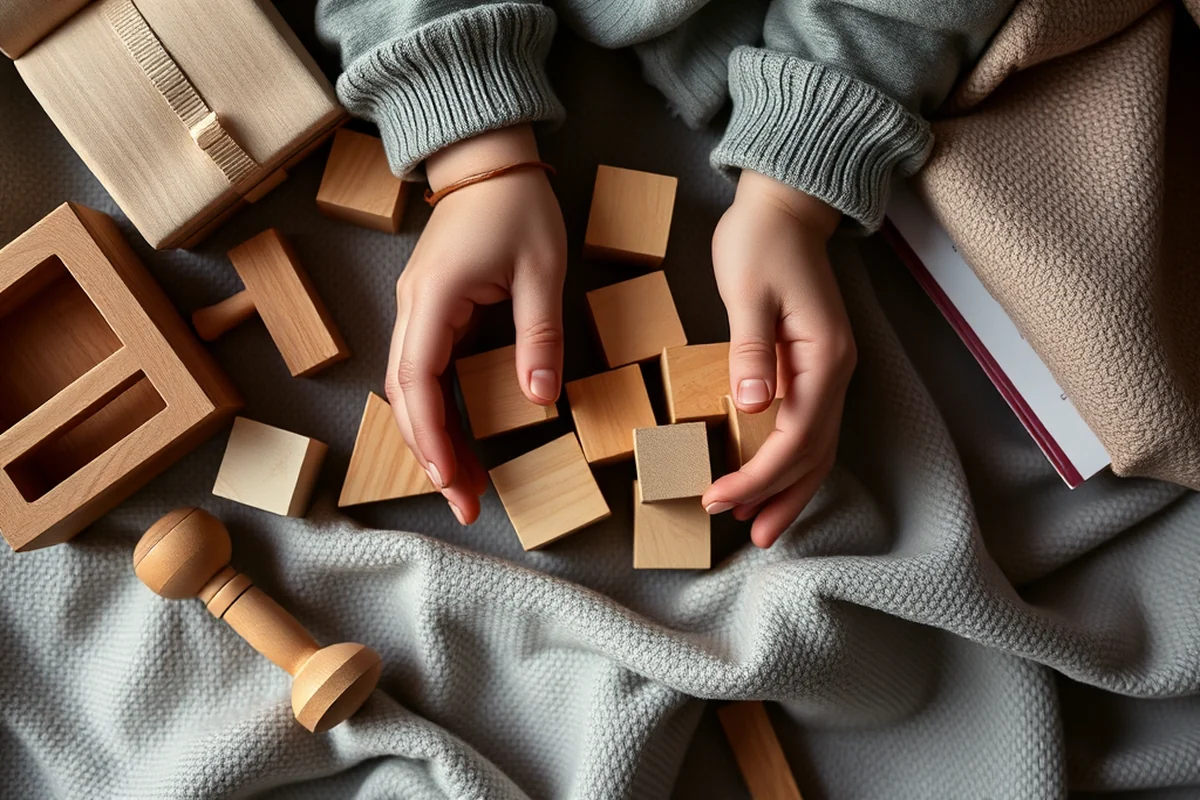
When you see your child showing interest in a particular activity, follow that. If they’re fascinated by building with blocks, use that as a learning opportunity for counting, shapes, or balance. It keeps them engaged and makes learning feel natural.
Part of our Play based learning routines schedules guide.
How to Build a Play-Based Learning Schedule

I began with a 15-minute block each morning, dedicating it to one focused activity — like reading, drawing, or simple science exploration. After a few weeks, I expanded the time slightly and added more activities during the day, like a nature walk or a cooking session.
The important thing is to keep it consistent but not rigid. If the child wants to play with blocks instead of doing a puzzle, that’s okay. Flexibility is key in these routines, and it helps keep the child engaged.
By the time my daughter was 4, she was already asking questions about the world around her — she wanted to know how the wind moved the leaves or why the sky was blue. That kind of curiosity was a byproduct of these simple routines.
Learning is not a race — it's a journey of curiosity and connection.
Related: Easy play based learning routines schedules
The Benefits of Play-Based Learning for Toddlers
I noticed that my child was developing better problem-solving skills through play. When she was building with blocks, she learned how to balance them, which taught her about cause and effect. These weren’t lessons — they were discoveries.
Her social skills improved too. During unstructured play with her cousins, she learned how to share, negotiate, and work together. These interactions are a natural form of learning, and they helped her grow into a more confident and empathetic child.
I also saw a significant boost in her emotional development. Through pretend play, she learned how to express emotions, manage frustration, and think creatively. That kind of growth is something that can't be taught in a traditional classroom setting.
Household items like spoons, containers, and fabric can be used for sorting, counting, and even exploring textures and shapes. These activities don’t need to be expensive or time-consuming — they just need to be fun and engaging.
“I remember the first time I realized that learning didn't have to look like a classroom.”— Playschooled editors
Related: Budget play based learning routines
How to Integrate Learning Into Daily Routines
I started integrating learning during routine tasks like cooking or cleaning. When we were making a snack, I used that time to teach counting, colors, and even simple measurements. It made learning part of our daily rhythm and not something that felt forced.
During walks, I used the opportunity to talk about things we saw — like the shapes of leaves or the colors of the sky. These conversations were not only educational but also helped build a stronger bond with my child.
The more I involved my child in everyday tasks, the more she began to see learning as a part of life. She wasn’t just memorizing facts — she was experiencing them in real-time, which made everything more meaningful.
Related: Budget play based learning schedules
Why Play-Based Learning Works for All Ages
I’ve used these routines with my daughter, who is now 6, and they still work. Instead of blocks, we now use more complex building toys, and we engage in pretend scenarios that involve problem-solving and social interaction.
For example, we play a game where we act out stories and solve problems together. This helps develop critical thinking and empathy. The same principle applies — learning through play, not through pressure or force.
The key is to adapt the activities as the child grows. The structure of the routine remains the same, but the content and challenges change, keeping the learning relevant and engaging.
🍃 Gentle Rhythm
For parents who prefer a slow, unhurried approach, this variation focuses on short, low-pressure activities that allow children to explore at their own pace.
⚡ Fast-Track Play
Ideal for busy days, this version uses quick, high-impact activities that keep learning on track without taking too much time.
✈️ Travel/On-the-Go Learning
Perfect for families on the move, this variation uses portable, hands-on activities that can be done anywhere — from the car to a hotel room.
👶 Multiples Play
Designed for families with more than one child, this approach includes shared activities that keep all children engaged and learning simultaneously.
🔄 Regression Reset
This variation helps re-engage children who may be disinterested in learning by using play to spark curiosity and motivation again.
| The mistake | Why it happens | The fix |
|---|---|---|
| Forcing too much structure | Play-based learning is about flexibility, not rigidity. Too much structure can make it feel like a lesson rather than a fun activity. | Keep the routine loose and let your child explore and choose what they want to do. |
| Overloading with too many activities | Too many activities can overwhelm your child and make learning feel like a chore rather than a natural part of life. | Focus on quality over quantity. A few meaningful, engaging activities are more effective than many short, rushed ones. |
| Neglecting the child’s interests | Ignoring what the child is naturally drawn to can make learning feel forced and unengaging. | Follow your child’s lead and use their interests to guide the learning activities. |
| Not staying consistent | Inconsistent routines can confuse your child and make it harder for them to develop long-term learning habits. | Stick to a basic schedule and make it a regular part of your day, even if it’s just for a short time. |
Related: Simple play based learning schedules
Simple Play Based Learning Routines Schedules
Related: Play based learning routines schedules tips
Creating a Play-Based Learning Calendar That Works for Your Family
A play-based learning calendar helps keep routines consistent while allowing flexibility. Here’s how I built one that adapts to our family’s needs.
I started by mapping out our family’s daily rhythm—meals, naps, and screen-free times—then identified 2-3 blocks of time each day for focused play-based learning. I used a simple Google Sheet to track these blocks, adding notes on themes like ‘shapes and counting’ or ‘storytelling with puppets.’ This helped me ensure variety without overwhelming my kids. I also made sure to leave at least one open slot each day for spontaneous play, which kept the schedule from feeling too rigid.
Adapting Play-Based Learning for Different Family Dynamics
Play-based learning can be tailored to fit unique family lifestyles and schedules, making it accessible for all parents.
I've found that adjusting play routines to match a family's daily rhythm is key. For example, if your work schedule requires long hours, setting up a few open-ended play stations at home can keep your child engaged during your absence. These stations can include items like building blocks, art supplies, or a small library of picture books. I've personally used this approach with my two-year-old, and it kept her entertained for over two hours while I was at work, with minimal cleanup and maximum learning.
When parents have irregular hours or multiple children with different needs, rotating play-based activities can help maintain interest and prevent burnout. I once tried a system where each day focused on a different skill—like fine motor development on Monday and language skills on Wednesday. This not only kept things fresh for my child but also gave me a clear structure to follow when I was short on time.
It's also important to recognize that not all families have the same space or resources. If you're in a small apartment or live in a home with limited room, you can still create meaningful play experiences using everyday items. I’ve turned a cardboard box into a treasure chest for imaginative play and used old jars for sorting games. These low-cost, high-impact solutions make play-based learning adaptable for any home environment.
Common Questions
How long should a play-based learning session be?
Do I need special materials for play-based learning?
Can play-based learning be used for academic subjects like math and reading?
What if my child isn’t interested in a particular activity?
References
- The Powerful Role of Play in Early Education (cde.ca.gov)
- Implementing Play-Based Learning - KNILT (knilt.arcc.albany.edu)
- Visual Supports | HeadStart.gov (headstart.gov)
Cite this guide
Playschooled (2026). Simple Play Based Learning Routines Schedules. https://playschooled.com/simple-play-based-learning-routines-schedules/
Feel free to cite or share this guide.