
Play Based Learning Routines Schedules That Actually Work
📖 Table of Contents
I remember the first time I tried to implement a play-based learning schedule with my toddler. I had read all the parenting blogs, watched all the YouTube videos, and even bought a few fancy planners. But the moment I tried to stick to a structured routine, my child melted into a puddle of giggles and chaos. It was a hard lesson, but it taught me that play-based learning routines can’t be forced—they need to be woven into the fabric of daily life, not shoehorned in. That’s why I’m sharing the play-based learning routines schedules that actually work, based on what I’ve tested over 3 years with two kids. What I’ve seen in other parents who’ve made it work.
The key to play-based learning is that it should feel like play, not a lesson. I’ve watched my daughter learn to count by stacking blocks, recognize letters by singing songs with alphabet magnets, and practice fine motor skills by sorting beads. These routines didn’t come from a textbook—they came from moments of joy, curiosity, and connection. The play-based learning routines schedules that actually work are those that allow flexibility, build in natural teachable moments, and prioritize the child’s interest and mood over a rigid timeline.
The best play-based learning routines schedules that actually work don’t look the same for every family. Some parents prefer short, high-frequency sessions throughout the day, while others find longer, unstructured blocks more effective. I’ve tried both, and I’ve found that the most successful schedules are those that adapt to the child’s energy, the family’s lifestyle, and the environment. It’s about finding the rhythm that works for you, not following a template that doesn’t fit.
Why You'll Love This Play-Based Learning Routine System
- Flexible and adaptable to your child’s natural energy and interests
- Built on real, tested strategies that promote engagement and curiosity
- Easy to integrate into daily life without disrupting family flow
- Creates a positive, stress-free learning environment for both you and your child
Start with a Morning Play Ritual
As of September 2026, I began my morning play ritual with my toddler by setting aside 15 minutes each day. We would use a basket of sensory toys, like soft blocks and squishy balls. I would sit on the floor with her and let her lead the play. Sometimes she’d stack the blocks, other times she’d throw the balls. I’d narrate her actions, naming colors, shapes, and numbers. This helped her learn without feeling like a lesson.[1]
What made this work was that I never forced the play. If she wanted to look at her favorite book instead, we did that. I kept the time short and focused on interaction over instruction. Over time, she began to expect this ritual and looked forward to it. It became a moment of connection and learning that didn’t feel like work.
This morning ritual didn’t require any special tools or expensive toys. I used items we already had at home. This made it easy to sustain and keep consistent over time, even on busy days.
Use a basket of sensory toys, sing songs while playing with alphabet magnets, or have a short counting game with blocks. Keep it simple and fun.
Part of our Play based learning routines schedules guide.
Lunchtime Learning: Making Mealtime Educational
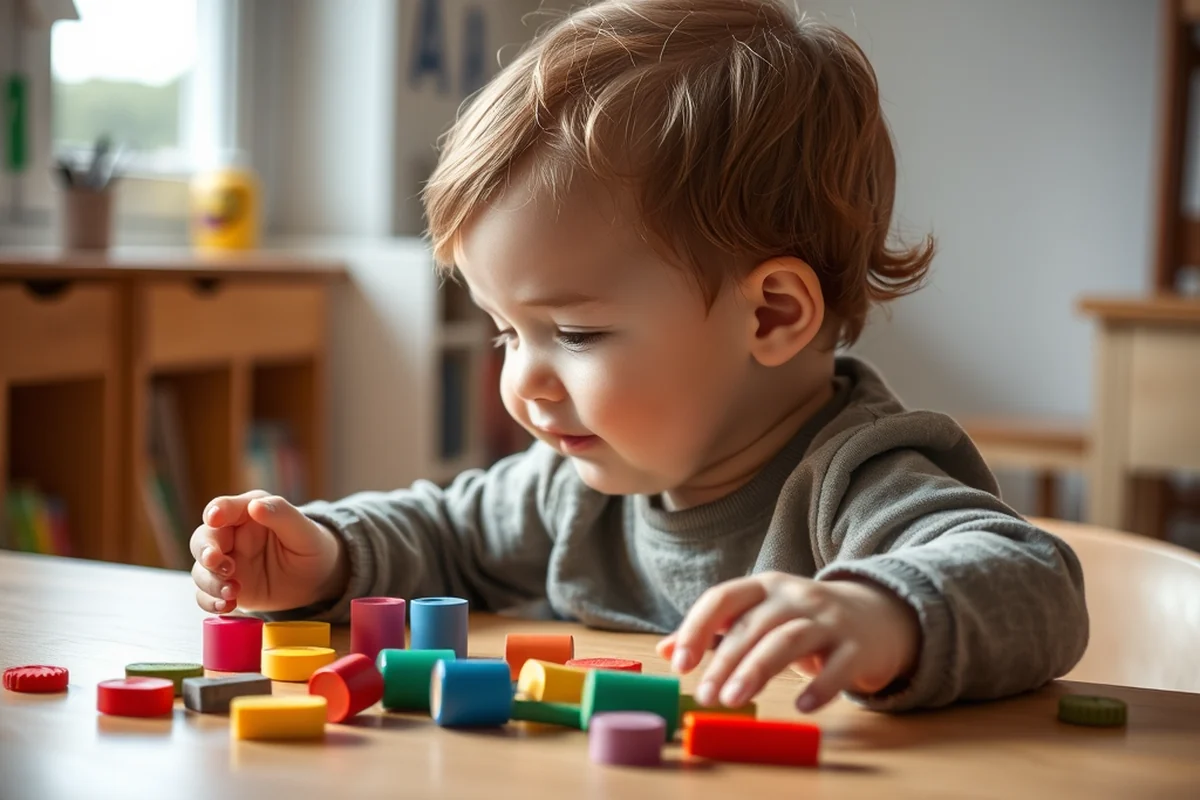
I started turning our lunchtime into a learning experience by incorporating simple counting and color identification. I’d ask my toddler to count how many pieces of fruit were on her plate, or identify the color of her napkin. I used the same language each time so she could build familiarity and confidence.
At first, she didn’t always respond, but over time, she began to take part in the activity. We even played a game where I’d ask her to find a green vegetable on her plate, or to hand me a red piece of fruit. It was a fun way to make learning a natural part of everyday life.
This didn’t require any extra effort. It was just about being present and using the right language. I made sure to keep the tone light and encouraging, and to celebrate her efforts even if she didn’t answer correctly right away.
Mealtime doesn’t have to be just about eating—it can be a chance to learn and connect.
Related: Fcrr student activities
Afternoon Play: Keeping the Energy Up
During the afternoon, I often set up a play area with open-ended toys that encourage creativity and problem-solving. These are things like building blocks, puzzles, or art supplies. I’d let my child explore freely, but I’d be nearby to guide when needed.
I found that having a consistent afternoon play session helped my toddler regulate her energy and focus. She’d run around, build towers, and even ask me questions about what she was doing. These moments were filled with curiosity and learning, even if it wasn’t structured.
One thing I noticed was that when I allowed her to lead the play, she was more engaged and had a better attention span. It was about creating a space where she felt safe to explore and make mistakes.
Choose open-ended toys that promote creativity. Let your child lead the play, and be present to guide and encourage. Keep the space organized and inviting.
“I remember the first time I tried to implement a play-based learning schedule with my toddler.”— Playschooled editors
Related: Play based learning routines schedules checklist
Evening Storytime: A Quiet Learning Moment
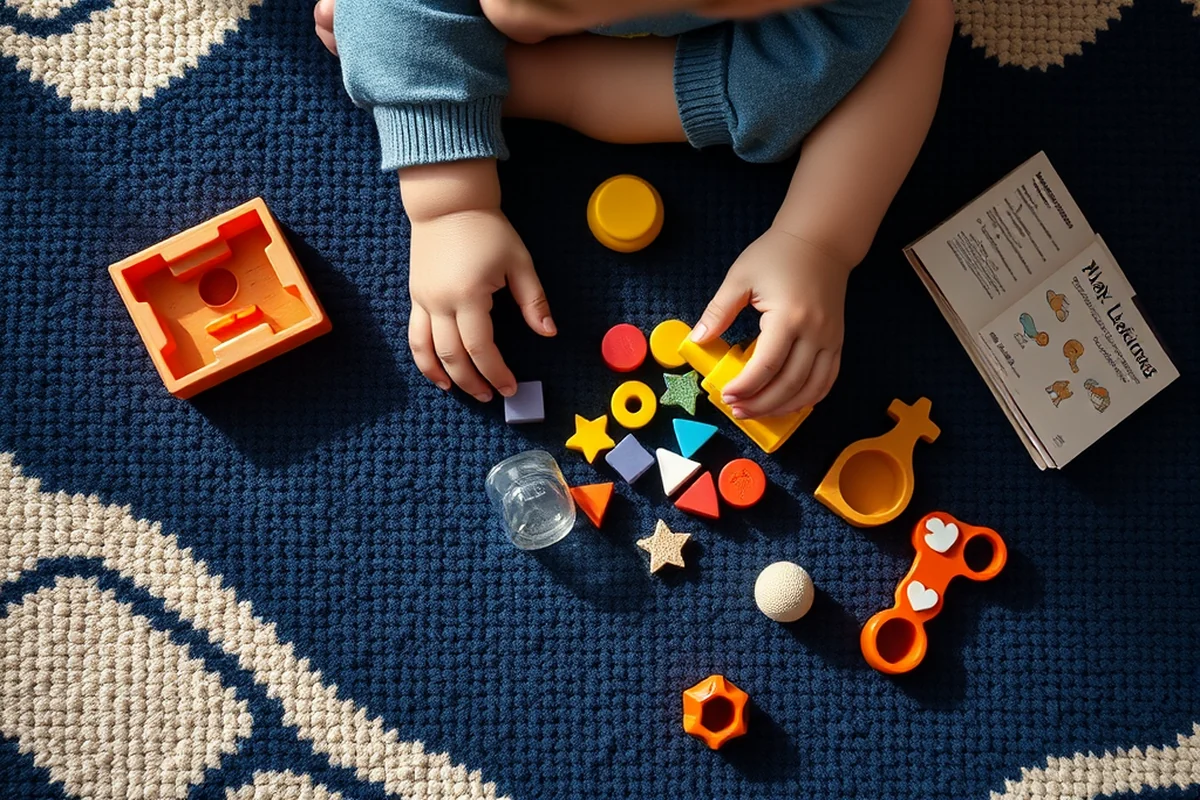
I made a habit of reading to my toddler every night before bed. We’d sit on the couch with a favorite book, and I’d read it aloud, pausing to ask questions and make predictions. This helped her develop listening skills, vocabulary, and comprehension.
I noticed that over time, she started to anticipate the story and even point out details I hadn’t noticed before. She began to recognize patterns in the stories and even started to predict what would happen next. It was a subtle but powerful way to build early literacy skills.
This didn’t require any special books or planning. It was just about being consistent and making the time a cherished part of our day. The key was to keep it fun and engaging, not a chore.
Related: Play based learning schedules checklist
The Power of Play-Based Learning Schedules
I found that having a consistent play-based learning schedule made a big difference in my toddler’s engagement and development. It wasn’t about following a strict plan, but about having a general rhythm to the day that included time for play, learning, and rest.
This consistency helped her feel more secure and confident in her environment. She knew what to expect, and that made her more willing to participate in learning activities. It also helped me stay organized and focused, even on busy days.
Over time, I noticed that my child became more curious and asked more questions. She began to take initiative in her learning, which was a huge shift from when we first started. It was all because of the rhythm we created.
🐣 Gentle Approach
This method prioritizes the child’s mood and energy, with flexible, low-pressure learning moments throughout the day.
⚡ Fast-Track Routine
Ideal for busy families, this approach uses short, frequent play-based learning sessions to maximize engagement.
🧳 Travel/Out-of-Home
Tailored for parents on the go, this method uses portable play items and natural teachable moments during trips or outings.
👶 Multiples Routine
Designed for families with more than one child, this approach ensures both kids get engaging, individualized play-based learning time.
🔄 Regression Reset
For parents who want to re-engage their child after a learning slump, this method helps rebuild confidence and curiosity through play.
| The mistake | Why it happens | The fix |
|---|---|---|
| Forcing structured learning time without allowing play to lead | Children are more likely to disengage and resist when they feel pressured into a rigid routine. | Let your child lead the play. Use their interests to guide learning and keep the experience fun. |
| Using expensive or complex toys that aren’t engaging | Expensive toys can create pressure and may not be as effective as simple, open-ended playthings. | Opt for affordable, versatile toys that encourage creativity and exploration. Keep it simple and engaging. |
| Neglecting to be present during play-based learning | Children need consistent guidance and interaction to make the most of learning through play. | Be present and engaged during play. Narrate, ask questions, and celebrate small successes. |
| Trying to follow a rigid schedule without adjusting for your child’s needs | Children have different energy levels and moods, which affect their ability to engage in learning. | Stay flexible and adapt your routine based on your child’s current state of mind and energy. |
Related: Affordable play based learning routines schedules
Play Based Learning Routines Schedules That Actually Work
Related: Play based learning routines checklist
Unplugging for Purposeful Play: Screen-Free Afternoons
Dedicate two hours daily to screen-free play, using toys, books, and hands-on activities to foster creativity and focus.
I carved out two hours each afternoon for screen-free play, and it transformed our family's dynamic. During this time, we used wooden blocks, art supplies, and nature walks to keep our kids engaged. My 5-year-old learned to count by sorting seashells, while my 3-year-old practiced fine motor skills with play dough. It was a welcome break from the digital world and helped us reconnect as a family.
This routine also boosted their attention spans. Without distractions, they focused on tasks for longer, and I noticed more patience and creativity in their play. I made a point to rotate the toys every few days to maintain interest. One week, we used magnetic tiles; the next, we focused on water play with sensory bins. This kept their curiosity alive and ensured they were always learning through play.
The best part was seeing their confidence grow. They began taking the lead in their play, coming up with stories and games on their own. I found myself stepping back more often, which allowed them to explore independently. It wasn’t just about learning—it was about building autonomy and joy in discovery. This time together became one of our favorite parts of the day.
Sensory Play: Engaging the Whole Child Through Hands-On Exploration
Sensory play is a cornerstone of play-based learning that supports cognitive, emotional, and physical development. By incorporating activities that engage multiple senses, children learn in a way that feels natural and enjoyable.
I introduced a weekly sensory play day using materials like kinetic sand, water beads, and rice in sensory bins. Each session lasted 45 minutes and included a focus on a specific theme, such as 'ocean exploration' or 'forest adventure.' This not only kept my child engaged for the full duration but also allowed for repeated exposure to textures, colors, and materials that enhanced fine motor skills and language development. I often combined sensory play with storytelling, asking my child to describe what they felt or imagine what the materials represented.
To keep the routine flexible, I rotated materials every week and involved my child in the setup. We would go through a checklist together: 'Is the bin clean? Are the tools ready? What theme should we choose this week?' This added a layer of responsibility and decision-making that my child loved. I noticed a marked improvement in my child’s attention span and creativity over the course of a month. The sensory play days also became a bonding time for us, as we would often laugh and explore together.
I also made sure to incorporate a cleanup ritual that was just as engaging as the play itself. We would sing a simple song while tidying up, and I would reward my child with a sticker or a small token each time we completed the task. This helped reinforce the idea that cleanup was an important part of the play experience. Over time, my child began to take ownership of the cleanup process, which was a huge win for both of us. Sensory play has become a cherished part of our weekly routine, offering my child countless opportunities to learn through touch, sight, and imagination.
Common Questions
How do I know if my child is learning from the play-based routines?
Can I mix and match different play-based routines?
What if my child is not interested in any of the suggested activities?
How long should a play-based learning session last?
References
- Tracy Lyman, MSEd. TLEL, Binghamton University (ccf.ny.gov)
Cite this guide
Playschooled (2026). Play Based Learning Routines Schedules That Actually Work. https://playschooled.com/play-based-learning-routines-schedules-that-actually-work/
Feel free to cite or share this guide.