Diy Play-based Learning Stage
📖 Table of Contents
I remember the first time I watched my 2-year-old daughter stack blocks in a wobbly line and then knock them down with glee. It wasn’t just play — it was learning. That moment made me realize how powerful a DIY play-based learning stage could be in a child’s early development. With minimal effort, I could create an environment that encouraged curiosity, problem-solving, and creativity without the need for flash or cost.
Setting up a DIY play-based learning stage in our home was one of the most rewarding decisions I made as a parent. It didn’t require a budget or a blueprint; just a few everyday items, a bit of imagination, and a commitment to let my child explore at her own pace. From simple sensory bins to open-ended art projects, we turned our living room into a dynamic learning space that felt like play to her, but was rich with developmental value.[1]
What struck me most was how quickly she adapted. Within just a few days, the play-based learning stage became a staple of her day, and I saw a noticeable shift in her confidence and engagement. It wasn’t about structured lessons or flashcards — it was about the joy of discovery, the freedom to fail, and the deep learning that happened through her own choices.
Why You'll Love This DIY Play-Based Learning Stage
- Encourages deep, self-directed learning without screens or flash.
- Develops critical thinking, motor skills, and emotional intelligence.
- Requires minimal cost and time to set up — just a few everyday items.
- Creates a safe, inclusive environment for children to explore and grow.
Why a DIY Play-Based Learning Stage Works
As of September 2026, Children learn best when they’re interested, engaged, and in control. A DIY play-based learning stage gives them that freedom. It’s not about teaching them, it’s about creating an environment where learning happens organically.
I found that when I simply provided a few open-ended materials — like blocks, paper, or natural items from the yard — my daughter would spend hours experimenting, building, and discovering on her own. There was no pressure to learn anything specific — just the joy of figuring things out.
This kind of learning is deeply effective because it aligns with how children’s brains develop. They’re not just memorizing — they’re thinking, problem-solving, and making connections in real time.
I filled a bin with pinecones, leaves, and small stones from our backyard. It was free, it was tactile, and it sparked endless curiosity and creativity.
Part of our Play based learning by age stage guide.
How to Set Up Your Space
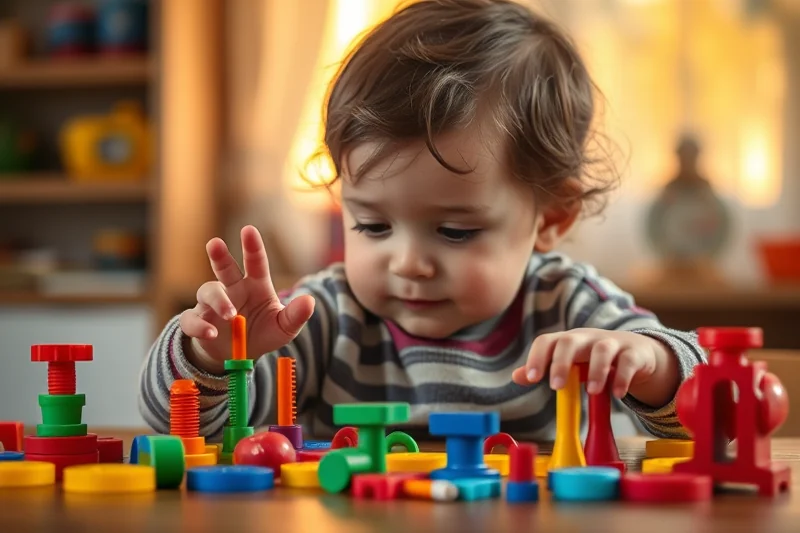
I started with a corner of the living room and a few open bins. I filled one with blocks, another with paper and crayons, and left a bin open for whatever she wanted to bring in from around the house. It didn’t take long for her to gravitate toward it every day.
I made sure to keep the materials varied but accessible. I had items like play dough, buttons, beads, and fabric scraps in one bin, while another had books and puzzles. I let her choose what she wanted to work with each day.
The key was to keep it flexible. I didn’t enforce rules about what she had to do — just that she had the freedom to explore. It was amazing to see how quickly she started using the materials in creative and unexpected ways.
Let go of the need for structure — play is its own kind of learning.
Related: Play based learning by age stage for beginners
The Power of Unstructured Time
I noticed that when I allowed my daughter to play without interruptions, she became more focused and more persistent in her tasks. She would spend 20 minutes trying to balance a tower of blocks, and she never gave up — even when it collapsed.
This kind of time also helped her develop emotional regulation. When she got frustrated, she would stop and walk away, then return later and try again. It was a powerful lesson in self-regulation, and I didn’t have to say a word.
I learned that the most valuable lessons in life aren’t taught — they’re discovered. And a DIY play-based learning stage gives them the space to do just that.
I gave her a corner of the kitchen where she could paint with watercolors on old paper. It was a mess — but it was also a learning experience that she loved and that taught her about colors, textures, and expression.
“I remember the first time I watched my 2-year-old daughter stack blocks in a wobbly line and then knock them down with glee.”— Playschooled editors
Related: Play based learning by age stage for small spaces
The Benefits of a Play-Based Approach
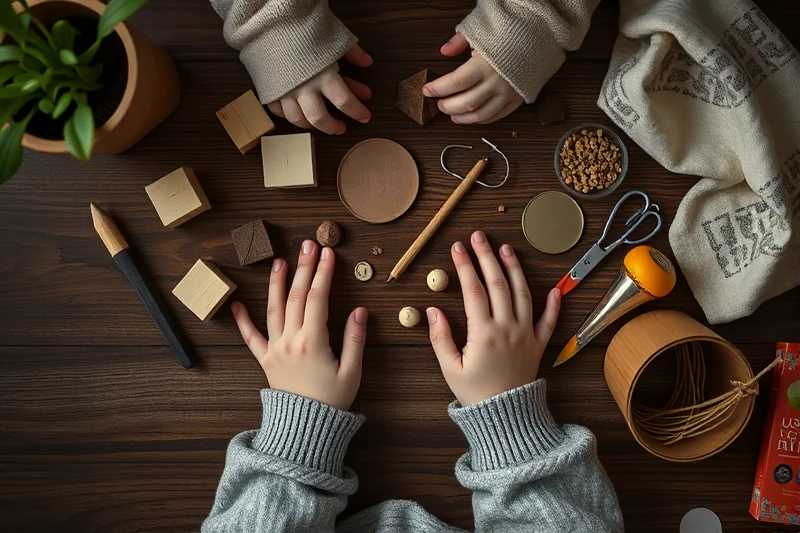
I saw a big shift in my daughter’s confidence after we started this approach. She was more willing to try new things, and she didn’t fear making mistakes — she saw them as part of the process.
She also became more socially aware. When she played with her cousin, she learned how to share, take turns, and resolve conflicts. These are skills that can’t be taught through books or apps alone.
Most importantly, she was happy. She was engaged in what she was doing, and she was learning without even realizing it. That’s the magic of play-based learning.
Related: Play based learning by age stage step by step
How to Keep It Going Long-Term
I made it a point to rotate the materials every few weeks to keep her interested. One month it was nature-based, the next it was art-focused, and then we explored building and engineering.
I also made sure that I wasn’t overstepping. I would observe and guide, but I never took over. That meant letting her make mistakes and discover on her own, which was harder for me as a parent but more effective in the long run.
I kept a journal where I recorded what she was interested in, what she was learning, and what she was struggling with. It helped me see patterns and know when to adjust the environment or introduce new materials.
🐢 Gentle Approach
Slow and steady with sensory bins and open-ended materials for a calm, exploratory play-based learning stage.
🚀 Fast-Track Setup
Quickly assemble with a few bins and items for a no-fuss, ready-to-play DIY stage in minutes.
🧳 Travel/On-the-Go
Lightweight, portable bins with travel-friendly items for learning on the move, in parks, or during trips.
👶 For Multiples
Dual setups that allow multiple children to learn at their own pace, with shared and individual play zones.
🔄 Regression Reset
Introduce a reset with new materials or a change of environment to re-engage children who have lost interest.
| The mistake | Why it happens | The fix |
|---|---|---|
| Trying to force structured learning into the play-based stage. | It can stifle creativity and make the child feel like they’re being taught rather than learning naturally. | Let the child lead the play and avoid enforcing specific outcomes or lessons. |
| Not rotating the materials regularly. | It can lead to boredom and disinterest over time, reducing the effectiveness of the learning stage. | Change up the items every few weeks to keep the experience fresh and engaging. |
| Overstepping and taking over the play. | It can prevent the child from learning independence and problem-solving skills. | Observe and guide, but let the child explore and solve problems on their own. |
| Not keeping the space organized. | It can create a chaotic environment that’s less inviting and harder for the child to engage with. | Keep the space tidy and clearly labeled so that the child knows where to find and put things away. |
Related: Play based learning stage checklist
Diy Play-based Learning Stage
Related: Play based learning stage ideas
Integrating Nature Into Play-Based Learning
I’ve found that incorporating natural elements like pinecones, rocks, and leaves into the play area can significantly enhance a child’s sensory and cognitive development. My 4-year-old once spent an hour building a ‘forest’ with sticks and stones, developing fine motor skills and imaginative thinking without any structured instruction. Nature offers free, accessible, and ever-changing materials that encourage exploration and learning through discovery. I’ve also noticed that time spent outdoors in this way reduces screen time naturally, which is a bonus for busy parents.
Adding elements like a small garden bed or a potted plant to the play space can also teach kids about life cycles and responsibility. My daughter now waters the plants daily, asking questions about how they grow and what happens if they don’t get enough sun. These moments are filled with wonder and provide opportunities for spontaneous teaching. I’ve learned that even simple additions like a rock collection or dried flowers can create a calm, natural ambiance that supports focus and creativity.
I’ve also used nature to teach counting, sorting, and patterns. For example, I’ll take my child on walks and collect different types of leaves or shells, then ask them to sort by size, color, or shape back at home. This kind of learning is hands-on and engaging, and I’ve noticed that it sticks with them longer than traditional lessons. It’s amazing how much learning can happen when we bring the outside world into our play space.
The Role of Scaffolding in Play-Based Learning
I've noticed that when I step in just enough to help my daughter solve a puzzle she's stuck on, she gains confidence and learns to think through problems. Scaffolding means offering support without taking over—like pointing out a pattern or asking a question that leads her to the answer. This approach keeps her engaged and promotes independent thinking.
For example, when we were building a tower with blocks, I didn't tell her how to stack them. Instead, I asked, 'What do you think will happen if we put this bigger block on top?' This simple question encouraged her to test her ideas and understand balance. Scaffolding is about creating a safe space for trial and error, which is essential for cognitive development.
Over time, I've seen how this method helps my daughter develop resilience and creativity. She no longer gets frustrated when she can't solve a problem right away. Instead, she experiments and tries different approaches. Scaffolding is a powerful tool that transforms play into an intentional learning experience without feeling like a lesson.
Common Questions
What if my child doesn’t seem interested in the DIY play-based learning stage?
How do I ensure the DIY play-based learning stage is safe?
What if I don’t have a lot of space?
Is a DIY play-based learning stage suitable for all ages?
References
- The Powerful Role of Play in Early Education (cde.ca.gov)
Cite this guide
Playschooled (2026). Diy Play-based Learning Stage. https://playschooled.com/diy-play-based-learning-stage/
Feel free to cite or share this guide.