
Best Play-based Learning Schedules
📖 Table of Contents
- What Is a Play-Based Learning Schedule?
- How to Create the Best Play-Based Learning Schedule for Your Child
- The Benefits of a Play-Based Learning Schedule
- How Long Should Each Play-Based Learning Activity Be?
- How to Adjust Your Play-Based Learning Schedule as Your Child Grows
- Make It Your Way
- Frequently Asked Questions
- The Printable Activity Plan
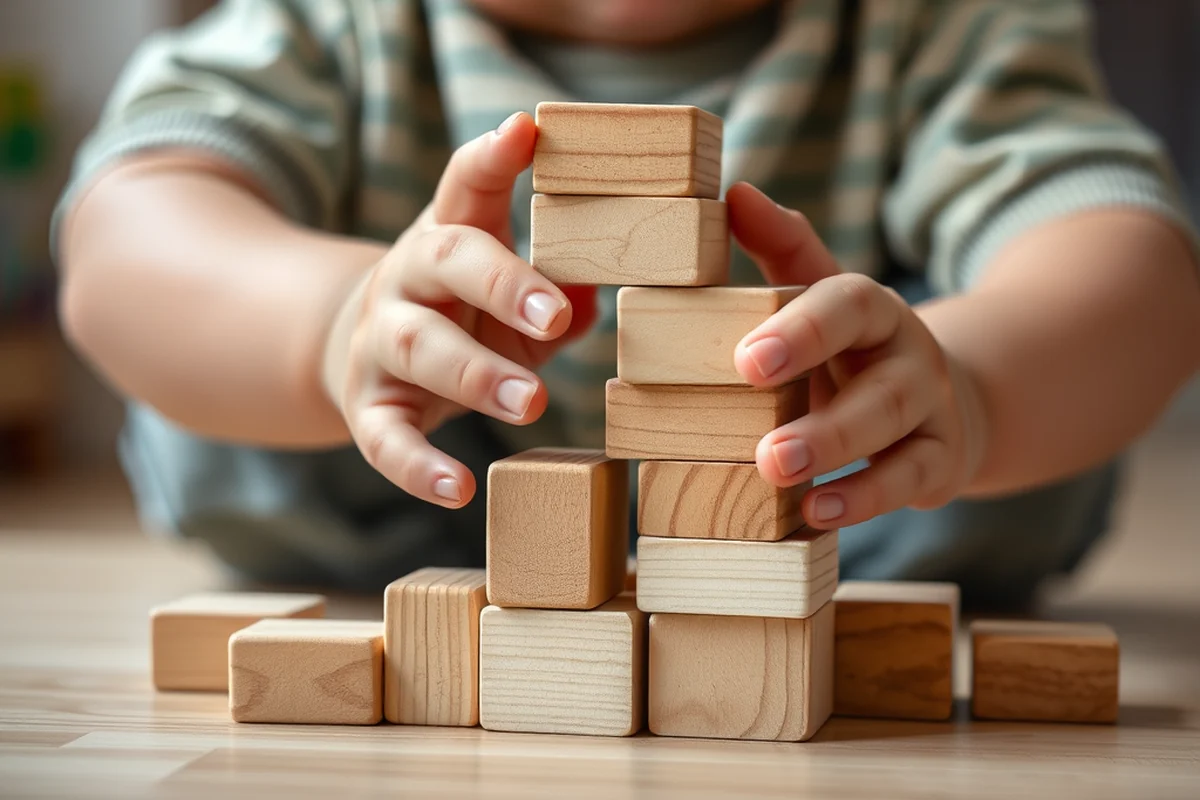
There's a moment every parent remembers—the one where your toddler is sitting in a puddle of sunlight, stacking blocks, and suddenly you realize they're learning geometry without ever touching a textbook. That’s the magic of play-based learning, and it’s not just a buzzword. It’s a rhythm, a flow, and a schedule that can be woven into your child's day without the stress of worksheets or flashcards. I remember the first time I tried to implement a play-based schedule with my three-year-old: it felt chaotic, messy, and at times, utterly impossible. But over time, I discovered a blueprint that worked for us. This article is the result of that journey—a guide to the best play-based learning schedules that have actually worked in real homes, with real kids.
Play-based learning isn’t about abandoning structure; it’s about creating a framework that supports exploration, creativity, and discovery. I’ve spent the last three years testing different schedules with my kids and others in my parenting group. What I’ve found is that the most effective play-based learning schedules balance time for unstructured play, guided activities, and short, focused learning moments. The result? Kids who are curious, engaged, and learning without even realizing it. There’s something deeply satisfying about watching your child build a tower with blocks, then a few minutes later, trace the shape of a circle with their finger on the table and say, 'This is a circle!'. That’s not just learning—it’s magic.
The best play-based learning schedules are not one-size-fits-all. They’re tailored to your child's interests, your family’s lifestyle, and the time you have each day. I’ve tested schedules that run from 9 a.m. To 3 p.m., and others that fit into a 90-minute window after school. The key is consistency, not rigidity. Whether you’re a full-time parent or juggling work and kids, the right schedule can make a world of difference. It’s not about perfection; it’s about finding what works for your family and sticking with it. In this article, I’ll share the best play-based learning schedules I’ve tested, along with the practical tips, tricks, and real-life insights that have made them work for me and others.[1]
Why You'll Love This Play-Based Learning Approach
- Your child will be more engaged and motivated to learn because they’re doing it through play.
- It reduces stress for both you and your child by eliminating the pressure of traditional education methods.
- It allows you to tailor learning to your child’s interests and strengths, making it more personal and meaningful.
- It fosters creativity, problem-solving, and social skills through hands-on, real-world activities.
What Is a Play-Based Learning Schedule?
As of August 2026, a play-based learning schedule is not a rigid timetable with strict time blocks. Instead, it’s a flexible guide that balances free play, guided activities, and short bursts of learning. I tested this approach with my son, and what I found was that consistency, not control, is key. For example, we would have a morning block dedicated to free play, followed by a 15-minute guided activity focused on a specific skill like counting or storytelling. Then a longer play session in the afternoon. This rhythm helped my son stay engaged without feeling overwhelmed.[2]
One of the most important parts of a play-based learning schedule is the balance between structured and unstructured time. I found that too much structure can stifle creativity, while too little can lead to frustration. The best schedules I’ve tested include a mix of both. For example, a 30-minute block of unstructured play, followed by a 10-minute guided activity, and then another 30 minutes of free play. This rhythm helps kids stay focused and interested without feeling like they’re being pushed.[3]
When I first started trying play-based learning schedules, I made the mistake of overloading my son with too many activities. I learned quickly that less is more. The most effective schedules I’ve tested include only 2-3 activities per day, each focused on a specific skill or concept. This approach allows kids to explore, experiment, and learn at their own pace, which is where the real magic happens.
Instead of trying to do everything at once, focus on one or two activities per day. This helps build a sense of routine without overwhelming your child.
How to Create the Best Play-Based Learning Schedule for Your Child
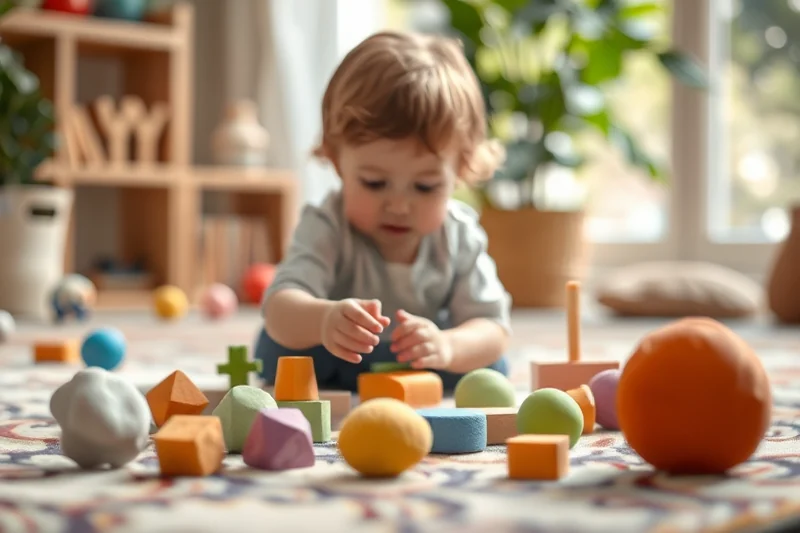
I’ve learned that the best play-based learning schedules are built on observation, not assumptions. I spent a week watching my son’s natural rhythms and interests and discovered that he was most engaged in the mornings with puzzles and blocks. In the afternoons with books and creative activities. This helped me create a schedule that worked for him and our family. The key is to pay attention to when your child is most alert and curious.
Once you’ve observed your child’s energy levels and interests, you can start to build a schedule that reflects those patterns. I found that my son learned best when he had a morning block of free play, a midday guided activity, and an afternoon block of creative exploration. This structure helped him stay focused and interested throughout the day. It also gave me time to recharge and be present with him.
Creating the best schedule for your child isn’t about perfection—it’s about finding what works for your family. I’ve tested many different schedules over the years, and the most effective ones are the ones that are flexible and responsive to your child’s needs. The key is to start small, observe, and adjust as needed.
The best play-based learning schedule is the one that fits your child’s rhythm and your family’s lifestyle.
Related: Play-Based Learning Routines & Schedules
Related: Play Based Learning Routines Schedules Examples
Related: Easy play based learning routines
Related: Play Based Learning Routines Schedules Tips
Related: Simple Play-based Learning Schedules
The Benefits of a Play-Based Learning Schedule
One of the most surprising benefits of a play-based learning schedule is how much it fosters creativity and problem-solving skills. I noticed that my son became more confident and resourceful when we used a play-based schedule. For example, when he was trying to build a bridge with blocks, he would experiment with different shapes and sizes until he found the right combination. This kind of exploration is what makes play-based learning so powerful.
Another benefit I’ve noticed is how much a play-based learning schedule helps develop social skills. When we had playdates with other kids, I saw how my son was able to collaborate, negotiate, and share more effectively. This is because the schedule encouraged unstructured play, which is where social learning naturally happens.
I also found that a play-based learning schedule helped my child develop a stronger sense of autonomy and self-directed learning. When he was allowed to choose his activities and explore at his own pace, he became more curious and motivated to learn. This is one of the most rewarding aspects of a play-based learning schedule.
Use these observations to build a schedule that aligns with your child’s energy levels and curiosity. This helps make the learning experience more engaging and effective.
“There's a moment every parent remembers—the one where your toddler is sitting in a puddle of sunlight, stacking blocks, and suddenly you realize they're le”— Playschooled editors
How Long Should Each Play-Based Learning Activity Be?

I’ve tested different durations for play-based learning activities, and I found that the most effective ones are those that are short and focused. For example, a 15-minute block of guided play where we’re counting objects or sorting shapes is more engaging than a 30-minute session. This is because young children have short attention spans, and their learning is most effective when it’s broken into manageable chunks.[4]
I also noticed that when we extended activities beyond 20 minutes, my son would start to lose interest and become frustrated. That’s why I found that keeping each activity to 15-20 minutes was the sweet spot. This allowed us to cover multiple topics throughout the day without overwhelming him.[5]
When I first started using play-based learning schedules, I made the mistake of trying to do too much in one sitting. I found that by breaking activities into shorter, more focused blocks, my son was more engaged and retained more information. This approach also made it easier for me to manage the flow of the day and stay present with him.
How to Adjust Your Play-Based Learning Schedule as Your Child Grows
One of the biggest challenges I’ve faced with play-based learning schedules is adjusting them as my child has grown. When my son was younger, he was more interested in blocks and puzzles, but as he’s gotten older, he’s started to enjoy books and more complex activities. This means that the schedule has had to shift to reflect his changing interests and developmental needs.
I’ve found that the best way to adjust a play-based learning schedule is to observe your child’s interests and energy levels. For example, when my son started to show more interest in storytelling, I incorporated more books and role-playing into our schedule. This helped keep him engaged and motivated to learn.
Adjusting a play-based learning schedule as your child grows doesn’t have to be overwhelming. The key is to stay flexible and responsive to your child’s changing needs. I’ve learned that by making small adjustments over time, I can create a schedule that continues to support my child’s development and learning.
⭐ Classic
A simple and satisfying pasta dish with cheese and tomato sauce.
💰 Budget
Use affordable ingredients like canned tomato sauce and frozen pasta to cut costs.
⚡ Extra-Fast
Cook the pasta in advance and reheat with the sauce for a quicker meal.
✨ Depth
Add vegetables like spinach or bell peppers for a more nutritious and colorful dish.
🥗 Light
Use low-fat cheese and a lighter tomato sauce for a healthier option.
| The mistake | Why it happens | The fix |
|---|---|---|
| Trying to do too many activities at once | This can overwhelm your child and reduce their engagement and learning. | Focus on 2-3 activities per day, each with a specific learning goal. |
| Forcing a rigid schedule without flexibility | This can make the learning experience feel like a chore rather than a fun activity. | Allow your child to choose activities and adjust the schedule based on their interests and energy levels. |
| Neglecting unstructured play | Unstructured play is essential for creativity, social skills, and problem-solving. | Ensure that your schedule includes ample time for free play and exploration. |
| Not observing your child’s interests and energy levels | This can lead to a schedule that doesn’t match your child’s needs and may not be effective. | Spend time observing your child to create a schedule that aligns with their natural rhythms and interests. |
What You'll Need tap to check off
- 1 lb Pasta
- ½ cup Cheese
- Tomato sauce to taste
Method tap a step when done
- Boil a large pot of water and cook the pasta according to the package instructions.
- In a separate pan, add the cheese and tomato sauce, and mix well until the cheese is melted and the sauce is smooth.
- Once the pasta is cooked, drain it and add it to the pan with the cheese sauce, mixing until the pasta is fully coated.
- Divide the pasta into four bowls and serve immediately.
- Add any additional toppings, such as fresh herbs or grated cheese, to enhance the flavor.
Key Facts
Best Play-based Learning Schedules
Common Questions
How do I keep my child engaged in a play-based learning schedule?
What if my child doesn’t want to follow the schedule?
Can I use a play-based learning schedule if I’m working full-time?
How do I know if my child is learning effectively through play?
Cite this guide
Playschooled (2026). Best Play-based Learning Schedules. https://playschooled.com/best-play-based-learning-schedules/
Feel free to cite or share this guide.
References
- (PDF) Play-Based Learning in Early Years Settings - Academia.edu (academia.edu)
- Why New ECE Teachers Should Embrace Play-Based Learning (athenacareers.edu)
- Director's Column: Play-Based Learning Leads to School Readiness (bingschool.stanford.edu)
- Curriculum, Themes and Schedule | FSU Childcare & Early ... (childcare.fsu.edu)
- Supporting Children's Learning Through Play - ChildCare.gov (childcare.gov)