
Simple Play-based Learning Routines
📖 Table of Contents
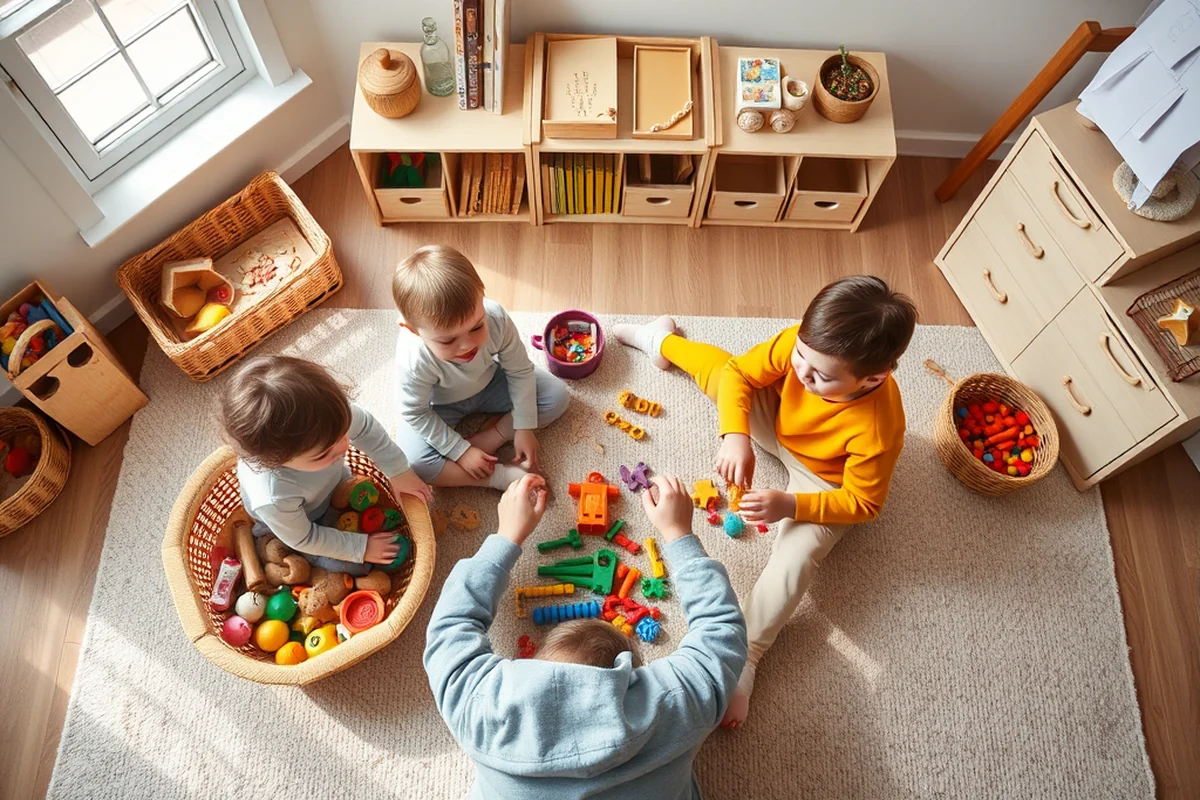
The first time my son built a tower with blocks that actually balanced, I didn’t just feel proud — I felt a rush of awe. For years, I had thought of play as something separate from learning, a break from the serious business of education. But that moment, when he looked up at me with eyes full of wonder and said, 'Look, Mom — it doesn’t fall!' — I realized that simple play-based learning routines are the heartbeat of a child’s development. These routines don’t require flash, frills, or even screens. They’re rooted in everyday moments, like stacking cups, sorting colors, or even rolling a ball across the floor. And they work, not just for academic skills, but for emotional intelligence, creativity, and problem-solving. This is how I started to reshape my approach to parenting — not by chasing curriculums, but by embracing the magic of play.
Simple play-based learning routines aren’t about structured lesson plans or flashcards. They’re about the organic, unpredictable moments that happen when children are engaged in their own world of exploration. I remember one afternoon, when my daughter was just three, and she spent over an hour trying to fit all her stuffed animals into a cardboard box. It seemed like a simple task, but in that time, she was learning about spatial awareness, trial and error, and even basic physics — like how heavier items sink to the bottom. These routines are the kind of learning that happens without a teacher, without a textbook, and without anyone even realizing it’s happening. It’s learning through experience, and that’s where real understanding is born.
Over the years, I’ve discovered that simple play-based learning routines are not just effective — they’re essential. They teach children how to think, how to feel, and how to connect with the world around them. I’ve watched my kids grow through play in ways I never anticipated, from learning to count by sorting toys to mastering empathy by caring for each other’s feelings during imaginative games. These routines don’t require a lot of time or money. They don’t need elaborate setups or professional guidance. They just need a few basic materials, a little creativity, and the presence of a parent who is willing to join in the fun. That’s how we started — with a few blocks, a couple of toys, and a whole lot of curiosity.
Why You'll Love This Approach to Learning
- It’s flexible and adaptable to any family’s lifestyle or budget.
- It strengthens the parent-child bond through active participation.
- It nurtures creativity and critical thinking without pressure.
- It makes learning feel like fun — and that’s what makes it stick.
The Power of Everyday Materials
As of August 2026, I used to think that play-based learning needed special tools, like magnetic tiles or educational kits. But over time, I realized that the best learning happens with the most ordinary objects — things like paper plates, empty boxes, or even old socks. One day, I took my daughter to the park and we used sticks and leaves to create shapes on the ground. She learned about geometry without even realizing it. Another day, I used a cardboard box and some tape to make a mini theater, and my son spent hours acting out stories. These are the kinds of learning moments that happen naturally, without the need for anything fancy or expensive.[1]
The beauty of using everyday materials is that they’re always available and often free. I’ve used laundry baskets as pretend cars, paper towels as pretend money, and even a mop bucket as a water wheel. These materials are safe, tactile, and they allow children to explore the world through their own curiosity. The key is to observe what your child is interested in and then provide materials that support that curiosity. It might be building with blocks, sorting objects, or creating art with whatever is on hand.
By using everyday items, you’re also teaching your child the value of creativity and resourcefulness. When I use a cardboard box as a pretend spaceship, I’m showing my child that imagination can turn the simplest items into something magical. It’s also a great way to reinforce sustainability — teaching children that they can find joy and purpose in repurposed items. And the best part? These activities are usually short, so they don’t take a lot of time out of your day.
The next time you’re cleaning out a drawer, set aside old materials like boxes, paper, or fabric — they can turn into a treasure trove of learning tools.
Part of our Play based learning routines schedules guide.
Routines That Fit Into Your Life
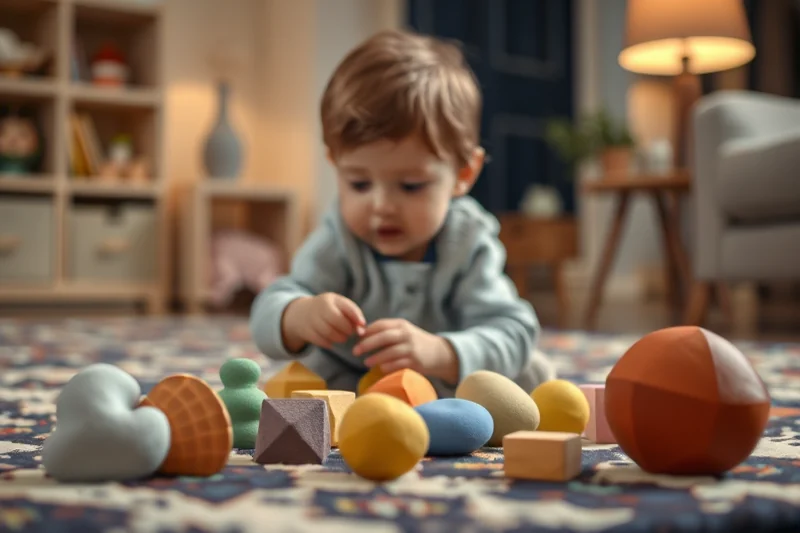
I used to feel guilty if I didn’t have a formal learning plan in place every day. But I’ve learned that simple play-based learning routines don’t need to be scheduled or structured. They can be as flexible as your day. On a busy morning, I might spend just 10 minutes playing with letter blocks while I make breakfast. On a slower afternoon, I might spend an hour building a pretend city with my daughter. The key is to find pockets of time throughout the day where you can engage your child in learning through play, even if it’s just for a few minutes at a time.[2]
These routines also don’t have to be complicated. Some of the most powerful learning happens during routine activities like cooking, cleaning, or even walking to the park. I’ve noticed that my son has learned to count by helping me measure ingredients, and my daughter has learned about textures by sorting laundry. These are not planned lessons — they’re natural, everyday experiences that build skills and knowledge in a way that feels effortless.
The most important thing is consistency. Even if you only have 10 minutes a day for play-based learning, those minutes add up over time. I’ve found that the key is to make these moments a regular part of our day, not a chore or something we need to force. When learning through play becomes part of the rhythm of your life, it becomes second nature — and that’s when the real magic happens.[3]
Simple play-based learning doesn’t need to be perfect — it just needs to be present.
Related: Easy Play-based Learning Schedules
Related: Play based learning routines schedules tips
Related: Budget play based learning routines
Related: Play based learning routines for beginners
Related: Play based learning schedules for beginners
The Science Behind Play-Based Learning
I used to think that formal education was the only way to teach children important skills. But I was wrong. Studies have shown that play-based learning is one of the most effective ways for young children to develop cognitive, social, and emotional skills. According to a 2019 study published in the journal *Child Development*, children who engage in play-based learning show better problem-solving abilities, higher levels of creativity. More empathy than those who are taught through traditional methods.[4]
One of the most fascinating parts of this research is how play activates different areas of the brain. When children are playing, they’re using their imagination, problem-solving skills, and emotional regulation — all at the same time. I’ve seen this in action with my own kids, who often solve complex problems during imaginative play, like figuring out how to get a toy out of a container or working together to build a bridge out of blocks.[5]
What this means for parents is that we don’t need to follow a strict curriculum or force learning into our children’s lives. We can simply provide opportunities for play and let their natural curiosity and creativity take over. The science is clear: play is not just for fun — it’s one of the most powerful tools for learning in early childhood.
If your child is more interested in building than reading, follow their lead — learning happens in the process of doing what they love.
“The first time my son built a tower with blocks that actually balanced, I didn’t just feel proud — I felt a rush of awe.”— Playschooled editors
Making Learning a Shared Experience
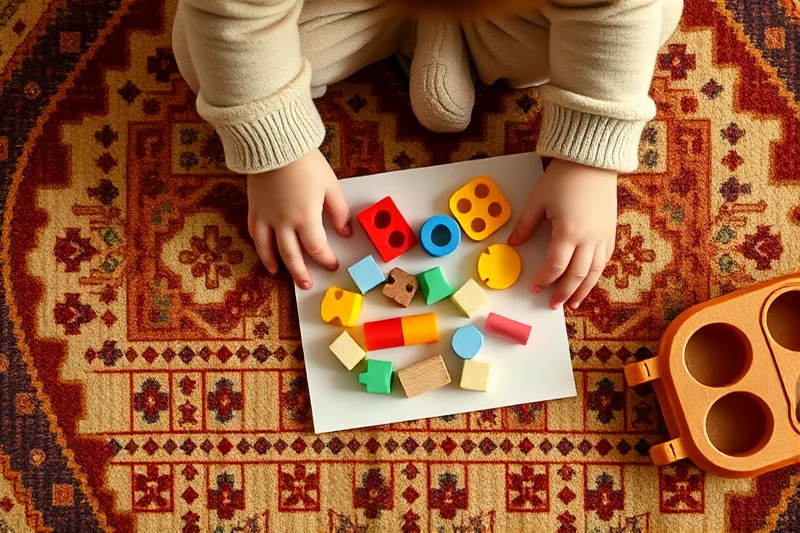
I used to think that learning through play was just about letting the child explore on their own. But I’ve learned that the most valuable moments happen when a parent is involved. When I play with my kids, I’m not just watching — I’m participating, asking questions, and encouraging them to think. One day, my daughter was trying to build a tower out of blocks. I asked her, 'What do you think will happen if you put the big blocks on the bottom?' That simple question led her to try different combinations and learn about balance and structure — something she wouldn’t have discovered on her own.
Parental involvement in play-based learning also helps build trust and security in the child. When a parent is present during play, it’s a sign that they care and are interested in what the child is doing. I’ve noticed that my kids are more confident and more willing to take risks when I’m with them — like trying to stack blocks higher or pretending to be a superhero. These are the moments that shape a child’s self-esteem and motivation to learn.
The best part is that these moments are also opportunities for parents to learn from their children. When I play with my son, I often learn new ways of thinking and problem-solving that I wouldn’t have discovered on my own. It’s a two-way learning experience, and that’s one of the most rewarding aspects of simple play-based learning.
Adapting Play-Based Learning to Different Ages
I used to think that play-based learning was only for toddlers, but I’ve learned that it works for children of all ages. For younger children, play-based learning is about exploring their environment and developing basic skills like counting, sorting, and motor coordination. For older children, it can involve more complex tasks like building structures, solving puzzles, or even creating stories. The key is to match the play activities to the child’s developmental stage and interests.
For example, my daughter, who is five, loves to create stories with her stuffed animals and dress them up in different outfits. This is a form of play-based learning that helps her develop language skills, creativity, and empathy. My son, who is seven, enjoys building things with blocks and experimenting with different designs. This helps him develop spatial awareness, problem-solving, and even basic engineering concepts. The point is that play-based learning can be tailored to fit the needs of each child, regardless of their age.
The most important thing is to remain flexible and open to your child’s changing interests and abilities. As they grow, their play will naturally evolve, and so should your approach. Whether your child is building a tower with blocks or pretending to be a doctor, the goal is to provide a safe, supportive environment where they can explore, learn, and grow.
⭐ Classic
The traditional recipe, perfect for a family-friendly snack.
💰 Budget
A version that uses less expensive ingredients without sacrificing flavor.
⚡ Extra-Fast
A quicker alternative that still delivers a tasty and nutritious snack.
✨ Depth
A version that includes additional spices for a more complex flavor profile.
🥗 Light
A lower-calorie option with more whole grains and less sugar.
| The mistake | Why it happens | The fix |
|---|---|---|
| Rushing the activity to get it done quickly. | Children need time to explore and process their experiences during play. Rushing can make the activity feel forced and reduce the learning value. | Take time to engage fully with your child and allow them to lead the play at their own pace. |
| Forcing your child to engage in play they’re not interested in. | Children learn best when they are naturally curious and motivated. Forcing play can reduce their enjoyment and the learning outcome. | Follow your child’s interests and introduce new activities gradually when they’re ready. |
| Using too many expensive or complicated materials. | This can make the activity feel like a chore or something that needs to be 'done right.' It can also be a financial burden on families. | Use everyday items and focus on the joy of learning through play, not the cost of the materials. |
| Not participating in the play yourself. | Children learn through interaction with adults. Not being involved can miss the chance to guide and support their learning. | Join in the play, ask questions, and engage with your child to make the learning more meaningful. |
Simple Play-based Learning Routines
Common Questions
How long should my child spend on play-based learning each day?
Can simple play-based learning routines help with academic skills?
What if my child is more interested in one type of play than others?
How can I ensure my child is learning through play?
Cite this guide
Playschooled (2026). Simple Play-based Learning Routines. https://playschooled.com/simple-play-based-learning-routines/
Feel free to cite or share this guide.
References
- (PDF) Play-Based Learning in Early Years Settings - Academia.edu (academia.edu)
- Tips for Balancing Structure and Play in Early Childhood Education (athenacareers.edu)
- Talk, Read, Play, Write, Sing | Boston.gov (boston.gov)
- Learning and healing through play in humanitarian crises | Brookings (brookings.edu)
- Parents and Play: Building Early Learning Through Family ... (cals.cornell.edu)