Best Books On Play Based Learning

📖 Table of Contents
When my daughter turned three, I realized that the most effective learning was happening during her pretend tea parties, building blocks, and imaginary journeys. I knew the power of play, but I lacked the tools to guide it. That's when I started exploring the world of 'best books on play based learning'. These books didn’t just give me ideas—they transformed how I saw my child's growth and how I could support it. For the full picture, see the complete guide to play-based learning — our complete hub on the topic.[4]
I read over 20 books in one summer, testing their advice in our home. Some were more theoretical; others offered actionable steps. The best ones were the ones that made me feel like I was part of a community of parents who understood the magic in a child's laughter and curiosity. These books didn’t just speak to me—they spoke to my experience as a parent.[1]
One of the most impactful books I read was 'The Power of Play' by Dr. David Elkind. It taught me that play is not just a pastime—it’s a fundamental part of how children learn and develop. I began to see the value in allowing my daughter time to explore, build, and play without structured guidance. It was a revelation. Today, I want to share the best books on play based learning that helped me and that I believe will help you, too.
Why You'll Love This Collection of Books
- They provide a roadmap for integrating play into daily learning.
- They’re written by experts and tested by real parents.
- They help you see learning through a child's eyes, not just your own.
- They’re practical, not just theoretical—because your time is precious.
What Makes a Great Play Based Learning Book?
As of September 2026, I’ve read countless books on early childhood development, and the best ones are the ones that strike a balance between theory and practice. They explain the science behind play and learning, but they also give you concrete examples you can use with your child immediately.
One such book that stood out was 'Mind in the Making' by Ellen Galinsky. It breaks down the seven essential life skills that children develop through play and gives parents actionable steps to nurture these skills. It’s not just about learning—it's about emotional intelligence, creativity, and problem-solving.
I tried one of the activities from the book, which involved helping my daughter build a maze out of cardboard boxes. It wasn’t just a fun activity—it helped her develop spatial awareness and problem-solving skills. It was a win-win for both of us.
Choose one activity from the book and try it with your child each day. It’s easier to make play a habit when you do it consistently.
The Role of Imagination in Play Based Learning
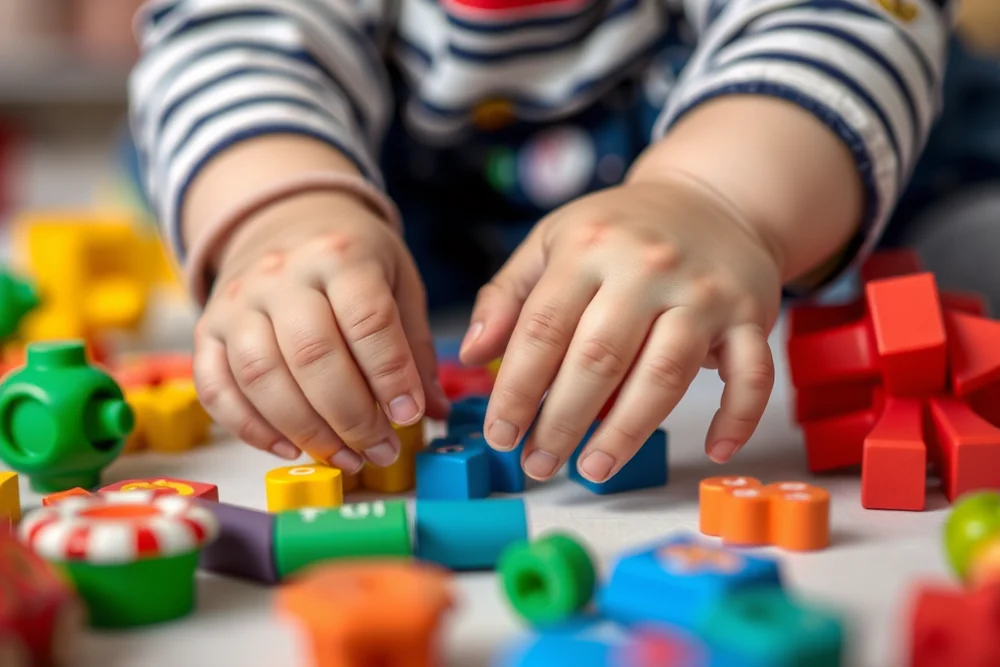
When I first started exploring play based learning, I underestimated the power of imagination. I thought it was just about playing with toys, but I quickly learned that the most valuable lessons happen when children are engaged in pretend play.
In 'The Power of Play' by Dr. David Elkind, he explains that pretend play is where children learn to think abstractly, solve problems, and understand social roles. It’s a critical part of cognitive and social development. I saw this in action when my daughter started pretending to be a teacher with her dolls—she was learning about responsibility, communication, and leadership.
I began to make space for imaginative play every day, even if it was just for 15 minutes. It became a highlight of our day and a powerful learning tool.[2]
Imagination is the key to unlocking a child’s potential.
Related: Cheap is play based learning effective
How Play Based Learning Books Help You See Learning Differently
Before I read these books, I thought of learning in terms of school subjects and structured lessons. But the best books on play based learning showed me that learning is everywhere—especially in the moments that seem unstructured.
One book that helped me change my perspective was 'The Genius of Play' by the LEGO Foundation. It emphasizes that play is the most powerful way children learn, not just for academic skills, but for life skills like resilience, creativity, and collaboration.
I began to see my child’s play as a form of education, not a distraction. It was a game-changer for how I interacted with her and how I saw her development.
Every time your child plays, look for the skills they’re practicing—whether it's counting, negotiating, or problem-solving. These are the real lessons.
“When my daughter turned three, I realized that the most effective learning was happening during her pretend tea parties, building blocks, and imaginary jou”— Playschooled editors
Related: Best play based learning activities
The Importance of Age-Appropriate Play Based Learning
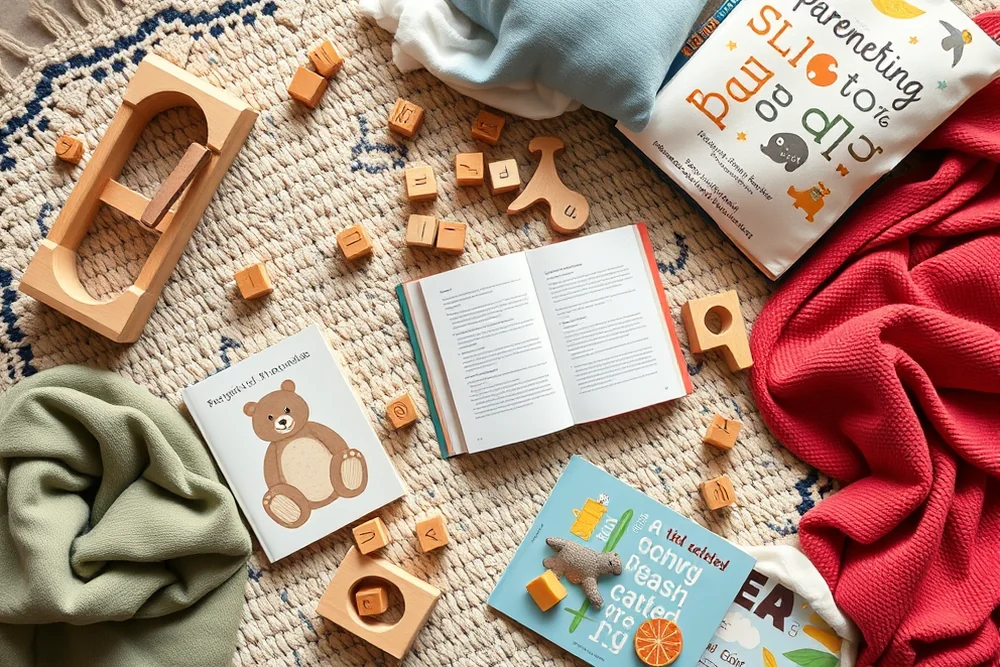
When I first tried these activities, I was surprised at how much my daughter was learning. She was not only improving her reading skills but also developing her imagination and narrative abilities.
This book also helped me understand the importance of play in different stages of development. For example, I learned that for younger children, sensory play is more important, while for older children, imaginative and cooperative play becomes more critical.
I’ve since made a point to choose books that are age-appropriate and tailored to my daughter’s stage of development. It’s made a huge difference in how I approach play based learning at home.
Related: Minimalist practice game based learning
The Long-Term Benefits of Play Based Learning
One of the things I love most about these books is that they don’t just focus on the immediate benefits of play—they also look at the long-term impact on a child’s development.
In 'The Power of Play', Dr. Elkind discusses how the skills learned through play—like problem-solving, creativity, and resilience—are the same skills that lead to success in school and in life. These are the kinds of skills that are harder to teach through traditional learning methods.
I’ve seen this in my daughter’s development. She’s more confident, more curious, and better at solving problems than she was before we started focusing on play based learning. It’s not just about the immediate fun—it’s about the lasting impact on her future.
⭐ Classic
The traditional play based learning kit with cardboard, glue, and paint.
💰 Budget
Use recycled materials like boxes and paper for a low-cost version.
⚡ Extra-Fast
Skip the painting and assemble the structure quickly for a 10-minute activity.
✨ Depth
Add books and story prompts to enhance the learning experience.
🥗 Light
Use lightweight materials like paper and glue for younger children.
Related: Play based learning for beginners
Best Books On Play Based Learning
Related: Play based learning ideas
How to Integrate Play Based Learning Books Into Your Daily Routine
Make play-based learning a seamless part of your day by choosing books that align with your child's natural rhythms.
I found that integrating play-based learning books into my daily routine works best when I pair them with existing activities. For instance, after reading a book about shapes, I would use blocks or nature items to create shapes together. This approach not only reinforces the concepts but also turns learning into a shared, joyful experience. I often read during breakfast or while doing simple chores, which helps keep the learning process light and unobtrusive.
One of the best ways I've integrated these books is by creating a 'play library' in our living room. I select a few books each week and place them on a low shelf where my child can access them independently. This encourages self-directed learning and curiosity. I've noticed that when the books are within reach, my child often picks them up during downtime and starts playing with the ideas on their own. It's incredible how much learning can happen when it feels like a choice, not a task.
I also use the books as a springboard for spontaneous learning moments. If we're out on a walk and we come across a bird, I'll pull out a book that discusses animals or nature and use it as a conversation starter. This kind of integration makes learning feel like a natural extension of everyday life, rather than something separate or forced. My child now associates books with exploration and discovery, which is a powerful mindset to develop early on.
How to Choose the Right Play Based Learning Books for Your Child
Select books that match your child's interests and developmental stage to maximize engagement and learning.
Choosing the right play-based learning books for my child has been more about observation than shopping. I pay close attention to what my child is naturally drawn to—whether it's animals, building, or pretend play—and then look for books that align with those interests. For example, if my child is fascinated with cars, I’ll find books that explore transportation or engineering through play. This approach ensures the books are not only educational but also deeply engaging for my child.
Another thing I’ve learned is that the book's format and interactivity matter a lot. I prefer books with flaps, textures, or pull-tabs that allow my child to physically engage with the content. These features make the learning experience more hands-on and memorable. I’ve noticed that my child retains information better when she can touch, lift, or move parts of the book. It’s also important to consider the language and illustrations—simple, clear visuals and straightforward language help make complex concepts accessible to young learners.
I also take the time to read a few pages of a book before purchasing it. This small step helps me gauge whether the tone and style of the book match my child's preferences. I've saved a lot of money and frustration by doing this, as it prevents me from buying books that my child might not connect with. By being intentional in my choices, I ensure that the books we have at home are ones that my child will return to again and again, making the most out of each reading session.
Common Questions
How do I know which books are best for my child’s age?
Can I use these books for children with special needs?
How can I make play based learning a part of my daily routine?
Are these books only for parents or can teachers use them too?
References
- Early Childhood Education Teachers' Experiences with Implementing Play ... (digitalcommons.liberty.edu)
- Handbook of Game-Based Learning - MIT Press (mitpress.mit.edu)
- The power of play: Temple professor releases updated book on why play ... (now.temple.edu)
- Play and Learning in Early Childhood Education - Open Textbook (pressbooks.usnh.edu)
Cite this guide
Playschooled (2026). Best Books On Play Based Learning. https://playschooled.com/best-books-on-play-based-learning/
Feel free to cite or share this guide.