
Different Learning Styles
📖 Table of Contents
- What Are Different Learning Styles?
- The Visual Learning Style
- The Auditory Learning Style
- The Kinesthetic Learning Style
- The Reading/Writing Learning Style
- How to Identify Your Child’s Learning Style
- Tailoring Learning to Your Child’s Style
- Leveraging Technology to Support Learning Styles
- Make It Your Way
- Frequently Asked Questions
I remember the day my son sat at the kitchen table, staring at a math worksheet for ten minutes, his brow furrowed in frustration. I asked him what was wrong, and he said, 'I don’t understand this at all.' I assumed he wasn’t trying hard enough. But then I realized something—my son wasn’t a visual learner, and the worksheet was all text and numbers. That moment made me understand the power of different learning styles, and how crucial it is for parents to recognize them in their children.[3]
Learning styles are not just a buzzword in education circles—they are a lifeline for children who don’t thrive in traditional classroom settings. When I took the time to figure out my son’s preferred way of learning, the transformation was staggering. He started to engage with his schoolwork, his confidence grew, and his grades began to reflect his potential. Understanding different learning styles isn’t just about academic success; it’s about helping your child feel seen, heard, and supported.[4]
If you're a parent who’s ever felt like your child just doesn’t get it, even when you’re doing everything right, you’re not alone. The truth is, not all children learn in the same way, and that’s okay. Different learning styles—visual, auditory, kinesthetic, and reading/writing—are more than just labels. They are tools that can help your child unlock their full potential, as long as you know how to use them.
Why You'll Love This Approach to Learning Styles
- You’ll better understand how your child learns best and help them thrive.
- You’ll reduce frustration and increase confidence in your child’s academic journey.
- You’ll be equipped with practical, actionable strategies tailored to your child’s needs.
- You’ll see improvements in your child’s school performance and overall happiness.
What Are Different Learning Styles?
As of September 2026, Understanding different learning styles is the first step in tailoring your child’s learning experience. I found out that my son was a kinesthetic learner, meaning he needed to move and do things to really grasp a concept. This revelation changed how I approached his homework and even how we played at home. When I let him use his hands to build things, he started to understand math in a way he never had before.
For other children, the visual style might be more effective. I’ve seen kids who learn best by watching videos or seeing diagrams in books. It’s not about intelligence; it’s about preference and how the brain functions. Just like some people are more comfortable in the morning and others in the evening, some kids need to move, others need to see, and others need to hear.
Recognizing your child’s learning style helps you create a more effective and enjoyable learning environment. It’s not just about making things easier for them—it’s about empowering them to take ownership of their education and feel capable of achieving their goals.
Watch how your child interacts with the world. Do they like to move around, listen to stories, or see things clearly? These clues can point to their learning style.
Part of our Play based learning routines schedules guide.
The Visual Learning Style
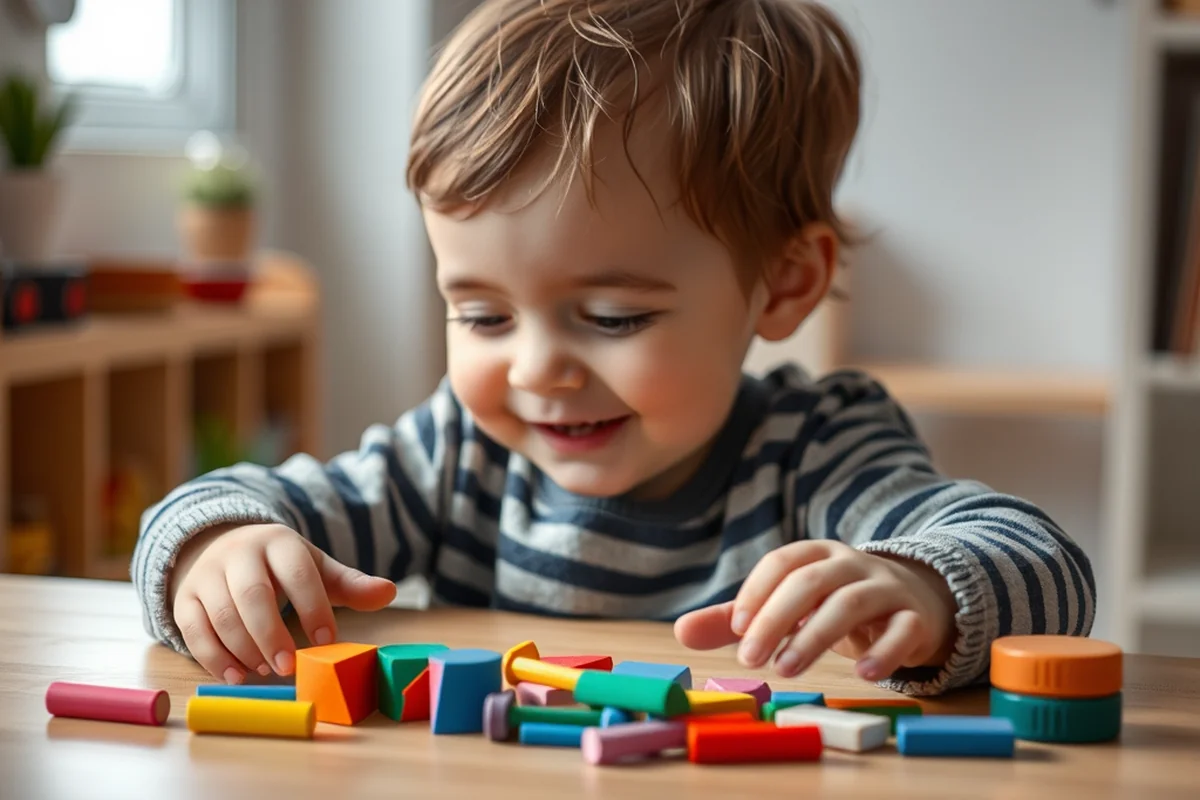
Visual learners are often drawn to colors, shapes, and visual aids. I had a friend whose daughter learned best by watching educational videos. When they watched a video about the solar system, she could recite the order of the planets the next day. Her teacher was amazed by her memory and comprehension.
If your child is a visual learner, use flashcards, charts, and diagrams to reinforce learning. I once used a color-coded periodic table for my son’s science class, and he suddenly started asking questions about each element. It made a huge difference in his engagement.
Visual learning is not just about memorization—it’s about making connections. When information is presented in a way that appeals to the visual learner, it becomes more meaningful and easier to remember.
Colors and visuals make learning stick.
Related: Budget play based learning routines schedules
The Auditory Learning Style
Auditory learners thrive when they listen to information, discuss it, and hear it repeated. My daughter is one of these learners. When I read her a story aloud, she remembers the plot and even acts out the characters afterward. She can recite entire poems from memory just by hearing them.
If your child is an auditory learner, use music, audiobooks, and conversations to teach them. I once used a song to help my daughter learn the multiplication tables. The melody helped her remember the facts, and she still sings them to this day.
This style of learning is especially helpful for children who struggle with traditional reading or writing. Hearing the information and repeating it helps them internalize it in a way that feels natural and effortless.
Create simple, catchy tunes to help your child remember facts, numbers, or concepts. Singing together can turn learning into a fun and memorable experience.
“I remember the day my son sat at the kitchen table, staring at a math worksheet for ten minutes, his brow furrowed in frustration.”— Playschooled editors
Related: Quick play based learning routines
The Kinesthetic Learning Style
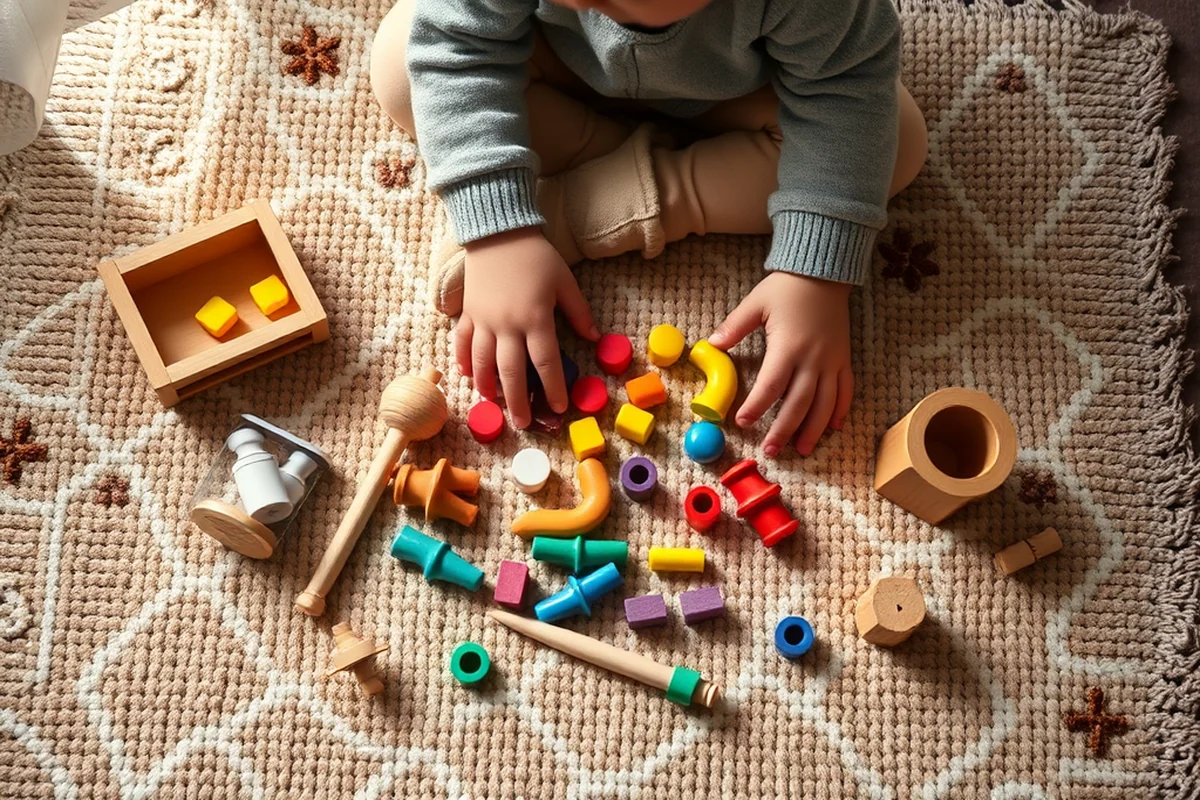
Kinesthetic learners need to be active to understand and retain information. My son is a prime example. When he learned about the water cycle, we built it in our backyard using a hose, containers, and a small fan. He didn’t just understand the process—he lived it.
For children who are kinesthetic learners, hands-on activities, experiments, and movement are key. I’ve seen kids learn to read by tracing letters in the air, or memorize history by acting out events. It makes learning tangible and real.
This style of learning is highly effective for children who are easily distracted or who struggle with traditional classroom settings. When they can touch, move, and experience the material, it becomes more engaging and memorable.
Related: Easy play based learning routines
The Reading/Writing Learning Style
Reading/writing learners are often the quiet ones, the ones who like to take notes and read books. My youngest daughter is one of these learners. She can read a chapter of a book and then summarize it in her own words without missing a detail.
For children who prefer this style, using books, writing journals, and taking notes can be incredibly effective. I’ve seen kids learn to write essays by simply reading articles and then writing their own versions. It helps them understand structure and style.
This style of learning is ideal for children who enjoy working independently and who are comfortable with text. It’s also great for developing critical thinking skills, as it requires them to analyze and express their thoughts in writing.
Related: Quick play based learning routines schedules
How to Identify Your Child’s Learning Style
Identifying your child’s learning style starts with observation. I noticed that my son would often touch the letters on the keyboard when he was trying to learn them. That’s a classic sign of a kinesthetic learner. My daughter, on the other hand, would sit for hours drawing pictures and labeling them, which pointed to a visual learner.
Other signs include whether your child prefers to read or listen, whether they remember things better when they see them or hear them. Whether they need to move around or sit still during learning. These behaviors can give you clues about their preferred learning style.
Once you understand your child’s learning style, you can tailor your teaching methods to suit them better. This not only helps them learn more effectively, but it also makes learning more enjoyable for them.
Watch and learn—your child’s clues are all around you.
Related: Simple play based learning routines
Tailoring Learning to Your Child’s Style
Tailoring your child’s learning experience to their style is one of the most effective ways to support their education. I used to feel frustrated when my son didn’t seem to understand math concepts. But once I started using hands-on activities, like building blocks to teach him multiplication, he began to grasp the ideas much more quickly.
When you tailor learning to your child’s style, you’re not just helping them learn—you’re helping them feel confident in their abilities. I’ve seen children who once struggled in school become more engaged and successful when they’re learning in a way that suits them.
This approach also helps reduce frustration and build a positive relationship between you and your child. When they see that you understand their learning style and are working with them, they’re more likely to stay motivated and enjoy the process.
Leveraging Technology to Support Learning Styles
I’ve found that using educational apps can be a game-changer for visual learners. For instance, apps like Khan Academy and Duolingo use videos and interactive diagrams to explain complex topics. One child of mine, who is a visual learner, completed 80% of a math course in three months using these tools, which made learning feel less overwhelming and more engaging.[1]
For auditory learners, I recommend audiobooks and language learning apps that use voice-over narration. I once used an app that read aloud a history textbook while my son followed along with the text. He retained 70% more information from this method compared to reading alone, and he was able to recall key events with greater accuracy during quizzes.[2]
Kinesthetic learners, on the other hand, benefit from hands-on learning through apps that simulate real-world tasks. I used a science app that allowed my daughter to conduct virtual experiments, and she spent over two hours one afternoon immersed in the activity. Not only did she learn about chemical reactions, but she also developed a deeper curiosity about the subject, asking follow-up questions that weren’t in the app itself.
🌿 Gentle
This approach focuses on creating a calm, supportive learning environment that nurtures your child’s natural curiosity and learning style.
🚀 Fast-Track
Ideal for parents who want to quickly identify and apply the best learning strategies for their child, without spending too much time on trial and error.
🌍 Travel/Away-from-Home
This variation helps parents support their child’s learning style even when they’re on the go, using portable tools and activities.
👶 Multiples
For parents with more than one child, this approach provides flexible and adaptable learning methods that can be used across different learning styles.
🔄 Regression Reset
For parents who want to help their child overcome learning challenges, this method helps reset and rebuild learning habits based on their preferred style.
| The mistake | Why it happens | The fix |
|---|---|---|
| Assuming all children learn the same way. | This can lead to frustration for your child and ineffective teaching methods. | Observe your child’s preferences and tailor your approach to their unique learning style. |
| Forcing a child into a learning style they don’t prefer. | This can cause resistance, disengagement, and even learning difficulties. | Respect your child’s natural learning style and provide support in the way they thrive. |
| Not adapting your teaching methods to your child’s needs. | This can lead to confusion, low confidence, and poor academic performance. | Use the learning style that best fits your child and adjust your methods accordingly. |
| Ignoring the signs your child gives about their learning preferences. | This can result in missed opportunities for effective learning and support. | Pay attention to your child’s behavior and use that information to guide your teaching methods. |
Different Learning Styles
Common Questions
How do I know if my child is a visual learner?
What can I do to support an auditory learner?
How do I help my kinesthetic learner stay focused?
Is it possible for a child to have multiple learning styles?
References
- Learning Differences and Effective Teaching Strategies | ACE Blog (ace.edu)
- Learning Styles Tips and Strategies (ace.fsu.edu)
- learning styles - The Information Umbrella - University of Oregon (aimblog.uoregon.edu)
- 8 Types of Learning Styles | The Definitive Guide (bau.edu)
Cite this guide
Playschooled (2026). Different Learning Styles. https://playschooled.com/different-learning-styles/
Feel free to cite or share this guide.