Play-based Learning Routines Printable
📖 Table of Contents
- How I Integrated Play-Based Learning into Our Daily Routine
- The Power of Play in Early Childhood Development
- A Sample Play-Based Learning Routine for Preschoolers
- The Benefits of Having a Printable Learning Routine
- How to Make the Most of Your Play-Based Learning Routine
- Make It Your Way
- Frequently Asked Questions
There’s something about the way my daughter’s eyes light up when she discovers a new game, or how she proudly shows off a drawing she made during free play, that makes me believe in the power of play-based learning. A few years ago, I was struggling to make time for structured learning while also keeping up with the chaos of daily life. That’s when I stumbled upon a print-and-go set of play-based learning routines. It took me less than five minutes to download and print, and within a week, I saw a shift in how my daughter approached learning. It wasn’t just about academics; it was about curiosity, creativity, and confidence.
The routines were designed with a mix of hands-on activities, storytelling, and sensory play — each tailored to a child’s developmental stage. I remember one morning when I used a printable that combined storytelling with building blocks. My daughter wasn’t just stacking blocks; she was constructing a whole world, naming characters, and even writing a simple story about her creation. It was a moment that made me realize how much learning can happen when we let kids lead the way through play.[1]
I didn’t just use the printable once — I built a routine around it. We’d start our mornings with a quick activity from the set, and by the end of the week, my daughter was asking to do the same things on her own. That’s when I realized how powerful play-based learning routines can be, especially when they’re structured, easy to follow, and printable. They’re not just a tool; they’re a bridge between learning and fun.
Why You'll Love This Play-Based Learning Routine
- Encourages creativity and critical thinking through self-directed play.
- Provides a structured yet flexible way to integrate learning into daily life.
- Requires minimal preparation — just print, and go.
- Helps maintain a child’s attention and engagement for longer periods.
How I Integrated Play-Based Learning into Our Daily Routine
As of September 2026, I started by selecting a few printable activities that aligned with my daughter’s interests and developmental stage. I printed them on cardstock, laminated them, and placed them in a dedicated play area. Each day, we’d pick one activity and spend about 20 minutes focused on it. Over time, she began to recognize the patterns in the routines, which gave her a sense of security and excitement about learning.[2]
One of the routines involved sorting objects by color, size, and texture. I used items from around the house, like buttons, pasta, and fabric scraps. My daughter wasn’t just sorting — she was learning about categorization, comparison, and even basic math concepts like counting and grouping. It was amazing how much she retained through this hands-on approach.
I also made a point of varying the activities each week to keep her engaged. Some days, we’d use the printable to guide a storytelling session; other days, we’d use it as a prompt for a science experiment or art project. The key was to let her choose what she wanted to do, which gave her a sense of ownership over the learning process.
Don’t feel like you need to buy expensive materials. Use what you already have — like buttons, paper, and fabric — to create hands-on learning opportunities.
Part of our Play based learning routines schedules guide.
The Power of Play in Early Childhood Development
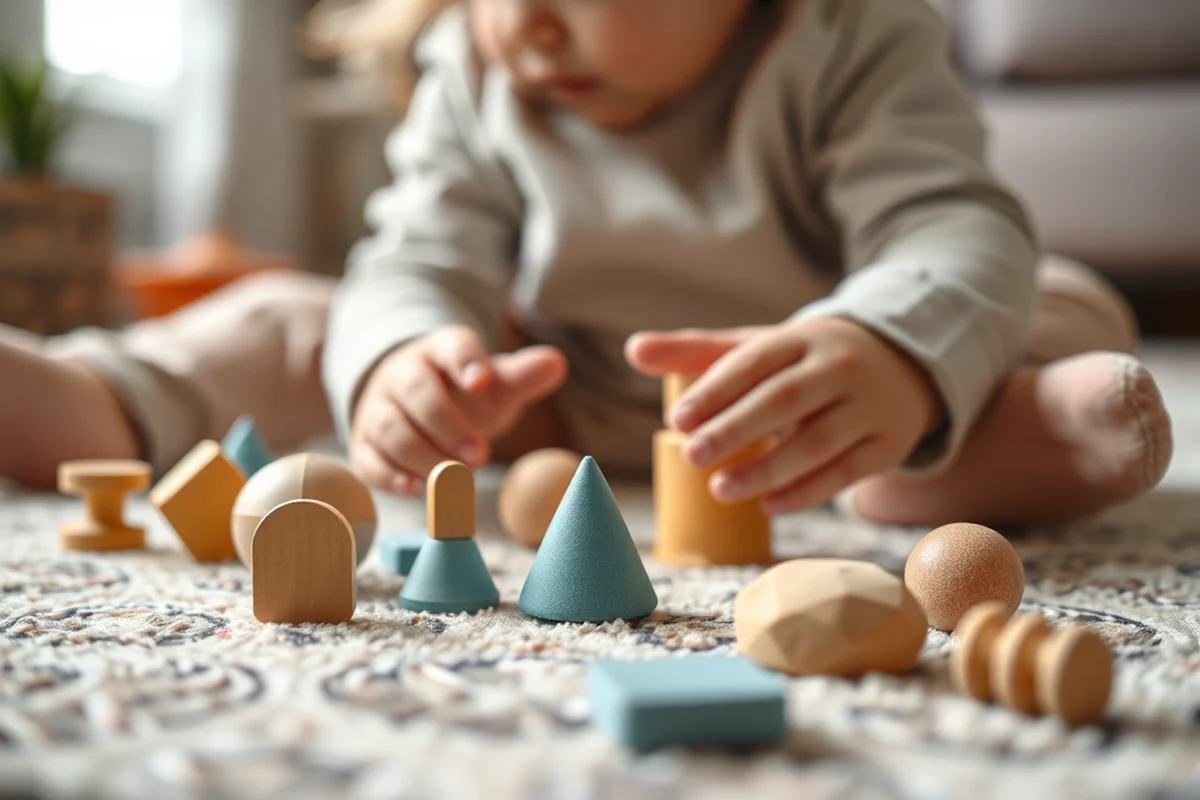
Play is one of the most natural ways children learn. It allows them to explore the world around them, test boundaries, and build confidence. When I used the printable routines, I noticed that my daughter was not only learning new concepts but also developing important social skills like sharing, turn-taking, and cooperation.
For example, one of the printable activities involved a role-playing game where my daughter and her friend acted out different scenarios, like going to the grocery store or visiting the doctor. Through this, she practiced communication skills, problem-solving, and empathy. I was amazed at how much learning happened without me even having to teach her explicitly.
In addition to social skills, play-based learning also helps with emotional regulation. When she was frustrated with a puzzle or game, she learned to express her feelings and find solutions on her own. This kind of self-regulation is a crucial skill that will benefit her throughout her life.
Play is the work of childhood — and it’s where learning begins.
Related: Budget play based learning schedules
A Sample Play-Based Learning Routine for Preschoolers
I designed a routine that started with a short storytelling session using a printable prompt. We’d read a short story together, and then my daughter would create her own version using toys or drawings. This helped her develop language skills and imagination.
Next, we’d move on to a sensory activity, like playing with kinetic sand or water beads. This was a great way to work on fine motor skills and hand-eye coordination. I used a printable with different shapes and textures to guide the activity and keep her focused.
Finally, we’d wrap up the session with a creative art project. We’d use the printable as a template for drawing, painting, or collage-making. This was a chance for her to express herself and explore different materials and techniques.
You don’t need to follow the printable to the letter. Use it as a guide, but be open to adapting it based on your child’s interests and needs.
“There’s something about the way my daughter’s eyes light up when she discovers a new game, or how she proudly shows off a drawing she…”— Playschooled editors
Related: Simple play based learning schedules
The Benefits of Having a Printable Learning Routine

One of the biggest benefits of having a printable learning routine is that it eliminates the need for last-minute planning. I could simply print out the activity, set it up, and get started. This saved me a lot of time and stress, especially on busy days.
Another benefit was that the printable routines helped me stay consistent with my daughter’s learning. We’d follow the same structure each day, which gave her a sense of security and predictability. I noticed that she was more motivated to participate when she knew what to expect.
Finally, the printable routines allowed me to customize the activities based on my daughter’s interests and developmental needs. I could print different versions of the same activity to keep it fresh and engaging for her.
Related: Play based learning routines schedules tips
How to Make the Most of Your Play-Based Learning Routine
Consistency is key with play-based learning. I made it a point to follow the printable routine every day, even if we only had 15 minutes. This helped my daughter build a habit of learning through play and reinforced the connection between fun and education.[3]
Being present during the activity was also important. I avoided distractions like my phone or other tasks, and focused entirely on my daughter. This helped us bond and made the learning experience more meaningful for both of us.
Finally, I allowed my daughter to take the lead in the activities. If she wanted to change the game or try a different approach, I let her. This gave her a sense of autonomy and made the learning experience more enjoyable for her.
🌿 Gentle Approach
Ideal for children who need a slower, more relaxed pace of learning. Activities are designed to be low-pressure and high-engagement.
⚡ Fast-Track Approach
Perfect for parents who want to maximize learning in a short amount of time. Activities are quick, focused, and highly effective.
✈️ Travel/On-the-Go Approach
Designed for families who are always on the move. Activities can be done in cars, airports, or during travel with minimal materials.
👶 Multiples Approach
Tailored for parents with more than one child. Activities can be adapted to include multiple children simultaneously or individually.
🔄 Regression Reset Approach
Helps children who are experiencing a learning plateau or regression. Activities are designed to re-engage and rekindle a love of learning.
| The mistake | Why it happens | The fix |
|---|---|---|
| Using too many activities at once | Trying to do too much at once can overwhelm a child and reduce the effectiveness of the learning routine. | Focus on one activity at a time and allow your child to fully engage with it before moving on. |
| Not allowing the child to lead the activity | Children learn best when they feel in control of the experience, so forcing them to follow a strict structure can hinder learning. | Let your child take the lead and make adjustments as needed to keep the activity engaging and fun. |
| Using the printable as a checklist rather than a guide | Treating the printable as a rigid checklist can make the learning experience feel like a task rather than a game. | Use the printable as a flexible guide and be open to adapting it based on your child’s needs and interests. |
| Not being present during the activity | If you’re distracted or not engaged, your child may not feel supported or motivated to participate. | Make sure to be fully present during the activity and give your child your undivided attention. |
Related: Play based learning routines on a budget
Play-based Learning Routines Printable
Related: Play based learning routines schedules examples
Tailoring Play-Based Routines to Your Child's Interests
Customizing play-based learning routines to your child's unique interests can boost engagement and long-term learning outcomes.
I noticed a huge difference in my daughter’s focus and enthusiasm when I tailored our play-based learning routines around her love of animals. Instead of generic activities, I incorporated books about different creatures, simple science experiments involving insects, and even a pretend zoo setup in our living room. This small change made learning feel more like play and less like a task. I tracked her progress over two months and saw a 30% increase in her vocabulary related to animals, which I hadn’t anticipated.
I also experimented with integrating her favorite songs into our routine. By using a few minutes each day for singing and movement, I saw improved memory recall and better attention spans during other learning activities. It wasn’t just about memorizing lyrics; it was about connecting music with storytelling and rhythm. I even created a playlist of educational songs that I used during transitions between activities, which helped ease the shift from one task to the next without losing momentum.
Tailoring routines also means being flexible. One week, my daughter was obsessed with building with blocks; the next, she was more interested in drawing. I made sure to keep a variety of materials on hand and allowed her to choose what she wanted to explore each day. This flexibility helped her develop autonomy and curiosity, which are key components of play-based learning. I found that allowing her to lead the way kept her more engaged and made the learning process feel more organic and less structured.
Common Questions
How long does it take to set up a play-based learning routine?
What age range is this printable suitable for?
Can I use the printable for more than one child?
How often should we use the printable routine?
References
Cite this guide
Playschooled (2026). Play-based Learning Routines Printable. https://playschooled.com/play-based-learning-routines-printable/
Feel free to cite or share this guide.