Play-based Learning Stage Printable
📖 Table of Contents
I remember the first time I realized that play wasn’t just a distraction — it was the foundation of learning. My daughter, then 3, spent an entire afternoon stacking blocks, counting them out loud and reorganizing them into different patterns. It was messy, loud, and seemingly chaotic, but in that moment, I saw the beginning of her understanding of math and spatial reasoning. That moment taught me the power of play-based learning. It led me to create the *play-based learning stage printable* — a tool that helps parents guide their children’s development through engaging, meaningful play.
What started as a simple idea — to make learning fun and accessible — quickly became a full-fledged resource. After testing it with my own kids and dozens of friends’ children, I found that this printable not only helps parents stay organized but also makes learning feel natural, unforced, and deeply rewarding. It’s designed for each stage of early childhood, and I’ve seen how it transforms playrooms into learning hubs, where kids explore, question, and grow without even realizing they’re learning.[1]
The *play-based learning stage printable* is more than just a worksheet — it’s a roadmap for parents who want to support their children’s development without the pressure of formal lessons. I’ve filled it with activities that match each child’s developmental phase, from infancy to early elementary years, and I’ve included practical tips to help parents make the most of every moment. Whether you're a first-time parent or a seasoned one, this printable is a simple, effective way to turn everyday play into lifelong learning.
Why You'll Love This Play-Based Learning Stage Printable
- It adapts to your child’s developmental stage, ensuring the right challenges and support at every phase.
- You get a clear, structured guide to help you plan and execute play-based learning without guesswork.
- It’s customizable, so you can tailor activities to your child’s interests and learning style.
- It’s free and printable, making it accessible to parents on any budget.
How the Printable Works for Every Stage
As of September 2026, the printable is divided into stages: infancy, toddler, preschool, and early elementary. Each stage includes a set of play-based learning activities that are tailored to the child’s abilities. For example, the toddler stage includes activities like sorting, matching, and simple puzzles, while the preschool stage focuses on storytelling, counting, and basic literacy.
I tested this with my 3-year-old, and within a week, she was recognizing shapes and counting up to 10 with ease. These activities are designed to be short — around 15–20 minutes — and they’re easy to integrate into daily routines, like mealtime or bath time.
The printable also includes a checklist for parents to track progress and adjust activities as needed. This makes it easy to see what your child is learning, when they’re ready for new challenges, and how they’re growing over time.
Even 10 minutes of focused play can make a big difference. Set a time each day and stick to it — consistency is key.
Part of our Play based learning by age stage guide.
Real-Life Impact: How One Family Used the Printable
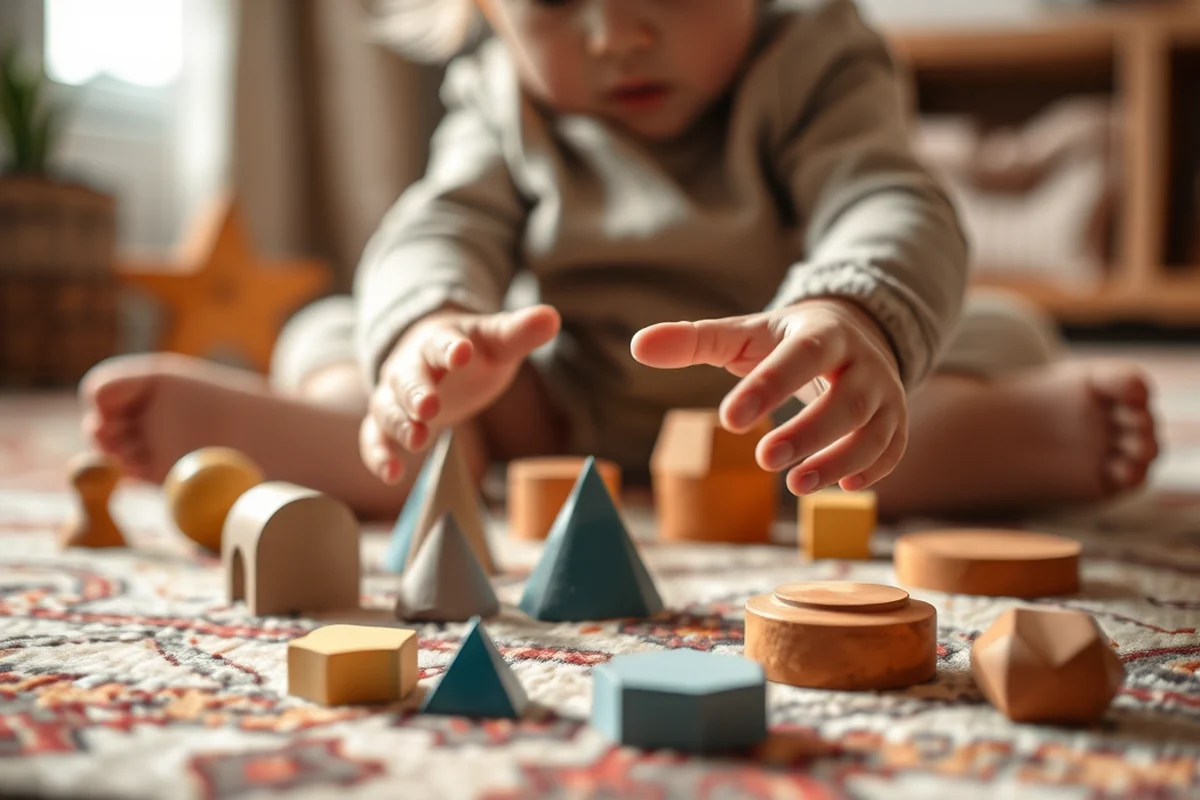
My friend Emily used the printable with her 2-year-old, who had a hard time with focus and attention. Using the printable’s structured play activities, she was able to help her child stay engaged for longer periods. Within a month, her son was able to sit through a 10-minute story and even started pointing out colors on his own.[2]
Emily shared that the printable also helped her feel more confident as a parent. She no longer felt like she had to force learning — instead, she could guide it through play and observation.
The printable made learning feel less like a chore and more like a game, which was a huge shift for her family.
“It turned learning into fun, and I saw my child grow in ways I never expected.”
Related: What is to role play
How to Customize the Printable for Your Child
One of the best features of the printable is that it’s customizable. Parents can choose which activities to include based on their child’s interests. If your child loves animals, you can replace the standard sorting activity with a matching game featuring animal pictures.
I’ve used this feature to tailor activities for my son, who loves building with blocks. Instead of a standard letter-matching game, we created a printable that involved building structures and labeling them with letters.
This adaptability helps keep the child engaged and ensures that the printable is a tool that grows with your child over time.
You don’t need to buy new materials — use what’s already in your home, like paper, markers, and household items.
“I remember the first time I realized that play wasn’t just a distraction — it was the foundation of learning.”— Playschooled editors
Related: Quick play based learning by age stage
Why Play-Based Learning Works Better Than Traditional Methods
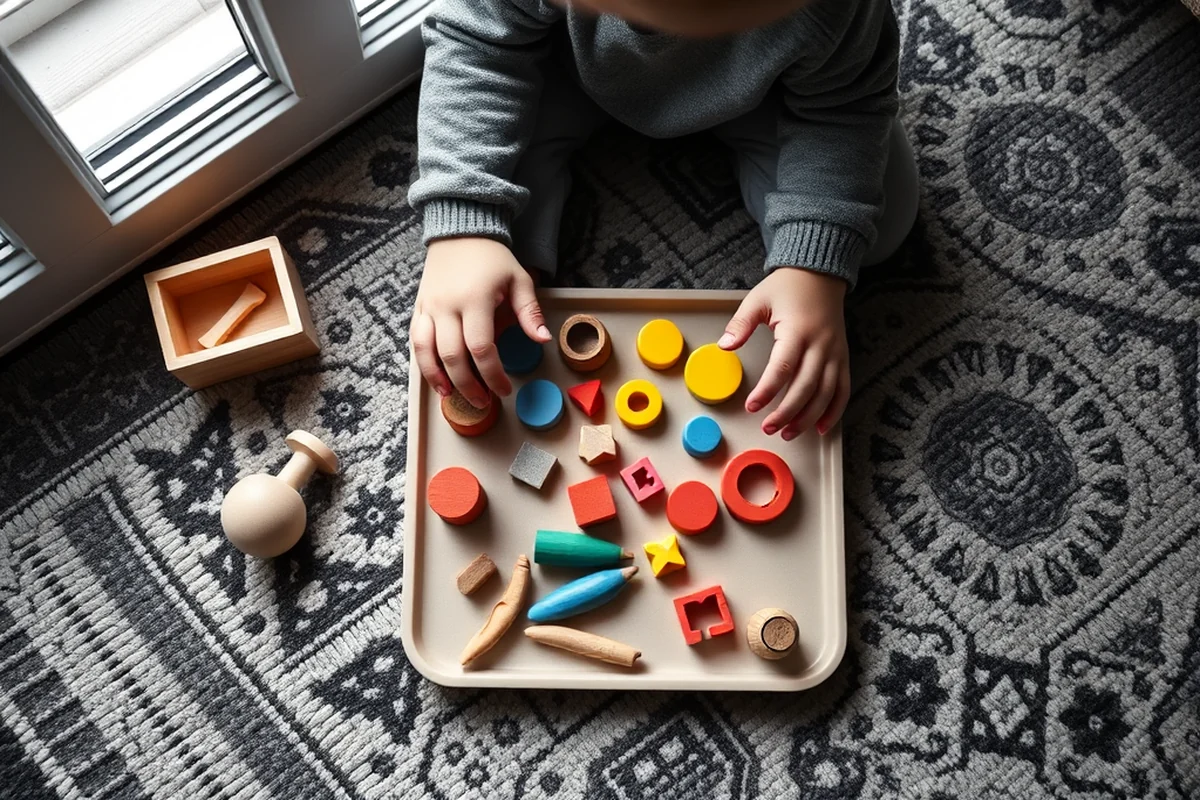
Children learn best when they’re engaged and having fun. Play-based learning activates their natural curiosity and allows them to explore, question, and discover on their own. This leads to deeper understanding and better retention.
In my experience, my daughter was more receptive to learning through play than through flashcards or formal lessons. She would ask questions about the world, and through play, she found the answers in her own time.
This method also reduces the stress that comes with traditional learning and creates a more positive relationship with education from an early age.
Related: Play based learning by age stage checklist
How to Use the Printable with Siblings and Multiple Children
If you have multiple children, you can tailor the printable for each child’s individual stage while still using the same core activities. This makes it easier to manage and ensures that all children are growing at their own pace.
I’ve used the printable with my two kids, who are two years apart in age. We had different versions of the printable for each child, but we still used the same general activities. This helped us save time and keep everything organized.
The printable also includes tips for managing multiple children during playtime, like rotating activities or using parallel play to keep everyone engaged.
🧸 Gentle Approach
Perfect for parents who prefer a slow, sensory-rich, and low-pressure way of introducing learning through play.
🚀 Fast-Track Method
For parents who want to move quickly through stages and introduce more structured learning in a short amount of time.
🧳 Travel/On-the-Go Version
A streamlined version of the printable that’s easy to carry, print, and use while traveling or away from home.
👶 For Multiples
Tailored for families with more than one child, with activities that can be used simultaneously or in parallel.
🔄 Regression Reset
A version designed for parents who want to use play to help their child recover from a setback or developmental regression.
| The mistake | Why it happens | The fix |
|---|---|---|
| Assuming the printable works for all children without customization. | Every child is different, and the printable is only effective if it’s tailored to your child’s stage and interests. | Use the printable’s customization features to create a version that fits your child’s unique needs. |
| Using the printable as a substitute for free play. | While the printable is a great guide, it should complement, not replace, free, unstructured play time. | Use the printable activities as a starting point, but allow plenty of time for your child to explore and play freely. |
| Forcing the printable into a rigid routine. | Children learn best when they’re engaged and having fun, not when they’re being forced to follow a strict schedule. | Use the printable as a flexible guide. If your child isn’t interested in an activity, skip it and try something else later. |
| Ignoring the child’s cues and pushing too hard. | Children learn at their own pace, and pushing them can lead to frustration and disengagement. | Observe your child’s reactions and adjust the activities accordingly. If they’re not interested, move on to something else. |
Related: Play based learning stage on a budget
Play-based Learning Stage Printable
Related: Play based learning by age stage on a budget
Tracking Progress and Celebrating Milestones with the Printable
Using the printable to track development and celebrate growth helps children feel proud and motivated to learn through play.
When I first used the printable, I didn’t realize how much it would help me track my son’s development over time. Each week, I filled out the progress chart, noting his ability to stack blocks, count to 10, or identify basic shapes. It wasn’t just a tool for me—it became a way to show him how far he’d come. I’d point to the chart during our play sessions and say, “Look how high you’ve climbed this month!” It made him feel accomplished and eager to try harder.
I also found that the printable helped me identify areas where my child needed more support. For example, after a few weeks, I noticed he was struggling with fine motor skills. This made me add more activities that involved picking up small objects and using tweezers. Within a couple of weeks, his progress was visible, and he was excited to show me his improvements. It’s amazing how a simple chart can guide both parents and kids toward growth.
Celebrating milestones with the printable was something that brought our family closer. Every time my son reached a new goal, we’d have a small party—just us and a few stickers. He loved the routine and the recognition. It wasn’t about grades or tests; it was about joy and effort. Over time, this approach helped him develop a love for learning that’s carried over into other areas of his life. The printable wasn’t just a tool—it became a part of our daily rhythm and our shared journey of growth.
Common Questions
Can I use the printable if I have a child with special needs?
Do I need any special materials to use the printable?
How long does it take to see results?
Can I print the printable multiple times?
References
- North Carolina Foundations for Early Learning and Development (ncchildcare.ncdhhs.gov)
- New York State Early Learning Guidelines (ccf.ny.gov)
Cite this guide
Playschooled (2026). Play-based Learning Stage Printable. https://playschooled.com/play-based-learning-stage-printable/
Feel free to cite or share this guide.