
Project Based Learning
📖 Table of Contents
- Getting Started with Project-Based Learning
- The Power of Hands-On Learning
- Connecting Projects to Academic Goals
- Encouraging Creativity and Problem-Solving
- Fostering Collaboration and Communication Skills
- Making Learning Fun and Engaging
- The Long-Term Benefits of Project-Based Learning
- Make It Your Way
- Frequently Asked Questions
When my daughter turned six, I noticed she was losing interest in worksheets and flashcards. She’d stare at the math problems, her brow furrowed, and say, 'Why do we have to do this?' That moment was a wake-up call — traditional learning wasn’t clicking for her. I started experimenting with project-based learning, and it transformed her attitude toward education. Her curiosity returned, and she began asking questions like, 'How do bridges hold up?' and 'What makes plants grow?' I realized that learning through hands-on exploration was far more engaging than passive study.
Project-based learning became the cornerstone of our home education. We built a miniature city with cardboard and paper, explored the life cycle of a plant by growing herbs on our windowsill, and even designed a simple board game to teach fractions. These projects weren’t just fun — they were meaningful. My daughter learned about teamwork, problem-solving, and real-world applications of concepts she was studying in school. What stood out most was her confidence — she was no longer afraid to make mistakes or ask questions, and that was a huge win.[1]
The benefits of project-based learning extend far beyond academic achievement. It fosters creativity, independence, and critical thinking — all essential skills for the future. My child now approaches challenges with enthusiasm, whether it’s troubleshooting a science experiment or organizing her bookshelf. We’ve seen a shift in her learning style: she’s more engaged, more persistent, and more excited about discovery. Project-based learning has become a natural part of our daily lives, and I can’t imagine going back to the old way.[2]
Why You'll Love This Educational Approach
- Encourages deep, meaningful learning through real-world application
- Boosts confidence and independence by allowing children to take ownership of their projects
- Makes education more engaging and fun, reducing frustration and burnout
- Helps develop critical thinking, creativity, and problem-solving skills
Getting Started with Project-Based Learning
As of September 2026, Start by observing what your child is naturally curious about — whether it’s dinosaurs, space, or how things work. From there, brainstorm a project that aligns with their interests and learning goals. For example, if your child loves animals, you could build a habitat for a pet or research and present on different ecosystems. The key is to connect the project to a real-world question or problem, making the learning experience more engaging and purposeful.[3]
Once you have a project in mind, set a timeframe and define clear objectives. This helps your child stay focused and track their progress. I set a three-day timeline for our first project, which helped my daughter stay on task without feeling overwhelmed. During this time, she researched, built, and presented her work, which gave her a sense of accomplishment and ownership over the process.
Remember that project-based learning doesn’t need to be overly structured. It’s more about exploration and discovery. My daughter once asked, 'How do airplanes fly?' and we spent a week researching aerodynamics, building paper airplanes, and testing their flight patterns. It was messy, but it was also deeply educational and fun.
Let your child’s interests guide the direction of the project — even if it means deviating from your original plan.
Part of our Play based learning guide.
The Power of Hands-On Learning
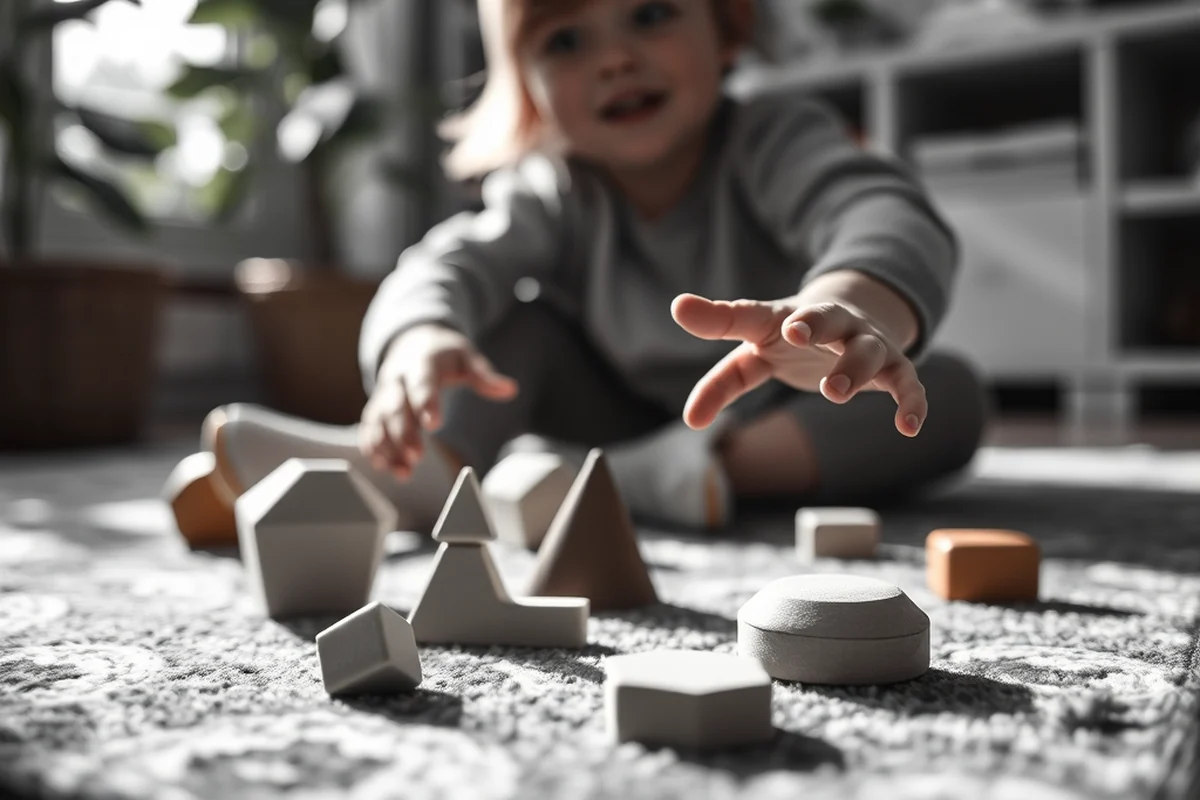
When I first tried project-based learning, I was skeptical about whether my daughter would grasp abstract ideas like gravity or electricity. But after building a simple circuit with a battery, wires, and a light bulb, she immediately understood how electricity works. The experience made the concept real and memorable. I’ve since learned that when kids engage their senses and manipulate materials, they learn more effectively and retain information longer.
Hands-on projects also encourage a growth mindset. When things don’t go as planned, children learn to troubleshoot and adapt. In one of our projects, we tried to build a working model of a wind turbine using cardboard and straws. It failed several times, but my daughter didn’t give up. She experimented with different blade shapes and angles until it worked — and she was thrilled with the result.
The tactile experience of building, painting, and creating makes learning more immersive. My daughter still remembers how to make a simple circuit because she built it with her own hands. This kind of learning is far more impactful than reading a textbook chapter on the same topic.
Hands-on learning turns abstract ideas into tangible experiences.
Related: Learning on the fly
Connecting Projects to Academic Goals
One of the biggest benefits of project-based learning is its ability to reinforce core academic skills in a practical context. For instance, when my daughter built a model of a city, she practiced geometry by measuring and cutting materials, used math to calculate costs and materials. Developed writing skills by creating a presentation on her project. These skills didn’t feel like homework — they felt like part of a bigger, more meaningful goal.
I also noticed that project-based learning helped her understand the relevance of school subjects. When she was learning about fractions in math class, we built a board game to reinforce the concept. It was a fun way to practice math without feeling like it was just another worksheet.
By linking projects to academic goals, you can help your child see the value of what they’re learning. This approach makes school less abstract and more connected to the real world.
Find opportunities to reinforce core skills like math, reading, and science through hands-on projects.
“When my daughter turned six, I noticed she was losing interest in worksheets and flashcards.”— Playschooled editors
Related: What is a free to play
Encouraging Creativity and Problem-Solving
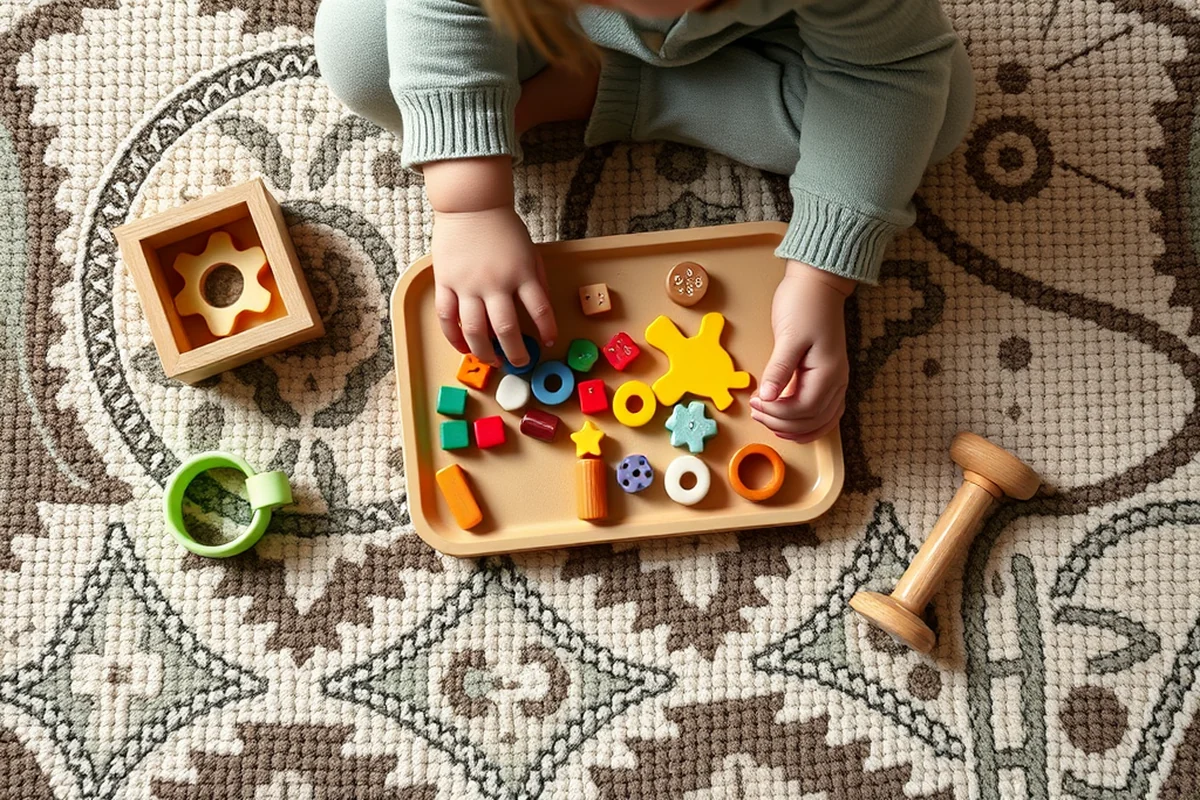
One of the most rewarding aspects of project-based learning is seeing my daughter approach problems with creativity and confidence. Whether she’s designing a board game, building a model, or solving a math puzzle, she’s learning to think critically and come up with solutions. I’ve noticed that she’s more willing to experiment and take risks now — something I hadn’t seen before.
When a project doesn’t go as planned, we don’t rush to fix it. Instead, we talk through the problem and brainstorm solutions together. This process teaches her resilience and the value of perseverance. In one project, she tried to create a working lever system using popsicle sticks, but it kept breaking. Instead of giving up, she re-evaluated her approach and eventually found a working design.
These moments of failure and problem-solving are some of the most valuable lessons in project-based learning. They help children build confidence, independence, and a deeper understanding of how things work.
Related: What is golf lessons
Fostering Collaboration and Communication Skills
I’ve found that project-based learning is a great way to teach collaboration and communication. When my daughter worked on a group project with her friends, she had to listen to their ideas, negotiate roles, and present their findings together. This helped her build essential social skills and learn how to work effectively with others.
We also used projects to practice public speaking and presentation skills. My daughter once gave a short talk on her project to her classmates, and she was proud of how well she did. These experiences helped her become more confident in expressing her ideas and engaging with others.
Collaboration and communication are vital skills for the future, and project-based learning provides a natural platform for developing them. These skills aren’t just academic — they’re life skills that will serve your child well in school and beyond.
Related: What is to play house
Making Learning Fun and Engaging
One of the most noticeable changes after implementing project-based learning is my daughter’s enthusiasm for learning. She no longer sees school as a chore — instead, she sees it as an opportunity for exploration and discovery. The shift in her attitude has been incredible, and I’ve seen a noticeable decrease in frustration and resistance.
When learning becomes fun, children are more likely to stay engaged and retain information. Whether we’re building a model, designing a board game, or creating a science experiment, my daughter approaches each project with excitement and curiosity. These experiences make learning feel less like a task and more like a game.
The joy of discovery is what makes project-based learning so effective. My daughter now sees learning as something to be explored and enjoyed, rather than something to be memorized and tested on.
Learning becomes a game — and that’s when the real magic happens.
Related: Awakening legends of learning
The Long-Term Benefits of Project-Based Learning
I’ve noticed that my daughter is now more confident in her ability to learn and solve problems on her own. She’s developed a growth mindset — she’s not afraid to make mistakes or ask questions. This kind of thinking will serve her well in school, work, and life.
Project-based learning also helps children become more independent. My daughter now takes initiative in her learning — she asks for more projects, sets her own goals, and takes pride in her work. This level of independence is something I hadn’t seen before, and it’s been incredibly rewarding to witness.
The long-term benefits of project-based learning are far-reaching. It helps children develop the skills they need to succeed in a rapidly changing world — creativity, critical thinking, problem-solving, and collaboration. These skills are essential for the future, and they’re best learned through hands-on, engaging experiences.
🌱 Gentle Start
Begin with small, low-pressure projects that your child can complete in a short amount of time.
🚀 Fast-Track
Use project-based learning to reinforce specific academic skills in a quick, focused way.
🧳 Travel/On-The-Go
Create simple, portable projects that can be done anywhere, even while traveling.
👯♀️ Multiples
Tailor projects to include multiple children, encouraging teamwork and shared learning experiences.
🔄 Regression Reset
Use project-based learning to help children re-engage with learning after a setback or burnout.
| The mistake | Why it happens | The fix |
|---|---|---|
| Trying to force a project that doesn’t interest your child. | Children are more likely to engage with projects that align with their interests. Forcing a project can lead to frustration and disengagement. | Let your child choose the topic or theme of the project based on their own curiosity and interests. |
| Overloading the project with too many objectives. | Too many goals can overwhelm your child and make the project feel like a chore rather than a fun, exploratory experience. | Keep the focus on one or two key learning goals and let the project unfold naturally. |
| Not allowing your child to take ownership of the project. | Project-based learning is most effective when your child feels in control and invested in the process. Micromanaging the project can reduce their sense of accomplishment. | Give your child the freedom to explore, make decisions, and take ownership of the project — even if it means stepping back and letting them figure things out on their own. |
| Focusing too much on the end result rather than the process. | Project-based learning is about the journey, not the outcome. Focusing too much on the final product can make the experience feel like a test rather than an opportunity for discovery. | Celebrate the learning that happens along the way, not just the final product. Encourage your child to reflect on what they’ve learned, what worked, and what didn’t. |
Project Based Learning
Common Questions
How do I choose the right project for my child?
Can project-based learning be used with younger children?
How long should a project take?
Do I need special materials for project-based learning?
References
- Students' Perceptions of Life Skill Development in Project-Based ... (cornerstone.lib.mnsu.edu)
- Exploring Professor Motivations and Implementations of a Real ... (docs.nlr.gov)
- Arizona Early Learning Standards (azed.gov)
Cite this guide
Playschooled (2026). Project Based Learning. https://playschooled.com/project-based-learning/
Feel free to cite or share this guide.