
What Is Learning Through Play
📖 Table of Contents
- What Exactly Is Learning Through Play?
- How Learning Through Play Builds Essential Skills
- Why Play Is More Effective Than Traditional Learning Methods
- How to Encourage Learning Through Play at Home
- The Role of Parents in Learning Through Play
- How Learning Through Play Supports Emotional Development
- The Long-Term Benefits of Learning Through Play
- Make It Your Way
- Frequently Asked Questions
I remember the first time I realized that my toddler wasn’t just being silly when he stacked blocks on top of each other — he was learning about balance, gravity. The properties of different materials. At the time, I didn’t know what this process was called, but I knew it was powerful. That’s what learning through play is: a natural, immersive, and deeply human way of absorbing the world. It’s not just about having fun — it’s about building foundational skills, creativity, and emotional intelligence, all while being engaged in the moment.[1]
As a parent, I’ve spent countless hours watching my children explore, create, and problem-solve through play. Whether it was building a cardboard castle, jumping in puddles, or pretending to be a doctor, I saw them developing skills that would shape their future. Learning through play isn’t just a buzzword — it’s a science-backed approach that transforms how we teach and how our children learn. It’s about giving them the tools to think, feel, and grow without the pressure of a classroom.[2]
What makes learning through play so effective is that it’s built into the very fabric of childhood. Kids don’t need flashcards or structured lessons to develop curiosity, resilience, or problem-solving abilities. They do it naturally when they’re building, pretending, drawing, or even just exploring their environment. This is why I love this approach — it’s not only more engaging, but it’s also more sustainable. It turns learning into something that feels effortless and joyful, which is exactly what we want for our children.[3]
Why You'll Love This Approach to Learning Through Play
- It fosters emotional intelligence and self-regulation through natural exploration.
- It builds problem-solving skills through hands-on, real-world experiences.
- It makes learning feel effortless and fun, keeping kids engaged for longer.
- It encourages creativity, curiosity, and independent thinking.
What Exactly Is Learning Through Play?
As of September 2026, at its core, learning through play is about allowing children to explore, experiment, and discover the world in their own way. It's not about structured lessons or rote memorization — it's about curiosity, trial and error, and the joy of figuring things out on their own. From playing with blocks to pretending to be a chef, every activity is an opportunity for learning.
This approach is rooted in child development theory, which emphasizes the importance of play in building cognitive, social, and emotional skills. When children are playing, they're not just having fun — they're developing critical thinking, creativity, and the ability to work with others. It's a way of learning that's both natural and deeply effective.
One of the best things about learning through play is that it's adaptable to every child's unique interests and abilities. Whether your child loves building things, pretending to be someone else, or exploring the outdoors, there's a way for them to learn through their favorite activities. It's a personalized, hands-on approach that keeps kids engaged and excited about learning.
Look for the activities your child already enjoys and build from there. If they love dinosaurs, use that to teach counting or storytelling. If they love puzzles, use them to teach problem-solving.
Part of our Play based learning guide.
How Learning Through Play Builds Essential Skills

One of the most important skills that learning through play helps develop is cognitive flexibility — the ability to think creatively and adapt to new situations. When children play, they're constantly solving problems, making decisions, and thinking on their feet. For example, if a tower of blocks falls over, they have to figure out what went wrong and how to fix it.
In addition to cognitive skills, learning through play also builds social and emotional skills. When children play with others, they learn how to take turns, share, and communicate effectively. They also learn how to manage their emotions, whether it's frustration when a game doesn't go their way or excitement when they win.
Emotional intelligence is another key benefit of learning through play. Children learn to recognize and manage their feelings through role-playing and imaginative play. When they pretend to be a doctor, they're learning empathy and communication. When they play with friends, they're learning cooperation and conflict resolution.
Play is the child’s first language.
Related: Simple play based learning tips
Why Play Is More Effective Than Traditional Learning Methods
Children learn best when they're having fun — that's why traditional learning methods, which often rely on repetition and structured lessons, can be less effective. In contrast, learning through play taps into a child's natural curiosity and desire to explore. When kids are engaged in play, they're more likely to stay focused and retain information.
One of the reasons play is more effective is that it allows for hands-on learning. Instead of just listening to a teacher or reading a book, children are actively involved in the learning process. They're touching, moving, and interacting with the world around them, which helps reinforce concepts in a more memorable way.
Another advantage of play-based learning is that it reduces anxiety and stress. Traditional learning methods can sometimes be overwhelming or intimidating for young children, but play creates a safe and supportive environment for learning. It allows kids to take risks, make mistakes, and learn from them without fear of judgment.
Set aside at least 30 minutes each day for unstructured play. This helps create a consistent learning environment and allows your child to explore and develop at their own pace.[4]
“I remember the first time I realized that my toddler wasn’t just being silly when he stacked blocks on top of each other — he…”— Playschooled editors
Related: Small game based learning platforms
How to Encourage Learning Through Play at Home
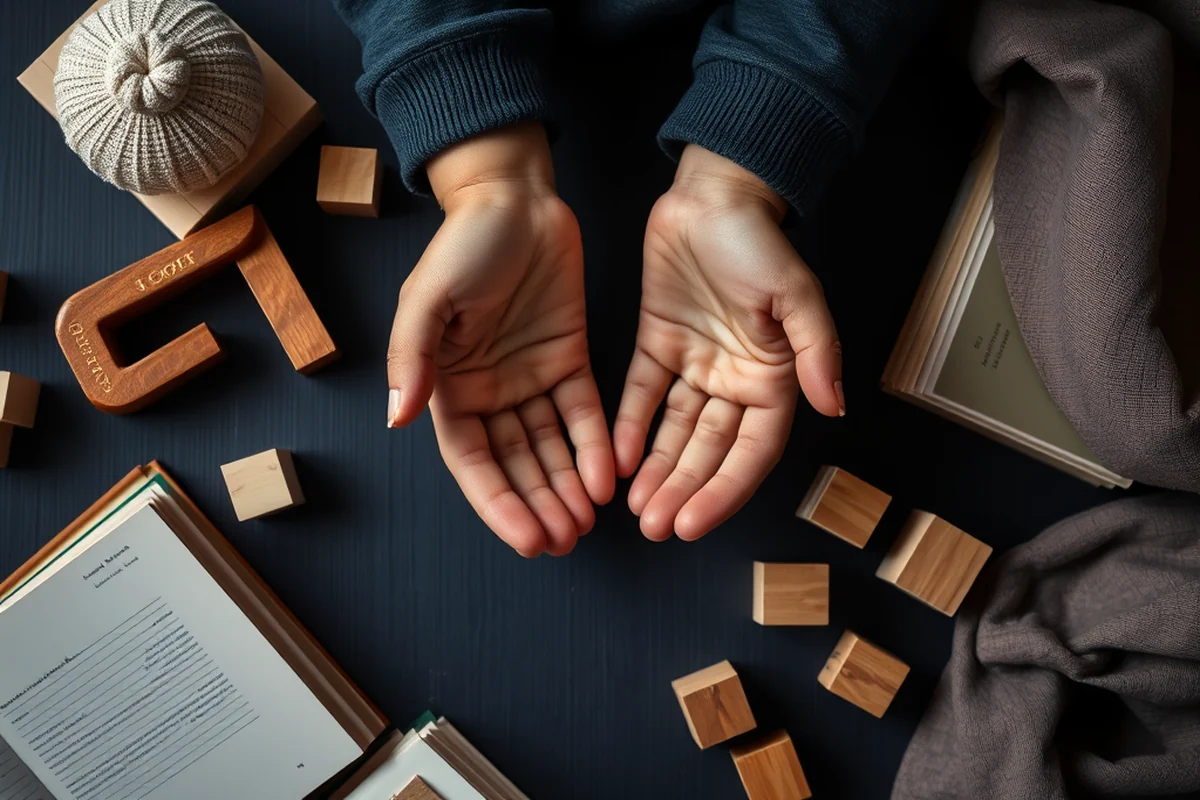
To encourage learning through play at home, it's important to create a space that's both safe and stimulating. This could be a dedicated play area with a variety of toys, books, and materials that encourage open-ended play. It's also important to provide your child with the freedom to explore and choose their own activities.
Another way to encourage learning through play at home is to be a participant in the process. Playing alongside your child helps model behavior, encourages communication, and strengthens the parent-child bond. It also allows you to guide the learning process in a natural and supportive way.
In addition to creating a playful environment, it's important to encourage your child's curiosity and creativity. Ask open-ended questions, provide opportunities for imaginative play, and support their interests. When children feel supported and encouraged, they're more likely to engage in play that promotes learning.
Related: Budget play based learning definition
The Role of Parents in Learning Through Play
Parents are the first and most important teachers in a child's life, and they have a powerful influence on how children learn through play. By providing a variety of toys, materials, and experiences, parents can help their children develop a wide range of skills and interests. It's also important to be present and engaged during play, whether that means sitting on the floor with your child or simply observing from a distance.
Modeling behavior is another important aspect of learning through play. When parents participate in play, they're showing their children how to think, solve problems, and interact with others. This helps reinforce the learning process and makes it more meaningful. It also helps build trust and connection between parent and child.
Finally, it's important for parents to encourage and support their child's curiosity and creativity. This means asking questions, providing opportunities for exploration, and allowing children to make mistakes. When children feel safe and supported, they're more likely to take risks, try new things, and develop a love of learning.
Related: Practice game based learning step by step
How Learning Through Play Supports Emotional Development
One of the most important aspects of emotional development is the ability to recognize and manage emotions. Learning through play provides children with opportunities to explore and express their feelings in a safe and supportive way. Whether they're pretending to be a superhero, playing with friends, or exploring their environment, they're learning how to navigate their emotions.
Play also helps children develop empathy and understanding. When children engage in role-playing and imaginative play, they're able to see things from different perspectives and develop a greater sense of empathy. This helps them build stronger relationships and develop better social skills.
In addition to empathy, play helps children develop resilience and coping skills. When children encounter challenges during play, such as a tower of blocks falling over or a game not going their way, they learn how to handle frustration and persevere. This helps them develop a growth mindset and the ability to cope with challenges in the future.
Play is the way children learn to manage their emotions.
Related: Practice game based learning under 30 minutes
The Long-Term Benefits of Learning Through Play
One of the most important long-term benefits of learning through play is that it helps build a strong foundation for future learning. When children learn through play, they develop the skills they need to succeed in school and beyond. These include critical thinking, creativity, problem-solving, and social skills — all of which are essential for success in the modern world.
In addition to academic skills, learning through play also helps build character and resilience. Children who are encouraged to explore, take risks, and learn from their mistakes develop a strong sense of self-efficacy and confidence. These traits are essential for success in all areas of life, from school to work to personal relationships.
Finally, learning through play helps children develop a lifelong love of learning. When children are exposed to a variety of engaging and meaningful play experiences, they develop a natural curiosity and a desire to explore and discover. This helps them become lifelong learners who are motivated to continue learning and growing throughout their lives.
🌿 Gentle Play
Ideal for sensitive or shy children, this approach focuses on low-stimulation, calming activities that build confidence and self-awareness.
⚡ Fast-Track Play
For busy families who want to maximize learning in short bursts, this approach uses quick, high-impact play sessions that target specific skills.
✈️ Travel/On-the-Go Play
Designed for families who are frequently on the move, this approach uses portable, low-cost materials to encourage learning through play anywhere.
👶 Multiples Play
Perfect for families with more than one child, this approach encourages shared play that fosters cooperation, communication, and social skills.
🔄 Regression Reset Play
This approach helps children who are experiencing developmental or emotional regression by providing a safe, structured way to explore and re-engage with play.
| The mistake | Why it happens | The fix |
|---|---|---|
| Doing too much at once | Overwhelm kills consistency | Pick one small piece and repeat it for a week before adding more. |
| Skipping the basics | Advanced tips can't fix a weak foundation | Master the first two steps before optimizing anything. |
What Is Learning Through Play
Common Questions
How can I tell if my child is learning through play?
What are some examples of learning through play?
How often should I engage in learning through play with my child?
Is learning through play effective for older children?
References
Cite this guide
Playschooled (2026). What Is Learning Through Play. https://playschooled.com/what-is-learning-through-play/
Feel free to cite or share this guide.