Play To Earn
📖 Table of Contents
- What Exactly Is 'Play to Earn' and Why Does It Work?
- How to Set Up Your First 'Play to Earn' System
- Why Delayed Gratification Works Better Than Instant Rewards
- How to Tailor the System to Different Age Groups
- How to Handle Setbacks and Frustrations in the System
- How to Keep the System Fun and Engaging Over Time
- How to Transition From 'Play to Earn' to Real-World Goals
- Make It Your Way
- Frequently Asked Questions
I remember the day my daughter came home from school with a small jar filled with pebbles and a few hand-drawn signs saying, 'This is a treasure chest.' I had no idea she'd just started her first 'play to earn' system — a self-made economy where she collected pebbles as currency to trade for stickers, small toys, or even a few minutes of extra screen time. It was messy, it was chaotic, and it worked. What started as a child’s whim turned into a powerful tool for teaching responsibility, goal-setting, and value, all through play. And I wasn’t the only parent who noticed the shift.
The concept of 'play to earn' is simple but powerful. It's not about monetizing childhood or turning play into work — it's about using play as a vehicle to teach real-world concepts like trade, reward, effort, and delayed gratification. Over the past three years, I've watched this idea evolve from a quirky experiment to a structured part of daily life for our family. We’ve gone from pebbles to a full-fledged token system that includes earning points for chores, reading, or even helping with dinner — and we've found that it's not just kids who benefit. As a parent, it's been eye-opening how much this system has helped me understand what motivates my children and how to support them in ways that feel natural and engaging.[1]
The best part? 'Play to earn' doesn't have to cost a fortune, take up hours of your day, or involve any screen time. It's about creating systems that mirror real life, using things you already have around the house. It's also not about bribing — it's about empowering. My kids now see their efforts as valuable, and they're learning that work — even small, simple work — leads to rewards. The more I've used this system, the more I've realized that it's not just about teaching kids; it's about creating a household where everyone feels seen, valued, and motivated.[2]
Why You'll Love This Strategy
- It turns everyday tasks into opportunities for learning and fun
- It builds intrinsic motivation and a sense of accomplishment
- It’s incredibly flexible and can be adapted to any family or child
- It requires minimal cost and no special tools
What Exactly Is 'Play to Earn' and Why Does It Work?
As of September 2026, at its core, 'play to earn' is about creating a system where children can see the direct connection between their actions and the rewards they receive. It's not about money or high stakes — it's about making the invisible visible. When my daughter wanted to earn a new sticker, she had to clean up her room first. When my son wanted to trade tokens for a few more minutes of screen time, he had to finish his homework. These small, tangible exchanges make learning and effort feel valuable, and they give kids a clear sense of purpose.[3]
This system works because it taps into how children learn best — by doing. It's not about lectures or passive learning. It's about active participation and immediate feedback. When a child completes a task, they get a reward — not from me, but from the system itself. This shift in perspective makes the effort feel more meaningful and the reward more satisfying.
I've noticed that when the system is fair and consistent, children are more willing to participate. They don't see it as a chore or a punishment — they see it as a game, a challenge, and an opportunity. It's also given me a way to support my kids in a way that doesn't feel like controlling or manipulating them, which is a huge win for any parent.
Use everyday items like paper clips, buttons, or even small trinkets as tokens. No need for expensive materials — the value comes from the system, not the object.
Part of our Play based learning guide.
How to Set Up Your First 'Play to Earn' System
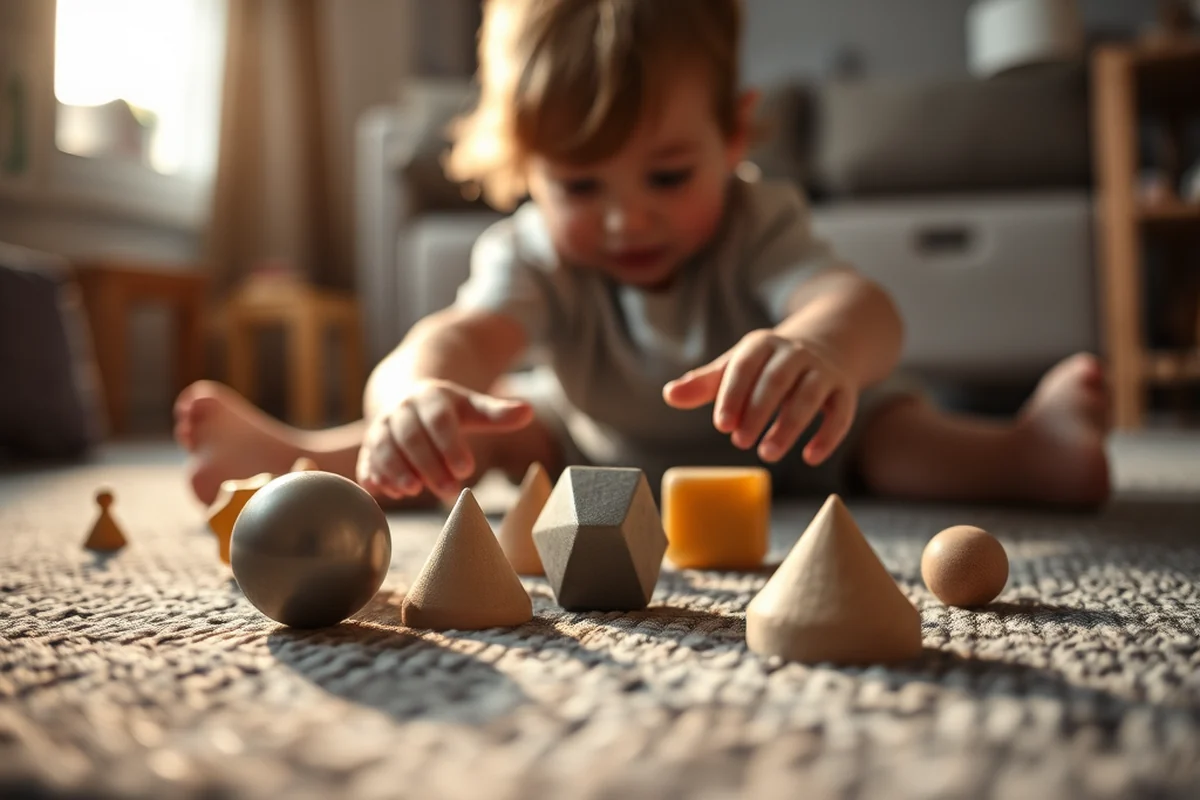
Setting up a 'play to earn' system is easier than you might think. The first step is to define what tasks or behaviors you want to reward. These can be things like cleaning up toys, helping with dishes, completing a puzzle, or even learning a new word. Once you have a list, you need to decide what kind of rewards you want to offer. These don't have to be expensive — they can be stickers, small toys, extra playtime, or even a special snack.
Next, create a visual chart or board where your child can track their progress. You can use a whiteboard, a piece of cardboard, or even a piece of paper with a drawing. Each time your child completes a task, they earn a token or sticker that they place on the board. When they reach a certain number, they can trade in their tokens for a reward. This visual system gives your child a sense of accomplishment and makes the process clear and engaging.
I set up my first system using a cardboard board and some paper clips. It took me about 30 minutes to create, and it's been one of the most effective parenting tools I've ever used. The key is to make it simple, visual, and easy to understand. Once the system is in place, let your child take the lead and see what works best for them.[4]
Start small, keep it visual, and let your child take the lead — that's where the magic happens.
Related: Practice game based learning under 30 minutes
Related: Play Or Earn
Why Delayed Gratification Works Better Than Instant Rewards
One of the most powerful aspects of 'play to earn' is the way it teaches delayed gratification. Instant rewards are tempting, but they don't teach much — they just make your child used to getting what they want right away. Delayed gratification, on the other hand, teaches patience, planning, and the value of effort. My daughter, for example, used to want a new toy every time she completed a task. But when I shifted to a system where she had to save up tokens over a few days, she started to think about what she really wanted and how to earn it.
This shift in mindset is incredibly valuable. It teaches children that effort pays off, and that the rewards they earn are worth the wait. It also helps them develop a sense of responsibility and self-discipline. When a child learns that they can't just get what they want immediately, they start to understand the value of hard work and perseverance.
I've noticed that this approach is especially effective for older children who are starting to understand the concept of saving and planning. It gives them a concrete way to see how their actions lead to outcomes. And it's not just about the rewards — it's about the process of earning and saving, which is a valuable lesson in itself.
Create a visual tracker that shows how many tokens or steps are needed to reach a reward. This builds anticipation and helps children stay motivated.
“I remember the day my daughter came home from school with a small jar filled with pebbles and a few hand-drawn signs saying, 'This is…”— Playschooled editors
Related: Diy game based learning
How to Tailor the System to Different Age Groups
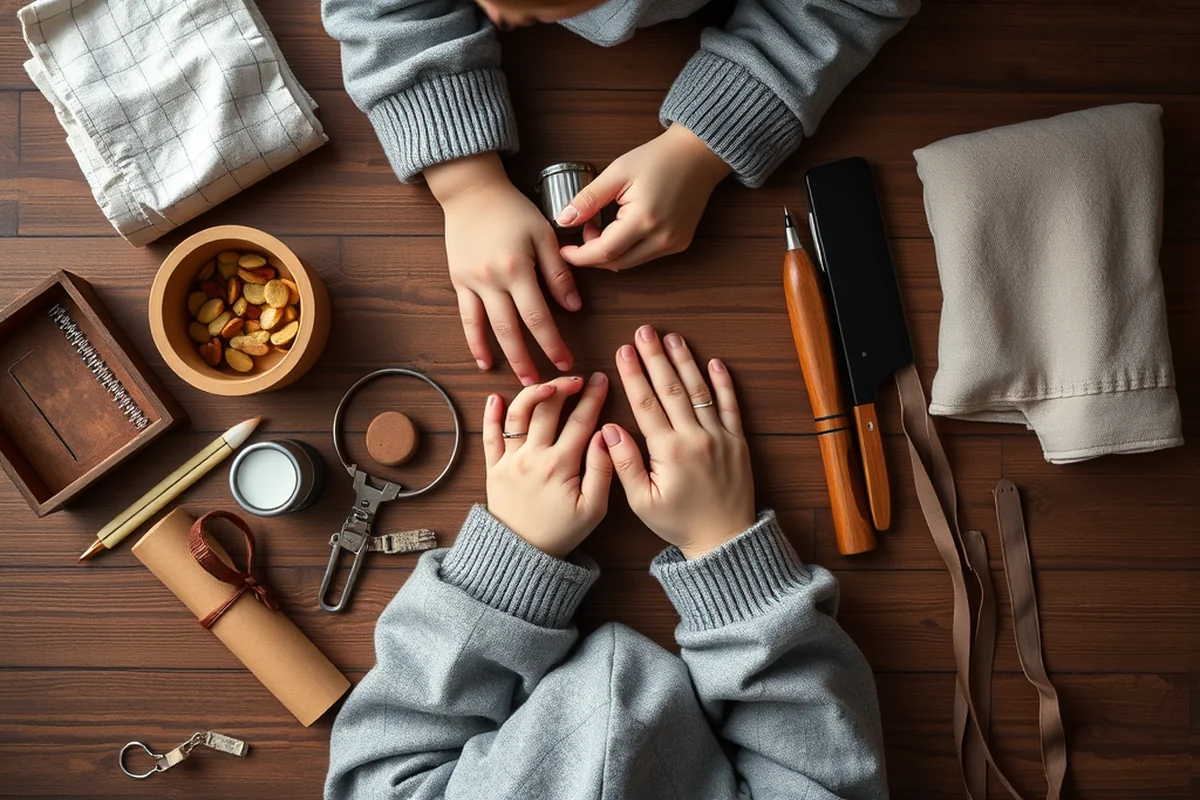
Tailoring the 'play to earn' system to your child's age and ability is essential for keeping them engaged. For younger children, the tasks should be simple and the rewards immediate. For example, a two-year-old might earn a sticker for putting their toy in the basket, while an eight-year-old might earn points for helping with dinner or completing a puzzle.
As children grow older, the system can become more complex. Older children can handle more abstract tasks and rewards. For example, a child who is interested in art might earn points for completing a drawing or painting, which they can then trade in for time at the art table. A child who loves reading might earn points for finishing a book, which they can use to earn more books or extra reading time.
I've found that the key to tailoring the system is to listen to your child and see what motivates them. Whether it's a new toy, extra playtime, or a favorite snack, understanding what your child values will help you create a system that works for them. It's also important to be flexible — what works for one child may not work for another, and that's okay.
Related: Natural play based learning for beginners
How to Handle Setbacks and Frustrations in the System
No system is perfect, and 'play to earn' is no exception. There will be times when your child doesn't want to participate, or when the system feels unfair. This is where resilience and problem-solving come in. When my daughter was frustrated because she couldn't earn enough tokens to get a new toy, I didn't just give her the toy — I helped her figure out how she could earn more tokens over time. This taught her that effort and persistence are important, even when things don't go as planned.
It's also important to be flexible and adjust the system as needed. If your child is consistently struggling with a task, it might be worth revisiting how you're framing it. Sometimes, a small change — like offering a different reward or simplifying the task — can make a big difference. The key is to stay patient and keep the focus on learning, not on perfection.
I've found that when children are given the opportunity to problem-solve and make adjustments, they're more likely to stay engaged. It's not about getting everything right — it's about learning how to adapt and keep going. And that's a lesson that will serve them well throughout their lives.
Related: Cheap is play based learning effective
How to Keep the System Fun and Engaging Over Time
Keeping the 'play to earn' system fun and engaging over time is all about variety and creativity. When the system becomes repetitive or predictable, it can lose its appeal. To keep things interesting, I've started rotating the tasks, rewards, and themes on a regular basis. This keeps the system fresh and exciting for my children.
For example, we've used different themes — like pirate treasure, superhero missions, and space missions — to frame our tasks and rewards. Each theme comes with its own set of rules, tasks, and rewards. This not only keeps the system fun, but it also helps children see the variety of ways they can earn rewards and complete tasks.
I've also found that mixing up the rewards — like offering different types of toys, extra playtime, or even special privileges — keeps the system engaging. It's important to keep the focus on fun, so even if the system is structured, it should never feel like a chore or a punishment.
Variety is the spice of life — and it's also the key to keeping your 'play to earn' system fresh and fun.
Related: Best play based learning activities
How to Transition From 'Play to Earn' to Real-World Goals
As your child grows, the 'play to earn' system can be a stepping stone to teaching real-world skills like saving, planning, and responsibility. When my daughter was around six, she was ready to start saving up for a bigger goal — like a new bike or a weekend trip. I helped her create a savings plan where she could track her progress and see how much she needed to save.
This transition is important because it teaches children that effort and planning can lead to big rewards. It also helps them understand the value of saving and the importance of setting goals. When the system is used as a bridge to real-world skills, it becomes even more valuable.
I've found that the key to making this transition smooth is to stay involved and provide support. Whether it's helping your child create a savings plan or teaching them how to make choices, this is a time when you can start to see the long-term benefits of the system. It's also a great opportunity to reinforce the values of hard work, perseverance, and responsibility.
🌱 Gentle Play to Earn
A version that focuses on small, low-pressure tasks and rewards, ideal for younger children or those who are new to the system.
⚡ Fast-Track Play to Earn
A version that offers quick, immediate rewards for tasks, ideal for older children who are looking for a more structured system.
✈️ Travel/away-from-home Play to Earn
A version that can be used on the go, with tasks and rewards that are simple and easy to manage while traveling or away from home.
👯 Multiples Play to Earn
A version tailored for families with multiple children, offering individual and group rewards to keep everyone motivated and engaged.
🔄 Regression Reset Play to Earn
A version that helps children who have lost interest or motivation, using a reset system to reignite their engagement with the process.
| The mistake | Why it happens | The fix |
|---|---|---|
| Making the system too complicated or rigid | A complicated or rigid system can overwhelm your child and make them feel like it's a chore rather than a game. | Keep the system simple, flexible, and easy to understand. Use clear rules and avoid unnecessary complexity. |
| Offering too many rewards or making them too easy to earn | Too many rewards or easy rewards can devalue the system and reduce its effectiveness. | Limit the number of rewards and make sure they are meaningful. Use a balance of effort and reward to keep the system engaging. |
| Failing to adapt the system to your child's needs | A system that doesn't fit your child's interests, abilities, or personality can be ineffective or even discouraging. | Tailor the system to your child's needs. Listen to them and make adjustments as needed to keep them engaged. |
| Not being consistent with the system | Inconsistency can confuse your child and make them lose trust in the system. | Be consistent with the rules, tasks, and rewards. This helps your child understand the system and feel more motivated to participate. |
Play To Earn
Common Questions
How do I know if my child is ready for a 'play to earn' system?
What if my child doesn't want to participate in the system?
Can this system be used for older children or teenagers?
What if I run out of rewards or tokens?
References
- DIGITAL ASSETS AND THE FUTURE OF FINANCE - GovInfo (govinfo.gov)
- Welcome | Los Angeles Department of Transportation (ladot.lacity.gov)
- Mission Areas and Core Capabilities | FEMA.gov (fema.gov)
- California Preschool Learning Foundations (Volume 3) (cde.ca.gov)
Cite this guide
Playschooled (2026). Play To Earn. https://playschooled.com/play-to-earn/
Feel free to cite or share this guide.