
What Is Problem-Based Learning
📖 Table of Contents
- What Exactly Is Problem-Based Learning?
- How It Works in Practice
- The Benefits for Your Child
- How to Get Started with Problem-Based Learning
- The Role of the Parent in Problem-Based Learning
- Real-World Examples of Problem-Based Learning
- When to Use Problem-Based Learning
- Make It Your Way
- Frequently Asked Questions
When my son came home from school one afternoon, he looked at me with wide eyes and said, 'Mom, I think we should build a bridge out of toothpicks and glue.' At first, I thought it was just a random idea — but then I realized he was trying to solve a problem he’d encountered in a science class. That moment sparked my curiosity about problem-based learning, a method I hadn’t really considered before. What is problem-based learning, and how does it work in everyday life with kids?[1]
Problem-based learning is not a new concept, but it’s becoming more relevant in parenting as we see the value in letting kids grapple with real, complex issues. It’s not about giving them the answer — it’s about guiding them through the process of figuring it out. I’ve watched my children work through problems related to fairness, time management, and even basic geometry, all without me stepping in to solve the problem for them. It’s been eye-opening, and it’s taught me that kids are capable of more than I ever imagined.[2]
What is problem-based learning, exactly? It’s a teaching approach where children learn by solving real-world problems. I remember the first time I tried it with my daughter — we had a disagreement about dividing chores. Instead of making a decision for her, I asked her, 'What do you think is a fair way to split the responsibilities?' It took some back-and-forth, but she eventually came up with a solution that worked for both of us. That experience showed me how powerful this method can be when applied with patience and intention.[3]
Why You'll Love This Approach
- Encourages critical thinking and creativity in children
- Builds problem-solving skills that last a lifetime
- Fosters independence and self-confidence
- Creates a collaborative, respectful learning environment
What Exactly Is Problem-Based Learning?
As of September 2026, Problem-based learning is a hands-on, child-led approach to education where kids are presented with a real-life challenge — and then they figure out how to solve it, with your help. It’s not about memorizing facts or following a script; it’s about using logic, creativity, and critical thinking. I remember when my son was trying to build a treehouse. Instead of telling him the exact steps, I asked him, 'What do you need to do next?' This kind of open-ended thinking is what problem-based learning is all about.[4]
One of the most surprising things I’ve learned is that kids are naturally curious and capable of tackling complex problems. When I let my daughter explore a problem about how to divide her toys fairly among her friends, she came up with a solution that involved taking turns and setting up a system. It wasn’t perfect, but it was hers. That’s the beauty of this method — it empowers children to think for themselves.[5]
This approach isn’t limited to academic subjects. It can be applied to everyday situations, like learning how to handle conflict, manage time, or even grow plants. I’ve seen my kids go through the process of figuring out how to share screen time, how to organize their rooms, and even how to grow a garden. Each time, it was a unique experience that built their confidence and skills.
Instead of stepping in to solve the problem for them, ask open-ended questions and let them explore possible solutions.
Part of our Play based learning guide.
How It Works in Practice

In practice, problem-based learning looks a lot like a conversation. You might say something like, 'I noticed that your brother is upset about the game we’re playing. What do you think we can do about it?' This type of dialogue encourages your child to think about solutions instead of waiting for you to direct them. I’ve found that this method is especially effective when I let the child take the lead and come up with their own ideas.
I remember one time when my son was trying to decide how to split a candy bar with his sister. Instead of telling him what to do, I asked him, 'How do you think they should split it?' He thought for a moment and said, 'Maybe we can each take half.' That was a simple solution. It was his. He felt empowered by the process, and it taught him something valuable about compromise.
This method isn’t about giving the right answer — it’s about guiding the child to find their own. I’ve noticed that the more I use this approach, the more confident my children become in their own abilities. It’s not always easy, but the results are worth it.
Letting your child solve problems on their own builds confidence and critical thinking.
Related: Is play based learning effective
The Benefits for Your Child
One of the biggest benefits of problem-based learning is that it helps children develop skills that are valuable throughout life. I’ve seen my kids become more confident in their own abilities, more creative in their thinking, and better at working with others. This approach has been especially helpful for my daughter, who used to be hesitant to speak up in group settings. Now, she’s more willing to share her ideas and collaborate with others.
Another benefit is that it helps children learn to think critically. When I asked my son how he would fix a broken toy, he didn’t just say, 'I need a new one.' He thought about what parts were broken and how he could repair them. This kind of thinking is crucial for problem-solving in the real world, and it’s something that can be nurtured from a young age.
I’ve also noticed that this method fosters a sense of independence. My children are more willing to try new things and take on challenges, because they know that I believe in their ability to solve problems. This confidence has been invaluable as they grow and face more complex challenges.
Don’t rush the process. Let your child explore different solutions and learn from their mistakes.
“When my son came home from school one afternoon, he looked at me with wide eyes and said, 'Mom, I think we should build a…”— Playschooled editors
Related: Simple game based learning platforms
How to Get Started with Problem-Based Learning
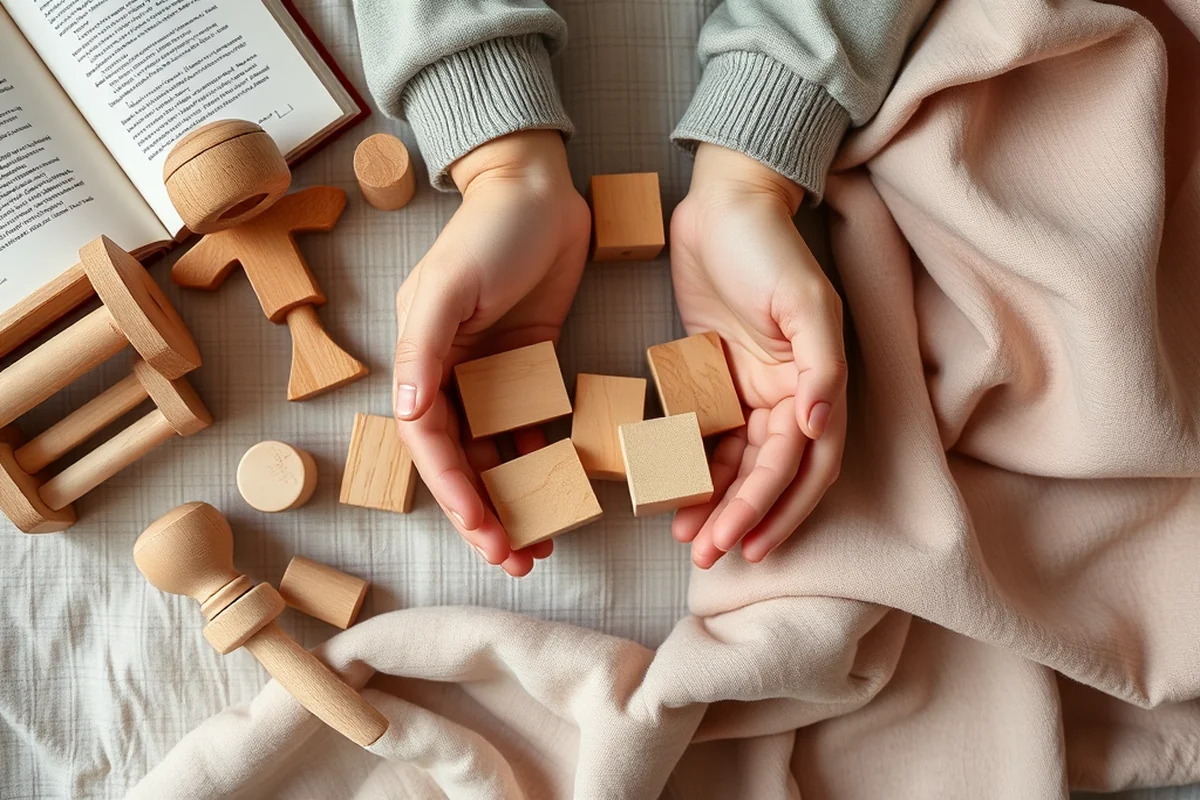
Starting with problem-based learning is as simple as identifying a real-life problem that your child can work through. It could be something as small as deciding how to split a snack, or as big as figuring out how to handle a disagreement with a friend. I usually start by asking my child, 'What do you think we should do?' and then listen to their ideas.
Once you’ve identified a problem, it’s important to let your child take the lead. I’ve found that even if their solution isn’t perfect, the process of thinking through the problem is where the real learning happens. I remember one time when my daughter tried to figure out how to share her toys with her cousins. Her first idea was to take turns, but then she realized that wouldn’t work if the cousins had different interests. She had to think of another solution — and she came up with a great one.
Getting started with problem-based learning doesn’t require any special tools or resources. It just takes a willingness to listen, ask questions, and encourage your child to think for themselves. I’ve found that the more I use this approach, the more natural it becomes, and the more confident my children become in their own abilities.
Related: Natural play based preschool curriculum
The Role of the Parent in Problem-Based Learning
As a parent, your role in problem-based learning is to be a guide, not a director. You’re there to support your child as they work through the problem, but you’re not giving them the answers. I’ve found that this approach helps children build confidence and independence, because they’re learning to think for themselves.
One of the most important things I’ve learned is to listen more and talk less. When I’m helping my child with a problem, I try to ask open-ended questions like, 'What do you think would happen if you tried that?' or 'What’s another way you could solve this?' This kind of dialogue encourages my child to think critically and explore different solutions.
I’ve also learned that it’s important to be patient and not rush the process. Sometimes the solution doesn’t come immediately, and that’s okay. My child might try one idea, and it doesn’t work, but that’s a valuable learning experience. The key is to support them through the process and help them see that mistakes are part of learning.
Related: Diy play based preschool curriculum
Real-World Examples of Problem-Based Learning
I’ve used problem-based learning with my children in a variety of situations, from managing their time to resolving conflicts. One of the most memorable experiences was when my daughter had to decide how to organize her room. Instead of telling her how to do it, I asked her, 'What do you think would be the best way to organize your room?' She came up with a system that worked for her. It was much more effective than anything I could have suggested.
Another time, my son had to figure out how to share his screen time with his sister. He didn’t just divide it evenly — he came up with a system that involved taking turns and setting a timer. This kind of problem-solving is exactly what I want to see in my children, and it’s a great example of how problem-based learning can work in real life.
These kinds of real-world examples help children see the value of problem-solving and critical thinking. They learn that they can handle challenges on their own, and that they don’t always need an adult to tell them what to do. This approach has been incredibly valuable for my children, and I’ve seen the benefits in their confidence and independence.
Real-world problems are the best teachers — and your child is ready to learn.
Related: Easy play based learning tips
When to Use Problem-Based Learning
Problem-based learning is most effective when your child is facing a real-life challenge that they can work through with your guidance. It’s not about creating problems for the sake of learning, but about helping your child develop skills through the process of solving a real issue. I’ve found that this approach works best when the problem is something your child is already interested in or invested in.
For example, if your child is struggling with a conflict with a friend, using problem-based learning can help them think through possible solutions and come up with a plan that works for both sides. I’ve used this approach with my daughter when she had a disagreement with her best friend, and it helped them find a compromise that made both of them happy.
It’s also a great approach when your child is trying to make a decision, like choosing between two activities or figuring out how to manage their time. By guiding them through the process, you’re helping them build valuable life skills that will serve them well as they grow.
🌼 Gentle Approach
Ideal for younger children or those who are just starting to explore problem-solving. Focus on open-ended questions and minimal guidance.
⚡ Fast-Track Approach
Best for older children who are ready to tackle more complex problems quickly. Encourage them to think through the solution independently with occasional support.
✈️ Travel/Away-from-Home Approach
Perfect for on-the-go learning. Use everyday situations, like deciding where to eat or how to share a snack, to practice problem-solving in new environments.
👯♀️ Multiples Approach
Great for families with multiple children. Encourage siblings to work through problems together, fostering collaboration and teamwork.
🔄 Regression Reset Approach
Useful for children who are struggling with a specific challenge. Guide them through the process of solving the problem, helping them regain confidence and independence.
| The mistake | Why it happens | The fix |
|---|---|---|
| Trying to solve the problem for the child. | This prevents the child from learning how to think through and solve the problem on their own. | Instead, ask open-ended questions and let the child explore possible solutions. |
| Giving the child too much guidance. | Too much guidance can make the child rely on you instead of thinking for themselves. | Provide just enough support to keep the child motivated, but let them take the lead. |
| Ignoring the child’s ideas or solutions. | This can discourage the child from thinking through problems in the future and may make them feel that their ideas aren’t valued. | Listen to your child’s ideas and give them feedback that encourages them to think further. |
| Not being patient with the process. | Problem-solving takes time, and rushing the process can lead to frustration and a lack of learning. | Be patient and let your child work through the problem at their own pace. |
What Is Problem-Based Learning
Common Questions
What if my child doesn’t know how to solve the problem?
How long does it take for my child to learn problem-solving through this method?
Can I use problem-based learning with very young children?
What if my child gets frustrated and gives up?
References
- Putting Students First with Problem-Based Learning | ACE Blog (ace.edu)
- Why Problem-Based Learning Works: Theoretical Foundation (celt.miamioh.edu)
- Problem Based Learning (cetl.uconn.edu)
- A Systematic Review of Reviews on Problem-Based Learning and ... (cie.asu.edu)
- Problem Based Learning (PBL) - CITL - University of Illinois (citl.illinois.edu)
Cite this guide
Playschooled (2026). What Is Problem-Based Learning. https://playschooled.com/what-is-problem-based-learning/
Feel free to cite or share this guide.