Diy Play-based Learning Printables
📖 Table of Contents
I remember the day my toddler spent three hours obsessively sorting and counting colored paper shapes I had cut out for a simple 'shapes and colors' printable. It wasn’t just about learning — it was about joy, curiosity, and the way her tiny fingers moved with purpose as she matched shapes to their outlines. That was the first time I realized how powerful DIY play-based learning printables could be. They’re not just worksheets; they’re tools that spark engagement, creativity, and early learning in a way that feels natural and fun for kids.
When I first started exploring play-based learning, I was overwhelmed by the sheer number of options available online. But the more I tried, the more I saw that the best resources weren’t the ones with flashy colors or fancy fonts — they were the ones that were simple, flexible. Easy to adapt. That’s when I started making my own. The process was messy at first, but it taught me how little I actually needed to make a big impact. And the best part? It was all done with just a few printed pages, a couple of scissors, and a child who was more than happy to explore.
Now, my home is filled with DIY play-based learning printables that are used daily — from counting mats and letter scavenger hunts to sensory sorting activities and pattern matching games. They’re not just educational tools; they’re extensions of our playtime, and I’ve learned that the most effective ones are the ones my kids don’t even realize are learning. That’s the magic of DIY play-based learning printables: they make learning feel like play, and play feel like learning.
Why You'll Love This DIY Play-Based Learning Approach
- Cost-effective and customizable — you can make them with just a printer and a few supplies.
- Encourages hands-on, active learning that aligns with how young children naturally explore and understand the world.
- Can be tailored to your child’s interests, developmental stage, or even current learning goals.
- Creates a warm, personal touch that store-bought kits often lack — it’s learning with love.
What Are DIY Play-Based Learning Printables?
As of September 2026, these printables are typically created with simple shapes, colors, or letters and are used in conjunction with other play items like blocks, play dough, or small objects. For example, I once made a 'color matching' printable that had colored shapes and asked my daughter to find the matching color in a pile of playdough. It was both a cognitive and sensory activity.
What makes these printables so effective is their flexibility. You can modify them to suit your child’s needs — even printing them on cardstock for durability or laminating them to use multiple times with wipe-off markers. My son once turned a 'number tracing' printable into a counting game with small toys, learning to count up to 20 without even realizing it.[1]
The key is that these activities are not about completing a worksheet — they’re about interaction, exploration, and discovery. Whether it’s matching, sorting, tracing, or counting, the focus is on engagement and fun.
If your child loves dinosaurs, make a printable with dinosaur shapes. If they love cars, use car images. Personalizing the printables based on your child’s interests makes the learning even more engaging.
Part of our Play based learning printables checklists guide.
How to Create Your Own Printables

I often start with basic shapes or letters and then add a twist, like asking my child to place a small object in the correct spot. For instance, I once made a 'shape scavenger hunt' printable with different shapes and asked my daughter to find the matching shape in a pile of blocks. She loved it and learned shape recognition without any pressure.
Another time, I created a 'letter matching' printable with uppercase and lowercase letters and had my son match them with magnetic letters. It was a great way to introduce letter recognition and fine motor skills. The best part? It only took me about 15 minutes to design and print.[2]
The process is simple: choose a learning goal, design a printable around it, and then add an element of play. The result is an activity that feels like a game, not a lesson.
Play is the language of learning — and DIY printables are the perfect way to speak that language.
Related: Budget play based learning printables checklists
The Benefits of Using DIY Printables for Learning
One of the biggest benefits I’ve noticed is increased engagement. My daughter used to resist learning activities, but with DIY printables, she was excited to participate. For example, a 'counting with animals' printable where she had to count and place the correct number of animal counters was a hit — she spent over 45 minutes on it one day.
Another benefit is the flexibility they offer. I can easily adjust the level of difficulty based on my child’s current abilities. If she’s struggling with a certain concept, I can simplify the printable. If she’s excelling, I can add more complexity. It’s like having a learning tool that grows with my child.
DIY printables also give me the freedom to personalize the learning experience. Whether it’s themed around a favorite book, a holiday, or a specific skill, these printables make learning feel more relevant and meaningful to my child.
Children have short attention spans, so it’s best to keep each printable activity between 10-20 minutes. This helps maintain their focus and makes the learning experience more enjoyable.[3]
“I remember the day my toddler spent three hours obsessively sorting and counting colored paper shapes I had cut out for a simple 'shapes and…”— Playschooled editors
Related: Play based learning checklists checklist
Making Learning Fun with Multi-Sensory Printables
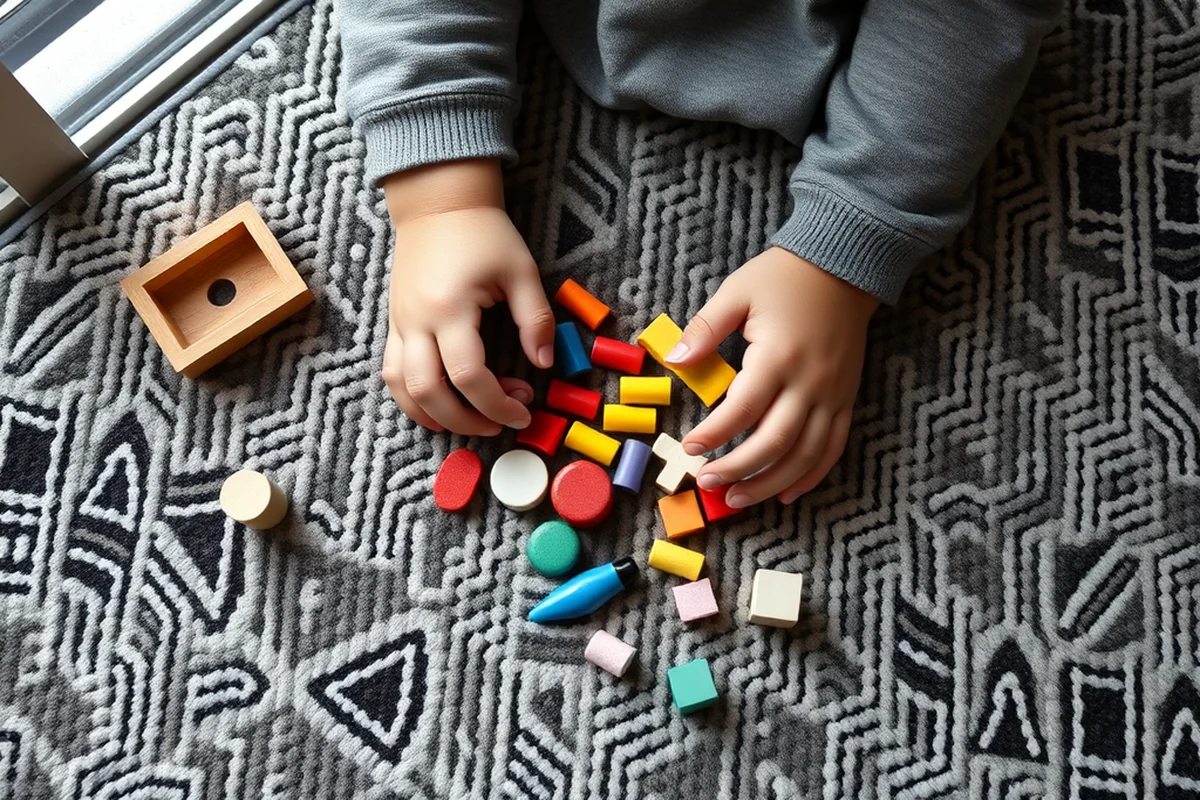
I’ve found that combining printables with tactile elements — like play dough, fabric, or textured paper — makes the learning experience more immersive. For example, I once made a 'texture matching' printable with different textures and had my child match them with corresponding textures on the printable. It was both fun and educational.
Another time, I used sensory bins with printables. I printed a 'shape sorting' activity and had my child use small objects to match the shapes in the printable. It was a great way to integrate sensory play with learning.
Multi-sensory activities help reinforce learning by engaging multiple areas of the brain. It also makes the experience more memorable and enjoyable for your child.
Related: Play based learning printables checklists checklist
Tips for Staying Consistent with DIY Printables
One of the best ways to stay consistent is to create a printable calendar or schedule. I started using a 'printable schedule' that listed different learning activities for each day. It helped me stay on track and ensured that learning was a regular part of our day.
Another tip is to keep your printables organized and easily accessible. I store mine in labeled folders and use a binder to keep them all together. This makes it easier to find the right printable for the day’s learning goal.
Finally, I’ve found that involving my child in the creation process helps them feel more invested in the activity. Whether it’s choosing a theme or helping to cut out the shapes, it makes the experience more meaningful for them.
🍃 Gentle Approach
Ideal for sensitive or easily overwhelmed children, this variation focuses on low-stimulation, open-ended activities that allow your child to explore at their own pace.
⚡ Fast-Track Approach
Best for busy parents who want to maximize learning in short bursts, this approach uses quick, high-impact printables that can be completed in just a few minutes.
✈️ Travel/On-the-Go Approach
Perfect for families on the move, this variation includes printables that are easy to carry, durable, and designed to be used in different environments — from restaurants to airports.
👯♀️ Multiples Approach
Tailored for parents with more than one child, this variation uses printables that can be adapted for multiple children at once, making learning a shared experience.
🔄 Regression Reset Approach
Designed for children who are going through a learning regression, this variation includes printables that help reinforce skills in a gentle and supportive way.
| The mistake | Why it happens | The fix |
|---|---|---|
| Using too many printables at once | This can overwhelm your child and make the learning experience feel too structured or stressful. | Limit the number of printables used at a time, and focus on one learning goal per session. |
| Not adapting the printables to your child’s developmental stage | Using printables that are too advanced can frustrate your child and reduce engagement. | Choose printables that match your child’s current skills and interests, and adjust the difficulty as needed. |
| Forcing the activity | If your child doesn’t want to participate, forcing them can create a negative association with learning. | Let your child lead the way — offer the printable as an invitation, not a requirement. |
Related: Play based learning printables checklist
Diy Play-based Learning Printables
Related: Best play based learning printables checklists
Common Questions
Where can I find templates for DIY play-based learning printables?
How do I know what age my child is ready for?
Can I use these printables without a printer?
What if my child is not interested in the printables?
References
- A PEDAGOGY OF PLAY - Project Zero (pz.harvard.edu)
- Wisconsin Model Early Learning Standards Fifth Edition (dpi.wi.gov)
- first class pre-k guidelines 2024-2025 - children.alabama.gov (children.alabama.gov)
Cite this guide
Playschooled (2026). Diy Play-based Learning Printables. https://playschooled.com/diy-play-based-learning-printables/
Feel free to cite or share this guide.