
Play Based Learning Routines Schedules Mistakes To Avoid
📖 Table of Contents
When my son turned three, I mistakenly believed that play based learning routines schedules had to be rigid, hour-long sessions of structured activities. I carved out blocks of time in the day for puzzles, reading, and 'educational' games, thinking that only then could learning happen. But what I didn't realize was that my approach was stifling creativity and making him anxious. It wasn't until I let go of that schedule that we began to see real learning happen — not through forced hours, but through moments of curiosity, exploration, and connection.[1]
Play based learning doesn't mean chaos, but it definitely doesn't mean a schedule that micromanages every minute. I learned this the hard way after weeks of my son refusing to engage with anything I planned. Eventually, I gave up on trying to make learning fit into a schedule and instead let it flow naturally. What followed was a period of deeper engagement, more questions, and a genuine love for learning that I hadn't seen before. It was a wake-up call — and one that reshaped how we now structure our days.[2]
If you're considering implementing play based learning routines schedules, there are several common mistakes that can derail your efforts. One of the biggest is assuming that a strict schedule is necessary for effective learning. The truth is, a flexible, responsive approach — rooted in observation and the child's natural rhythm — is far more powerful. I've seen this work in my own home, and I've also seen it fail when parents try to force a rigid timeline. The key is to avoid the mistakes I once made and instead embrace a more intuitive, child-led approach.[3]
Why You'll Love This Approach
- It nurtures intrinsic motivation and a lifelong love of learning
- It adapts to your child's unique pace and interests
- It reduces stress and pressure for both parents and children
- It creates space for creativity and problem-solving
The Myth of the Perfect Schedule
As of September 2026, I used to think that having a daily schedule would help my child stay on track and learn more efficiently. But what I found was that the more I tried to enforce a schedule, the more resistance I saw from him. He would resist activities he didn't feel like doing, and it turned learning into a chore. I realized that the rigidity I was imposing was not aligned with his natural curiosity.
Children are not mini-adults, and their brains are not built to follow schedules that are designed for productivity. Instead, they need time to explore, make mistakes, and play. I learned this the hard way — but once I let go of the schedule, I saw a shift in his engagement and enthusiasm.
The first step to avoiding mistakes in play based learning routines schedules is to recognize that the child's needs and interests should guide the schedule, not the other way around. This means letting go of the idea that every hour must be 'productive.'
Observe what your child is naturally drawn to, and let that dictate the flow of your day. If they're fascinated by building blocks, spend more time with that activity. If they're curious about music, explore that.
Part of our Play based learning routines schedules guide.
The Dangers of Overplanning

For weeks, I felt the need to plan every activity for my son. I had a calendar filled with 'learning' sessions and even a checklist of skills I wanted him to master. But what I didn't realize was that this approach was preventing him from engaging in the kind of free, unstructured play that fuels creativity and problem-solving.
One afternoon, I noticed that he was spending hours building elaborate forts with blankets and pillows. I wanted to redirect him to a 'more educational' activity, but I held back. To my surprise, he ended up learning about geometry, balance, and teamwork through that simple play. It was a powerful lesson in the value of unstructured time.
The key takeaway is that while planning can be helpful, it shouldn't overshadow the child's natural curiosity and need for exploration. The most effective play based learning routines schedules are those that allow for flexibility and spontaneity.
Sometimes the most important learning happens when we let go of the plan.
Related: Simple play based learning routines schedules
The Value of Observation
I used to think that I knew what my child needed — after all, I was his parent. But what I didn't realize was that I was often wrong. When I started observing him more closely, I noticed that his interests were far more varied than I had anticipated. He would spend hours building with blocks, only to switch to drawing the next day.
This observation period taught me the importance of being present and responsive. I stopped trying to force learning and instead focused on creating an environment that encouraged exploration. This shift in approach led to more meaningful engagement and a deeper connection with my child.
Observation is a cornerstone of any effective play based learning routine. It allows you to tailor your approach to your child's unique needs and interests, ensuring that learning is both enjoyable and meaningful.
Take time to really watch your child play. Note what they're drawn to, how they interact with their environment, and what excites them. Use these insights to shape your routines.
“When my son turned three, I mistakenly believed that play based learning routines schedules had to be rigid, hour-long sessions of structured activities.”— Playschooled editors
Related: Play based learning routines schedules step by step
Creating a Responsive Environment
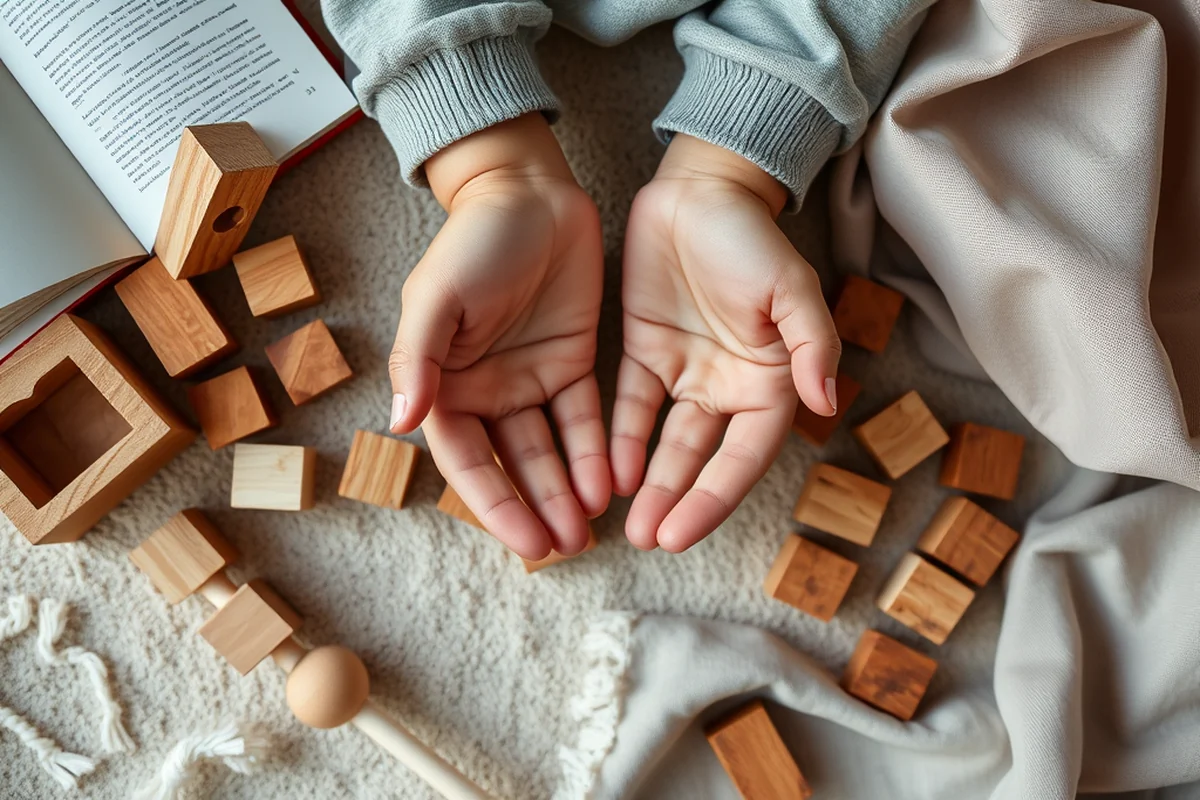
The environment we create for our children plays a crucial role in their learning. I used to think that a structured, clutter-free space was the best way to encourage learning, but that wasn't always the case. My child would often become overwhelmed in a space that was too controlled and lacked sensory stimulation.
I began to experiment with different environments — some with lots of textures, others with quiet corners for reflection, and others with open spaces for movement. This allowed my child to choose how he wanted to engage with his surroundings, which led to more meaningful learning experiences.
A responsive environment is one that supports the child's emotional and physical needs. It's not about having everything planned out, but about being flexible and open to what your child needs in the moment.
🌿 Gentle Approach
Ideal for children who are sensitive or easily overwhelmed. Focus on calm, low-stimulation play and gentle exploration.
🚀 Fast-Track Approach
For parents who want to integrate learning into a busy schedule without sacrificing quality. Short, focused play sessions with clear learning goals.
🧳 Travel/away-from-home Approach
Perfect for families on the go. Utilize everyday objects and environments to create learning opportunities no matter where you are.
👶 Multiples Approach
Tailored for parents of multiple children. Create play based learning routines that allow for individual and group learning at the same time.
🔄 Regression Reset Approach
Designed for times when learning seems to stall. Focus on play and exploration to reignite curiosity and engagement.
| The mistake | Why it happens | The fix |
|---|---|---|
| Assuming that every minute must be 'productive'. | This creates pressure and stress for both the child and the parent, leading to resistance and disengagement. | Embrace unstructured time as an opportunity for exploration and discovery. Not every moment needs to be 'learning' — some of the most powerful learning happens through play and curiosity. |
| Forcing a rigid schedule that doesn't align with the child's natural rhythm. | Children thrive in flexible, responsive environments. A rigid schedule can stifle creativity and lead to frustration and resistance. | Allow your child's interests and energy levels to guide the flow of your day. Be open to changing the schedule as needed. |
| Overplanning and ignoring the child's natural inclinations. | This can lead to disengagement and a lack of interest in the activities you've planned. | Observe your child closely and let their interests dictate the activities you choose. Focus on creating a space that invites exploration and curiosity. |
| Not allowing for enough open-ended play. | Structured activities can be valuable, but without enough open-ended play, children may miss out on opportunities for creativity and problem-solving. | Incorporate a mix of structured and unstructured play. Allow time for free exploration and discovery, even if it doesn't have a clear learning objective. |
Related: What is a play gym
Play Based Learning Routines Schedules Mistakes To Avoid
Related: What is learning activities
The Pitfall of Rigid Time Blocks
Rigid time blocks can stifle creativity and disrupt natural learning rhythms. Here’s why it’s important to be flexible.
I once tried to implement strict 30-minute play blocks for my toddler, thinking it would help with focus and consistency. What I didn’t realize was that this approach was actually making her anxious and resistant to learning. Her natural curiosity was being forced into a mold that didn’t fit. When I let her lead the play, she explored concepts like counting and shapes without any prompting, showing me that flexibility is key.
Children learn best when they’re engaged and interested, not when they’re being pushed into structured activities they don’t want to participate in. I noticed that after removing the rigid schedule, she was more eager to explore and ask questions. This shift not only made learning more enjoyable but also more effective. It was a powerful reminder that play-based learning is about following the child’s lead, not imposing our own timeline.
I now use a loose framework that allows for spontaneous play while still keeping the overall goals in mind. For example, I might set a theme for the day, like 'water play,' but allow her to decide how long she wants to spend on it. This approach has led to deeper engagement and more meaningful learning experiences. It’s a balance that takes time to find, but the results are well worth it.
Related: What is kitchen play set
Common Questions
How do I know when to follow my child's lead and when to guide them?
Can play based learning be effective without a schedule?
How can I incorporate learning into everyday activities?
What if my child is resistant to learning activities?
References
- The Powerful Role of Play in Early Education (cde.ca.gov)
- Play-Based Learning in Private International Preschools in Cairo (fount.aucegypt.edu)
- Wisconsin Model Early Learning Standards Fifth Edition (dpi.wi.gov)
Cite this guide
Playschooled (2026). Play Based Learning Routines Schedules Mistakes To Avoid. https://playschooled.com/play-based-learning-routines-schedules-mistakes-to-avoid/
Feel free to cite or share this guide.