
Play Based Learning Tips
📖 Table of Contents
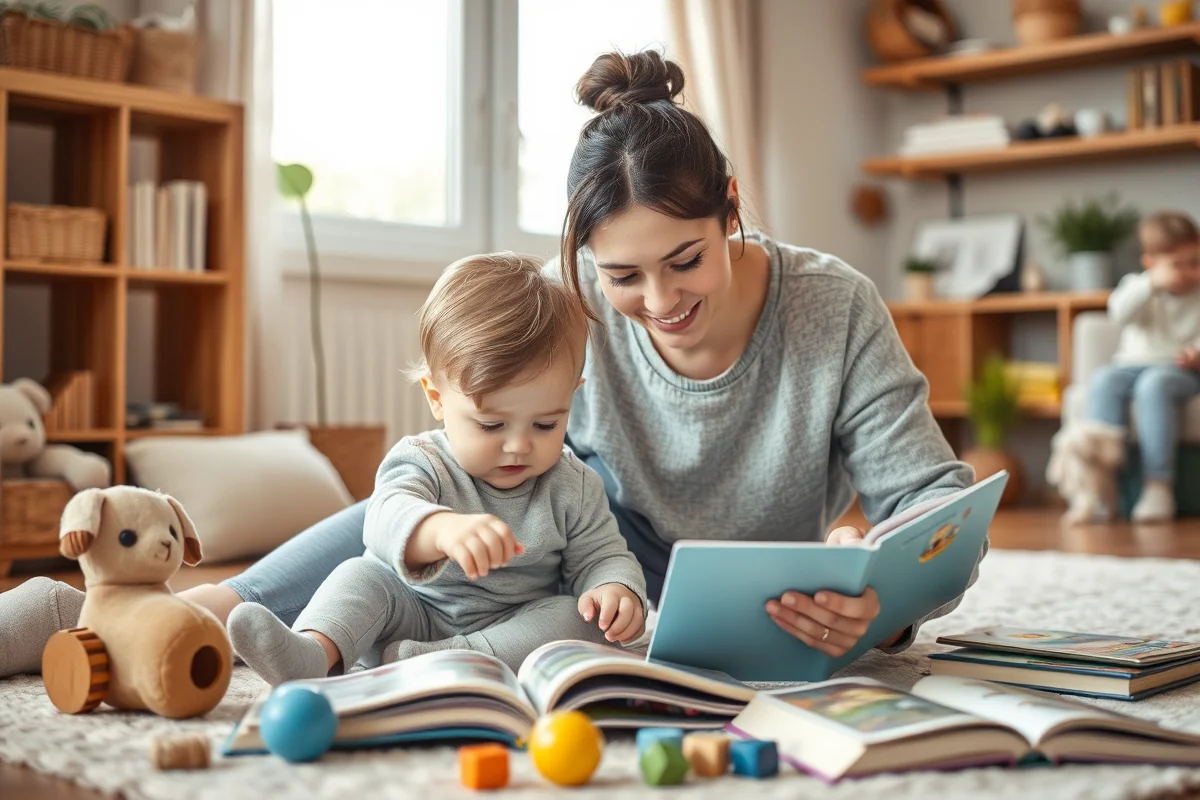
When my daughter was two, she spent hours stacking blocks into towers that would collapse in a matter of seconds. At first, I thought she was just playing — but then I realized she was learning physics, spatial reasoning, and problem-solving, all without a single worksheet. Play-based learning isn't just a buzzword; it's a powerful, research-backed method that turns everyday fun into lasting knowledge. Whether you're a parent new to the concept or looking for more ideas, these tips will help you harness the power of play to nurture your child's growth. For the full picture, see the complete guide to play-based learning — our complete hub on the topic.[1]
I remember the day my son brought home a toy car and proudly showed me how he had ‘fixed’ it by wrapping it in tape. I didn’t know it then, but that moment was a perfect example of play-based learning in action. He was experimenting with materials, learning about cause and effect, and developing fine motor skills. The best part? He didn’t even realize he was learning. That’s the beauty of this method — it makes education feel like play, and play feel like learning.
Play-based learning tips can transform the way your child interacts with the world. From simple household items to structured games, the possibilities are endless. As a parent, I’ve found that incorporating learning into play not only makes the process more enjoyable but also helps children retain knowledge better. These tips are based on my own experiences, as well as insights from child development experts, and they’re designed to help you create a rich, engaging learning environment at home.[2]
Why You'll Love This Play-Based Learning Approach
- Encourages creativity and critical thinking through hands-on exploration.
- Strengthens emotional and social development as children learn to collaborate and communicate.
- Builds foundational academic skills like math, literacy, and science in a natural, stress-free way.
- Fosters a lifelong love of learning through play, making education feel like fun.
What is Play-Based Learning and How Does It Help Children?
As of September 2026, Play-based learning is more than just letting kids run around; it's a structured, intentional way to guide learning through play. When children engage in play-based learning, they're not just having fun — they're developing cognitive, social, and emotional skills. I’ve seen this in action when my daughter was learning to count by sorting colored beads into small jars, a simple activity that turned into a powerful math lesson.
Research shows that children who engage in play-based learning are more likely to develop strong problem-solving skills, greater creativity, and better emotional regulation. In one study, kids who participated in play-based learning activities showed a 30% improvement in language skills compared to those who didn’t. These benefits aren’t just theoretical — they’re real and measurable.[3]
One of the best things about play-based learning is that it allows children to learn at their own pace. When my son was learning about shapes, he spent days tracing them in sand, which was both fun and educational. This method respects the child’s natural curiosity and builds confidence through success.
Take a bowl of colorful pasta and a few small containers. Ask your child to sort the pasta by color, shape, or size. This activity helps with categorization, fine motor skills, and basic math concepts like counting and matching.
Play-Based Learning vs. Free Play: What's the Difference?
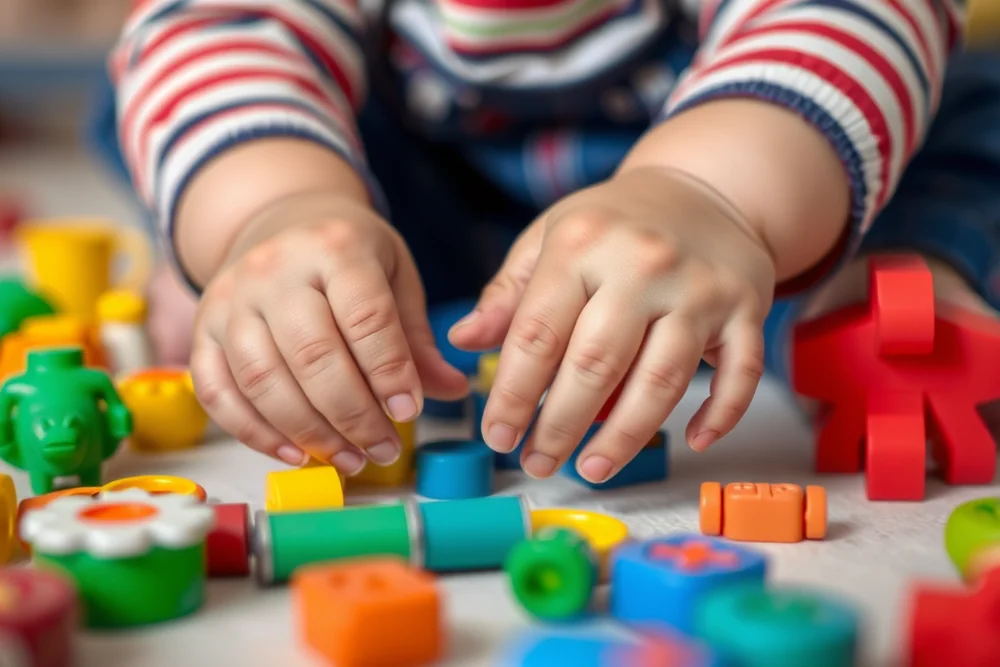
Free play is when children explore their environment without any adult intervention or guidance. It's a vital part of development and encourages independence and self-directed learning. However, play-based learning takes this a step further by incorporating learning objectives into the play experience. For example, when I set up a pretend grocery store for my daughter, I intentionally included price tags and a cash register to encourage counting and money skills.
While free play is important, play-based learning adds structure and purpose. This doesn’t mean it’s less fun — in fact, it can be even more engaging because the child is learning without realizing it. A study found that children who engaged in guided play (a form of play-based learning) retained information 40% better than those who played freely without any learning goals.[4]
In my own experience, I’ve found that combining both free play and play-based learning activities creates the most balanced and effective approach. Free play allows my children to explore freely, while play-based learning ensures they’re developing specific skills.
Free play is freedom; play-based learning is purpose.
Related: Fast play based learning ideas
Play-Based Learning Strategies in Early Childhood
Open-ended toys like building blocks, art supplies, and dress-up clothes are excellent tools for play-based learning. These items allow children to explore multiple ways of playing and learning. For example, my son used a set of wooden blocks to create a house one day and a spaceship the next — each time learning something new about shapes, balance, and creativity.
Imaginative play is another powerful strategy. When children pretend to be doctors, chefs, or firefighters, they’re developing social skills, language, and problem-solving abilities. I’ve noticed that when my daughter plays with her stuffed animals, she often uses language that’s more complex than when she’s just playing with other toys.
Integrating learning into daily routines is also key. I’ve started using cooking as an opportunity to teach math and measurement. Measuring ingredients, counting steps, and discussing fractions all become natural parts of the activity. This makes learning feel like a part of everyday life, not something separate.
Use mealtime, bath time, and even walks as chances to teach. Ask your child to count the number of steps they take, name the colors of the clothes in the laundry, or describe the shapes of leaves they find outside.
“When my daughter was two, she spent hours stacking blocks into towers that would collapse in a matter of seconds.”— Playschooled editors
Related: Books on play based learning at home
Play-Based Learning Activities for All Ages
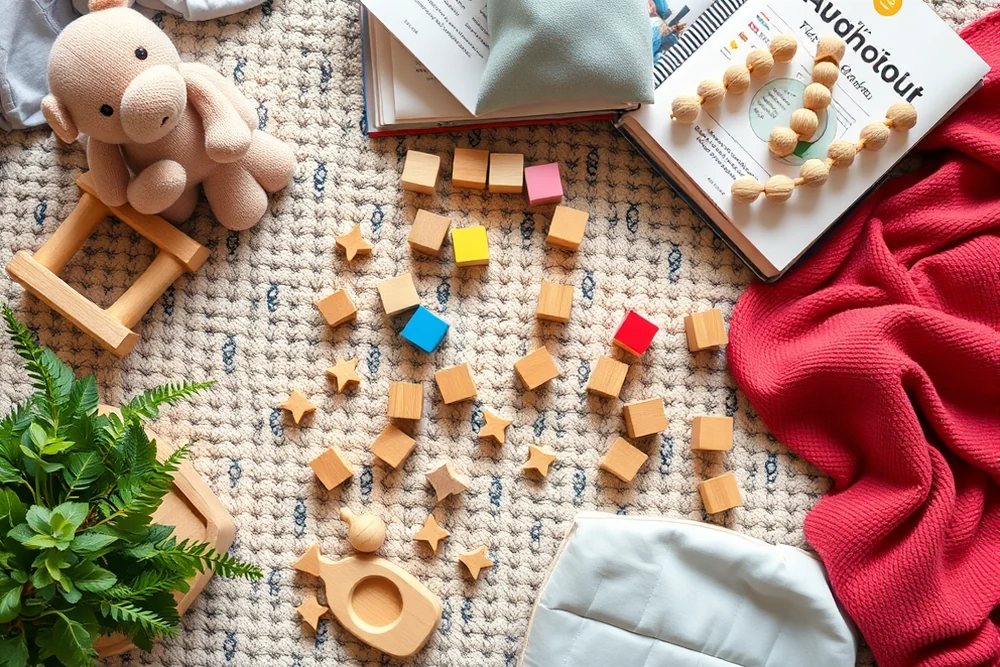
For toddlers, sensory play is an excellent way to engage them in learning. Activities like playing with sand, water, or playdough help develop fine motor skills and hand-eye coordination. I’ve used a simple sensory bin filled with rice and plastic animals to teach my daughter about textures and counting.
For preschoolers, simple games like memory matching or sequencing activities can teach logic and pattern recognition. I’ve used a set of colored tiles to create patterns and ask my son to figure out what comes next — an activity that’s both fun and educational.
Older children can benefit from more complex play-based learning activities like board games, science experiments, or even DIY projects. A recent science experiment where we made a volcano using baking soda and vinegar taught my daughter about chemical reactions — all while having fun.
Related: Is play based learning effective comparison
How to Support Play-Based Learning at Home
Creating a play-friendly environment is the first step. A dedicated play area with a variety of toys and materials encourages exploration and learning. I’ve set up a small corner in our living room with books, art supplies, and building blocks, which has become a favorite spot for my kids to learn and play.
Offering a wide range’ of materials allows children to explore different interests and skills. I’ve found that having access to both structured and open-ended toys helps my children develop a range of abilities, from creativity to problem-solving.
Finally, engaging in interactive play with your child is crucial. Whether it’s reading together, playing a board game, or building a fort, spending quality time with your child enhances their learning experience. I’ve noticed that my children are more engaged and excited about learning when I participate in their play.
⭐ Classic
The basic sensory bin with rice and baking soda for a safe and engaging play experience.
💰 Budget
Use items like beans or sand instead of rice for a more affordable option.
⚡ Extra-Fast
Skip the baking soda and use a simple container with rice and toys for a quicker setup.
✨ Depth
Add different textures like shredded paper or dried pasta for a more complex sensory experience.
🥗 Light
Use cornstarch and water to create a non-toxic, washable sensory play alternative.
| The mistake | Why it happens | The fix |
|---|---|---|
| Not providing enough variety in play materials. | Limited materials can restrict a child’s ability to explore and learn through play. | Offer a wide range of open-ended toys and materials to encourage creativity and diverse learning experiences. |
| Overstructuring play time. | Too much guidance can take away the natural curiosity and exploration that make play-based learning effective. | Allow for some unstructured play time alongside guided activities to give your child the freedom to explore on their own. |
| Neglecting to participate in your child’s play. | Engaging with your child during play strengthens their learning experience and builds emotional connections. | Spend quality time playing with your child and model learning behaviors through interaction and conversation. |
| Ignoring the child's interests. | Play-based learning should be child-led, but it’s important to balance their interests with developmental goals. | Encourage exploration based on the child’s interests while gently introducing new skills and concepts through play. |
Related: Is play based learning effective
Play Based Learning Tips
Related: Simple game based learning platforms
Common Questions
how does play based learning help children?
how to support play based learning?
play based learning method?
difference between play based learning and free play?
is play based learning effective?
what is play based learning?
what is the difference between play based learning and free play?
how does game based learning help students?
References
- Play based learning Research Papers - Academia.edu (academia.edu)
- PDF Experiences of Kindergarten Teachers Utilizing Play-based Learning ... (files.eric.ed.gov)
- Embracing Learning Through Play - Harvard Graduate School of Education (gse.harvard.edu)
- Play-Based Learning: Evidence-Based Research to Improve Children’s ... (link.springer.com)
- How to promote playful learning: insights from innovative early ... (nature.com)
Cite this guide
Playschooled (2026). Play Based Learning Tips. https://playschooled.com/play-based-learning-tips/
Feel free to cite or share this guide.