
Play-based Learning Printables Mistakes To Avoid
📖 Table of Contents
- Mistake 1: Using Printables as the Main Learning Tool
- Mistake 2: Not Tailoring Printables to Your Child’s Age and Interests
- Mistake 3: Not Making Learning Interactive
- Mistake 4: Overloading Your Child with Too Many Printables at Once
- Mistake 5: Not Being Patient with the Learning Process
- Make It Your Way
- Frequently Asked Questions
When I first tried to use play-based learning printables for my son, I was excited but overwhelmed. I printed out a dozen worksheets, expecting him to sit and color while learning. But instead, he tossed them in the air and ran out of the room. That was my first lesson: play-based learning isn’t about worksheets—it’s about engagement, curiosity, and connection. I had fallen into one of the many common mistakes parents make when using play-based learning printables, and I’ve since learned the hard way what to avoid.[2]
The problem with play-based learning printables is that they’re often misused. They become flashcards, worksheets, or even time-fillers, which robs them of their purpose. I used them as a ‘teaching tool’ rather than a ‘play tool,’ which meant my son didn’t see them as something fun to do. He saw them as something I expected him to do, and that changed everything. Once I shifted my mindset, I saw how powerful these tools could be when used correctly.[3]
Now, I use play-based learning printables in a way that aligns with how my son learns best: through exploration, repetition, and hands-on interaction. I’ve avoided the common mistakes that turn these resources into something boring or ineffective. I’ve learned to pick the right printables, to use them in the right context, and to be patient with the process. That’s why I’m writing this—so you can avoid those same pitfalls and make the most of play-based learning printables.
Why You'll Love This Article
- Avoid the most common mistakes parents make with play-based learning printables
- Discover how to use printables in a way that aligns with your child’s natural curiosity
- Get practical, real-world examples of what works and what doesn’t work
- Learn how to transform printables into meaningful learning tools, not just busy work
Mistake 1: Using Printables as the Main Learning Tool
As of September 2026, one of the biggest mistakes I made early on was treating printables as the primary way my son learned. I would spend an hour each day printing out activities, only to watch him lose interest within minutes. It was clear that the printables weren’t engaging him, and I was wasting both our time.
I realized that printables work best when used as supplements to other learning methods. They should be part of a larger, more interactive approach. I started using them during playtime, pairing them with blocks, puzzles, or even nature walks. This made the learning more natural and enjoyable for him.
Now, I only use printables for 10–15 minutes at a time, and I make sure they’re part of a larger activity. This shift made a big difference in how much my son wanted to participate and how much he retained from the activities.[1]
Pair printables with real-world objects, toys, or movement to make learning more engaging and effective.
Part of our Play based learning printables checklists guide.
Mistake 2: Not Tailoring Printables to Your Child’s Age and Interests

I once printed out a set of math printables for my 3-year-old, thinking they’d help him learn to count. Instead, he pushed them away and spent the entire time trying to tear them up. It wasn’t that he didn’t want to learn—it was that the printables were too complex and not in line with his interests.
I realized that I needed to match the printables with my child’s developmental stage and interests. I started looking for printables that included animals, shapes, and colors—things he loved. I also made sure the activities were age-appropriate and not too busy or confusing.
This change made a huge difference. My son was more willing to interact with the printables, and he started to pick up concepts without even realizing he was learning.
Choose printables that align with your child’s current interests and developmental level.
Related: How to play based learning printables checklists
Mistake 3: Not Making Learning Interactive
At first, I thought learning meant sitting at a table and coloring in a printable. But that didn’t work for my son. He wanted to move, explore, and play. When I forced him to sit and complete a printable, he resisted every time.
I learned that interaction is key. I started turning printables into games, scavenger hunts, and role-playing activities. I would print out shapes and ask him to find them around the house, or I would print out a story and act it out together. This made the learning more engaging and fun.
Now, I use printables as part of a larger, interactive learning experience. This has made a big difference in how my son engages with the materials and how much he learns from them.
Turn printables into games, stories, or hands-on activities that involve movement and exploration.
“When I first tried to use play-based learning printables for my son, I was excited but overwhelmed.”— Playschooled editors
Related: How to play based learning printables
Mistake 4: Overloading Your Child with Too Many Printables at Once
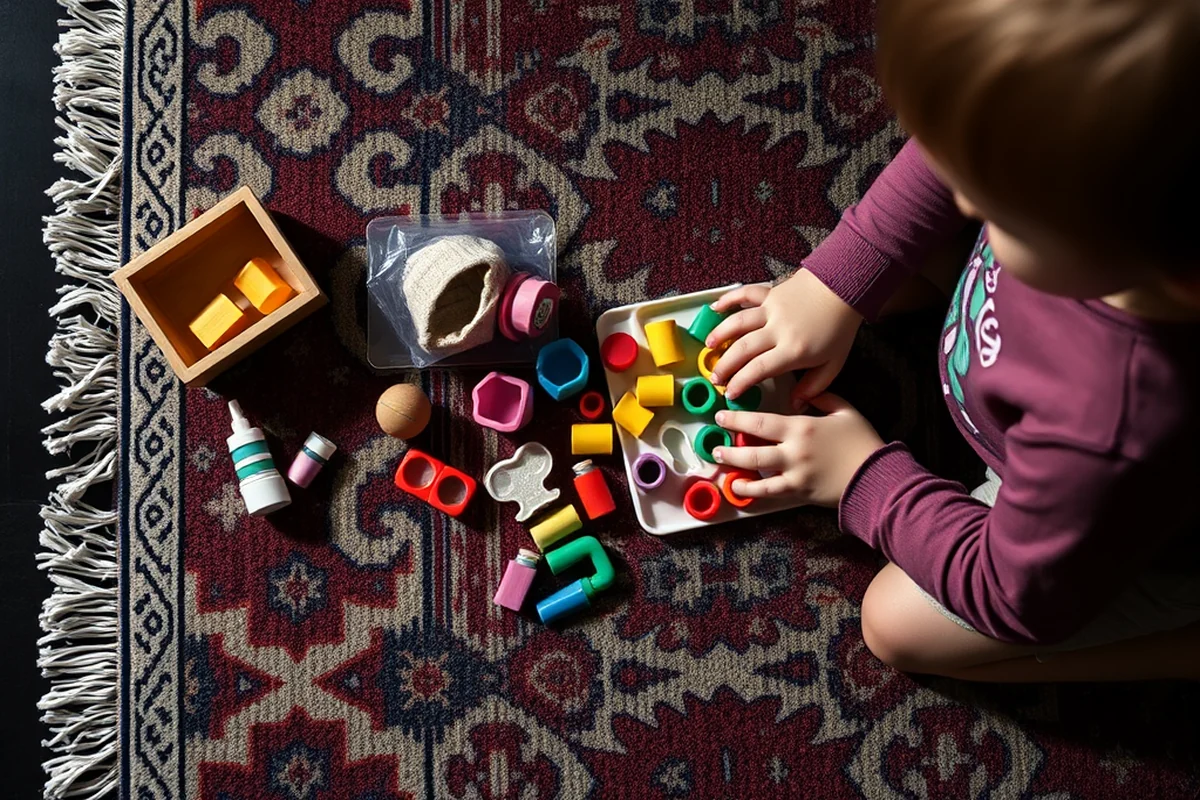
I used to print out a bunch of different activities at once, thinking that more was better. But my son would look at the stack and just say, ‘No.’ He didn’t know where to start, and it felt overwhelming to him.
I realized that quality matters more than quantity. I started focusing on one or two printables at a time, making sure they were simple and engaging. I also introduced them gradually, so my son didn’t feel like he had to complete a huge task all at once.
Now, I only use one or two printables per session, and I make sure they’re aligned with what my son is interested in. This has made a big difference in his engagement and how much he learns from the activities.
Related: Affordable play based learning printables
Mistake 5: Not Being Patient with the Learning Process
I used to get frustrated if my son didn’t complete a printable in one sitting or didn’t seem to grasp the concept right away. I would push him to finish, which made him more resistant to using the printables.
I learned that patience is key. I started giving him more time to explore the printables on his own terms. I stopped pushing him to complete them quickly and instead focused on the process. This made the learning more enjoyable for him and more effective for me.
Now, I give my son time to engage with the printables in his own way. I don’t expect immediate results, and I’ve seen a big difference in his willingness to learn through play.
🌱 Gentle Approach
Focus on slow, steady learning with low-pressure printables that match your child’s pace and interests.
⚡ Fast-Track Method
Use printables for quick, focused learning bursts that fit into busy schedules without overwhelming your child.
✈️ Travel/On-the-Go Style
Keep simple, portable printables in your bag for learning opportunities during car rides, flights, or waits.
👶 Multiples-Friendly Approach
Choose printables that can be used with multiple children at once, offering activities that foster cooperation and competition.
🔄 Regression Reset
Use printables to revisit and reinforce concepts your child may have previously mastered, helping them build confidence and fluency.
| The mistake | Why it happens | The fix |
|---|---|---|
| Using printables as the main learning tool | Printables should enhance, not replace, hands-on learning. When used as the only tool, they lose their effectiveness. | Pair printables with real-world objects, toys, or movement to make learning more engaging and effective. |
| Not tailoring printables to your child’s age and interests | Printables that are too advanced or not aligned with your child’s interests can be frustrating or ignored. | Choose printables that match your child’s developmental stage and interests, and avoid overly complex or busy designs. |
| Not making learning interactive | Printables should be part of a more dynamic, interactive learning environment rather than just something to complete. | Turn printables into games, scavenger hunts, or role-playing activities that involve movement and exploration. |
| Overloading your child with too many printables at once | Too many printables can overwhelm your child and reduce the effectiveness of each one. | Focus on one or two printables at a time, and introduce them gradually to avoid overwhelming your child. |
Related: Best play based learning checklists
Play-based Learning Printables Mistakes To Avoid
Related: Easy play based learning printables checklists
Mistake 7: Failing to Evaluate the Quality of Printables
When I first started using printables, I printed everything I could find online, only to discover that many were poorly designed or not developmentally appropriate. I learned the hard way that low-quality printables can be confusing or even harmful to a child’s learning. Now, I take time to research and choose printables that are well-reviewed, visually appealing, and aligned with my child’s developmental stage.
I’ve come to appreciate the difference between free and paid printables. While some free resources are excellent, others are rushed or lack proper formatting. I now prioritize printables from educators or parents who have a proven track record. I also check for clear instructions, appropriate difficulty levels, and alignment with learning objectives. It’s easy to get overwhelmed by the sheer number of printables available online, but I’ve learned that quality over quantity is key.
One of the biggest mistakes I made was not checking whether the printables were age-appropriate. I once printed a set of fraction worksheets for my 5-year-old, only to find that the concepts were far too advanced. Now, I always read through the printable before printing to ensure it’s suitable for my child. I’ve also learned to be cautious of printables that are overly colorful or busy, as they can be distracting and reduce the effectiveness of the learning activity.
Mistake 6: Neglecting the Importance of Real-World Application
I once used a set of printable money worksheets with my five-year-old, only to realize later that she had no idea how to use actual coins. This disconnect meant the learning didn't translate into practical skills. Printables should serve as a bridge, not an end. When I paired the worksheets with a mini-store activity using real or play money, her understanding deepened dramatically. This mistake is common because many printables focus on isolated skills rather than real-life scenarios.
Real-world application helps children see the relevance of what they're learning. For example, a printable about shapes is more effective when it’s used during a nature walk or while cooking together. I noticed my child was more engaged and retained information better when the activity had a purpose beyond just completing a worksheet. Without this context, learning becomes abstract and less meaningful. I learned this lesson the hard way when I used a printable counting game that had no connection to daily routines—my child lost interest quickly.
To avoid this mistake, look for printables that encourage problem-solving in practical contexts. I now choose activities that can be adapted to everyday situations, such as sorting laundry by color or measuring ingredients while baking. This approach not only makes learning more engaging but also helps children see the value in what they're doing. The key is to ensure that every printable has a clear, real-world connection that your child can experience and understand.
Common Questions
How can I make printables more engaging for my child?
What should I do if my child refuses to use printables?
How long should I spend on printables each day?
Can I use printables for older children?
References
- Early Learning and Development Standards - Ohio.gov (dam.assets.ohio.gov)
- Washington State Early Learning and Development Guidelines ... (dcyf.wa.gov)
- Learning Through Play By: Steffenie Williams A dissertation ... (asset.library.wisc.edu)
Cite this guide
Playschooled (2026). Play-based Learning Printables Mistakes To Avoid. https://playschooled.com/play-based-learning-printables-mistakes-to-avoid/
Feel free to cite or share this guide.