
Play-based Learning Indoor Ideas
📖 Table of Contents
One Tuesday afternoon, I found my 3-year-old son sprawled on the living room floor, engrossed in a game of 'store' with a cardboard box, a few blocks, and a plastic cash register. It was the kind of moment that made me realize how powerful play-based learning can be—no flashcards, no screens, just pure, joyful exploration. I had been trying to make learning more structured, but that day, I saw the magic happen in the most unstructured way. Play-based learning indoor ideas are not just about filling time; they're about building curiosity, creativity, and confidence.[2]
I remember thinking, 'Why haven’t I been doing this more?' It wasn’t about lack of resources or time—it was about not knowing how to make learning feel like play. I had read about the benefits of play-based learning, but I had never seen it so clearly in action. That day, I decided to shift my focus. I started creating indoor learning spaces that were safe, engaging, and intentionally designed for exploration. The results were surprising: my child was more focused, more communicative, and clearly enjoying the process.[3]
Since that day, I’ve spent countless hours experimenting with different play-based learning indoor ideas, from sensory bins to role-playing zones. What I’ve discovered is that the best learning happens when children feel free to explore, make mistakes, and take the lead. Play-based learning is not just an educational method—it’s a way of life that nurtures the whole child. And it doesn’t require a lot of money or space; it just requires a little creativity and a lot of love.
Why You'll Love This Approach to Play-Based Learning
- Encourages natural curiosity and exploration
- Builds problem-solving and creativity skills
- Creates joyful, memorable learning moments
- Requires minimal cost and space to implement
The Power of Sensory Bins for Early Learning
As of October 2026, Sensory bins are one of my favorite tools for play-based learning. I fill a large container with materials like rice, beans, or shredded paper and hide small toys or items for the child to find. It’s a low-cost way to create a stimulating environment that encourages fine motor skills, counting, and pattern recognition.
I remember the first time I used a sensory bin with my son. He was fascinated by the textures and the way the items felt when he picked them up. He didn’t even notice he was learning basic math as he counted the hidden treasures. It was a win-win for us.
The best part is that I can customize the sensory bins depending on what we're learning. For example, during a unit on animals, I added plastic animal figurines and a toy magnifying glass. It turned a simple activity into a full lesson in nature and science.
Don’t feel pressured to have elaborate sensory bins. Even a cardboard box with a few items can make a huge difference for your child’s learning.
Part of our Play based learning indoor rainy day ideas guide.
Creating a Home-Based Pretend Play Zone
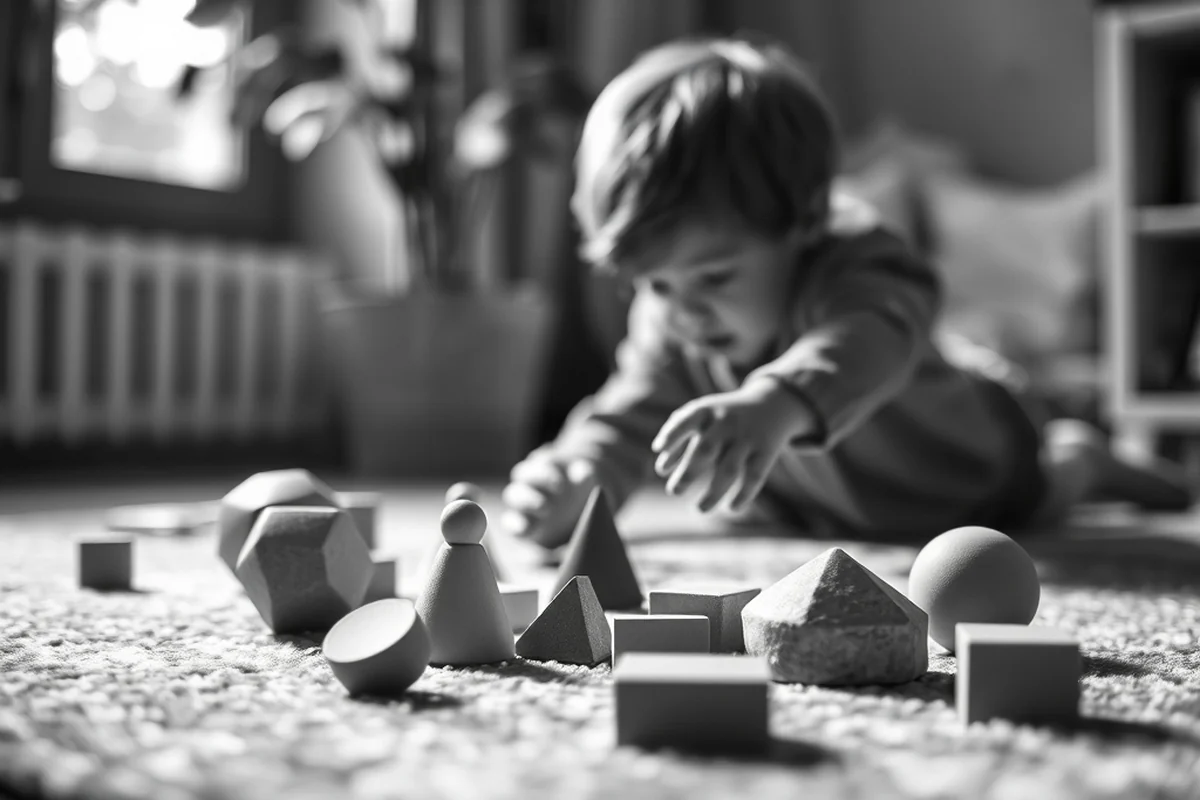
I set up a small corner in my living room with a mini kitchen, a play phone, and a few dress-up clothes. My son immediately started pretending to be a chef, and I was amazed at how quickly he began using real-life vocabulary like 'stir,' 'slice,' and 'serve'.
Pretend play is one of the most powerful tools for language development. I noticed that my son was speaking more clearly and using more complex sentences during these play sessions. It was like watching a language explosion in real time.
I also noticed that he was learning about responsibility and teamwork as he played with his older sibling. They took turns being the 'waiter' and the 'chef,' and they were learning to communicate and negotiate in a fun way.
Pretend play is where the magic of childhood happens.
Related: Easy play based learning indoor rainy day ideas
Incorporating Nature Indoors with a Mini Garden
I set up a small indoor garden with a few plants that are easy to care for, like herbs or succulents. My son loved watering the plants and watching them grow. It turned into a daily routine where he learned about responsibility and the life cycle of plants.
One of the most surprising things was how much he started asking questions. 'Why did the leaves turn yellow?' or 'Why does the plant need water?' I realized that he was not just learning about plants—he was developing a love for science and inquiry.
It also gave us a quiet place for mindfulness and relaxation. We would sit together and watch the plants grow, which helped both of us slow down and be present in the moment.
Choose plants that are easy to maintain and set up a watering schedule that your child can participate in. Even a few minutes a day can make a big difference.
“One Tuesday afternoon, I found my 3-year-old son sprawled on the living room floor, engrossed in a game of 'store' with a cardboard box, a…”— Playschooled editors
Related: Play based learning indoor guide
Using Art to Encourage Emotional Expression
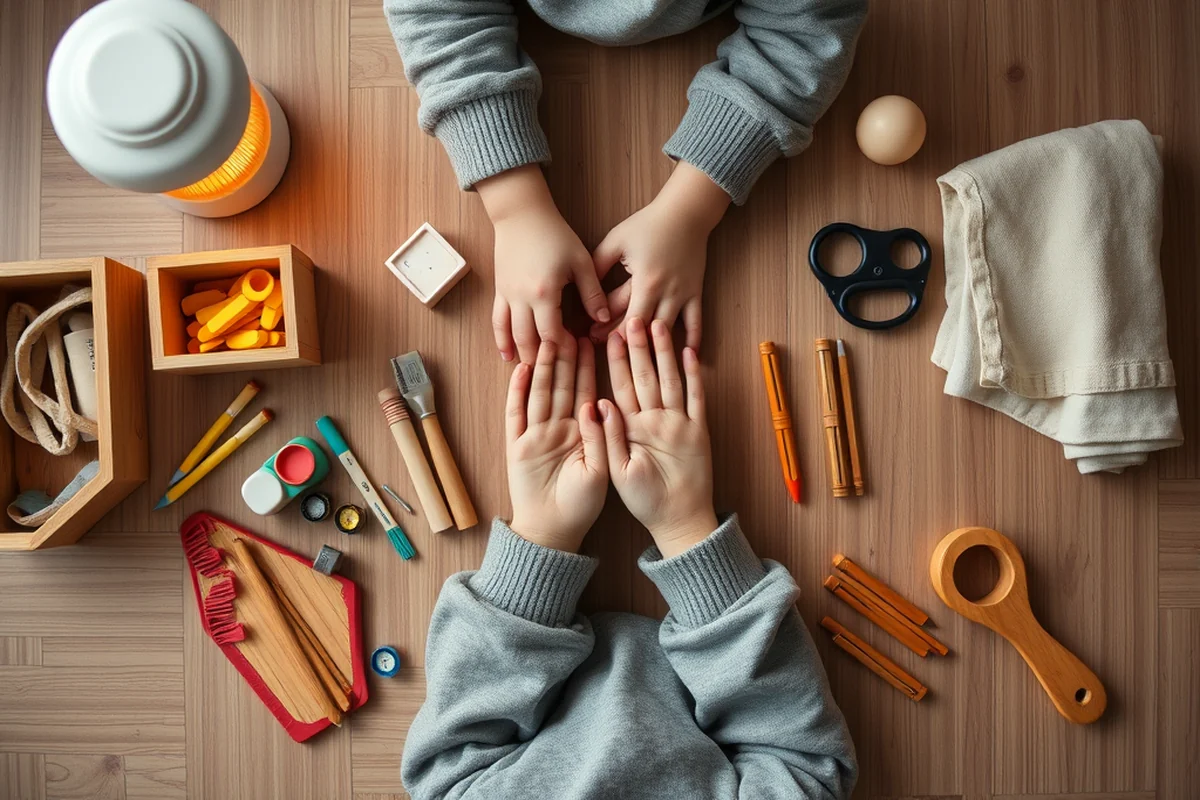
I set up an art corner with paper, crayons, and markers, and I noticed how my son used different colors to express his emotions. He would draw a red sun when he was happy and a gray cloud when he was sad. It was amazing to see him communicate his feelings in a way that was both safe and creative.
Art also helped him develop fine motor skills and spatial awareness. I saw how he was learning to hold a crayon properly and how he was experimenting with different textures and patterns.
I found that the act of creating art made him more confident. He started sharing his drawings with me and even with his friends. It became a way for him to connect with others and express himself.
Related: Play based learning indoor that actually work
Music and Rhythm as a Learning Tool
I started playing music around the house, and my son began tapping his feet and clapping along. We started making our own simple rhythms with drums and shakers, and it was a fun way to explore beats and patterns.
I noticed that he was learning to follow directions as we played games like 'Simon Says.' He was also developing his listening skills, as he had to pay attention to the music and respond accordingly.
One of the best things was that he started singing along to songs we heard on the radio. It was a way for him to practice his language skills and even learn new vocabulary. It was like a musical classroom in our home.
🌿 Gentle Play-Based Learning
Ideal for sensitive children, this variation focuses on calm, low-stimulation activities like storytelling and gentle art.
⚡ Fast-Track Play-Based Learning
Perfect for busy families, this approach uses quick, high-impact activities like short music sessions or 15-minute sensory play.[1]
🧳 Travel/Away-from-Home Play-Based Learning
This variation uses portable items like travel-sized sensory bins or a lightweight mini garden for learning on the go.
👯♀️ Multiples Play-Based Learning
Tailored for siblings, this approach includes activities that encourage teamwork and shared learning experiences, like cooperative board games.
🔄 Regression Reset Play-Based Learning
This variation helps children who are struggling with learning or behavior by using structured, repetitive play to build confidence and routine.
| The mistake | Why it happens | The fix |
|---|---|---|
| Forcing play into structured formats | Children learn best through exploration and discovery, not through rigid lesson plans. | Let your child lead the activity and provide materials that spark their curiosity. |
| Not allowing enough time for play | Learning through play takes time, and rushing through activities can reduce their effectiveness. | Set aside dedicated, uninterrupted time for play and avoid multitasking during these moments. |
| Overloading with too many materials | Too many options can overwhelm a child and make it hard for them to focus on learning. | Start with a few simple, open-ended materials and gradually introduce more as your child becomes comfortable. |
| Ignoring your child’s interests | If you push activities your child doesn’t like, they may lose the joy of learning. | Observe what your child enjoys and build learning activities around their interests. |
Related: Diy play based learning indoor rainy day ideas
Play-based Learning Indoor Ideas
Related: Best play based learning indoor rainy day ideas
Building Math Skills Through Everyday Objects
I’ve found that using items like spoons, blocks, or even fruit from the kitchen transforms math into a hands-on experience. For example, I once asked my 4-year-old to sort 20 bottle caps by color, size, and shape — this took about 15 minutes and naturally introduced concepts like categorization and comparison. It’s amazing how much learning can happen without a textbook.
I also set up a simple 'store' with toys as items for sale and used play money to teach addition and subtraction. My child would count out coins for a 'purchase,' and I would keep track of the totals. This not only made math relatable, but it also gave her a chance to practice real-life skills like making change. It took about 20 minutes each session, but she asked to repeat it several times.
By using familiar objects, the math concepts feel less intimidating and more engaging. I’ve noticed that my child’s confidence in numbers has grown significantly since we started this routine. The key is to keep the activities short and fun, with a clear goal in mind — like counting to 10 or sorting a specific number of items.
Encouraging Scientific Thinking with Simple Experiments
I started doing simple science experiments with my kids after reading about the importance of inquiry-based learning. One of my favorite activities was mixing baking soda and vinegar to create a mini volcano. This not only excited my child, but it also gave her a chance to observe chemical reactions in action. I used a small bowl, some baking soda, vinegar, and food coloring — all items we had on hand.
Another experiment involved exploring buoyancy by dropping different objects into a water-filled container. I asked my child to predict whether each item would float or sink, and then we tested it together. This simple activity introduced her to the concept of density and encouraged her to think critically about why things behave the way they do. I noticed her asking more 'what if' questions after we did this.
Science experiments don’t need to be complicated or expensive. I’ve used items like magnets, magnifying glasses, and even kitchen items like cornstarch and water to create a non-Newtonian fluid. These activities helped my child develop a sense of wonder and a love for exploring the world around her — and it all happened right in our living room.
Common Questions
How can I make play-based learning feel natural at home?
What if I don’t have a lot of space for learning activities?
How do I know if my child is learning through play?
Can play-based learning help with academic skills?
References
Cite this guide
Playschooled (2026). Play-based Learning Indoor Ideas. https://playschooled.com/play-based-learning-indoor-ideas/
Feel free to cite or share this guide.