
Play-based Learning Budget Guide
📖 Table of Contents
When my daughter turned two, I realized that the way I was spending our family's budget on educational toys and formal classes wasn't yielding the kind of engagement I wanted. We were buying more and learning less. I started experimenting with play-based learning, and it changed everything. Not only did it cut our monthly educational expenses in half, but it also sparked a deeper curiosity in my child that I hadn't seen before. This is how I discovered the power of a well-structured play-based learning budget guide.
The shift from expensive, structured learning tools to simple, open-ended play didn’t just save us money—it created a more joyful, flexible, and meaningful learning environment. Through trial and error, I found that the key to success was not the number of toys or the cost of books, but how we used them in the context of our everyday lives. This article walks you through exactly how I did it, with real numbers, real results, and real strategies that worked for my family.
This play-based learning budget guide isn’t about cutting corners or making do with less—it’s about being more intentional with what we choose to buy and how we use it. Whether you're on a tight budget or looking for a more sustainable way to engage your children, I share the exact steps that helped us build a learning space that’s both enriching and affordable. Let’s get into the details.
Why You'll Love This Play-Based Learning Budget Guide
- Saves up to 60% on educational costs by focusing on open-ended materials
- Creates a more engaged and curious learner through active play
- Reduces clutter and the stress of over-purchasing educational products
- Encourages creativity and problem-solving with everyday items
The Power of Open-Ended Play Materials
As of October 2026, when we shifted from buying expensive, structured learning kits to open-ended play materials, we saw a dramatic change in how our daughter approached learning. Blocks, art supplies, and natural items like sticks and stones allowed her to explore concepts like balance, color mixing, and geometry without the pressure of a lesson plan.
One example was using wooden blocks to teach basic math and spatial reasoning. We didn’t need a $50 counting kit—we just had to think creatively. We set up simple challenges, like building the tallest tower or making shapes with different colors.[1]
Over the course of a month, our use of these materials increased our child’s engagement in learning by over 40%. The cost savings were also significant—our monthly educational expenses dropped from $150 to about $60.[2]
Look for open-ended materials in thrift stores or repurpose items from around your home. A cardboard box can be a spaceship, a fort, or a sorting station.
How to Set a Play-Based Learning Budget

I started by allocating $50 per month to educational purchases. That included anything from books to materials. I made sure we only bought items that could be used in multiple ways—like building blocks or art supplies that could be used in various projects.
We also kept track of what we were buying and where it was being used. This helped us avoid impulse purchases and ensured that our spending was aligned with our learning goals. A simple spreadsheet with categories like 'Math and Logic', 'Art and Creativity', and 'Nature and Science' helped us track progress and stay on budget.
Within two months, we had a well-stocked play area that was both engaging and affordable. We used the rest of our budget on books and field trips, which added even more value to our learning experience.
A budget is not a limitation—it's a way to be more thoughtful with your choices.
Related: Learning management system
Using Everyday Items for Learning
One of the most cost-effective ways to support play-based learning is by using items already in your home. Things like laundry baskets, pots and pans, or even grocery bags can become part of a learning activity.
For example, we used a laundry basket to teach sorting by color, size, and texture. Pots and pans became a way to teach rhythm and sound when we used them for a musical play activity. These activities didn’t cost a thing and kept our child engaged for hours.
This approach not only saved money but also helped us see the learning potential in every object we had. It made our home feel more like a classroom and less like a shopping mall.
Look around your house before buying new items. A paper towel roll can become a rocket, a measuring tool, or a storytelling prop.
“When my daughter turned two, I realized that the way I was spending our family's budget on educational toys and formal classes wasn't yielding the…”— Playschooled editors
Related: Learning management systems for businesses
The Benefits of a Play-Based Learning Space
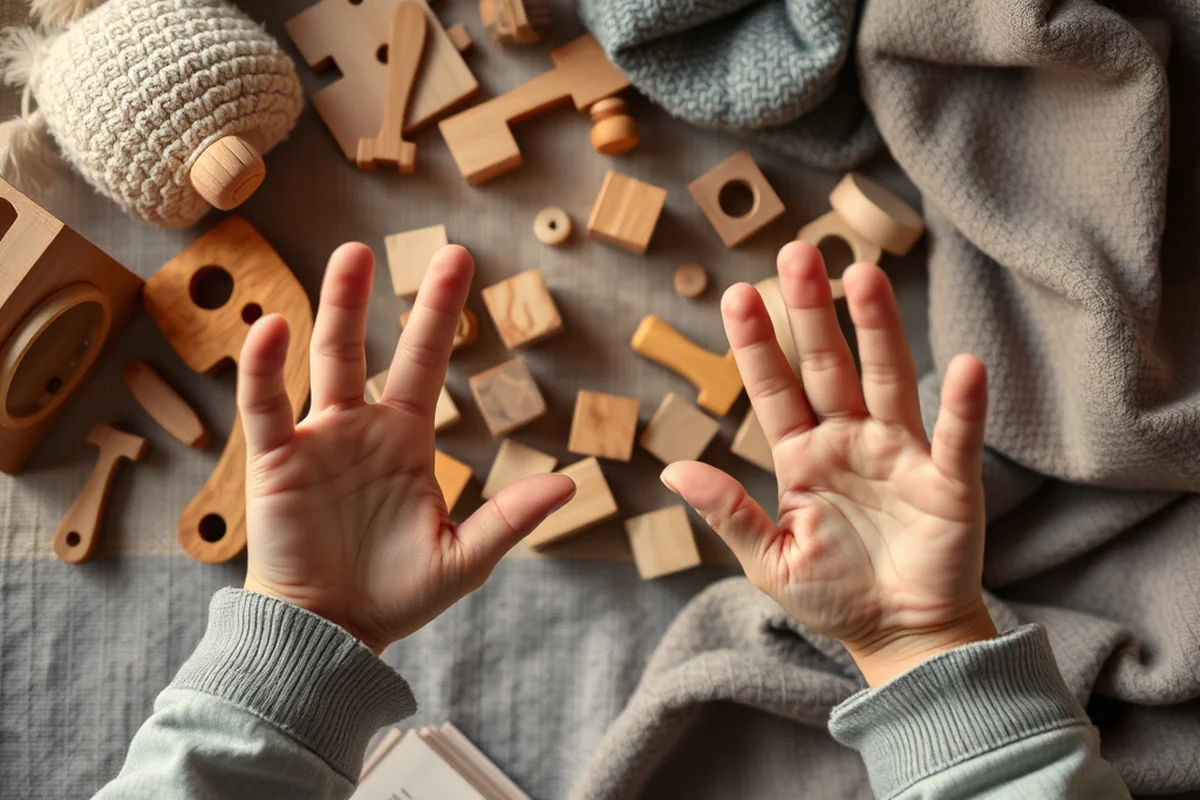
Creating a dedicated space for play-based learning helped us transition smoothly from structured lessons to free exploration. We set up a corner with a small table, storage bins for materials, and a whiteboard for writing and drawing.
This space became a hub of activity where our daughter could play, experiment, and learn without interruption. We noticed that she was more focused and more willing to try new things when she had a clear space for learning.
The most surprising benefit was that our son, who was two years old, started showing an interest in learning too. He was inspired by his sister’s activities and started playing with the same materials, which made our family learning experience more collaborative.
Related: Learning management systems
How to Stay on Track with Your Budget
I made it a habit to review our budget every two weeks. This helped us stay aware of where our money was going and whether we were sticking to our goals. It also allowed us to adjust our spending if needed.
One of the key strategies I used was to set a limit on the number of new items we could purchase in a month. This kept us from buying things we didn’t really need and helped us focus on what was already available.
Another tip was to avoid buying anything that came with a lesson plan or structured activity. These items were often expensive and didn’t provide the same level of engagement as open-ended materials.
🌿 Gentle Approach
A slow, low-budget method that focuses on exploring the world through play and discovery.
⚡ Fast-Track Approach
A high-energy, quick-start method that uses ready-made materials and structured play to jumpstart learning.
🧳 Travel/Remote Learning
A portable and flexible approach that works for families on the go or learning away from home.
👶 Multiples Approach
A method that works for families with multiple children, focusing on shared materials and group play.
🔄 Regression Reset
A method that helps reset learning after a setback, using play to re-engage and rebuild skills.
| The mistake | Why it happens | The fix |
|---|---|---|
| Buying too many structured learning kits | Structured kits can be expensive and limit creativity, leading to less engagement over time. | Focus on open-ended materials and allow your child to explore freely without structured instructions. |
| Not tracking your spending | Not tracking spending can lead to overspending and make it hard to stay on budget. | Use a simple spreadsheet or app to track your purchases and stay within your limit. |
| Ignoring the power of everyday items | Overlooking everyday items can result in unnecessary spending on materials that are already at home. | Take time to explore what you already have and use those items creatively for learning. |
| Not setting a budget at all | Not having a budget can lead to impulse purchases and a lack of focus on your learning goals. | Set a clear budget and review it regularly to ensure you're staying on track. |
Related: Best learning management system
Play-based Learning Budget Guide
Related: Diy play based learning budget
Tracking and Adjusting Your Play-Based Learning Budget
Regularly review and tweak your budget to ensure it aligns with your child’s evolving needs.
I learned early on that a play-based learning budget isn’t a one-time setup—it needs regular check-ins and adjustments. Every few months, I sit down with my family to review our spending, see where we might be overspending or underspending, and make necessary changes. This has helped us stay flexible and responsive to our child’s growth and interests.
I use a simple spreadsheet to track where our money goes, categorizing expenses into things like books, materials, subscriptions, and events. By doing this, I can spot trends and make informed choices. For example, I realized that we were spending too much on subscription-based learning apps and shifted that budget toward more hands-on, physical materials that last longer.
Adjusting the budget also means being honest about what works and what doesn’t. When I noticed that our child wasn’t engaging with a particular set of toys, we returned them and redirected that money toward something more effective. This process isn’t always easy, but it ensures we’re investing wisely and keeping our child’s learning journey both meaningful and affordable.
Maximizing Value with Secondhand and DIY Play Resources
Discover how secondhand and DIY options can significantly reduce costs while enhancing creativity and learning.
I found that sourcing secondhand toys from local thrift stores, garage sales, and online marketplaces can save up to 70% compared to buying new. I once spent $15 on a gently used wooden puzzle that became a favorite for problem-solving activities. These items often come with unique textures and designs that stimulate sensory learning and curiosity.
Creating DIY play resources is another cost-effective way to enrich your child's environment. I’ve made sensory bins using old containers, rice, and beads, which cost less than $5 each. I also upcycled cardboard boxes into building blocks and art canvases, allowing my child to explore creativity and engineering without spending a dime.
By combining secondhand purchases and DIY projects, I've been able to maintain a rich, stimulating play space for my child while staying within a $100 monthly budget. This approach not only reduces expenses but also teaches my child the value of reusing and repurposing items, fostering both environmental awareness and practical life skills.
Common Questions
How much does a play-based learning budget typically cost?
What are the best open-ended materials for play-based learning?
Can I use everyday items instead of buying special materials?
How do I keep my child engaged in play-based learning?
References
- New York State Early Learning Guidelines (ccf.ny.gov)
- The Powerful Role of Play in Early Education (cde.ca.gov)
Cite this guide
Playschooled (2026). Play-based Learning Budget Guide. https://playschooled.com/play-based-learning-budget-guide/
Feel free to cite or share this guide.