
How To Play-based Learning Rainy
📖 Table of Contents
Rainy days can be the perfect chance to turn a potential slowdown into a learning sprint. I remember one spring afternoon when a sudden downpour turned our backyard into a puddle-filled wonderland and my daughter’s frustration into curiosity. Instead of rushing inside, we transformed the mess into a science experiment, measuring puddle depths, timing how long raindrops stayed on the leaves. Turning the chaos into a lesson about water flow and gravity. That day, I discovered how play-based learning on rainy days isn’t just possible—it’s powerful.
Over the years, I’ve experimented with ways to make rain not just a disruption but an opportunity. I’ve learned that the key is to embrace the conditions rather than fight them. My 6-year-old, who once dreaded being stuck inside, now eagerly grabs a bucket and a magnifying glass when the clouds roll in. The transformation didn’t happen overnight, but it did happen through consistent, playful, and intentional use of the weather as a teaching tool. It’s not about making a mess—it’s about making meaning.[1]
Play-based learning on rainy days has become a cornerstone of our family’s approach to education. It’s not about structured lessons or flashcards; it’s about exploration, observation, and discovery. Whether we’re building a fort with blankets, creating a indoor ‘storm’ with a fan and plastic plants, or using the rain as a backdrop for storytelling, these moments have helped my child develop critical thinking, creativity. A love for learning. And the best part? It’s all happening in the middle of a downpour.
Why You'll Love This Approach to Play-Based Learning on Rainy Days
- Rainy weather becomes a catalyst for imaginative play and scientific inquiry.
- It fosters resilience, adaptability, and a positive attitude toward unexpected situations.
- It transforms what might feel like a disruption into a unique learning opportunity.
- It deepens family bonding through shared exploration and discovery.
How to Use Rain as a Learning Tool
As of October 2026, I’ve discovered that the best rainy day learning doesn’t require a lesson plan—it just needs a curious child and a few simple materials. We use rain as a canvas for storytelling, where my daughter creates characters who are ‘trapped in the storm’ and we work together to ‘rescue’ them. We’ve even turned rain into a math lesson by timing how long it takes for a puddle to form, or using rulers to measure the depth of the water. These activities make abstract concepts tangible and fun.[2]
One of my favorite rainy day activities involves building a makeshift ‘storm’ inside with a fan and plastic plants. We talk about the wind, the rain, and the effects of weather on the environment. This has helped my daughter understand weather patterns and the importance of nature in a way that’s far more engaging than any textbook could provide.
I’ve found that the most effective rainy day learning happens when it’s child-led. My daughter once asked why the rain was making the leaves shimmer, and we spent an hour experimenting with light, water, and reflection. It didn’t cost anything, and it taught her more about science than any worksheet ever could.
Use a fan, plastic plants, and a spray bottle to create a mini-storm environment. This helps kids understand weather and wind in a hands-on way.
Part of our Play based learning indoor rainy day ideas guide.
Making the Most of Indoor Rainy Days
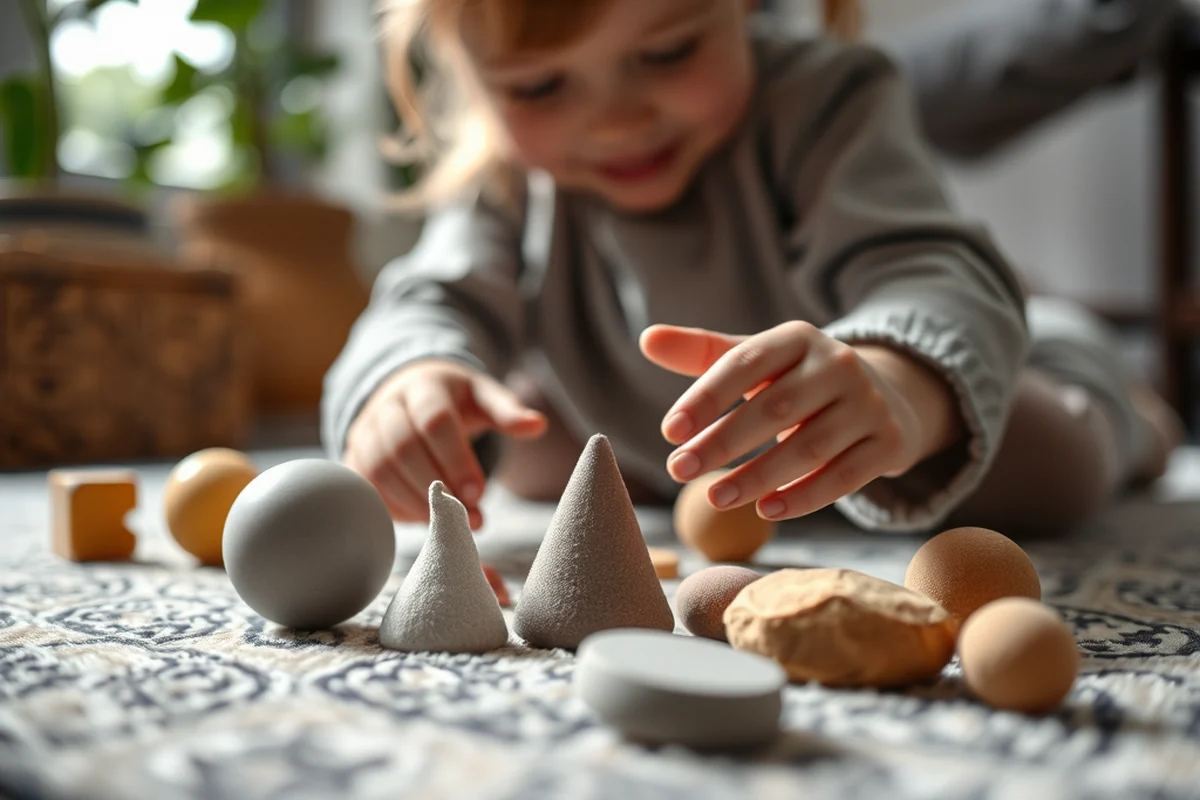
When the weather is too harsh to go outside, we make the most of our indoor space. We turn our living room into a science lab with a magnifying glass, a few bowls of water, and some food coloring. My daughter has loved watching how the colors move through the water when we add a drop of liquid dish soap. It’s a simple activity that teaches her about surface tension and mixing colors.
We’ve also created a ‘rainy day art station’ with paper, markers, and glue. We use the rain as inspiration for storytelling and drawing, with the sound of rain in the background. This helps my daughter express her emotions and ideas in a creative way.
One of the best parts of indoor rainy day learning is that it allows us to be more flexible. If we’re not feeling up to an activity, we can just read a book or play a game. There’s no pressure to ‘do something educational’—just the opportunity to be together and explore.
Indoor rain days are not a loss—they’re a chance to create, explore, and connect.
Related: Budget play based learning rainy
Using Rain for Emotional and Social Learning
Rainy days often bring out the best in us—especially with emotional learning. When the storm hits and we’re stuck inside, my daughter sometimes feels frustrated. Instead of dismissing her feelings, I use the moment as an opportunity to talk about emotions. We’ve developed a ‘rainy day feelings chart’ where she can point to how she feels, and we discuss ways to cope with it.
Rainy days also provide a great chance to practice social skills. When we’re indoors, we often play cooperative games, like building a fort or creating a ‘storm rescue mission’ with toys. These activities teach my daughter how to work with others, solve problems, and communicate effectively.
I’ve found that the emotional and social learning that happens on rainy days is just as valuable as the academic learning. It helps my daughter understand her feelings, express them, and build stronger relationships with others.
Draw or print simple faces with different emotions and use them to help your child identify and express how they feel on rainy days.
“Rainy days can be the perfect chance to turn a potential slowdown into a learning sprint.”— Playschooled editors
Related: Budget play based learning indoor
Using Rain for Physical Development
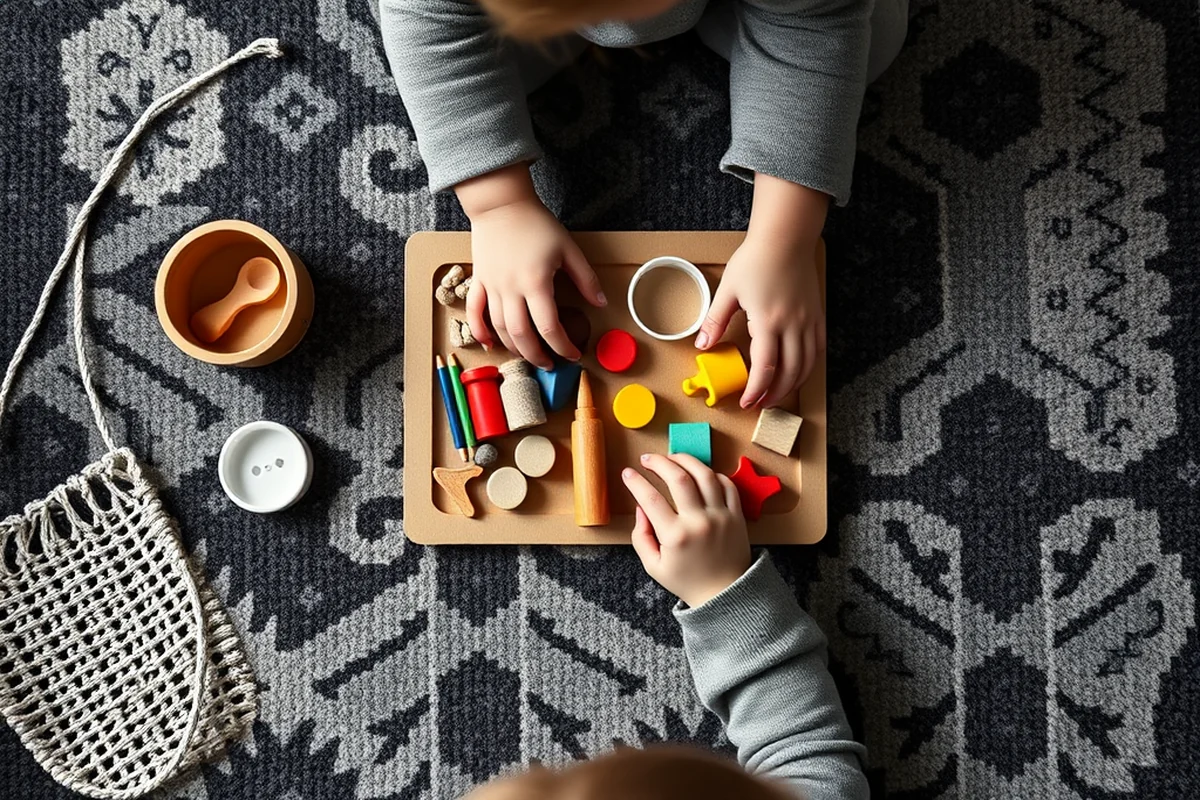
I’ve discovered that rainy days are perfect for physical development—especially when the weather doesn’t allow for outdoor play. We use our indoor space to create obstacle courses with pillows, blankets, and chairs. My daughter loves crawling through tunnels made of blankets or jumping over pillows. These activities help her build strength, balance, and coordination.
Even when it’s raining outside, we can still support physical development by playing indoor games that involve movement. We’ve had great fun with a ‘storm dance’ where we move to the sound of rain or play a game of ‘rain drop catch,’ where we throw a ball and catch it as the rain hits the windows.
Rainy days may not offer the same opportunities as sunny days, but they still allow us to be active and engaged. I’ve found that the physical activities we do on rainy days help my daughter stay healthy, focused, and happy.
Related: Play based learning indoor ideas
Using Rain for Environmental Awareness
Rainy days are a perfect time to talk about the environment and the impact of weather on the world around us. We’ve used the rain as an opportunity to discuss the water cycle, the importance of plants, and the role of rain in keeping the Earth healthy. These conversations are simple but impactful.
I’ve also used rainy days to teach my daughter about the effects of pollution on water. We’ve had discussions about how rain can carry pollutants into rivers and lakes, and how we can help protect the environment by reducing waste. These lessons are more meaningful when they’re connected to real-life experiences.
By using rainy days as a platform for environmental education, we’re helping my daughter develop a sense of responsibility and a deeper connection to the world around her. It’s a small but powerful way to shape her values and behaviors.
🌧️ Gentle Rainy Day Learning
Focus on low-energy, sensory exploration with simple tools like water, paper, and mirrors.
⚡ Fast-Track Rainy Day Learning
Use rain as a backdrop for quick, high-energy play like indoor obstacle courses or storm dance.
🧳 Travel/away-from-home Rainy Day Learning
Use a portable kit with toys, books, and art supplies to keep kids engaged while on the go.
👶 Multiples Rainy Day Learning
Use collaborative activities that involve multiple children, like building forts or playing cooperative games.
🔄 Regression Reset Rainy Day Learning
Use rainy days as a chance to revisit earlier developmental milestones with simple, hands-on activities.
| The mistake | Why it happens | The fix |
|---|---|---|
| Forcing learning activities on rainy days. | Forcing learning activities can make rainy days feel like a chore rather than an opportunity for fun and discovery. | Let your child lead the way. Offer suggestions and support, but allow them to choose what they want to do. |
| Ignoring the emotional aspect of rainy days. | Rainy days can bring out a range of emotions, and ignoring them can lead to frustration and resistance. | Use rainy days as a chance to talk about emotions and practice coping skills. This helps your child feel safe and supported. |
| Overlooking the opportunity for physical activity. | Rainy days can be a great time for physical development, but it’s easy to forget about it when we’re stuck indoors. | Create indoor obstacle courses, dance to music, or play active games that help your child stay moving and engaged. |
| Not adapting to the weather. | Rainy days can be unpredictable, and not adapting can lead to frustration and missed opportunities. | Be flexible and ready to change plans. Use the rain as a chance to explore new activities and try something different. |
Related: Play based learning indoor checklist
How To Play-based Learning Rainy
Related: Play based learning rainy tips
Common Questions
What if my child doesn’t want to play during the rain?
How can I keep my child entertained during a long rainy day?
Can rainy days help with emotional development?
What if I don’t have a lot of resources for rainy day learning?
References
Cite this guide
Playschooled (2026). How To Play-based Learning Rainy. https://playschooled.com/how-to-play-based-learning-rainy/
Feel free to cite or share this guide.