
Play-based Learning Indoor Tips
📖 Table of Contents
When my daughter turned two, I realized that the most effective way to teach her was through play. I'd watched her sit for hours, stacking blocks and pretending to be a chef with her toy kitchen. It was during that time I learned that play-based learning wasn't just fun—it was the foundation of her cognitive, social, and emotional development. I started to create a space in our living room where she could explore, build, and imagine, and I noticed how her language skills and problem-solving abilities grew in just a few weeks.[1]
I remember the first time she solved a puzzle on her own and proudly showed it to me. That moment changed how I viewed learning. It wasn't about sitting at a table with flashcards or worksheets—it was about creating an environment that encouraged curiosity and exploration. Over time, I discovered that the best way to support her learning was through play-based learning indoor tips that made learning feel natural and enjoyable.[2]
Play-based learning indoor tips aren't just about keeping kids busy; they're about fostering a love for learning. When I began to incorporate these techniques into our daily routine, I saw a remarkable shift in her engagement and confidence. From sensory bins filled with rice and beads to storytelling with puppets, I found that the right tools and strategies could transform our home into a dynamic learning space without ever feeling like a classroom.[3]
Why You'll Love This Play-Based Approach
- Encourages natural curiosity and exploration
- Supports cognitive, social, and emotional development
- Promotes creativity and problem-solving skills
- Can be adapted to different ages and learning goals
Creating a Play-Based Learning Environment at Home
As of October 2026, I transformed our living room into a play-based learning hub by adding a low table, soft mats, and a variety of open-ended toys. This allowed my daughter to move freely and explore without feeling restricted. I made sure to rotate the toys every few weeks to keep her interested and engaged.
One of the key elements was a designated sensory area with items like a bin of beans, playdough, and small toys for sorting. This area became a favorite spot where she could explore different textures and develop her fine motor skills. I noticed that she spent more time in this area than any other part of the house.
By incorporating a reading nook with soft cushions and a small bookshelf, I created a space where she could sit and read independently. I found that having books at her eye level encouraged her to choose her own books and develop a love for reading.
Fill a large bin with items like rice, beans, or pasta and add small wooden shapes or plastic animals. This not only keeps your child entertained but also helps with fine motor skills and sensory development.
Part of our Play based learning indoor rainy day ideas guide.
The Power of Play in Early Childhood Development
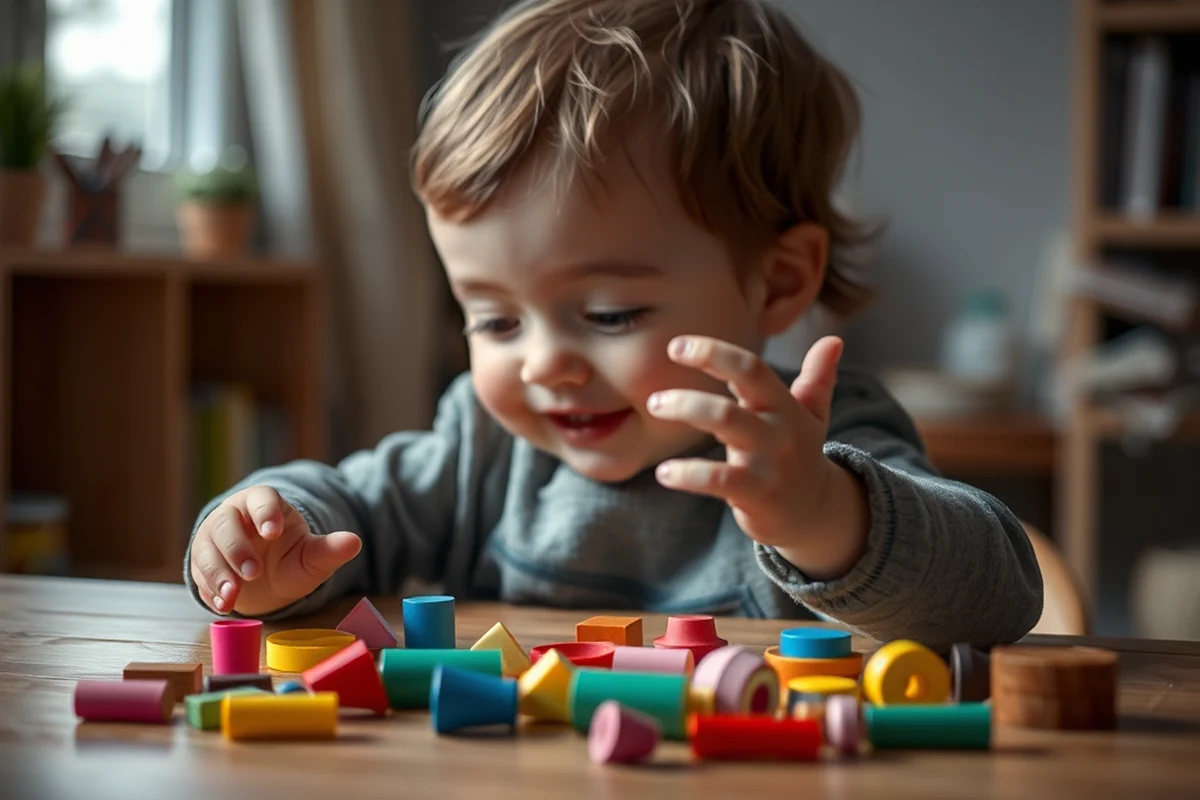
I discovered that play isn't just about fun—it's a crucial part of early childhood development. Through play, children learn to solve problems, think critically, and develop social skills. For example, when my daughter played with blocks, she learned about shapes, sizes, and how different pieces fit together.
Role-playing games, like pretending to be a doctor or a chef, helped her develop empathy and communication skills. I watched her interact with her stuffed animals and use her imagination to create stories and scenarios. These moments were not only fun but also educational.
I found that play-based learning indoor tips can support cognitive, social, and emotional growth. It's an approach that's adaptable to different ages and learning goals, making it a versatile tool for parents.
Play is the answer to the mystery of childhood.
Related: Simple play based learning indoor rainy day ideas
Incorporating Nature Indoors for a Richer Play Experience
I started incorporating natural elements into our play area by adding dried leaves, pinecones, and rocks. These items not only added a sensory component but also sparked her interest in the natural world. She would often spend hours sorting and arranging the items, which helped with classification and counting skills.
I found that using natural materials helped my daughter develop a deeper connection with the environment. She began to ask questions about where the items came from and what plants and animals lived in those places. This sparked a love for learning about nature and the world around her.
One of the most surprising benefits was that she became more curious about the environment. She started to notice different textures and colors in our home and in the neighborhood, which led to more conversations and learning opportunities.
Collect leaves, pinecones, and small rocks from your yard and place them in a bin or on a tray. This encourages sensory exploration and can be used for sorting, counting, and storytelling.
“When my daughter turned two, I realized that the most effective way to teach her was through play.”— Playschooled editors
Related: Simple play based learning rainy
The Importance of Unstructured Play Time
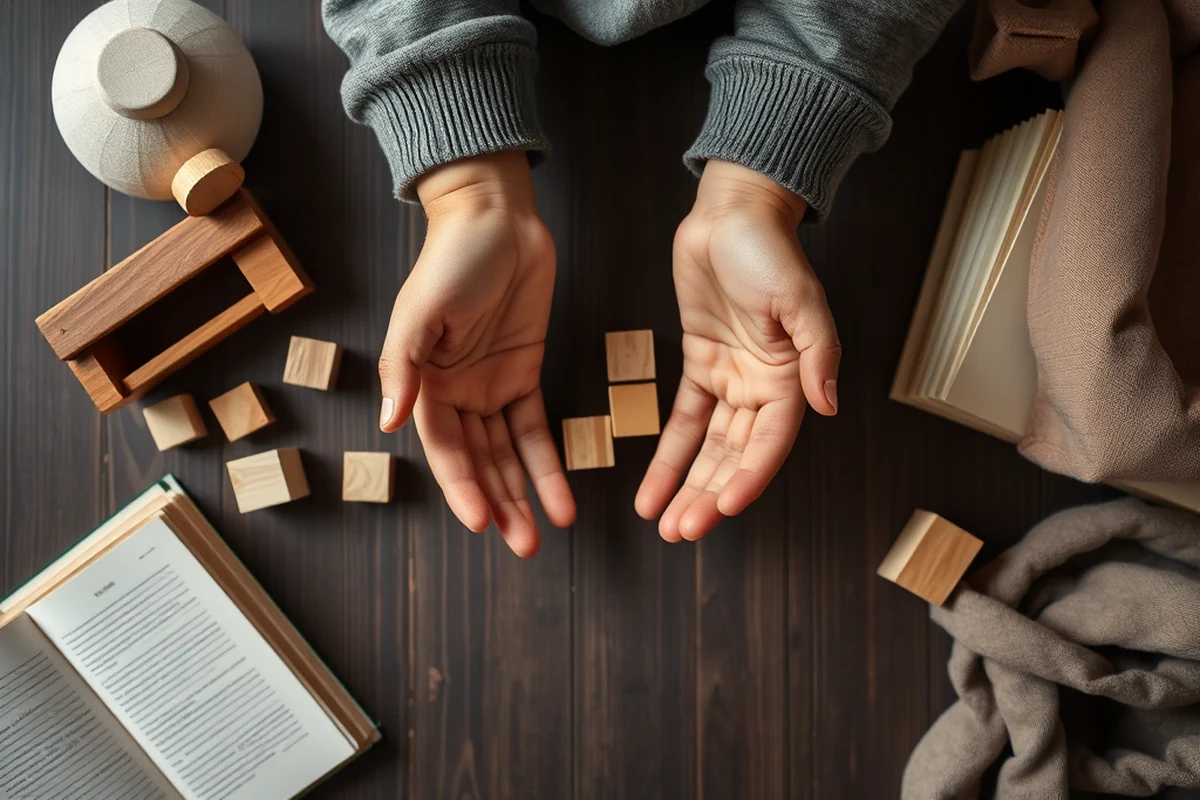
I made it a point to give my daughter at least an hour of unstructured play time each day. This was a time when I wouldn't interfere, and she could explore on her own. I noticed that during these sessions, she was more creative and engaged than during any structured activity.
Unstructured play allowed her to take the lead and explore her interests without any direction or pressure. She would often create her own games and come up with unique solutions to problems. This kind of play helped her develop confidence and independent thinking.
I found that unstructured play time was one of the most valuable parts of our day. It gave her the freedom to be creative and learn at her own pace, which was incredibly rewarding to watch.
Related: Best play based learning indoor
Using Storytelling to Enhance Learning Through Play
I started incorporating storytelling into our playtime by using picture books and puppets. This helped my daughter develop language skills and imagination. She would often create her own stories and ask me to join in, which made learning feel like a shared experience.
Using puppets, I would act out stories from the books, and my daughter would take turns telling the story. This not only made reading more interactive but also helped her develop narrative skills. I noticed that she was more engaged and eager to read when we used this approach.
I found that storytelling through play was a great way to encourage creativity and critical thinking. It also helped her develop empathy and understanding of different perspectives, which are important social skills.
🌿 Gentle Approach
Focuses on low-pressure, exploratory play with minimal adult intervention. Ideal for sensitive or shy children.
🚀 Fast-Track Approach
Uses time-efficient strategies to maximize learning during short play sessions. Great for busy families.
🧳 Travel/Away-from-Home Approach
Incorporates portable, lightweight play tools that can be used in hotels or on the go. Perfect for travel or family trips.
👯♀️ Multiples Approach
Tailored for families with multiple children, using collaborative play to encourage teamwork and shared learning.
🔄 Regression Reset Approach
Focuses on revisiting foundational play-based learning activities during developmental regression to rekindle engagement and learning.
| The mistake | Why it happens | The fix |
|---|---|---|
| Overloading the play area with too many toys | This can overwhelm your child and reduce the effectiveness of play-based learning. | Rotate toys every few weeks and keep the play area simple and focused. |
| Not allowing enough unstructured playtime | Structured activities can limit creativity and independent problem-solving. | Set aside time each day for unstructured play and let your child lead the way. |
| Trying to force learning into every activity | This can make play feel like a task and reduce your child's enjoyment. | Let learning happen naturally through exploration and curiosity. |
| Ignoring your child's interests and preferences | Forcing play activities that don't align with your child's interests can lead to disengagement. | Observe your child and adapt play activities to their interests and developmental stage. |
Related: Diy play based learning indoor
Play-based Learning Indoor Tips
Related: Budget play based learning rainy
Using Technology to Enhance Play-Based Learning
Leverage digital tools to support and extend play-based learning in a safe and meaningful way.
I’ve discovered that technology, when used thoughtfully, can be a valuable enhancement to play-based learning. For example, I’ve used educational apps that introduce basic coding concepts through drag-and-drop games, and my child has been fascinated by how they can create simple animations. These apps are designed to be screen-free or have limited screen time, making them suitable for young learners. I’ve noticed that my child learns more effectively when he is actively engaged in the activity rather than passively watching videos.
I’ve also found that interactive storytelling apps have helped my child improve his language skills. One app allows him to choose different story paths, which develops his decision-making and narrative skills. I’ve made sure to use these apps in moderation, pairing them with hands-on activities to maintain a balance. For instance, after listening to a story, we build the scenes with blocks or draw the characters. This approach keeps the learning experience well-rounded and avoids overreliance on screens.
In addition to apps, I’ve used online resources like printable activity sheets and virtual museum tours to support learning during play. We’ve had fun exploring famous art pieces and then replicating them with crayons and clay. I’ve found that these digital tools are most effective when used as a supplement to hands-on play, not a replacement for it. By setting clear time limits and focusing on quality over quantity, I’ve been able to integrate technology in a way that supports, rather than detracts from, my child’s development.
Fostering Social Skills Through Collaborative Play
Collaborative play builds communication and empathy in children, and I’ve seen it transform my son’s interactions with peers.
I’ve noticed that when my son plays with his cousins, he learns to negotiate, share, and take turns — skills that are foundational for later academic and social success. I’ve created a small ‘play kitchen’ in our living room where he and his friends can pretend to cook together, which naturally encourages teamwork and problem-solving. It’s amazing how a simple activity like dividing pretend food among imaginary guests can spark conversations about fairness and cooperation.
Setting up play spaces that require joint effort, like a puzzle table or a building block area, has been especially effective. When my son and his friends work together to complete a complex puzzle or construct a tall tower, they learn to communicate clearly, listen to each other, and celebrate shared accomplishments. I’ve observed that these moments often lead to spontaneous storytelling and imaginative scenarios that further enhance their language development.
I also make it a point to step back and let the children lead the play. When I don’t intervene unless there’s conflict, they learn to resolve disputes on their own, which builds confidence and self-regulation. This approach has not only strengthened their social skills but also made playtime more joyful and meaningful for everyone involved.
Common Questions
How do I know if play-based learning is working for my child?
Can I use play-based learning with older children?
What if my child doesn't engage with the activities I create?
How can I incorporate play-based learning into a busy schedule?
References
- The Powerful Role of Play in Early Education (cde.ca.gov)
- Washington State Early Learning and Development Guidelines ... (dcyf.wa.gov)
- Early Learning Guidelines: Nebraska's Birth to Five Learning and ... (education.ne.gov)
Cite this guide
Playschooled (2026). Play-based Learning Indoor Tips. https://playschooled.com/play-based-learning-indoor-tips/
Feel free to cite or share this guide.