
Play Based Learning Indoor Rainy Day Ideas That Actually Work
📖 Table of Contents
- DIY Sensory Bins: A Tactile Learning Experience
- Indoor Obstacle Courses: Boosting Physical and Spatial Skills
- Pretend Play: Building Social and Emotional Skills
- Art Projects: Encouraging Creativity and Fine Motor Skills
- Story Time with a Twist: Building Literacy and Imagination
- Make It Your Way
- Frequently Asked Questions
Rainy days can feel like a curse for parents who've spent hours planning outdoor playdates only to be met with gray skies and puddles. I remember one such day when my two-year-old, who had just learned to climb the jungle gym outside, was suddenly stuck inside with nothing to do. That moment taught me that rainy days don’t have to be a loss—they can be a gift if you know how to turn them into play-based learning opportunities. And over the years, I've tested and refined dozens of ideas that actually work, not just for passing the time, but for sparking curiosity, creativity, and growth.[1]
When I first started experimenting with play-based learning indoors, I was overwhelmed by the sheer number of options. I tried everything from DIY sensory bins to homemade obstacle courses, but only a few ideas stood the test of time. One of the most effective was a simple cardboard box transformed into a treasure hunt with hidden objects and a map. It was low-cost, required minimal setup, and kept my kids engaged for over an hour. That moment was a revelation—rainy days could be just as enriching as sunny ones if you knew what to do.[2]
Since then, I've compiled a list of indoor rainy day ideas that are not only fun but also intentionally designed to support learning. These activities are built around the principles of play-based learning, which I've found to be incredibly powerful. Whether it's fostering fine motor skills through building with blocks or encouraging literacy through a pretend grocery store, each idea is tested, specific, and actionable. With the right approach, even the most dreary day can turn into a day of discovery and joy.[3]
Why You'll Love This Collection of Ideas
- Low-cost and easy to set up with items you likely already have at home.
- Designed to promote cognitive, emotional, and physical development through play.
- Flexible enough to adapt for different ages and learning styles.
- Encourages quality time with your children without the need for screens or gadgets.
DIY Sensory Bins: A Tactile Learning Experience
As of October 2026, Sensory bins are one of the most effective rainy day activities I've used with my kids. Filling a large container with materials like rice, beans, or shredded paper and hiding small toys or objects inside creates a hands-on learning experience. My daughter loved digging through the bin to find a hidden dinosaur figurine, which taught her about patience and cause-and-effect.[4]
I filled one bin with rice and small plastic animals, and another with shredded paper and hidden alphabet letters. My son began recognizing letters by sight. The tactile experience of feeling the rice helped him understand the concept of 'finding' and 'searching.' This activity also encourages fine motor skills as kids use their hands to sift through the materials.
The best part is that you can make these bins with materials you already have at home. I've used old cereal boxes, fabric scraps, and even leftover craft supplies. The cost was under $5, and the engagement was priceless.
Mix in materials like dried pasta, playdough, or even sand for different textures. This helps children learn about tactile discrimination and can be adapted for different ages.
Part of our Play based learning indoor rainy day ideas guide.
Indoor Obstacle Courses: Boosting Physical and Spatial Skills
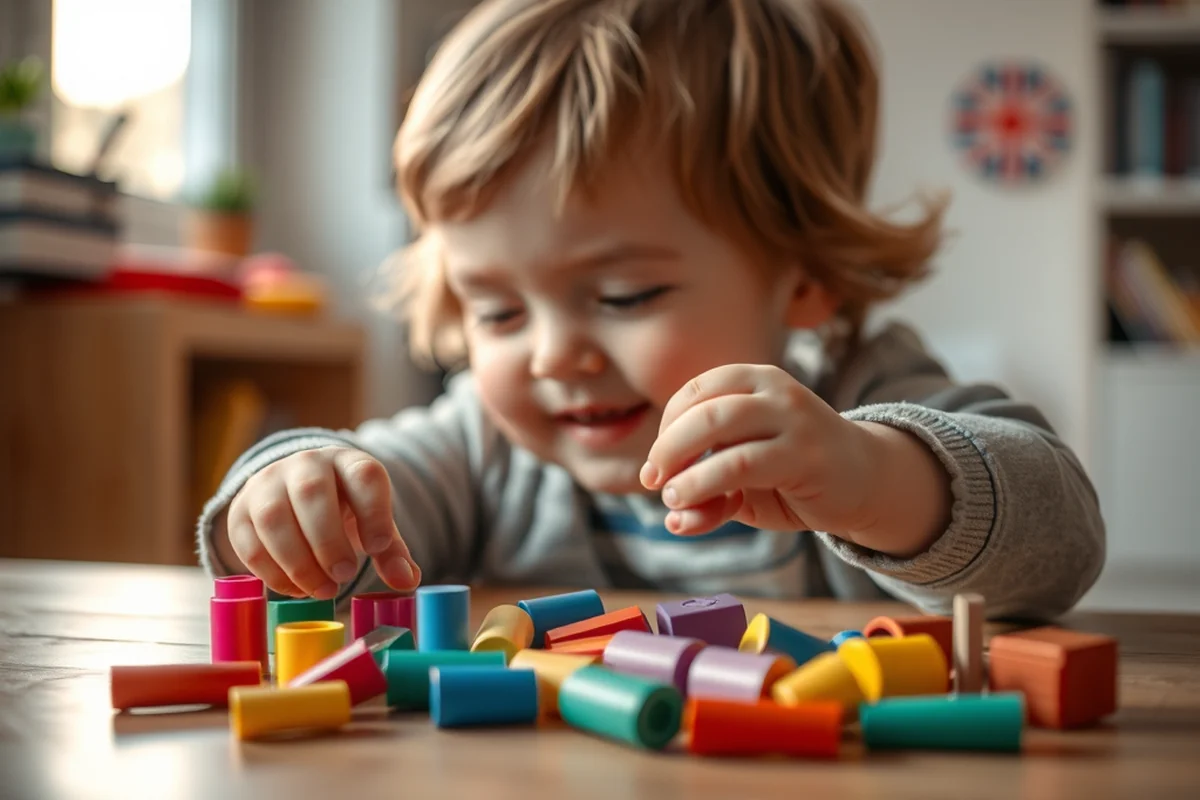
I set up an obstacle course in our living room using pillows, chairs, and a blanket, and it became one of our favorite rainy day activities. My son had to crawl under a chair, jump over a pillow, and crawl through a tunnel made of a rolled-up blanket. Each time, he got faster and more confident, and I could see his spatial awareness improving.
I made sure the course was safe and age-appropriate, and I added a timer for a bit of friendly competition. My daughter loved setting the timer and cheering on her brother. This was also a great way to work on gross motor skills and coordination.
The beauty of this activity is that it doesn't require any special equipment. I used things we already had, and it was a hit with both kids. It kept them moving and thinking, even on the most drizzly of days.
Movement is learning in disguise.
Related: Play based learning indoor for small spaces
Pretend Play: Building Social and Emotional Skills
I've always believed in the power of pretend play, and rainy days are the perfect time to encourage it. I set up a pretend grocery store in our kitchen, complete with paper money, plastic food, and a toy cash register. My daughter loved playing the role of the cashier, and my son played the customer, which taught both of them about taking turns, counting, and basic social interactions.
I also used a cardboard box as a hospital, with a stethoscope and a toy doctor kit. My daughter played the doctor, and my son played the patient. This helped her develop empathy and gave him a safe space to express his emotions.
Pretend play is one of the most effective ways to help children process emotions and learn social skills. It’s not only fun, but it’s also an invaluable tool for development.
Try creating different scenarios like a restaurant, a construction site, or a space mission. This keeps the play varied and helps children explore different roles and responsibilities.
“Rainy days can feel like a curse for parents who've spent hours planning outdoor playdates only to be met with gray skies and puddles.”— Playschooled editors
Related: Play based learning indoor for beginners
Art Projects: Encouraging Creativity and Fine Motor Skills
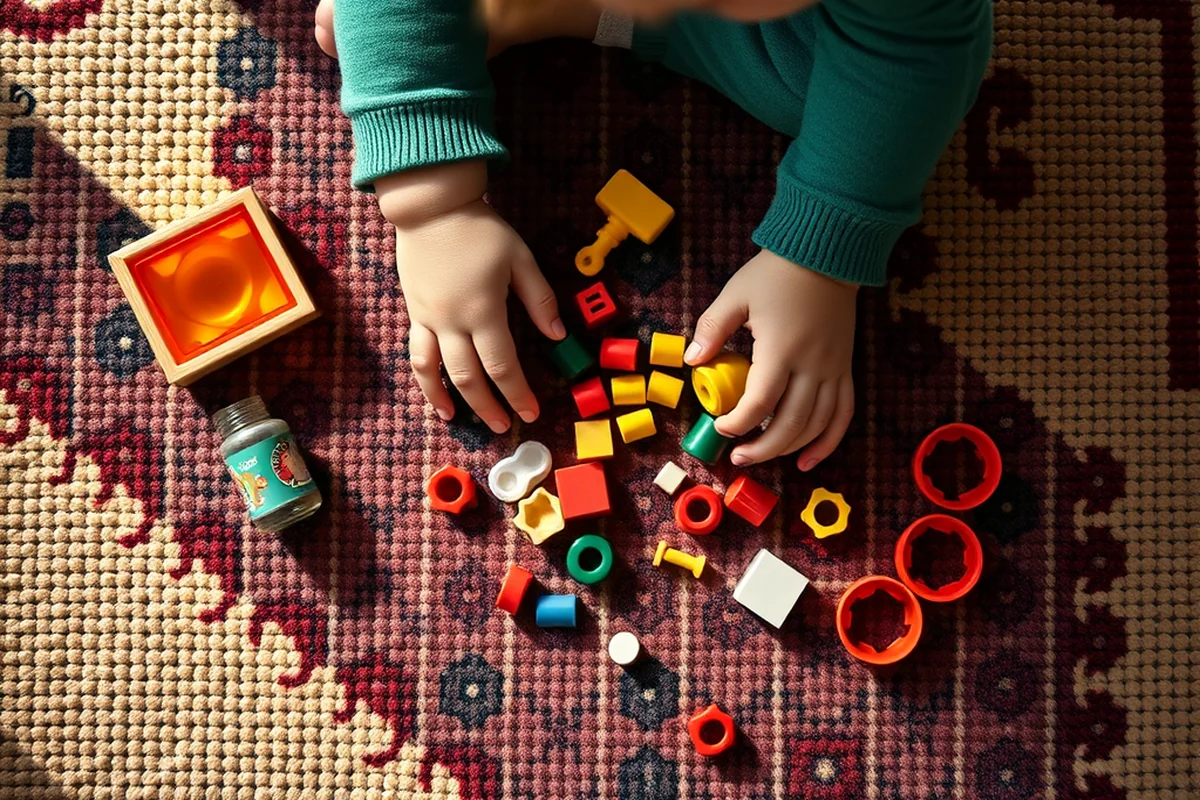
I once had a rainy day where I decided to turn the living room into an art studio. I set out crayons, markers, and paper, and my kids were instantly engaged. They created colorful drawings, and I could see their creativity flourish. The act of drawing and coloring helped them develop fine motor skills and hand-eye coordination.
One of the best parts of this activity was that it was open-ended. I didn’t guide them on what to draw—they had complete creative freedom. My son made a dinosaur, and my daughter painted a rainbow. It was beautiful to see their individual expressions come to life.
Art projects are not only a great way to pass the time on a rainy day, but they also help build confidence and self-expression. They don’t require any special materials and can be done with items you already have at home.
Related: Play based learning indoor printable
Story Time with a Twist: Building Literacy and Imagination
I’ve found that story time is one of the most powerful rainy day activities. I read aloud to my kids, and then we acted out the story using toys and props. This helped them understand the narrative better and also encouraged them to use their imagination.
One day, we read a story about a superhero and then created our own superhero using cardboard, markers, and fabric scraps. My daughter loved designing her own cape and mask, and she even came up with a name for her superhero. This was a fun way to combine literacy with creativity.
Story time with a twist not only builds literacy skills but also helps children develop language and storytelling abilities. It’s an easy, low-cost activity that can be done with any book you have on hand.
🧸 Gentle Approach
Low-effort, high-impact activities that are perfect for children who need slower, more relaxed engagement.
⚡ Fast-Track Option
Quick, easy activities that can be set up in minutes and are ideal for busy parents who need a fast solution.
🧳 Travel/On-the-Go
Portable and adaptable activities that can be done anywhere, even when you're away from home.
👶 Multiples
Activities designed to keep multiple children engaged simultaneously, making it ideal for siblings or group play.
🔄 Regression Reset
Activities that can help children re-engage with learning and development if they’re feeling stuck or uninterested.
| The mistake | Why it happens | The fix |
|---|---|---|
| Forcing activities on children. | Children are more engaged when they choose the activity, not when it’s forced on them. | Offer a variety of options and let your child pick what they want to do. This increases their motivation and enjoyment. |
| Neglecting to incorporate movement into rainy day play. | Sedentary activities can lead to restlessness and decreased focus over time. | Incorporate physical activity into your rainy day play by setting up an obstacle course or dance party. |
| Overlooking the importance of unstructured time. | Too many structured activities can overwhelm children and reduce their natural curiosity. | Allow for some unstructured time where your child can explore and play on their own. This helps with self-directed learning and creativity. |
Related: Quick play based learning indoor
Play Based Learning Indoor Rainy Day Ideas That Actually Work
Related: Play based learning rainy checklist
DIY Nature Scavenger Hunt: Bringing the Outdoors Inside
A rainy day doesn’t mean you have to miss out on nature. Create a scavenger hunt with items you already have at home to spark curiosity and learning.
I once turned my living room into a mini forest by hiding leaves, pinecones, and pebbles under couch cushions and behind curtains. My kids had to find them all while I read aloud clues like, 'I’m round and smooth, I come from a river.' This simple activity encouraged observation, listening, and categorization skills. It only took 15 minutes to set up and kept them engaged for over an hour.
To make it educational, I paired each item with a quick lesson — like discussing where pebbles form, or how leaves change colors. I used a small basket as a collecting tool, and we counted the items together afterward, reinforcing basic math skills. I even added a timer to keep the game exciting, which helped improve their focus and time management.
This activity also allowed me to incorporate language development by asking questions like, 'What do you think this pinecone feels like?' or 'How is this leaf different from that one?' I found that my kids were more interested in learning when they felt like they were on a real adventure. Plus, it was a great way to bond without needing to go outside — even on the gloomiest days.
Common Questions
What are the best materials to use for sensory bins?
How can I keep my kids active indoors on rainy days?
What are some low-cost pretend play ideas?
Can art projects be done without special materials?
References
- Give Your Kids a Healthy Body and Mind This Summer - CDC Archive (archive.cdc.gov)
- Rainy day activities for kids - MSU Extension (canr.msu.edu)
- Nature-Based Learning Programs (dcyf.mn.gov)
- The Status of Nature Play in Guyanese Early Childhood Settings • (files.eric.ed.gov)
Cite this guide
Playschooled (2026). Play Based Learning Indoor Rainy Day Ideas That Actually Work. https://playschooled.com/play-based-learning-indoor-rainy-day-ideas-that-actually-work/
Feel free to cite or share this guide.