
Play-based Learning Ideas Checklist
📖 Table of Contents
I remember the first time my toddler spent an entire afternoon building a 'castle' out of blocks, only to tear it down and start over — again and again. It was a moment that shifted my perspective on learning. What I had dismissed as simple play was actually a powerful, self-directed lesson in problem-solving and resilience. That moment taught me the value of play-based learning, and since then, I've been compiling a play-based learning ideas checklist to help other parents turn everyday moments into teachable opportunities.[1]
Play-based learning isn't just about having fun — it's about embedding skills and knowledge into the natural rhythms of childhood. Whether it's sorting shapes, counting steps, or pretending to be a doctor, kids learn best when they’re engaged and curious. The key is to be intentional without being overbearing, to guide without instructing, and to see learning as something that lives in the mess of play.
This play-based learning ideas checklist is built from my own experiences, countless hours of observation, and the feedback of other parents who’ve tried these methods. It's not about flash or flashcards; it's about creating a space where learning feels like play and play feels like learning. With this checklist, you can transform your home into a dynamic, ever-evolving classroom — one that your child will lead, not you.
Why You'll Love This Play-Based Learning Ideas Checklist
- Encourages natural curiosity and self-directed exploration
- Reduces screen time and increases real-world engagement
- Builds foundational skills like problem-solving, creativity, and collaboration
- Provides a flexible, customizable framework that adapts to your child’s unique interests and pace
How to Turn a Regular Day into a Learning Adventure
As of October 2026, I’ve found that the best learning happens during the everyday: cooking, cleaning, or even waiting in line. For example, I once used a simple grocery trip to teach my child about shapes, colors. Counting — just by pointing out things like 'the cereal box is a rectangle' or 'there are six apples in the basket'.
You don’t need a lot of preparation. A few minutes of observation and a little creativity can transform a mundane task into a learning opportunity. I always keep a small bag of loose toys and books in the car, so we can start a spontaneous learning activity even on the go.
The most important thing is to let the child lead the way. If they’re curious about something, dig into it with them — even if it means you have to look up the answer later. This builds a love of learning that lasts well beyond the play session.
Instead of buying new materials, repurpose items from around the house — like paper rolls for painting or cardboard boxes for building.
Building a Play-Based Learning Routine
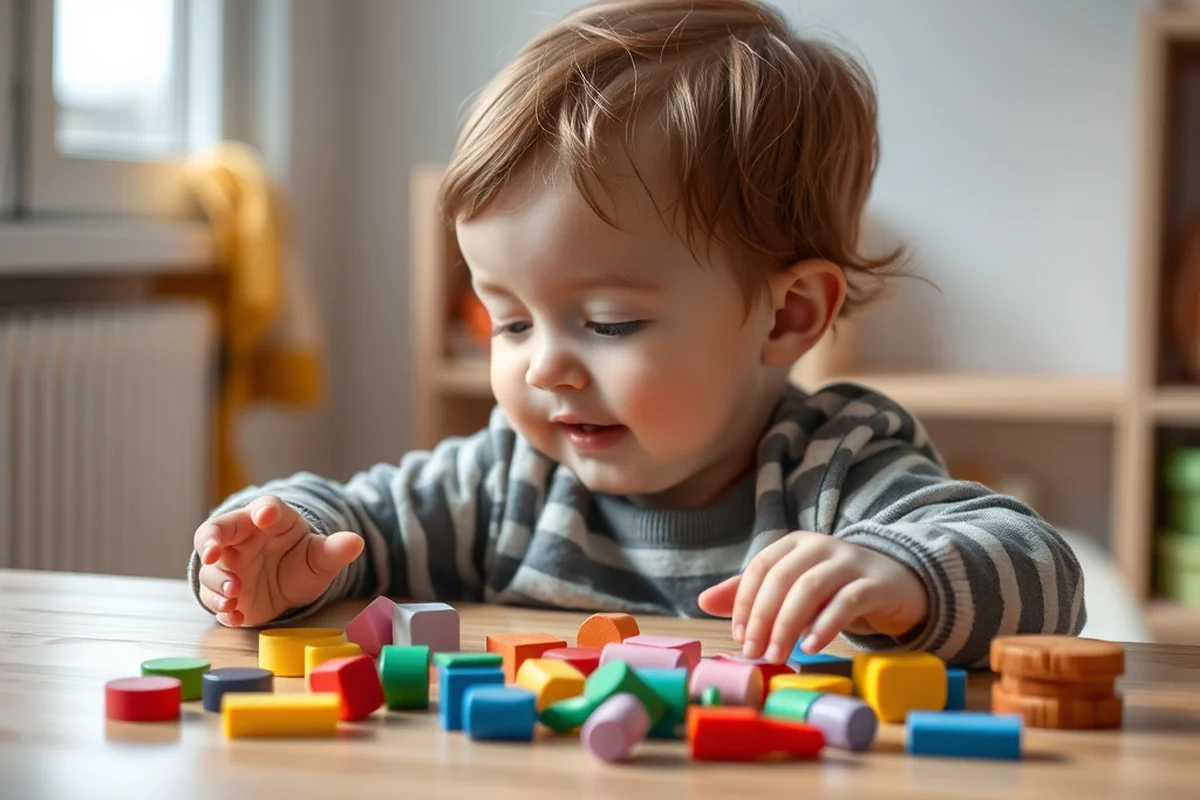
I’ve experimented with various routines, and the most effective one involves a mix of unstructured play and guided activities. For example, I’ll start the day with a 20-minute ‘free play’ session where the child can explore whatever interests them, followed by a 15-minute guided activity — like a counting game or a storytelling session.
It’s important to keep the routine adaptable. Some days my child is in the mood for building, other days for music or pretend play. I’ve found that when I stick to the structure but allow flexibility in the content, my child stays engaged and excited to learn.
Consistency doesn’t mean rigidity. I always make sure to leave room for spontaneous learning — like when a butterfly lands on the window and we spend 10 minutes talking about it instead of our planned activity. Those moments are just as valuable.
Routines are the scaffolding of learning — but the content is what makes it meaningful.
Related: Play based learning budget ideas checklist
Incorporating Technology Without Overdoing It
I’ve found that a little tech can enhance learning — especially when it’s used to supplement hands-on activities. For example, we use a simple educational app to reinforce letter recognition after we’ve played with letter blocks or traced letters in the sand.
The key is balance. I limit screen time to no more than 20 minutes a day, and I always pair it with an offline activity. This way, the child is still physically engaged and learning in a way that doesn’t rely solely on screens.[2]
I also make sure that any tech used is interactive — not passive. Instead of letting my child watch a video, we watch it together and then do an activity that relates to the content. This keeps the learning active and collaborative.
If you use an educational app, follow it up with a hands-on activity that reinforces the lesson.
“I remember the first time my toddler spent an entire afternoon building a 'castle' out of blocks, only to tear it down and start over…”— Playschooled editors
Related: Play based learning budget for beginners
Making Learning Accessible for All Ages
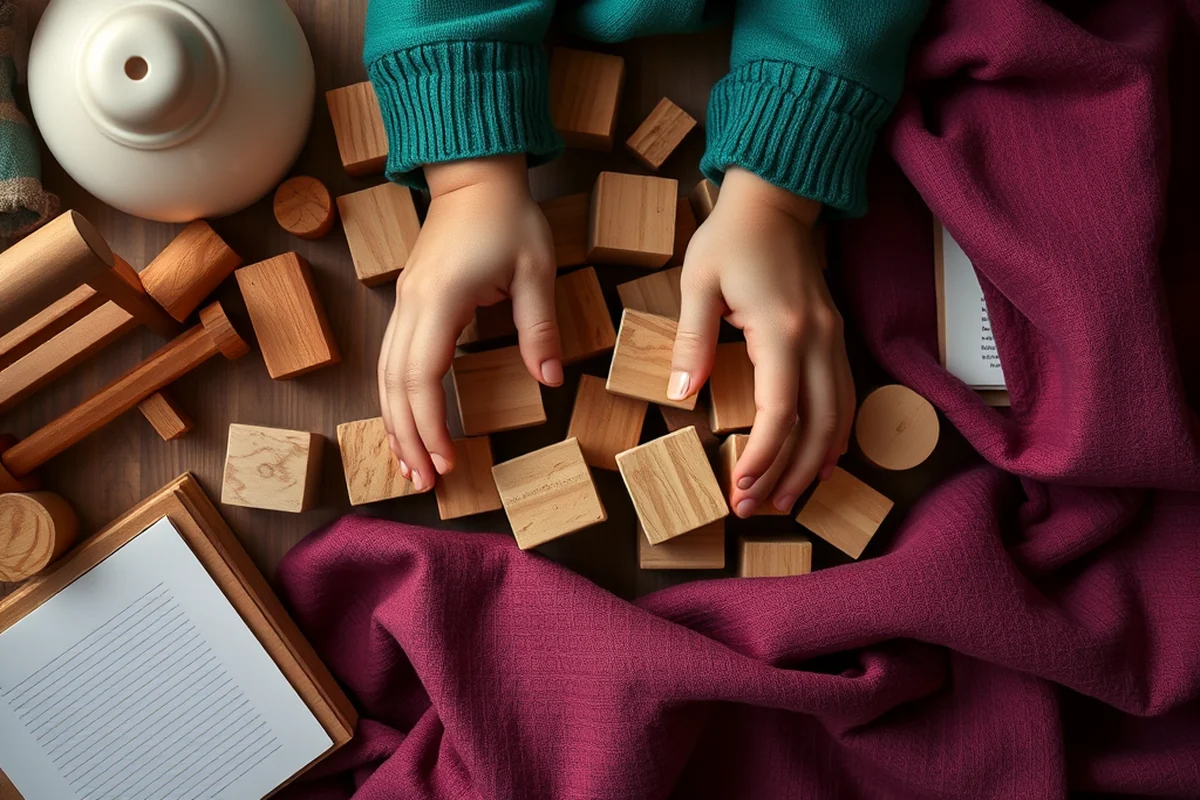
I’ve adapted the same basic principles of play-based learning for children of all ages — from toddlers to school-age kids. For example, a toddler might build with blocks, while a 5-year-old might use those blocks to create a story or map.
The key is to observe and adjust based on your child’s current developmental stage. I’ve noticed that younger children benefit more from sensory-based activities, like playing with water or sand, while older children enjoy more complex problem-solving tasks.
I’ve also found that allowing children to choose their own activities helps them stay engaged. Whether it’s playing with dinosaurs, drawing, or pretending to be a chef, the most effective learning happens when the child is in control of the process.
Related: Quick play based learning budget ideas
Play-Based Learning and Social Skills
I’ve noticed that when my child plays with other kids, they naturally pick up social skills like sharing, taking turns, and negotiating. These interactions are powerful learning moments that I don’t always have to guide explicitly.
I’ve made a point to invite other children over for playdates at least once a week. This has been especially helpful for my child in understanding group dynamics and learning how to communicate effectively.
Even when the play is solitary, I make sure to model positive social behavior — like using kind words, offering help, and expressing gratitude. These small actions have a huge impact on my child’s social development.
🌿 Gentle Approach
For parents who prefer a low-pressure, flexible method of play-based learning that adapts to the child’s natural pace and interest.
🚀 Fast-Track Approach
Ideal for parents who want to quickly integrate play-based learning into daily life with minimal preparation and maximum impact.
🧳 Travel/away-from-home Approach
Perfect for families on the go — this approach uses portable, no-prep activities that can be done anywhere, from a park to a hotel room.
👶 Multiples Approach
Tailored for parents of multiple children, with activities that can be adapted for different ages and learning levels.
🔄 Regression Reset Approach
Designed for parents navigating developmental setbacks — using play to re-engage a child who may have become disinterested or frustrated with learning.
| The mistake | Why it happens | The fix |
|---|---|---|
| Overloading with too many activities at once | This can overwhelm the child and lead to disinterest or frustration. | Focus on one or two activities at a time, and allow the child to take the lead and explore them fully. |
| Being too directive or instructive | This can stifle creativity and make the child feel like they're being taught, not playing. | Let the child take the lead. Ask open-ended questions and offer suggestions, but avoid giving direct instructions. |
| Not being consistent with the routine | This can make the child feel uncertain or unprepared for learning activities. | Create a simple, consistent routine that allows for flexibility, and stick to it as much as possible. |
| Ignoring the child’s cues and preferences | This can lead to disengagement and a lack of motivation to learn. | Pay attention to what interests the child and use those interests as a foundation for play-based learning. |
Related: Best play based learning budget ideas
Play-based Learning Ideas Checklist
Related: Easy play based learning budget
Creative Use of Everyday Objects for Play-Based Learning
Turn household items into educational tools with these simple, imaginative ideas that spark curiosity and learning.
I once turned a cardboard box into a “fort” for storytelling and spatial reasoning, while buttons and beads became counting tools during quiet time. The key is to let kids lead the way with their interests—whether it’s sorting, building, or pretending. I’ve noticed that when children are engaged in these activities, they often stay focused for 20 to 30 minutes, which is rare for this age group. This not only promotes creativity but also strengthens problem-solving skills as they figure out how to make these objects work for their play.
I’ve also used measuring cups and spoons for math lessons, and I’ve seen how kids grasp fractions and volume concepts intuitively when they’re measuring ingredients for a pretend baking activity. It’s remarkable how these simple, low-cost items can be used across multiple domains—language, math, science, and even art. I like to rotate these materials every few days to keep the learning fresh and to encourage exploration. My kids have grown more confident in their abilities when they see that learning can happen anywhere, not just in a classroom setting.
This approach has been especially helpful during times when we’re stuck indoors or when we’re on a budget. The best part is that these activities require no prior planning or expensive materials. I’ve even seen my son teach his younger sister how to sort buttons by color and size, which reinforced his own understanding of categorization. These kinds of interactions are priceless, and they show how play-based learning can be both educational and deeply relational.
The Power of Nature in Play-Based Learning
Nature offers endless opportunities for hands-on, sensory-rich learning that supports cognitive, emotional, and physical development in children.
I’ve noticed that my daughter’s attention span increases dramatically when we go on nature walks. We collect leaves, stones, and pinecones, and she sorts them by size, color, and texture. This simple activity introduces her to concepts like classification, comparison, and even basic botany. I’ve also used a magnifying glass to examine insects and discuss their habitats, which has sparked a fascination with science and the natural world. These moments are not only educational but also deeply calming for her.
During our hikes, we often incorporate counting and estimation. For example, we might guess how many steps it will take to reach a tree or count the number of birds we see. This builds math skills in a way that feels organic and fun. I’ve also used sticks and rocks to create shapes and patterns on the ground, introducing geometry and spatial reasoning without a textbook in sight. The best part is that my child doesn’t even realize she’s learning.
Nature also plays a key role in emotional development. When we sit quietly on a blanket and listen to the sounds of the forest or watch the clouds move across the sky, it teaches patience and mindfulness. I’ve noticed that she’s more reflective and less prone to tantrums after these sessions. Plus, spending time outdoors has improved her physical coordination and overall health. Whether it’s a walk in the park or a day in the woods, nature is an unmatched resource for play-based learning.
Common Questions
How do I know if my child is learning from these activities?
Can I use this method if I don’t have a lot of time?
What if my child doesn’t seem interested in the activities I plan?
How can I keep my child motivated over time?
References
- The South Dakota Early Learning Guidelines (doe.sd.gov)
- The Powerful Role of Play in Early Education (cde.ca.gov)
Cite this guide
Playschooled (2026). Play-based Learning Ideas Checklist. https://playschooled.com/play-based-learning-ideas-checklist/
Feel free to cite or share this guide.