
Play-based Learning Routines For Small Spaces
📖 Table of Contents
I remember the first time I realized the power of play-based learning in our tiny 10x10 apartment. My daughter, then two, was sorting mismatched socks by color and counting them like they were precious treasures. It was in that moment I saw how even the smallest spaces could spark curiosity, creativity, and learning if we knew how to design our environments intentionally. Play-based learning routines for small spaces aren’t just about fitting toys into corners — they're about making the most of every inch with purpose.[1]
Our apartment didn’t have a dedicated playroom, but we made learning happen on the floor, on the counter, and even in the hallway. With a few strategically placed items and a lot of imagination, we transformed our home into a dynamic learning environment. I learned that play-based learning routines for small spaces could thrive if we approached them with intention, flexibility, and a dash of creativity.
Now, I’ve spent years refining these routines, testing different setups, and learning what truly works in limited spaces. Whether you’re in a studio apartment, a shared home, or just looking to maximize your available space, there are ways to integrate play-based learning routines for small spaces that are both effective and stress-free. It’s all about the right tools, mindset, and a little bit of magic.
Why You'll Love This Approach
- Maximizes limited space with purpose and creativity
- Encourages active learning without clutter
- Builds independence and problem-solving skills
- Saves time and money by focusing on quality over quantity
How to Design a Play-Based Learning Space in a Small Room
As of October 2026, I transformed our living room into a learning hub by using a low, sturdy table as both a play surface and a workspace. We added a few soft cushions for seating and a hanging organizer on the wall to store books, blocks, and art supplies. This setup allowed us to switch between learning and play seamlessly.
By using vertical space and opting for compact furniture, we were able to create a stimulating environment without overcrowding the room. I found that having a few clearly defined zones — like a reading corner, a block area, and a craft spot — helped keep the space organized and purposeful.
One of the best tricks I’ve learned is to use storage bins and baskets with clear labels. This helps my daughter find what she needs on her own and keeps the space from becoming chaotic. It’s a small change that makes a big difference in daily learning routines.
Install floating shelves or use a tall bookcase to store items out of reach. This frees up floor space and keeps the room looking tidy.
Part of our Play based learning routines schedules guide.
The Power of Repurposing Everyday Objects for Learning
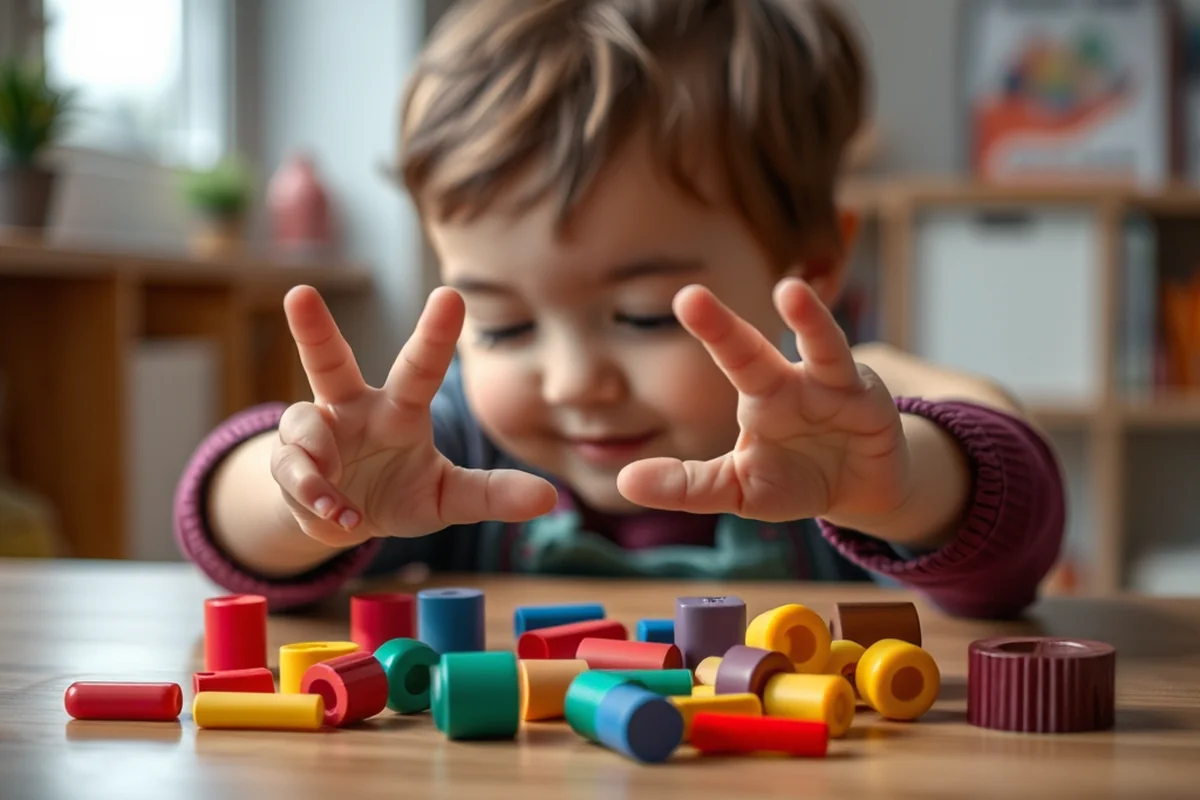
I turned an old cereal box into a sorting station by cutting out the top and filling it with colored paper, buttons, and small toys. My daughter loved sorting them by size, color, and texture. It was not only educational but also eco-friendly and cost-effective.
Repurposing items from around the house keeps the play-based learning routines for small spaces fresh and engaging. I’ve also used plastic jars as counting containers, filled with beads, buttons, or even small rocks — each time, it’s a new learning adventure.
By thinking creatively, I’ve found that we don’t need expensive toys to foster learning. Everyday objects can be transformed into tools for discovery, imagination, and problem-solving.
Creativity knows no bounds — even the simplest items can inspire learning.
Related: Best play based learning schedules
Creating a Schedule That Works for Small Spaces
I created a simple daily routine that included 15 minutes of sensory play, 10 minutes of storytelling, and 20 minutes of active learning — all of which fit easily into our small apartment. This helped us stay on track without feeling overwhelmed.
By having a visual schedule with pictures and simple words, my daughter could understand what came next and feel a sense of control over her day. I found that consistency was key to making the most of our limited space.
I also made sure to include breaks for movement and play, which helped keep her focused and engaged. A structured yet flexible routine made the play-based learning routines for small spaces both effective and enjoyable.
Create a visual schedule with pictures of activities and times. This helps children understand what to expect and keeps learning on track.
“I remember the first time I realized the power of play-based learning in our tiny 10x10 apartment.”— Playschooled editors
Related: Best play based learning routines
The Role of Nature in Play-Based Learning for Small Spaces
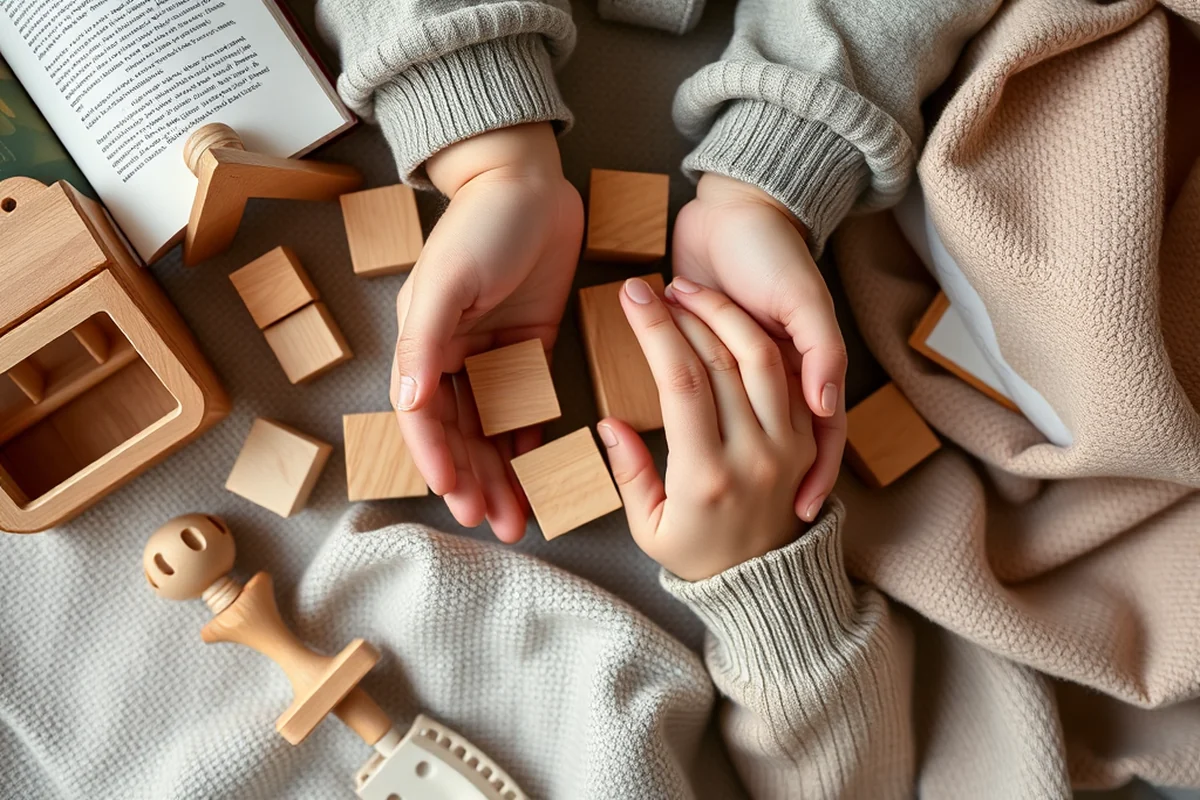
I brought a small plant into our living room and let my daughter water it every day. This simple activity taught her about responsibility, care, and the cycle of life. It was a small way to bring nature into our small space.
I also set up a small sensory bin with pebbles, dried leaves, and pinecones collected from our walks. My daughter loved exploring the textures and colors, and it became a favorite part of our daily learning routine.
Even in a small space, incorporating natural elements can make a big difference. It adds a sense of calm and curiosity that enhances the play-based learning routines for small spaces.
Related: Play based learning routines schedules for beginners
Making Learning Fun with Interactive Play
I started using small board games like 'Guess Who?' and 'Memory' on our table during snack time. These short, interactive games helped reinforce learning while keeping our space tidy and focused.
Imaginative play was another favorite — we used a small cardboard box as a fort and turned it into a spaceship, a castle, or a grocery store. This kind of play encouraged creativity, storytelling, and social skills.
I found that even the smallest games and toys could be used in powerful ways. The key was to focus on quality over quantity and keep the space flexible for different types of play.
🌿 Gentle Approach
Slow, intentional play with minimal items and a focus on natural elements like plants and water.
🚀 Fast-Track Method
Quick, structured routines with pre-selected learning tools and clear time limits for each activity.
🧳 Travel/away-from-home
Compact, portable learning kits with items that can be used in any space — from a hotel room to a park bench.
👯♀️ Multiples
Adaptable routines that support multiple children with shared spaces and collaborative learning activities.
🔄 Regression Reset
A structured plan to revisit and reinforce learning after a break, using familiar tools and routines.
| The mistake | Why it happens | The fix |
|---|---|---|
| Overloading the space with too many toys and items | It can create chaos and make it difficult for the child to focus or engage with any single activity. | Keep the space simple and use storage solutions to keep items out of sight until needed. |
| Not establishing a clear routine or schedule | Without structure, the learning can feel disjointed and the child may become easily distracted. | Create a visual schedule and set clear, consistent times for learning activities. |
| Ignoring the child’s interests and preferences | This can lead to disengagement and a lack of motivation to participate in the learning routines. | Involve the child in choosing activities and materials that align with their interests. |
| Neglecting to clean up after play sessions | It can lead to clutter, safety hazards, and a lack of focus for the next activity. | Make cleanup a part of the routine and involve the child in the process. |
Related: Play based learning routines schedules ideas
Play-based Learning Routines For Small Spaces
Related: Play based learning routines step by step
Maximizing Vertical Space for Learning Activities
Using vertical space in small rooms can transform a cramped area into a functional learning zone.
I’ve found that hanging shelves, wall-mounted storage bins, and magnetic boards are game-changers in small spaces. They free up floor area while keeping learning materials within reach. For instance, I installed a magnetic board above our table where my child can stick letters, numbers, and shapes. It’s a space-saver that also promotes independent learning. I’ve also used hanging pockets on the back of a door for storing books, art supplies, and small toys, which keeps them organized and easily accessible. This approach allows us to maintain a tidy space without sacrificing the variety of learning tools available.
Incorporating Quiet and Active Play Zones in Limited Space
Even in small spaces, creating distinct zones for quiet and active play enhances learning outcomes.
By keeping these zones flexible, I can easily adjust them based on the day’s learning goals. For example, if we’re focusing on literacy, I’ll move books and writing tools to the quiet zone and use the active zone for physical activities that reinforce concepts, like jumping to count or tossing a ball to practice letter shapes. This intentional setup not only maximizes the space but also helps my child develop both cognitive and physical skills in a structured yet playful way. I’ve found that this approach works especially well when we’re short on space but need to maintain a balance between active and quiet learning activities.
Incorporating Technology Without Overloading the Space
I’ve found that using small, portable devices like tablets or e-readers can provide access to educational apps and audiobooks without taking up much room. I keep a single tablet in a corner with a few learning apps pre-loaded, and it’s used for short, focused sessions that keep kids engaged. I make sure to set clear time limits, like 15 minutes per day, to prevent screen time from becoming overwhelming. This approach allows kids to explore interactive stories, math games, and language apps that support learning in a way that feels like play.
I also use smart speakers for interactive storytelling and music, which fills the space with educational content without cluttering it. I’ve found that playing language-learning songs or counting rhymes on a loop while I cook or clean keeps kids entertained and learning. I make sure to rotate the content regularly so they stay interested and don’t get bored with the same songs or stories. It's a subtle way to weave learning into daily life without breaking the flow of the day.
I’ve experimented with using projectors for short, interactive lessons on the wall, which is especially useful during quiet time or when we’re indoors on a rainy day. I project simple math problems or alphabet games and let the kids take turns solving them with their fingers. It keeps them active and focused, and I’ve noticed a significant improvement in their ability to retain information after these sessions. The key is to use technology as a supplement, not a replacement, for hands-on learning activities.
Common Questions
How can I keep my child engaged in learning without a lot of space?
What are some easy, low-cost ways to create a learning environment?
How do I handle messes when learning and playing in a small space?
Can I still have a learning routine if I don’t have a lot of time?
References
- The Powerful Role of Play in Early Education (cde.ca.gov)
Cite this guide
Playschooled (2026). Play-based Learning Routines For Small Spaces. https://playschooled.com/play-based-learning-routines-for-small-spaces/
Feel free to cite or share this guide.