
Play-based Learning Ideas Tips
📖 Table of Contents
I remember the first time my daughter built a whole city out of cardboard boxes. She was five, and it took her three hours—without me saying a word. That moment wasn't just about creativity; it was a masterclass in play-based learning. She was measuring, estimating, problem-solving, and even negotiating with her brother about who got to be the tallest tower. It wasn't until later that I realized I'd stumbled onto a powerful learning strategy that I'd been using all along: play-based learning. For parents who want to foster growth, curiosity, and confidence in their kids, this approach is gold.
Play-based learning isn't about flashcards or flash drills. It's about the mess of paint on the floor, the blocks stacked too high, the laughter that echoes through the room. It's about the way kids learn best—by doing, by exploring, by making mistakes and figuring things out on their own. I’ve seen the transformation in my own children, and it’s not just academic. It’s in their confidence, their communication, and their ability to think critically. It’s not magic, but it works.[1]
As a parent, I’ve tested dozens of play-based learning ideas over the years. Some worked beautifully, others were a disaster. But the ones that stuck were the ones that felt natural, unforced, and deeply engaging. I’ve learned that the best play-based learning ideas are the ones that are rooted in your child’s interests. Whether it's dinosaurs, baking, or building, the key is to make it fun. And that’s what this article is about: giving you real, tested, and actionable tips for play-based learning that work.
Why You'll Love This Approach
- It’s low-cost and high-impact—no expensive materials needed.
- Kids learn by doing, which leads to deeper understanding and retention.
- It fosters creativity, problem-solving, and social skills.
- It can be adapted to any age and interest.
The Power of Open-Ended Play
As of October 2026, Open-ended play is the foundation of play-based learning. It's when kids are given materials that can be used in a variety of ways, like building blocks, art supplies, or natural materials like sticks and stones. My son once spent two hours with just a bucket of buttons and a piece of cardboard, creating a whole 'button city' with roads, buildings, and even a park. He was learning about patterns, shapes, and even basic engineering without me even mentioning it.
I’ve found that the best open-ended play happens when there are no rules or instructions. Kids can mess up, try again, and figure things out on their own. This kind of freedom builds resilience and confidence, which are just as important as the cognitive skills they’re developing. I’ve seen my daughter go from being scared to try new things to becoming a problem-solver who embraces challenges.
The beauty of open-ended play is that it can be done with very few materials. I’ve used cardboard boxes, fabric scraps, and even old socks to spark creativity. It’s not about the quantity of toys but the quality of the experience. I’ve noticed that my kids are more engaged and stay focused longer when they’re playing with materials that have no set purpose.
Try using just two or three materials at a time. This encourages kids to think creatively and use their imagination.
Play-Based Learning and Language Development
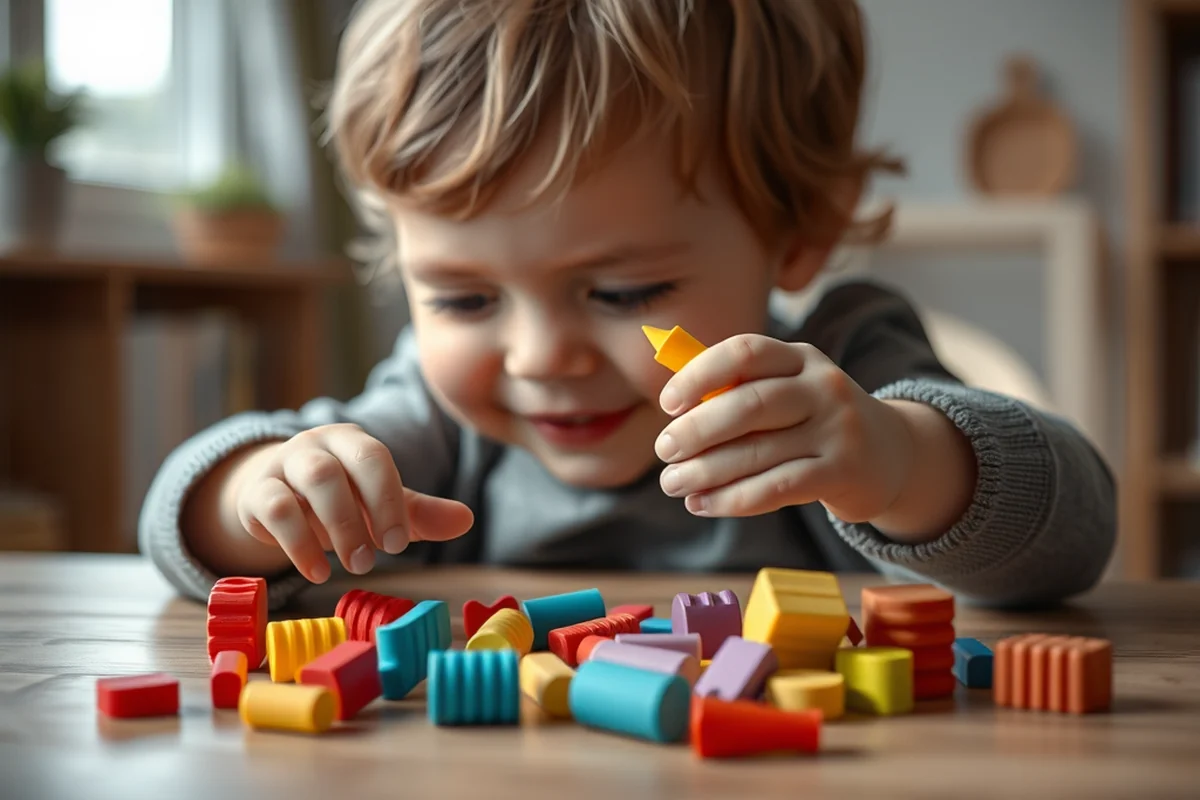
I’ve noticed that when my kids are playing, they’re constantly talking—naming things, describing what they’re doing, and even making up their own words. My daughter, for example, used to have a limited vocabulary, but after introducing play-based learning with storytelling and pretend play, she began using complex sentences and new words daily. It was like watching her language development take off.
The key is to be present and talk to your child while they play. I’ve made it a habit to describe what I see them doing, ask questions, and encourage them to explain their ideas. This kind of interaction builds not just vocabulary, but also comprehension and social skills. I’ve seen a huge difference in my kids’ confidence when they can express their thoughts clearly.
I also use books and storytelling as part of play-based learning. We read stories together, act them out, and even write our own. It’s amazing how much language development happens when kids are engaged and having fun. I’ve even had my kids teach me new words through their imaginative play, which has been both surprising and rewarding.
Language blooms when play and words go hand in hand.
Related: Play based learning budget ideas examples
Integrating Math Through Play
I was surprised how quickly my kids started learning math through play. My son, who used to struggle with numbers, began counting blocks, sorting beads, and even figuring out how to divide toys fairly. It wasn’t forced learning—it was just part of the game. He didn’t even realize he was learning math until we started talking about it.
I’ve found that using everyday objects like buttons, blocks, or even toys can be great for teaching numbers, shapes, and patterns. I’ve used a set of 20 identical blocks to teach counting and one-to-one correspondence, and it worked like magic. My daughter even started asking questions like, 'How many blocks do I need to make a tower that’s taller than you?' which was both fun and educational.[2]
I also use games like 'I Spy' to teach colors, shapes, and even basic geometry. It’s a simple game, but it helps kids develop spatial awareness and vocabulary. I’ve noticed that the more they play with math concepts, the more confident they become in school. It’s not about flashcards—it’s about making math part of their daily lives through play.
Use a set of 10 or 20 identical items and ask your child to count them. This helps with number recognition and one-to-one correspondence.[3]
“I remember the first time my daughter built a whole city out of cardboard boxes.”— Playschooled editors
Related: Best play based learning budget
The Role of Pretend Play in Emotional Development
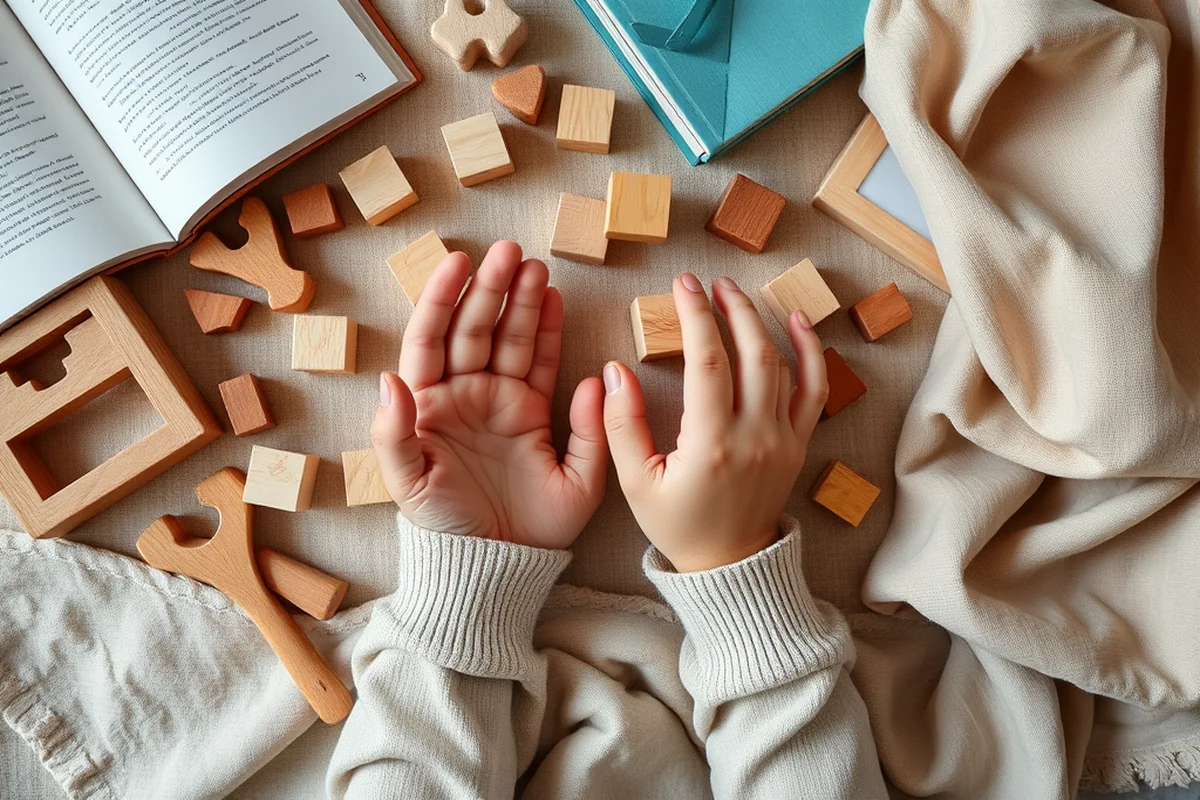
Pretend play has been one of the most powerful tools for emotional development in my kids. My daughter, who used to be shy and hesitant, now loves pretending to be a teacher, a doctor, or even a superhero. It’s amazing how she’s learning to express emotions, take turns, and even show empathy through her play.
I’ve noticed that when kids pretend to be someone else, they’re also learning to understand different perspectives. My son, for example, used to be very selfish, but after pretending to be a teacher and taking care of his toys, he started understanding what it means to share and help others. It was a subtle shift, but it made a big difference in his behavior.
I’ve made it a point to encourage pretend play by providing props like costumes, toys, and even paper and markers for creating imaginary scenarios. I’ve seen how this type of play helps kids process their feelings, build confidence, and even develop problem-solving skills. It’s not just fun—it’s a powerful learning tool.
Related: Play based learning budget tips
Play-Based Learning for Different Ages and Abilities
I’ve found that play-based learning works for kids of all ages and abilities. My son, who has a learning disability, has benefited immensely from play-based learning that’s tailored to his needs. Instead of traditional schoolwork, we use games, puzzles, and hands-on activities to teach him concepts in a way that’s engaging and accessible.
I’ve also found that play-based learning is great for kids with different learning styles. Some kids learn best through movement, while others thrive with visual or auditory cues. I’ve used sensory play, music, and storytelling to help my kids learn in ways that suit them best. It’s not about one-size-fits-all—it’s about finding what works for your child.
I’ve noticed that when play is adapted to a child’s abilities, they feel more confident and motivated to learn. I’ve seen my son who used to struggle with reading now excitedly read simple books, all because we made it a game. It’s a reminder that play-based learning isn’t just about learning—it’s about making learning fun and accessible for every child.
🌿 Gentle Approach
Ideal for sensitive or introverted children, this approach focuses on low-stimulation play and emotional safety.
🚀 Fast-Track Learning
For kids who learn quickly, this method uses structured play to build skills in a short amount of time.
🧳 Travel/On-the-Go Play
Perfect for families who are always on the move, this variation uses everyday objects to keep kids learning while traveling.
👶 Play for Multiples
This approach is designed for parents with more than one child, focusing on inclusive and cooperative play.
🔄 Regression Reset
For parents whose kids are experiencing developmental setbacks, this method uses play to rebuild confidence and skills.
| The mistake | Why it happens | The fix |
|---|---|---|
| Forcing too many structured activities at once. | This can overwhelm the child and make play feel like a chore rather than a fun learning experience. | Start with one or two activities and gradually introduce more as your child becomes comfortable. |
| Not being present during play. | Kids learn best when they have adult interaction, which helps them develop language, social, and cognitive skills. | Make sure to sit with your child during play and engage in conversation and questions. |
| Using too many materials at once. | This can be overwhelming and lead to less focused learning, as the child may not know where to start. |
Related: Budget play based learning budget ideas
Play-based Learning Ideas Tips
Related: Simple play based learning ideas
Common Questions
How do I know if my child is learning through play?
What if my child is too young for play-based learning?
Can play-based learning replace traditional schooling?
How can I make play-based learning more engaging?
References
- The Powerful Role of Play in Early Education (cde.ca.gov)
- Montana Early Learning Standards: A Developmental Continuum for ... (dphhs.mt.gov)
- Learning Mathematics through Everyday Play in Prekindergarten (files.eric.ed.gov)
Cite this guide
Playschooled (2026). Play-based Learning Ideas Tips. https://playschooled.com/play-based-learning-ideas-tips/
Feel free to cite or share this guide.