
Play Based Learning Indoor Rainy Day Ideas For Beginners
📖 Table of Contents
When the rain poured down in sheets and my toddler’s shoes turned to sponges, I found myself staring at the ceiling, desperate for a way to entertain us without venturing outside. I had heard the term 'play based learning' tossed around in parenting circles, but I had no idea how to translate that into something practical on a rainy day. It wasn’t until I stumbled upon a few simple, low-cost activities that I realized how much fun—and learning—could happen at home, even when the world was gray.
Rainy days can be a blessing in disguise when you’re a parent looking for opportunities to engage your child in meaningful, educational play. I didn’t have a lot of money or space, but I discovered that with just a few household items and a little creativity, I could transform our living room into a learning laboratory. Whether it was sorting laundry into color groups or building a tower with cereal boxes, I was amazed at how much my child was absorbing while playing.
Since that day, I’ve made it a point to keep a list of play based learning indoor rainy day ideas for beginners in my phone. It’s become a go-to resource whenever the weather turns sour. I’ve learned that these activities aren’t just about keeping kids busy—they’re about sparking curiosity, fostering creativity. Laying the groundwork for future learning in a way that feels natural and joyful.[1]
Why You'll Love This Approach to Learning
- Encourages natural curiosity and creativity
- Requires minimal cost and space
- Adaptable for different ages and abilities
- Promotes hands-on, experiential learning
How I Turned Laundry into a Learning Tool
As of October 2026, one of the first things I tried was sorting laundry by color. I laid out a bunch of socks and shirts in different colors and asked my toddler to group them. It was surprisingly engaging, and I noticed her counting aloud as she moved each item to its correct spot. I didn’t have to buy anything new—just a few minutes of my time and a pile of laundry.
To make it a bit more interactive, I added a timer and challenged her to sort as many items as she could in 5 minutes. It wasn’t just about color—it became a game of speed and accuracy. The best part? She didn’t even notice she was learning. Her eyes lit up every time she sorted a pair of socks correctly.
This simple activity became a regular part of our rainy day routine. I found that by keeping the task short and the rewards immediate, she stayed interested and even began asking to do it again the next day. It was a small win, but it showed me the power of turning everyday tasks into learning experiences.
Start with what you already have at home—socks, books, or even cereal boxes. No need for expensive materials to begin learning.
Part of our Play based learning indoor rainy day ideas guide.
DIY Sensory Bin with Items You Already Own
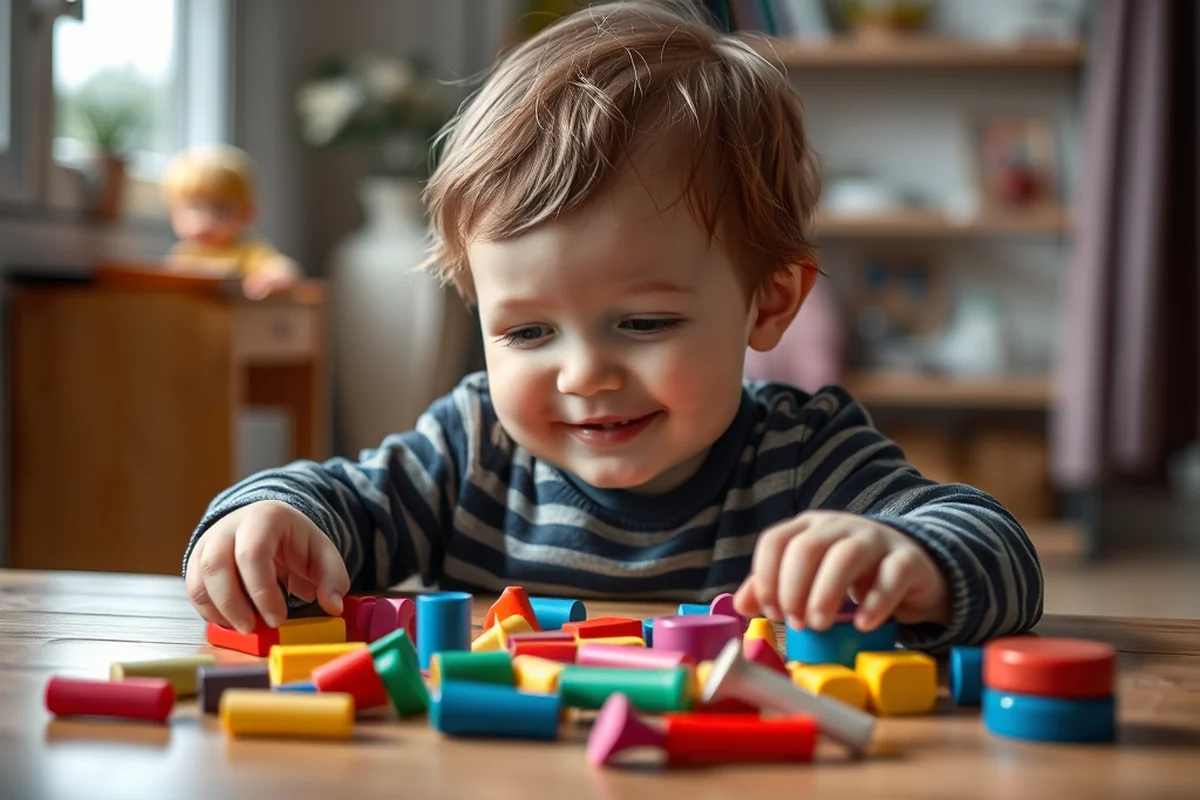
I filled a plastic bin with rice and added plastic animals, wooden blocks, and small balls. My toddler loved digging through the rice to find the hidden items. It was a hit on the first day and became a favorite rainy day activity. The best part? I didn’t have to buy anything new—just a few items I already had in the house.
To make it more educational, I labeled each object with a picture and a word. As she found each item, she would point to the label and repeat the word. It was a fun way to work on vocabulary and fine motor skills without any added stress.
This activity was so easy to set up and clean up. I kept the rice in a reusable container and wiped the bin down with a damp cloth after each use. It was a simple, yet effective way to engage my child in sensory play and learning at the same time.
Simple materials, endless possibilities.
Related: Simple play based learning indoor
The Power of Pretend Play
I set up a small kitchen area with pots, pans, and play food. My toddler loved pretending to cook and serve meals. She would count the number of 'cookies' she was making and even 'sell' them to me in exchange for pretend money. It was a fun way to work on counting, role-playing, and social skills.
I noticed that as she played, she began to take on different roles—sometimes the chef, sometimes the customer. Each time she switched roles, she practiced new skills and learned how to communicate and negotiate with others. It was an organic way for her to develop language and social skills.
This activity required no new purchases and was something I could do on the spur of the moment. I found that by encouraging her to use her imagination, she was able to learn and explore in a way that felt natural and unforced.
Pretend play is a powerful learning tool. Let your child take the lead and follow her interests as they arise.
“When the rain poured down in sheets and my toddler’s shoes turned to sponges, I found myself staring at the ceiling, desperate for a way…”— Playschooled editors
Related: Easy play based learning rainy
Building with Household Items
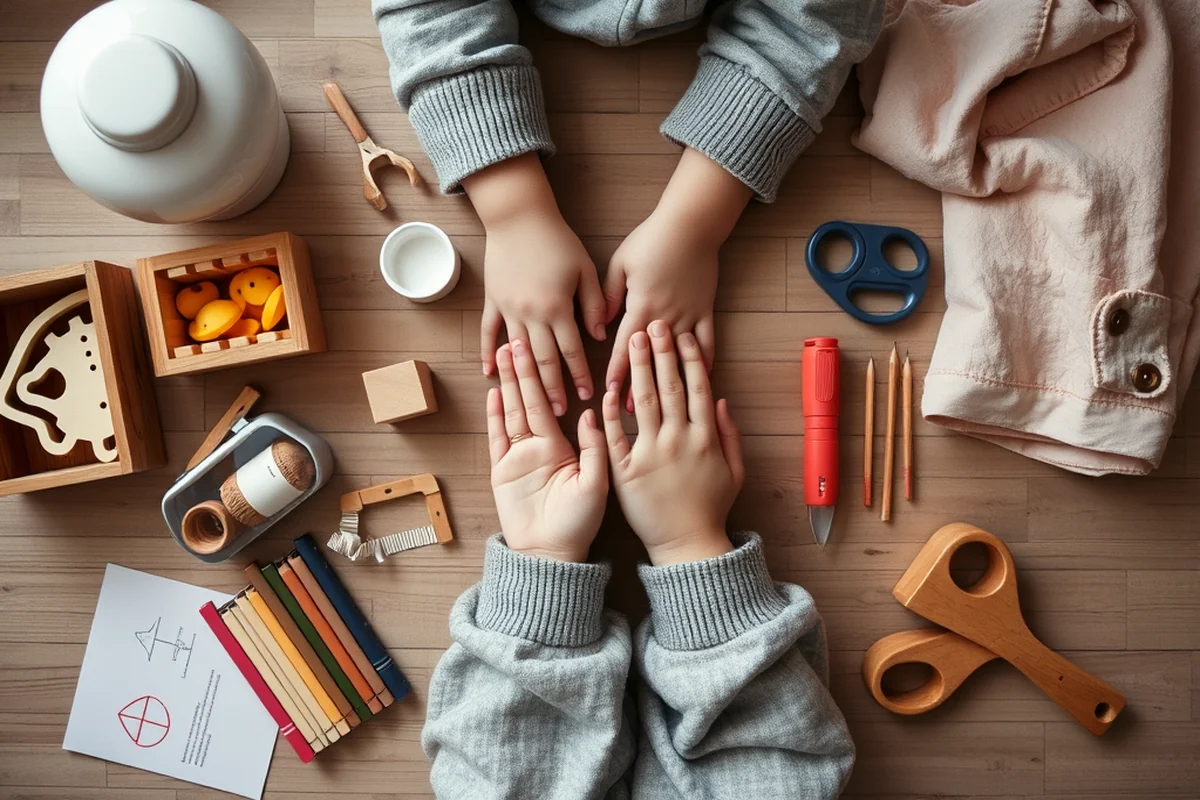
I had a stack of old cardboard boxes in the garage that I used to build a mini city with my toddler. She loved stacking them up and adding 'roads' made from paper plates and 'buildings' made from books. It was a great way to work on spatial awareness and creativity.
As we built, I encouraged her to name each structure and describe what it was. She became more confident in her language skills as she talked about what she was creating. It was a fun way to engage her in problem-solving without any added stress.
This activity was not only educational but also a great way to bond. I found that by taking the time to build and explore together, I was able to connect with my child in a meaningful way. It was a simple, yet powerful learning experience.
Related: Simple play based learning indoor rainy day ideas
Counting and Sorting with Everyday Objects
I filled a bowl with buttons and beads and asked my toddler to sort them by size and color. She loved the challenge and was excited to find patterns in the way the objects were arranged. It was a fun way to work on sorting and counting skills.
To make it more engaging, I added a timer and challenged her to sort as many items as she could in 3 minutes. She was determined to beat her previous score and would proudly show me her sorted pile when the time was up. It was a great way to encourage her to take on challenges and celebrate her progress.
This activity was so easy to set up and required no new purchases. I found that by keeping the tasks short and the rewards immediate, she stayed interested and even began asking to do it again the next day.
🧘 Gentle Approach
Focus on calm, low-energy activities like storytelling and gentle sorting.
⚡ Fast-Track
Choose quick, high-engagement activities like a 10-minute sensory bin or a spontaneous building challenge.
🧳 Travel/away-from-home
Use portable items like books, play dough, or a small set of blocks for on-the-go learning.
👶 Multiples
Engage multiple children with collaborative activities like group sorting or building a shared structure.
🔄 Regression Reset
Revisit familiar activities to rekindle learning and offer comfort during developmental plateaus.
| The mistake | Why it happens | The fix |
|---|---|---|
| Trying to make every activity educational. | Overloading your child with too much structure can make play feel like work, which can reduce engagement. | Let your child lead the activity and keep the learning subtle and fun. |
| Not allowing your child to explore and make mistakes. | Play is about exploration, not perfection. Not allowing your child to experiment can limit their learning. | Encourage your child to try different things and celebrate their efforts, even if the result isn’t perfect. |
| Using too many materials at once. | Too many items can overwhelm your child and make the activity feel chaotic. | Start with just a few items and gradually add more as your child becomes more comfortable with the activity. |
| Not cleaning up after the activity. | Leaving materials scattered can create a mess and potentially be a safety hazard. | Set a rule that cleaning up is part of the activity. Make it a fun game or a shared responsibility. |
Related: Simple play based learning rainy
Play Based Learning Indoor Rainy Day Ideas For Beginners
Related: Best play based learning indoor
Creating a Mini Indoor Garden for Science Exploration
I set up a mini indoor garden in a clear plastic container on our kitchen windowsill using soil, seeds, and small plants. My kids watered the plants daily and recorded their growth in a simple journal. This activity taught them about plant life cycles, responsibility, and basic botany. We discussed how much sunlight the plants needed and what happened when we forgot to water them. It was surprising how quickly they began asking questions about photosynthesis and pollination.
To make it more interactive, I added small labels with the names of the plants and let the kids choose which ones to grow. We even experimented with different types of soil and observed how each affected the plants’ growth. This simple activity turned our kitchen into a mini science lab without any special equipment. My daughter, who used to avoid reading, now checks the journal every morning to see how the plants are doing.
This project also gave us a chance to talk about sustainability and the importance of caring for living things. We’ve even started composting kitchen scraps, which the kids love to add to the garden. It’s been a great way to combine science learning with hands-on responsibility, all in a small space that fits perfectly on our countertop.
Using Cooking as a Play-Based Learning Opportunity
I’ve discovered that cooking with my kids is more than just a way to fill our bellies—it’s also a rich learning experience. We make simple recipes together, like homemade pizza or no-bake cookies, and I let them handle tasks like measuring ingredients, stirring batter, and even using a small knife to cut fruit. This teaches them about measurements, fractions, and following instructions. It’s amazing how many math concepts can be learned while making a batch of cookies.
I also use cooking as a way to teach about different cultures. We’ve made tacos, sushi, and homemade pasta, and I explain where the ingredients come from and how they’re used in different parts of the world. My kids love tasting new foods and asking questions about the history behind the recipes. They’ve even started suggesting new recipes we can try, which has turned meal planning into a fun family activity.
Cooking has also helped my kids build confidence and independence. They take pride in contributing to the meal and feel a sense of accomplishment when we sit down to eat together. It’s a win-win situation where we’re learning practical life skills and enjoying quality time as a family. I never expected how much fun and learning could come from something as simple as baking a cake in the kitchen.
Common Questions
What if I don’t have any special materials for play based learning?
How long should each activity last?
Can I do these activities with more than one child?
What if my child loses interest quickly?
References
- Investigating Nature-based Preschoolers Gains in Early Literacy and ... (files.eric.ed.gov)
Cite this guide
Playschooled (2026). Play Based Learning Indoor Rainy Day Ideas For Beginners. https://playschooled.com/play-based-learning-indoor-rainy-day-ideas-for-beginners/
Feel free to cite or share this guide.