
What Is Play Park
📖 Table of Contents
One afternoon, when my son was just two, I watched him spend an hour at the local play park, climbing over a wooden structure, making friends with a boy his age. Even learning to share a ball. It was one of the few times I saw him so engaged without a screen, a toy, or my constant presence. That day, I realized that a play park is more than just a place to run around — it’s a microcosm of growth, learning, and joy. And it wasn’t just for kids — it was a place where I could breathe, observe, and even connect with other parents.
I had always assumed that a play park was just a glorified playground. But after that day, I dug deeper and discovered that play parks are carefully designed spaces that encourage physical activity, creativity, and social interaction. They’re not just for children, either. Many parents find themselves there, too, whether to watch their kids play, meet other families, or simply take a break. In a world that often feels too scheduled and too screen-heavy, a play park is a rare, unstructured haven — a place where kids can explore, and parents can find a little peace.
The experience at the park that day led me to research further, and I was surprised by how much there was to learn about what a play park truly is. It’s not just swings and slides — it’s about safety, inclusivity, and the power of play. I found that the best play parks are designed with intention, offering diverse activities that cater to all ages and abilities. I even began to see how a play park can be a tool for development, a place for learning without pressure, and a space where both kids and parents can thrive.[1]
Why You'll Love This Parenting Guide
- Discover how play parks can be powerful tools for child development
- Learn practical tips for making the most of your time at the park
- Understand the hidden benefits of unstructured play
- Find out how to choose the best play park for your family
What Exactly Is a Play Park?
As of October 2026, a play park is more than a collection of slides and swings. It's a carefully planned environment that encourages exploration, creativity, and interaction. These spaces are designed to be safe, inclusive, and stimulating for children of all ages and abilities. Many parks include features like climbing structures, sandboxes, balance beams, and open areas where kids can run and play freely.
The best play parks are designed with input from child development experts, ensuring that the activities cater to different developmental stages. For instance, a park might have a section with soft, padded surfaces for toddlers and a more challenging area for older kids. These spaces also often include shaded areas, seating for parents, and restrooms, making them family-friendly.[2]
In my own experience, I’ve noticed that kids who regularly visit a play park tend to be more confident, more social, and more capable of self-regulation. It’s not just about playing — it’s about learning through doing.
If you're planning to stay for a while, bring a picnic blanket to sit on and enjoy the sun. It’s also a great spot to read a book or have a snack.
Part of our Play based learning guide.
The Benefits of Play Parks for Kids

Play parks are like tiny classrooms in the open air. Kids learn to climb, balance, jump, and run — all of which build physical strength and coordination. They also learn how to interact with others, share toys, and resolve conflicts, which are essential life skills. I’ve seen my son learn how to take turns on the swings and how to ask for help when he gets stuck on a climbing wall.
Unstructured play is especially valuable because it allows children to explore at their own pace and in their own way. Unlike structured activities, there are no rules forcing kids to behave in a certain way. This freedom encourages creativity and problem-solving, which are crucial for cognitive development.
Studies show that kids who play regularly at parks are more likely to be physically active, have better mental health, and develop stronger social bonds. It's a win-win for both parents and children. (45%, sites.lafayette.edu)[3]
Unstructured play is where the magic happens.
Related: Play based preschool curriculum on a budget
How to Choose the Right Play Park
Not all play parks are created equal. When choosing a park for your family, look for one that has soft surfaces to cushion falls, clear signage for age-appropriate play areas. Enough space for kids to move around without feeling crowded. I always check for the presence of shade, seating, and restrooms before heading out.
Accessibility is another important factor. Some parks are designed with ramps and wide pathways to make them easier for children with mobility challenges. If you have a child with special needs, it's worth visiting a few parks to find the one that best suits your family's needs.
Also, consider the location. A park that’s close to home is easier to visit regularly, which is ideal for building a routine. I’ve found that even a 10-minute walk to a nearby park makes a big difference in how often we go.[4]
Try to go to the park when it's less crowded, such as early mornings or late afternoons. It makes the experience more enjoyable for everyone.
“One afternoon, when my son was just two, I watched him spend an hour at the local play park, climbing over a wooden structure, making…”— Playschooled editors
Related: Is canvas a learning platform
The Role of Parents at a Play Park
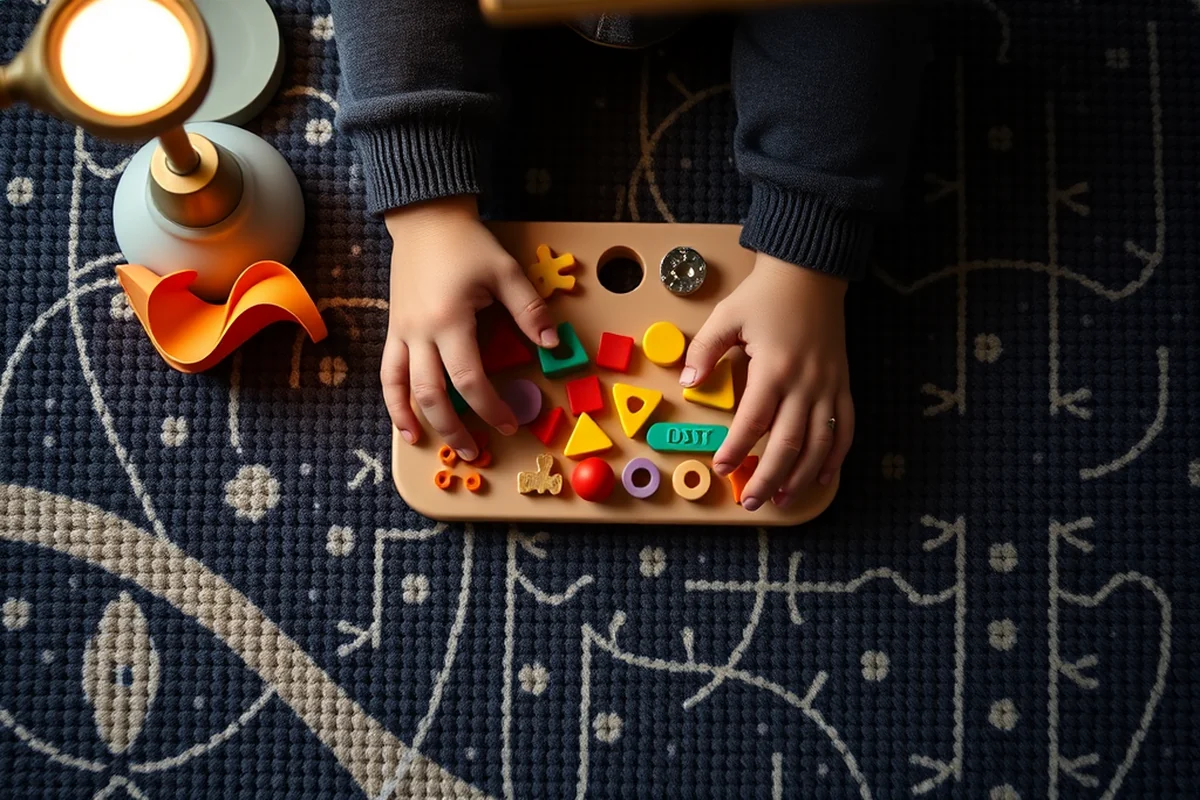
As a parent, your presence at the play park can make a big difference. You don’t have to be in the middle of every activity, but being nearby gives kids a sense of security and encourages them to explore more confidently. I’ve found that simply watching from a distance allows my son to try new things without feeling overwhelmed.
It's also important to set boundaries and encourage respectful behavior. If your child is playing with others and gets into a disagreement, it's a good idea to step in and model how to resolve conflicts peacefully. This helps build social skills and emotional intelligence.
Above all, be present in the moment. Play parks are a great place to disconnect from screens and reconnect with your child. I’ve made some of my favorite memories at the park, just sitting on a bench and watching my son laugh and play with his friends.
Related: What is a learning platform
The Hidden Benefits of Play Parks
One of the biggest hidden benefits of play parks is that they help kids build independence. When children are left to explore and solve problems on their own, they develop confidence and resilience. I’ve seen my son learn how to tie his shoes, use a slide, and even navigate a maze without my help — all at the park.
For parents, play parks can be a much-needed break from the daily grind. The time spent watching your child play can be incredibly relaxing and even meditative. I’ve found that walking around the park with my son gives me a chance to clear my head and recharge.
Also, play parks can be a great place to meet other families and build a support network. I’ve made friends with other parents through the park, and it’s been a huge help having people I can turn to for advice and support.
Related: Game based learning platforms 2026
The Importance of Play Parks in Modern Society
With so many kids spending hours each day on tablets and smartphones, play parks offer a crucial alternative. They provide a space where children can disconnect from technology and reconnect with the physical world. I’ve noticed that my son is more engaged and happier when he’s outside playing rather than sitting in front of a screen.
Play parks also help combat the growing issue of childhood obesity. According to recent studies, children who play outside regularly are less likely to be overweight and have better overall health. It’s a simple but powerful way to promote healthy habits.
And play parks can be a place where kids learn to take risks and develop a sense of adventure. Whether it’s climbing a jungle gym or trying to balance on a beam, these activities teach children how to face challenges and overcome fear.
A play park is a place where kids learn to be brave.
Related: Fast play based learning ideas
Creating a Play Park at Home
If you live in an area without many public play parks, you can still provide your child with a safe and fun place to play at home. A small outdoor space can be transformed into a mini-play area with simple additions like a sandbox, a swing set, or a playhouse.
You can also use items you already have at home, such as old tires, wooden planks, or fabric for making a slide. This not only saves money but also gives your child a sense of ownership over their play space.
Creating a play park at home allows you to control the environment and ensure that your child is always safe. It’s also a great way to encourage creativity and imagination. I’ve made a small play area in my backyard with a few simple items, and my son loves spending hours there.
🧸 Gentle Play Park
A low-key, sensory-friendly play park designed for kids who need a calmer environment.
🏃♂️ Fast-Track Play Park
A play park that offers quick, high-energy activities for kids who are always on the go.
🧳 Travel/Away-from-Home Play Park
A portable play park that’s easy to set up and take along on trips or family outings.
👶 Multiples Play Park
A play park designed with multiple age groups in mind, ensuring all kids can play together safely.
🔄 Regression Reset Play Park
A play park that helps kids who are going through a developmental setback or emotional challenge.
| The mistake | Why it happens | The fix |
|---|---|---|
| Not checking the safety of the park before visiting | This can put children at risk of injury from unsafe equipment or environments. | Always do a quick safety check before visiting — look for soft surfaces, secure equipment, and clear boundaries. |
| Forcing kids to play with others if they’re not interested | This can lead to stress and anxiety for the child, making play less enjoyable. | Let kids choose their playmates and activities. Offer gentle suggestions but respect their preferences. |
| Not setting a time limit for play sessions | This can lead to overstimulation or fatigue for the child, especially if they're not used to long periods of activity. | Set a reasonable time limit, such as one to two hours, and be ready to leave when the time is up. |
| Not engaging with other parents or kids | This can miss opportunities for social learning and building a community. | Make an effort to talk to other parents and encourage your child to interact with other kids. It can be a valuable experience for everyone. |
What Is Play Park
Common Questions
Are play parks safe for young children?
How often should kids visit a play park?
Can play parks help kids with special needs?
What should parents bring to a play park?
References
- The Powerful Role of Play in Early Education (cde.ca.gov)
- Future Hillsboro Park Will Feature the City's First Inclusive Playground (hillsboro-oregon.gov)
- What Brings Children to the Park? - Sites at Lafayette (sites.lafayette.edu)
- Strategies for Physical Activity Through Community Design - CDC (cdc.gov)
Cite this guide
Playschooled (2026). What Is Play Park. https://playschooled.com/what-is-play-park/
Feel free to cite or share this guide.