
Play-based Learning Budget Ideas
📖 Table of Contents
I remember the first time I realized that my toddler wasn’t just playing — he was learning. He was sorting blocks by color, stacking them by size, and counting them without even knowing the words for numbers. It was a revelation, and it made me rethink everything I thought I knew about early education. Play-based learning, I learned, was not only fun but also deeply effective — and I wanted to make it work for my family, even on a budget.[2]
At first, I thought play-based learning meant spending a lot of money on fancy toys, educational programs, and structured activities. But after a few months of trial and error, I discovered that the best learning happens in the everyday. It happens when you turn a simple trip to the park into a lesson about shapes, or when you use household items to teach sorting and categorization. It was eye-opening — and far more affordable than I ever imagined.[3]
So, I started compiling ideas, experimenting with what worked and what didn’t. I found that the key to creating a play-based learning environment didn’t lie in buying expensive materials, but in being creative with what we already had. In this article, I’ll share some of the best play-based learning budget ideas I’ve tested with my own children — ideas that are practical, engaging, and that actually work.[4]
Why You'll Love This Play-Based Learning Approach
- It’s incredibly affordable — often using items you already have at home.
- It’s developmentally appropriate and engaging for young children.
- It fosters creativity, problem-solving, and social skills naturally.
- It’s flexible and can be tailored to your child’s interests and learning style.
How to Turn Everyday Items Into Learning Tools
As of October 2026, I learned that a sensory bin can be created using a plastic container, a few kitchen items like spoons and measuring cups. Some items from around the house — like buttons, cotton balls, or even small blocks. This setup allows children to explore textures, practice sorting, and develop fine motor skills. It’s surprisingly effective and only costs a few dollars.
One of my favorite setups involved using a large container filled with rice and small, smooth objects like marbles or wooden beads. My daughter loved sifting through the rice to find the hidden items, which helped her with hand-eye coordination and patience. We reused the same container and rice for multiple activities, which made it an economical choice.
The beauty of this approach is that you can tailor the sensory bin to your child’s interests. If they love dinosaurs, you can add plastic dinosaur figurines. If they’re into colors, you can use colored rice or fabric scraps. It’s a flexible, engaging way to teach without breaking the bank.
Start with one or two items in the bin to avoid overwhelming your child. Gradually add more as they become more comfortable with the activity.
The Power of Nature-Based Play
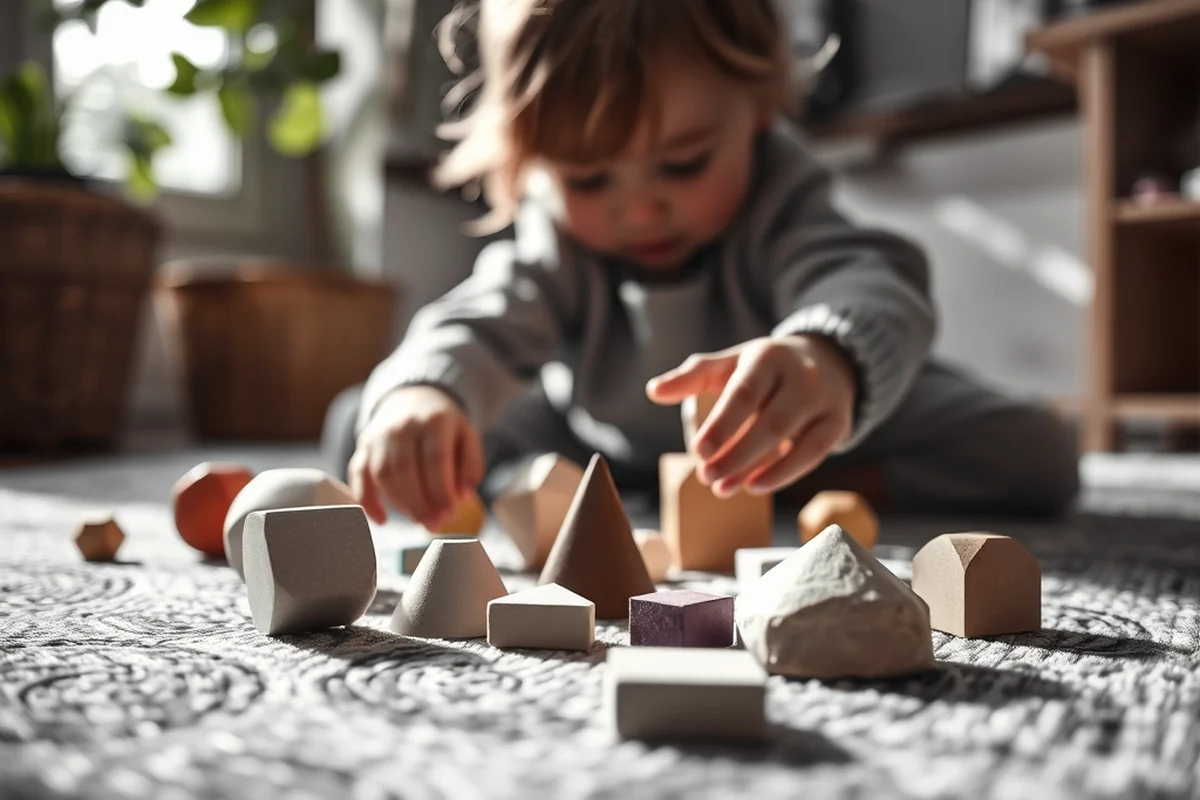
I took my children on a nature walk one afternoon, and it was like opening a door to a whole new world of learning. We collected leaves, rocks, and flowers, and we discussed their shapes, colors, and textures. It was a natural way to introduce science and vocabulary without any cost.
I’ve noticed that my children are more engaged when they’re outside. They’re more curious, more focused, and more willing to explore. I’ve started taking nature walks more often, and it’s been a game-changer for their learning and development.
Even a small park or a backyard can become a learning environment. Use the space to teach counting, shapes, and even basic physics by rolling balls down hills or observing how leaves fall from trees.
Nature is the best teacher — it’s free, it’s always there, and it never stops surprising you.
Related: Play based learning budget ideas on a budget
How to Create a Home Learning Station with Minimal Cost
I turned a small corner of our living room into a makeshift learning station using a cardboard box, some paper, and a few household items. It became a place where my child could explore, create, and learn — all while keeping the cost low.
I used a cardboard box as a storage container for our learning materials, and we filled it with paper, crayons, and small toys. My child loved using the paper to draw, fold, and cut — and I didn’t have to buy anything new to make it happen.
This approach encourages creativity and problem-solving, and it gives your child a dedicated space to explore and learn. It’s easy to set up and even easier to modify as your child’s interests change over time.
Every few weeks, swap out the items in the learning station to keep your child interested and engaged. It’s a simple way to keep the learning experience fresh and exciting.
“I remember the first time I realized that my toddler wasn’t just playing — he was learning.”— Playschooled editors
Related: Play based learning budget that actually work
How to Use Technology Wisely in Play-Based Learning
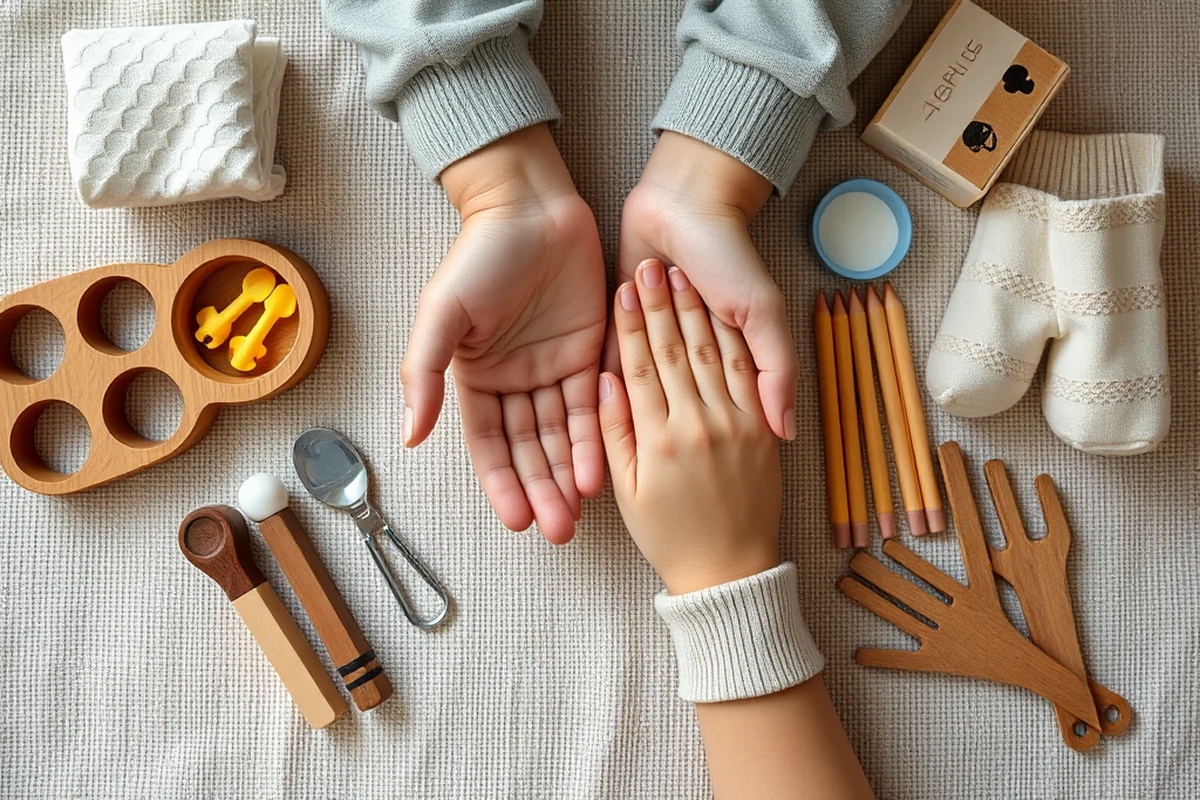
I’ve found that technology can be a useful tool in play-based learning — as long as it’s used in moderation and with purpose. I’ve used educational apps that teach shapes, numbers, and letters, and I’ve found that my child enjoys them when used as a supplement to hands-on activities.
I also use my phone to take pictures of things we find in nature, and we use those pictures as a basis for discussion and memory games. It’s a way to integrate technology into learning without overusing it.
The key is to use technology as a tool, not a crutch. I limit screen time to 15-20 minutes a day, and I always pair it with hands-on play or creative activities.[1]
Related: Play based learning budget ideas checklist
How to Involve the Whole Family in Play-Based Learning
I’ve found that when the whole family is involved in play-based learning, it becomes more engaging and more effective. I started playing with my child more often, and it’s made a huge difference in how much he enjoys learning.
We’ve turned learning into a family activity by playing board games, reading together, and building things with blocks. It’s not only fun, but it’s also a great way to bond and support each other’s learning.
Involving the whole family also means that learning doesn’t have to be something that happens only during specific times. It can be a part of everyday life — from cooking together to going on nature walks.
🌱 Gentle Approach
This approach focuses on low-stress, slow-building learning through play. It’s ideal for children who need time to explore and develop at their own pace.
⚡ Fast-Track Approach
This method emphasizes quick, high-impact learning experiences. It’s great for parents who want to maximize learning in a short amount of time.
🧳 Travel/away-from-home Approach
This variation is designed for families who are on the move. It focuses on using items from the environment to create learning opportunities wherever you are.
👩👧👦 Multiples Approach
This method is tailored for parents with more than one child. It helps ensure that all children receive attention and learning opportunities, even when they’re at different developmental stages.
🔄 Regression Reset Approach
This approach is for parents who are looking to re-engage their child with learning after a period of disinterest or regression. It uses play to rekindle curiosity and motivation.
| The mistake | Why it happens | The fix |
|---|---|---|
| Trying to do too much at once | It can overwhelm your child and make the learning experience stressful rather than fun. | Start with one or two simple activities, and gradually add more as your child becomes more comfortable with play-based learning. |
| Using too many screens | Excessive screen time can reduce the amount of hands-on play and creativity in your child’s learning experience. | Use technology as a tool, not a crutch. Limit screen time and always pair it with hands-on play or creative activities. |
| Ignoring your child’s interests | Forcing learning activities that your child isn’t interested in can make the experience unenjoyable and less effective. | Follow your child’s lead and choose activities that align with their interests and learning style. |
| Not involving the whole family | Play-based learning is more effective when it’s a shared experience, but not involving others can make it feel isolating for your child. | Involve other family members in the learning process. It makes it more fun and more meaningful for everyone. |
Related: Play based learning budget for beginners
Play-based Learning Budget Ideas
Related: Quick play based learning budget ideas
Maximizing Free Community Resources for Play-Based Learning
Tap into free local programs, libraries, and museums to enrich your child's play-based learning without spending a dime.
I’ve discovered that many libraries offer storytime sessions, craft workshops, and even STEM activities for kids at no cost. These events are often held weekly and provide a structured, educational environment that mimics classroom learning through play. I’ve taken my daughter to a local library’s science night, where kids explored simple physics concepts through hands-on experiments, and it was both engaging and free. These opportunities not only save money but also expose children to diverse learning experiences they might not get at home.
Museums and science centers often have free days or discounted admission for members of specific groups, like military families or low-income households. I once found out that our city’s children’s museum offered free entry every first Saturday of the month, which we’ve made a monthly tradition. These days allow us to explore interactive exhibits that reinforce concepts like counting, shapes, and cause-and-effect in a fun, immersive way. It’s incredible how much learning can happen when kids are actively exploring and asking questions.
Community centers and parks are also great places for free, unstructured play that fosters learning. I’ve noticed that my son’s problem-solving and social skills have grown significantly after we started attending a neighborhood park’s free summer play program. The staff there sets up simple obstacle courses, scavenger hunts, and group games that encourage teamwork and critical thinking. These programs are often funded by grants or local businesses and are available to all families, making them an accessible and valuable resource for play-based learning.
Common Questions
How can I make sure play-based learning is effective for my child?
What if I don’t have much time for learning activities?
How do I know if my child is learning from these activities?
What if my child isn’t interested in the activities I choose?
References
- (PDF) The Role of Play-Based Learning in Early Childhood Education (academia.edu)
- The emergence of play-based learning legislation and its ... (brookings.edu)
- Supporting Children's Learning Through Play - ChildCare.gov (childcare.gov)
- The Power of Play-Based Learning in Early Childhood Education (cune.edu)
Cite this guide
Playschooled (2026). Play-based Learning Budget Ideas. https://playschooled.com/play-based-learning-budget-ideas/
Feel free to cite or share this guide.