
Play-based Learning Budget Checklist
📖 Table of Contents
I remember the first time I realized that play wasn’t just a luxury—it was the foundation of learning. My daughter, then 3, spent hours stacking blocks, pretending to be a chef, and drawing pictures of her imaginary friends. At first, I saw these moments as just fun, but over time, I began to notice how her creativity, problem-solving, and language skills were growing in tandem with her play. That’s when I started thinking about how to structure her learning around these moments, not away from them. Enter the ‘play-based learning budget checklist’—a guide I wish I had when I was first navigating this journey.[1]
Creating a budget for play-based learning can feel overwhelming, especially if you’re trying to balance the joy of open-ended play with the practicalities of costs and time. I’ve spent the last few years testing different approaches, from low-cost DIY ideas to purchasing a few key tools that can be used over and over again. The key is to focus on quality over quantity, and to remember that some of the most powerful learning experiences happen with no money at all. This checklist isn’t about filling a toy-filled room—it’s about making thoughtful, intentional choices that support your child’s development without breaking the bank.
One of the hardest parts of play-based learning is knowing where to start. Should I invest in expensive STEM kits, or is it better to focus on simple, open-ended toys? How much should I be spending each month, and what’s actually worth the cost? These are the questions I asked myself when I first started, and I’m still learning. But through trial and error, I’ve discovered that the best approach is to build a budget that’s flexible, realistic, and centered around what your child is actually interested in. That’s why I created this ‘play-based learning budget checklist’—a practical, no-nonsense way to help you create a learning environment that’s both affordable and enriching.[2]
Why You'll Love This Play-Based Learning Budget Checklist
- It helps you allocate resources where they matter most, ensuring you're investing in experiences that truly support your child’s development.
- It simplifies the process of choosing between low-cost and high-cost options, so you can avoid overspending.
- It makes it easier to stay consistent with your child’s learning goals, even when life gets busy.
- It’s designed to be flexible, so it can grow and change as your child’s interests evolve.
What Is a Play-Based Learning Budget Checklist?
As of October 2026, when I first started exploring play-based learning, I didn’t know where to begin. I had a vague idea of what ‘educational play’ meant, but I had no clear way to organize my thoughts or budget. That’s when I created a simple checklist—something I could review each month to see where I was spending and where I could cut back. It helped me track purchases, prioritize quality items, and even identify free or low-cost activities I could incorporate into my routine.
The checklist isn’t a rigid list of things you must buy, but rather a flexible guide that helps you stay intentional with your choices. I’ve used it to decide whether a new art set was worth the cost, or if a more open-ended option like natural materials would be better. It’s also helped me avoid the trap of buying too many small, short-lived toys, which can be both expensive and overwhelming for a child.
What I love most about the checklist is that it makes the whole process of learning through play more manageable. Instead of feeling like I need to buy everything at once, I can take it step by step, and focus on the things that are most important for my child’s development.
When choosing items for your child’s play-based learning, think about how often they’ll be used and how long they’ll last. A few high-quality toys can be more valuable than a shelf full of cheap, short-lived ones.
How to Create Your Checklist
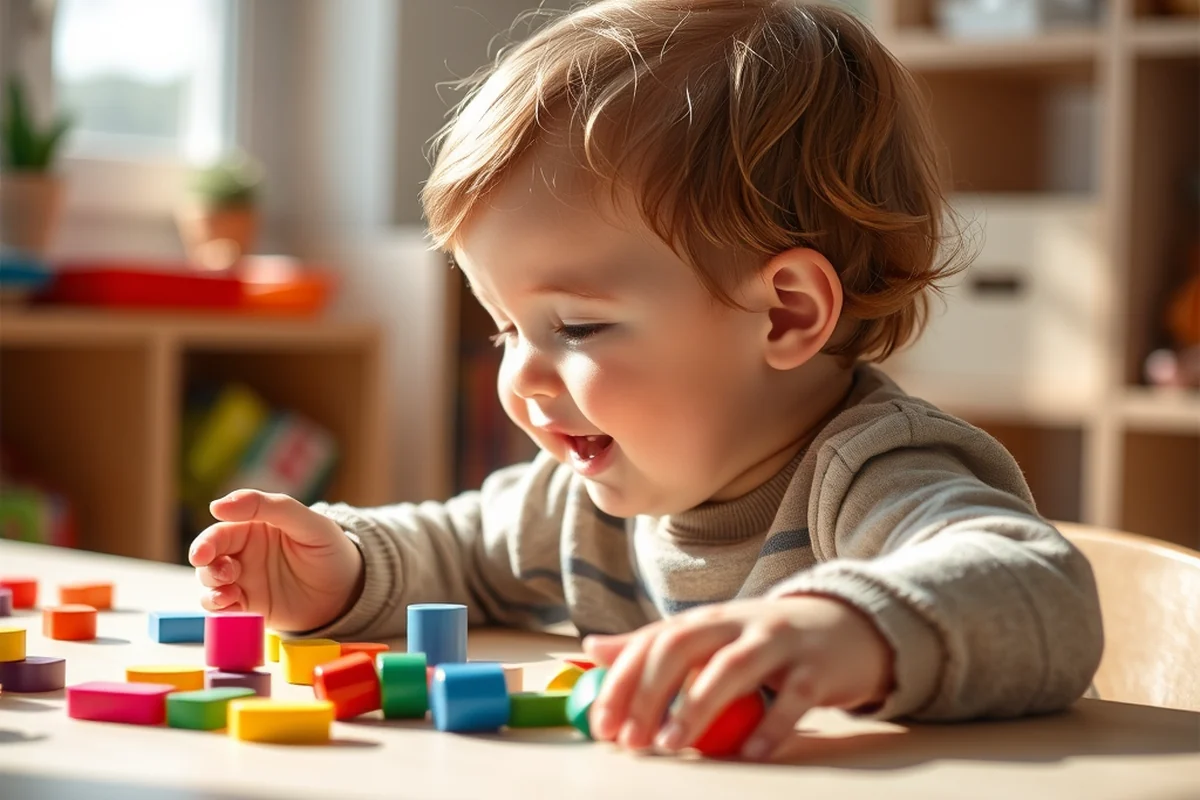
I started by listing all the different types of play-based learning activities my child was interested in—blocks, art, pretend play, nature exploration, and so on. Then, I made a rough estimate of how much I was spending each month on these activities and categorized them into different groups, like 'core tools' and 'optional extras'. This helped me see where I was spending most of my money and where I could be more efficient.
I also made a rule for myself: I wouldn’t buy more than one new item per week unless it was a core learning tool. This rule helped me avoid impulse buying and stay focused on what was truly needed. It also gave me time to think about whether each item was really valuable or if there was a cheaper or better alternative.
Over time, I adjusted my checklist based on what worked and what didn’t. For example, I found that investing in a few quality art supplies was more beneficial than buying a variety of small, cheap markers that broke easily. This process of reflection and adjustment is what makes the checklist so effective.
“The checklist helps you stay focused on what really matters, not just what’s on sale.”
Related: Play based learning budget mistakes to avoid
What to Include on Your Checklist
I learned the hard way that the checklist needs to go beyond just listing toys and games. It should also include experiences like field trips, books, and even the time I spend playing with my child. For example, I had a section on 'family learning days' where we’d spend an afternoon at the library or exploring a local park. These experiences are just as valuable as any toy or educational kit.
I also made sure to include both core items and optional extras. Core items are things like blocks, books, and art supplies that are used regularly. Optional extras might be things like a science kit or a music recorder that aren’t used as often. This distinction helped me prioritize what was most important and avoid overspending on things that were just nice to have.
Another thing I added was a 'notes' section where I could write down observations about what my child enjoyed or what wasn’t working. This helped me adjust my budget and choices based on what was actually effective for their learning.
Don’t forget to account for experiences like museum visits, outdoor play, and quality time spent together. These can be just as valuable as any toy or learning tool.
“I remember the first time I realized that play wasn’t just a luxury—it was the foundation of learning.”— Playschooled editors
Related: Affordable play based learning budget
How to Use Your Checklist Effectively
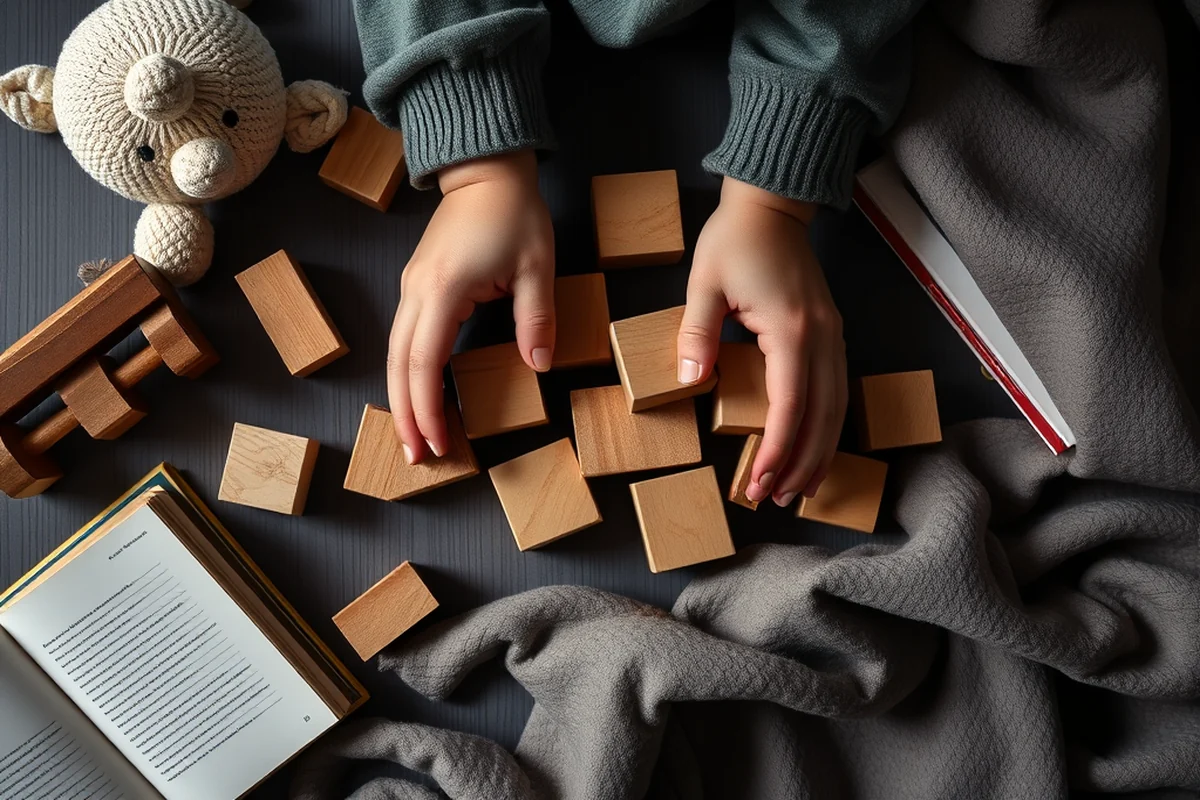
I review my checklist every month to see where I’m spending and where I could be more efficient. This has helped me notice patterns, like how I tend to overspend on art supplies or how I’m not using some of my core items as much as I should. It’s also helped me identify areas where I could be more creative or use what I already have.
I also find that setting a specific budget limit per category helps me stay on track. For example, I set a limit of $20 per month for books and $15 for art supplies. This keeps me from going overboard, even if I find a great deal.[3]
Another thing I’ve learned is that the checklist should be a living document. As my child’s interests change, so should the checklist. I’ve had to update it several times over the years, and each time, it’s helped me make better choices for my child’s learning.
Related: Simple play based learning budget ideas
Why a Budget Checklist Is Worth the Effort
What I’ve found is that when I use the checklist, I’m more mindful of my spending and more intentional with the activities I choose. It also helps me avoid the stress of last-minute purchases or feeling like I’m missing out on something important for my child’s learning.
In the long run, the checklist has saved me money by helping me avoid buying things I didn’t really need. It’s also helped me build a more consistent learning environment, which has made a noticeable difference in my child’s confidence and curiosity.
The checklist is a tool that supports both my child’s learning and my own peace of mind. It’s not about being perfect or spending a lot—it’s about being thoughtful, intentional, and committed to making the most of what we have.
🌿 Gentle Approach
This approach focuses on low-cost, natural materials and free activities that support learning through play, ideal for parents who want to keep things simple and eco-friendly.
⚡ Fast-Track Method
For parents who want to quickly set up a play-based learning environment with a few key purchases and immediate, structured activities that promote skill development.
✈️ Travel/Away-from-Home
A mobile-friendly approach that uses lightweight, portable items and activities that can be easily taken on the go, perfect for families who are often on the move.
👶 Multiples
Tailored for parents with more than one child, this approach helps manage budget and space for multiple children, ensuring each child has access to learning opportunities.
🔄 Regression Reset
Designed for families who are adjusting to new routines or developmental stages, this approach helps reset and rebuild a play-based learning environment with clear, actionable steps.
| The mistake | Why it happens | The fix |
|---|---|---|
| Buying too many small, short-lived toys | These can be expensive and overwhelming for a child, and they often break or get lost quickly. | Focus on buying fewer, higher-quality items that are durable and can be used in multiple ways. |
| Ignoring free or low-cost options | There are many free or low-cost learning activities that can be just as effective as buying new toys or materials. | Take time to explore and incorporate these options into your routine. |
| Not adjusting the checklist over time | As your child grows and their interests change, the checklist should be updated to reflect their new needs and preferences. | Review and update your checklist regularly to ensure it continues to support your child’s development. |
| Overspending on optional extras | Optional items like special kits or one-time use materials can add up quickly, especially if you’re not careful. | Set a budget limit for these items and only purchase them when they’re truly needed. |
Related: Play based learning budget ideas on a budget
Play-based Learning Budget Checklist
Related: Play based learning budget that actually work
Common Questions
How do I know what to prioritize on my checklist?
Can I use this checklist if I don’t have a lot of money?
How often should I review my checklist?
What if I find that I’m not using some of the items on my checklist?
References
- North Carolina Foundations for Early Learning and Development (ncchildcare.ncdhhs.gov)
- The Powerful Role of Play in Early Education (cde.ca.gov)
- Dramatic Play in Early Childhood: Benefits, Types, and Creative ... (wgu.edu)
Cite this guide
Playschooled (2026). Play-based Learning Budget Checklist. https://playschooled.com/play-based-learning-budget-checklist/
Feel free to cite or share this guide.