
Play-based Learning Budget On A Budget
📖 Table of Contents
I remember the first time I realized that my toddler could learn to count while playing with blocks — no flash cards, no workbooks, just a handful of wooden pieces and a whole lot of curiosity. At the time, I was juggling my full-time job, two other kids, and a never-ending list of chores. I had a budget, but not much of it was left for 'educational' toys. That’s when I started thinking creatively about how to make learning part of play — not as an expense, but as a way of life.
Play-based learning doesn’t have to come with a price tag. I’ve tested countless DIY approaches, from using grocery bags for sorting games to crafting simple math activities with leftover craft supplies. What I’ve learned is that the most powerful learning moments happen when kids are fully engaged in what they’re doing. It’s not about buying the latest ‘educational’ gadget — it’s about being intentional with the materials you already have.[1]
This article is for parents who are ready to make the most of what they have, without stretching their budget. Whether you’re working from home, juggling multiple kids, or simply looking for a more affordable way to support your child’s development, this guide is for you. I’ve walked the path, and I’m here to help you make play-based learning a reality — without the price tag.[2]
Why You'll Love This Play-Based Learning Approach
- No expensive educational toys required — just the things you already have.
- Encourages creativity, problem-solving, and engagement without screen time.
- Flexible enough to adapt to any family dynamic or budget constraint.
- Builds a stronger connection between you and your child through shared play.
How to Start with What You Have
As of October 2026, I’ve found that my child’s favorite learning moments often happen with items I wouldn’t expect, like cardboard boxes, spoons, and even old magazines. One day, I turned a stack of old newspapers into a sorting game, and it became a favorite. I didn’t have to spend a dime to make this work — just a bit of time and a lot of imagination.
The key is to look at your home with new eyes. A pile of socks can become a color-matching activity, and a plastic container of buttons can be used for counting and sorting. I’ve even used leftover fabric scraps to make simple counting puzzles, and my toddler loved them.
Starting with what you have not only saves money but also teaches your child that learning doesn’t have to be expensive. It’s about being resourceful and using what’s already available in your home.
Before you go shopping, take a walk through your home with your child and brainstorm what you can use for play-based learning. A box of crayons, some paper, and a few plastic containers can be transformed into a learning center.
The Power of Pretend Play
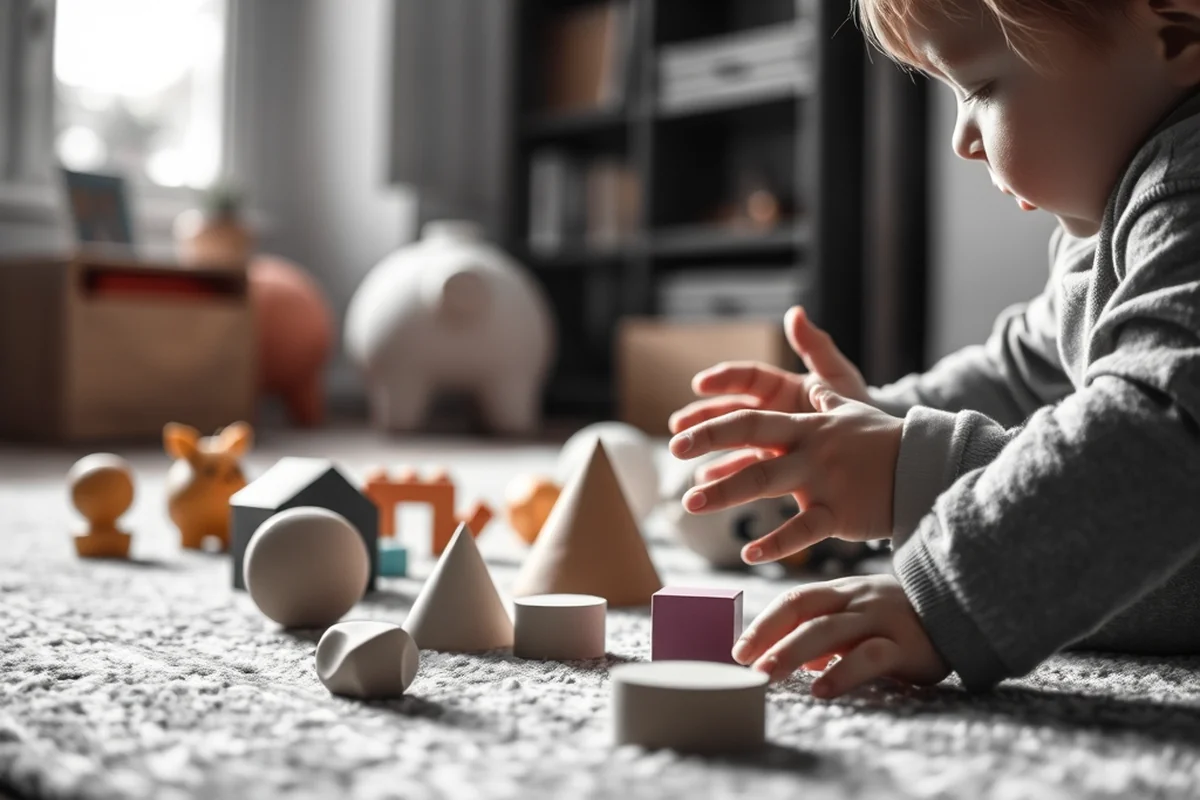
I remember the first time my child set up a pretend grocery store in our living room. She used old boxes as shelves, and I found plastic cups to act as grocery bags. It wasn’t just fun — it was learning. She was sorting items, counting money, and even practicing reading by pretending to read labels.
Pretend play allows children to explore roles, practice social skills, and build language. It’s a natural extension of their imagination, and it doesn’t cost a thing. I’ve seen my child learn to count and sort by pretending to be a restaurant server, a doctor, and even a teacher.
The best part is that you don’t need to buy any special toys for this. You can use items from around the house and watch your child learn without even realizing it.
Pretend play is learning in disguise — and it’s free.
Related: Diy play based learning budget
DIY Learning Tools for Less Than $10
I once made a simple letter matching game using cardboard and a few markers. It took less than $10, and my child loved it. I used old cereal boxes and cut them into pieces, then labeled them with letters and corresponding images. It became a favorite learning activity for weeks.[3]
Another time, I used leftover fabric and some wooden beads to make a sorting and counting game. The beads were from a craft project that had already been completed, and the fabric was something we were going to throw away. I just needed a few minutes to assemble it, and it worked perfectly.
These DIY learning tools are not only cost-effective but also give your child a sense of accomplishment — they’re proud of the things they create, even if they’re just made from old materials.
Look in your recycling bin or storage closet for materials you can repurpose. Old fabric, cardboard, and even buttons can be used to create learning activities that are both fun and educational.
“I remember the first time I realized that my toddler could learn to count while playing with blocks — no flash cards, no workbooks, just…”— Playschooled editors
Related: Play based learning budget mistakes to avoid
Making Learning Part of Daily Routines
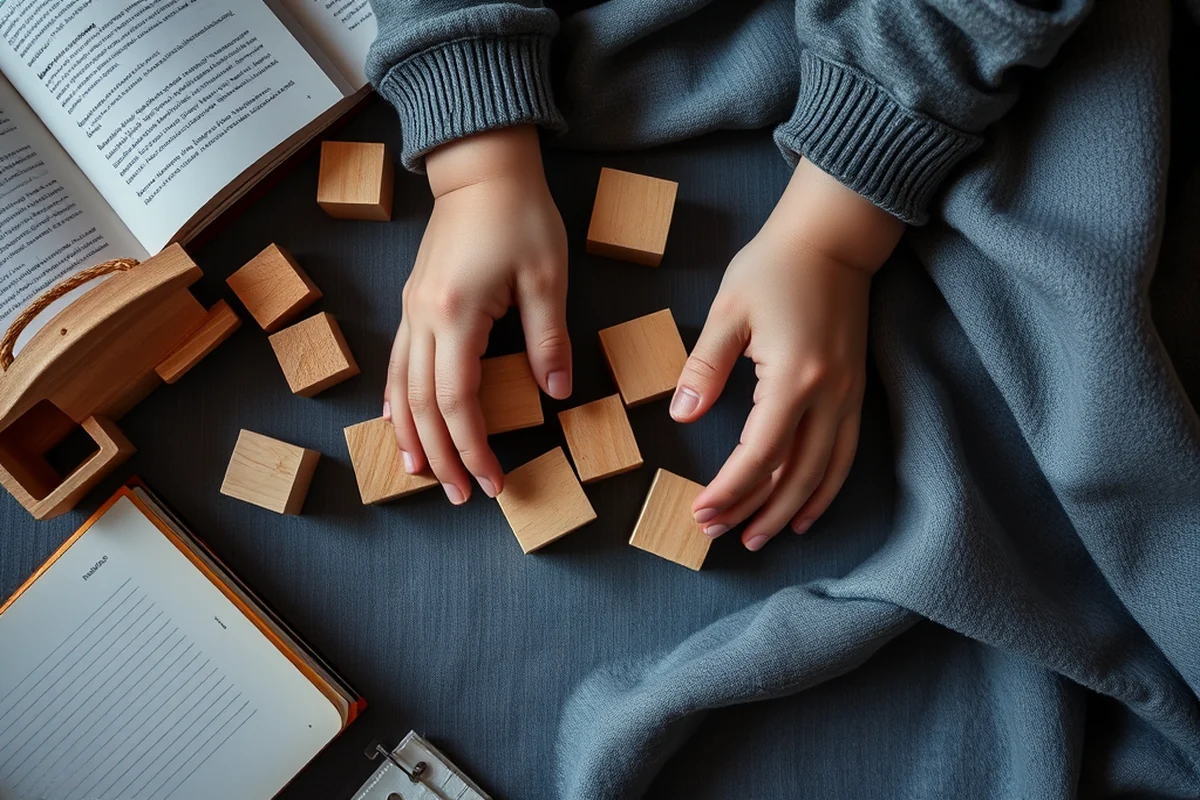
I’ve found that learning doesn’t have to be something special — it can be part of the everyday. For example, when we’re cooking together, we count ingredients, measure quantities, and talk about colors and shapes. These are all learning moments that happen naturally without any extra effort or cost.
I also use bedtime routines to teach counting and storytelling. We say goodnight to each room in the house, count how many rooms we’ve visited, and take turns telling a short story. It’s a simple way to make learning a part of the day without any extra materials.
When learning is part of the daily routine, it becomes second nature. It doesn’t feel like work, and that’s what makes it so effective.
Related: Affordable play based learning budget
Staying Consistent Without Spending
I’ve found that even a few minutes of focused play each day can make a big difference. I don’t need to spend hours on learning activities — just a few minutes of intentional play can reinforce skills and keep your child engaged.
I also make sure to rotate learning activities regularly. I’ve noticed that my child gets bored with the same game after a few days, so I switch things up to keep it interesting. This means I don’t need to buy new materials — I just rearrange what I have.
Staying consistent doesn’t mean you have to spend more money. It means being intentional with the time you have and using what you already have creatively.
🍃 Gentle Approach
For parents who prefer a slow, organic way of learning — with no pressure and plenty of time to explore.
🚀 Fast-Track Learning
For parents who want to make the most of every moment — quick activities that pack a learning punch.
🧳 Travel/On-the-Go
Play-based learning that works when you’re out of the house — no need to carry extra materials.
👯♀️ Multiple Kids
Activities that work for more than one child at a time — perfect for families with siblings.
🔄 Regression Reset
Play-based learning that helps kids get back on track — especially useful after a long break or change in routine.
| The mistake | Why it happens | The fix |
|---|---|---|
| Trying to force learning into play | If your child feels like they’re being forced to learn, they might lose interest or become frustrated. | Let your child lead the way. If they’re not interested in an activity, don’t push — come back to it later. |
| Not being consistent with learning activities | Inconsistent learning can lead to confusion and a lack of progress over time. | Even a few minutes of play-based learning each day can make a big difference. Make it a habit, not a one-time thing. |
| Using too many materials at once | Too many materials can overwhelm your child and make it hard for them to focus on the learning part. | Start with just a few materials and build from there. Keep it simple and focused. |
| Ignoring your child’s interests | If your child isn’t interested in the activities you choose, they might not engage with them. | Pay attention to what your child likes and use that as a starting point for learning activities. |
Related: Simple play based learning budget ideas
Play-based Learning Budget On A Budget
Related: Play based learning budget ideas on a budget
Repurposing Old Items for Educational Play
I’ve turned old cereal boxes into building blocks for my kids, and used fabric scraps to make sorting games that teach colors and shapes. One of my favorite projects was converting an old towel into a giant number mat for counting and jumping games. These activities not only saved me money but also sparked creativity and problem-solving skills in my children. I’ve found that repurposing items from around the house reduces clutter while making learning more interactive and engaging.
I recently used leftover bottle caps to create a math game where my kids could sort them by size or count them as part of basic arithmetic practice. I also turned an old cardboard box into a treasure hunt with hidden objects labeled with letters or numbers for my toddler to find. These simple transformations took less than 30 minutes and cost nothing, yet they provided hours of educational fun. The key was to look at everyday items with a new perspective and think about how they could be used for learning.
This approach has also helped teach my kids about sustainability and resourcefulness. When we reuse items, we’re modeling responsible habits, and it’s a great way to talk about reducing waste. I’ve even made a habit of setting aside a bin for items that could be repurposed, and it’s become a fun project for the whole family to work on together. It’s amazing how much learning can happen without spending a dime — and it’s a lesson in creativity that will stay with them for life.
Common Questions
Can I use play-based learning if I don’t have a lot of space at home?
What if I don’t have time to create activities every day?
How do I know if my child is learning from these activities?
Can I do play-based learning without any special materials?
References
Cite this guide
Playschooled (2026). Play-based Learning Budget On A Budget. https://playschooled.com/play-based-learning-budget-on-a-budget/
Feel free to cite or share this guide.