
Play-based Learning Checklists Ideas
📖 Table of Contents
- How to Create a Play-Based Learning Checklist for Toddlers
- Play-Based Learning Checklists for Preschoolers
- Making Play-Based Learning Checklists Work for Busy Parents
- Play-Based Checklists for Learning Through Nature
- Play-Based Learning Checklists for Emotional and Social Development
- Make It Your Way
- Frequently Asked Questions
I still remember the moment my daughter, then 2 years old, spent an entire afternoon stacking blocks into a wobbly tower, giggling the whole time. It wasn’t a structured lesson, but it was learning — she was counting, experimenting with balance, and understanding cause and effect. That day, I realized the power of play-based learning, and I started building a collection of checklists to help me and other parents make the most of these moments. These checklists became my lifeline for capturing the fleeting, magical times when learning happens naturally, through play.
As a working parent, I often felt like I was missing out on the learning opportunities that came with everyday play. I wanted to ensure that even in the chaos of busy days, my child was still developing important skills. That’s when I started creating play-based learning checklists — simple, actionable lists that reminded me of the key developmental milestones and how to support them through play. Over time, these checklists evolved into tools that not only helped me but also became a resource for other parents looking for guidance.
The checklists became more than just a tool for me; they transformed into a way to track progress, spark creativity, and keep learning fun for both my child and me. Whether it was a sensory bin filled with rice and small toys, a scavenger hunt that led us through the park, or a cardboard box turned into a spaceship, each activity had a purpose. The key was to keep the checklists flexible and focused on the joy of discovery, not the pressure of perfection. Play-based learning checklists ideas are about making the most of the time we have with our kids, one playful moment at a time.
Why You'll Love This Approach to Play-Based Learning
- It turns everyday moments into educational opportunities without the pressure of schoolwork.
- It makes learning fun and engaging for kids, increasing their curiosity and motivation.
- It helps parents track developmental milestones in a natural, non-intrusive way.
- It supports creative thinking, problem-solving, and emotional growth through play.
How to Create a Play-Based Learning Checklist for Toddlers
As of October 2026, Creating a checklist for toddlers starts with identifying the key developmental areas, such as motor skills, language, and social interaction. I often used a checklist that included items like 'builds with blocks,' 'names body parts,' and 'shares toys.' The checklist wasn’t rigid — it was a gentle reminder of what to look out for during playtime.
One of my favorite checklists included activities like 'pretend cooking' to develop language skills, 'drawing with fingers' for fine motor development, and 'playing with friends' for social growth. I would review the checklist each day and tick off items as my daughter achieved them, which made progress visible and tangible.
The checklist helped me stay present during play and ensure that each interaction was purposeful. It didn’t replace play, but it reinforced the idea that even the simplest activities could have a big impact on learning.
Start with what your child does every day — bath time, mealtime, or bedtime. Use these moments as the foundation for your checklist, making learning part of the rhythm of their day.
Part of our Play based learning printables checklists guide.
Play-Based Learning Checklists for Preschoolers
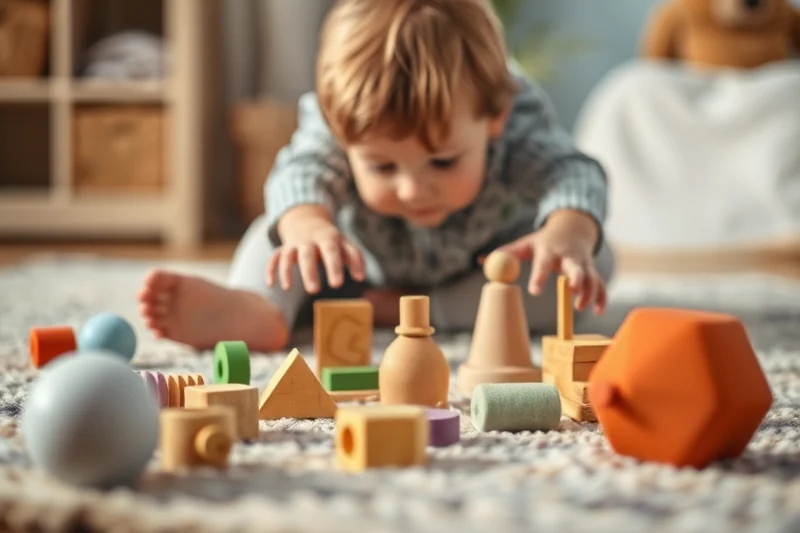
For preschoolers, I designed checklists that focused on cognitive development, such as counting to 20, recognizing letters, and telling simple stories. I found that using a checklist that included activities like 'counting socks,' 'matching letters to sounds,' and 'creating a story with puppets' helped my child develop early literacy and numeracy skills.[1]
One of the most effective checklists I used included a 'letter of the week' activity, where we would find that letter in books, in our environment, and even in our meals. It was a fun way to reinforce learning without making it feel like a lesson.
These checklists not only helped my child learn but also made me more aware of the learning that was happening naturally. I realized that even the simplest games could reinforce important skills.
Learning happens when play feels like play.
Related: Easy play based learning printables checklists
Making Play-Based Learning Checklists Work for Busy Parents
As a working parent, I needed checklists that were easy to use and didn’t add to my stress. I created a checklist that only had 3-5 items each day, focusing on the most impactful activities. This helped me stay consistent without feeling overwhelmed.
I found that checklists that required only 10-15 minutes of focused play each day were most effective. These activities were often things like 'sorting by color,' 'identifying shapes,' and 'telling a story with picture cards.'[2]
The key was to keep the checklists simple and to use them as a way to connect with my child, not as a task to be completed. This approach made learning feel more like a shared experience.
Set a timer for 10 minutes and focus on one activity during that time. It’s enough to make an impact without overwhelming your child or your schedule.[3]
“I still remember the moment my daughter, then 2 years old, spent an entire afternoon stacking blocks into a wobbly tower, giggling the whole time.”— Playschooled editors
Related: Easy play based learning printables
Play-Based Checklists for Learning Through Nature
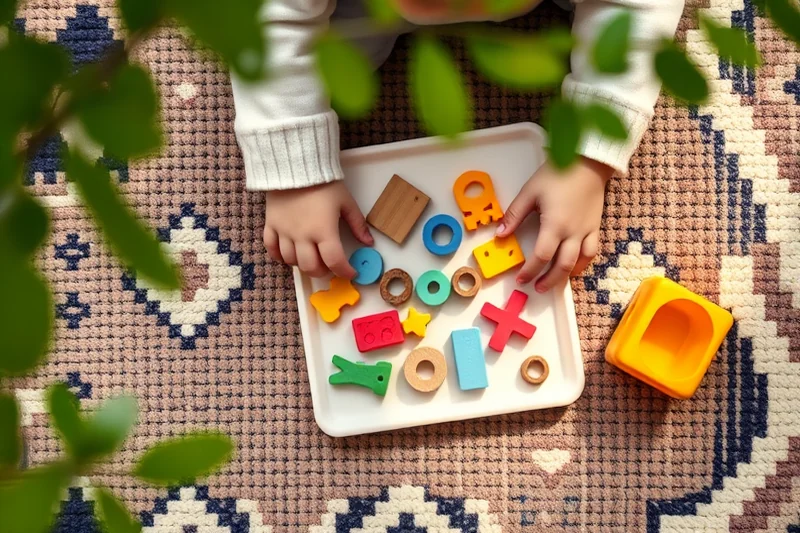
I created a checklist that encouraged nature-based learning, such as 'find 5 leaves,' 'name 3 birds,' and 'collect 10 rocks.' These activities not only kept my child engaged but also helped her develop observational skills and a connection to the environment.[4]
One of the most effective activities on the checklist was 'walking and counting steps,' which helped my child practice counting in a real-world setting. We would take walks in the park and count everything from flowers to puddles.
The checklist became a way to explore the world together, and I noticed that my child became more curious and engaged with her surroundings. Nature-based play was a powerful tool for learning and bonding.
Related: Play based learning printables step by step
Play-Based Learning Checklists for Emotional and Social Development
I designed a checklist that included activities like 'taking turns,' 'sharing toys,' and 'expressing feelings with words.' These checklists helped my child learn important social skills in a natural, supportive environment.
One of the most effective activities on the checklist was 'pretend play with friends,' where we would role-play different scenarios and learn how to communicate and cooperate. This was a great way to practice empathy and problem-solving.
These checklists helped me stay mindful of the emotional needs of my child and ensured that learning wasn’t just about academics but also about building strong social and emotional foundations.
🧸 Gentle Approach
Focus on low-pressure, low-stimulus activities that encourage exploration and curiosity without overwhelming the child.
🚀 Fast-Track Method
Use short, high-impact activities that target specific skills, such as counting or letter recognition, in just 10-15 minutes a day.
✈️ Travel/On-the-Go Checklist
Create a checklist that uses items from your surroundings — like airplane seats or hotel rooms — to make learning fun and accessible during travel.
👶 Multiples-Friendly Checklist
Use activities that can be adapted for multiple children, such as group games or shared storytelling, to ensure all kids learn together.
🔄 Regression Reset Checklist
Design a checklist that focuses on revisiting earlier developmental milestones in a playful, non-judgmental way during times of regression or learning plateaus.
| The mistake | Why it happens | The fix |
|---|---|---|
| Overloading the checklist with too many activities. | This can overwhelm the child and make the checklist feel like a task rather than a fun learning experience. | Keep the checklist short, with only 3-5 items each day. This ensures that both you and your child can enjoy the activities without feeling rushed. |
| Focusing too much on academic skills and ignoring social or emotional development. | This can lead to a one-sided learning experience that doesn’t support the child’s overall growth. | Make sure your checklist includes a mix of activities that support cognitive, social, and emotional development, such as taking turns or expressing feelings. |
| Using the checklist as a way to judge your child’s progress. | This can create unnecessary pressure and make the child feel like they’re being evaluated, which can reduce their motivation to learn. |
Related: Quick play based learning printables checklists
Play-based Learning Checklists Ideas
Related: Play based learning checklists for beginners
Play-Based Learning Checklists for Multilingual Families
Integrate language learning into play with these checklist ideas for multilingual families, offering practical and culturally rich strategies for parents.
Raising children in multilingual environments can be enriched by incorporating language learning through play. I created a checklist that includes activities like reading bilingual books, singing songs in different languages, and playing language-themed games. These activities help reinforce vocabulary and pronunciation naturally, without pressure. My son, who is learning both English and Spanish, benefits from this approach, as he associates language learning with fun and creativity.
To make language learning more engaging, I use play-based checklists that include interactive elements like translation scavenger hunts, where children find objects around the house and name them in different languages. I also include role-play scenarios, such as pretending to order food in a restaurant using another language. These activities not only support language acquisition but also build confidence and curiosity. I make sure to keep the checklist flexible, allowing for spontaneous moments of learning.
I track progress using a visual checklist with stickers or checkmarks, which helps my child see his achievements and stay motivated. This method also encourages parental involvement, as we can celebrate milestones together. I recommend incorporating native speakers or language apps to enhance the experience further. By weaving language learning into everyday play, I've noticed a significant improvement in my child's linguistic abilities and cultural awareness.
Play-Based Learning Checklists for Homeschooling Families
Homeschooling families can use play-based learning checklists to create structured yet flexible learning environments that align with their child's interests and curriculum goals.
As a homeschooling parent, I've found that integrating play-based learning checklists into our daily routine helps maintain balance between academics and creativity. For example, I use a checklist that includes 30 minutes of sensory play, 20 minutes of storytelling, and 15 minutes of hands-on math activities like counting beads or sorting objects. These checklists not only guide my child through a variety of developmental tasks but also help me track progress across different subjects.
I've also found that incorporating seasonal themes into our checklists keeps learning fresh and engaging. During the fall, we focus on leaf sorting, pumpkin math, and nature walks, while winter brings indoor sensory bins and building with blocks to explore physics concepts. These activities help maintain a natural flow of learning that feels less like school and more like exploration.
To keep the checklists dynamic, I revisit and revise them every two weeks based on my child's interests and areas where they need more support. This adaptability ensures that learning remains personalized and aligned with our homeschooling goals while still being rooted in playful, hands-on experiences.
Common Questions
How often should I use play-based learning checklists?
Can I use these checklists with my toddler?
What if my child resists the checklist?
Can these checklists be used for older children?
References
- Building minds with blocks: The impact of a play-based professional ... (sciencedirect.com)
- Incorporating Play-based Learning in Early Childhood Education (nwcommons.nwciowa.edu)
- Universal PreKindergarten Planning and Implementation Guidance ... (cde.ca.gov)
- Section Seven - Helpful Activities, Handouts, and Checklists (2009-2017.state.gov)
Cite this guide
Playschooled (2026). Play-based Learning Checklists Ideas. https://playschooled.com/play-based-learning-checklists-ideas/
Feel free to cite or share this guide.