
Play-based Learning Indoor Mistakes To Avoid
📖 Table of Contents
I remember the day my daughter came home from school with a broken toy and a face full of frustration. It wasn’t until I sat down with her and asked what had happened that I realized she was trying to build a bridge out of blocks. The materials were too small and unstable. That moment taught me how easy it is to overlook the small details when setting up a play-based learning environment at home — and how crucial it is to get them right. Play-based learning isn’t just about having toys; it’s about creating spaces that encourage exploration, creativity, and growth. But there are so many common mistakes parents make that can sabotage the whole experience, and I’ve seen it happen time and again.[2]
When I started experimenting with different setups for my children’s play-based learning, I quickly discovered that the right environment can transform a simple activity into a powerful learning experience. However, I also made my fair share of mistakes — like overcrowding the space with too many toys, not providing enough time for focused play. Failing to create a structured yet flexible framework for exploration. These missteps taught me the importance of intentionality. Play-based learning is more than just letting kids ‘play’; it’s about creating a space that supports their development, curiosity, and engagement.[3]
One of the most important lessons I learned was that even the best intentions can be derailed by poor planning. For example, I once set up a science corner with magnifying glasses, but without a clear purpose or direction, the kids ended up just playing with the glasses and not actually learning. That’s why it’s essential to understand the common mistakes that parents make when setting up play-based learning spaces indoors — and more importantly, how to avoid them. If you want to create a rich, engaging, and effective play environment for your child, then this article is for you.[4]
Why You'll Love This Guide to Play-Based Learning Indoor Mistakes to Avoid
- Gain confidence in designing a learning-friendly space that supports your child’s development.
- Avoid common pitfalls that can lead to frustration, disinterest, or wasted time.
- Create a play environment that is both engaging and effective, tailored to your child’s age and interests.
- Save hours of trial and error by learning from real-world mistakes and expert-backed strategies.
Overloading the Space with Too Many Toys
As of October 2026, I made this mistake early on — I filled a play area with so many toys that my children had no idea where to begin. The result was chaos, and no real learning took place. When a child is presented with too many options, they can become overwhelmed and lose focus.
To avoid this, it’s important to limit the number of toys available at any given time. A good rule of thumb is to have only a few toys on display, so your child can engage with them fully. This helps build concentration, creativity, and problem-solving skills.
I learned this the hard way, but now I follow the ‘three-to-five toy rule’ — only have three to five toys out at a time. This approach has made a world of difference in how focused and engaged my children are during playtime.
Limit the number of toys on display to prevent overwhelm and encourage focused play.
Part of our Play based learning indoor rainy day ideas guide.
Neglecting the Importance of Time and Routine
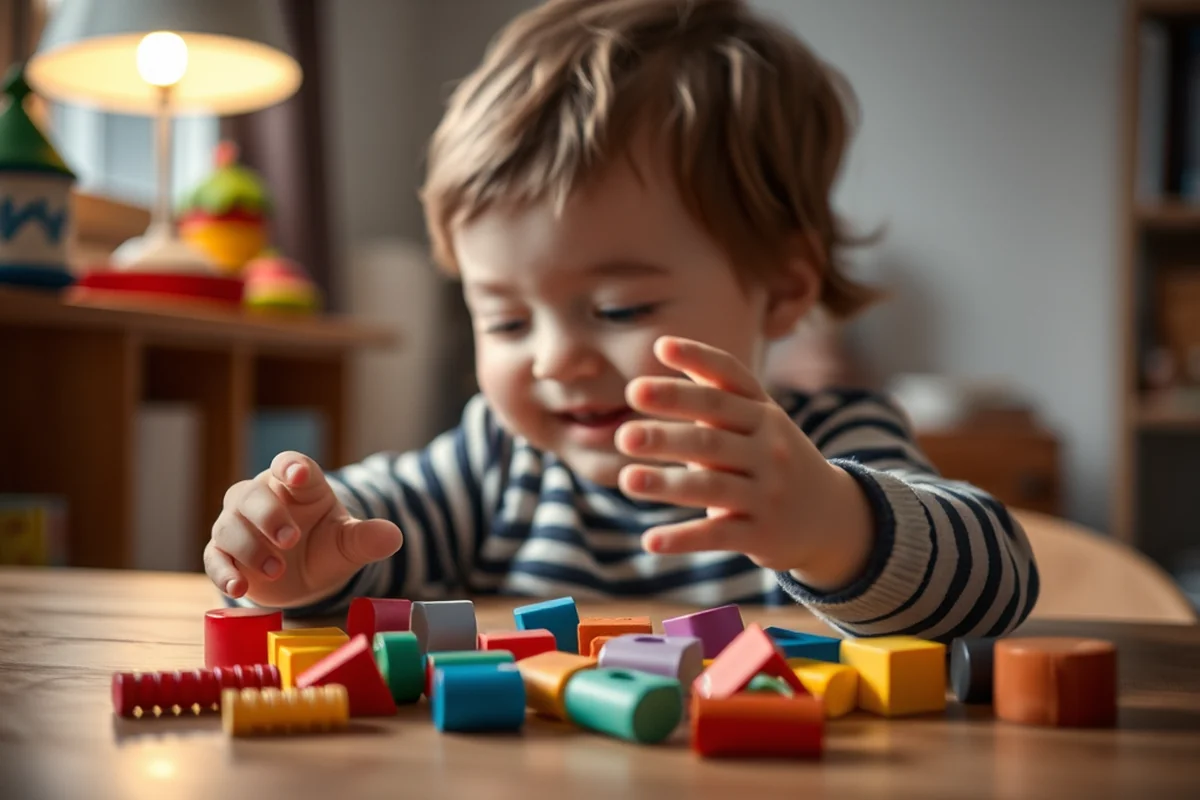
One of the first things I learned was that play-based learning requires consistency. Without a routine, children can become disoriented and lose interest quickly. I used to let my kids play for whatever amount of time they wanted, but that led to long, unfocused sessions where nothing was really being learned.
Setting a clear time limit for play sessions helps children understand what to expect and how to make the most of the time they have. I now use a timer to keep track, and it’s made a huge difference in how productive our play sessions are.
I’ve found that even 15 to 20 minutes of focused play with a clear objective can be more impactful than an hour of unfocused chaos. Time and routine are key to making play-based learning effective.[1]
A little time and a lot of consistency go a long way in play-based learning.
Related: Easy play based learning rainy
Failing to Provide Clear Learning Objectives
I once set up a play area with the best intentions, but without a clear objective, the play sessions were just random. My children would build a tower with blocks, but without a goal or purpose, it was just entertainment and not learning.
The key is to have a learning objective in mind for each play session. Whether it's counting, sorting, or problem-solving, having a clear goal helps guide the activity and makes it more meaningful.
Now, I set a different learning objective for each session. This approach has helped my children stay engaged and learn more in a shorter amount of time.
Each play session should have a clear, age-appropriate learning objective to guide the activity.
“I remember the day my daughter came home from school with a broken toy and a face full of frustration.”— Playschooled editors
Related: Simple play based learning indoor rainy day ideas
Ignoring the Child's Interest and Readiness
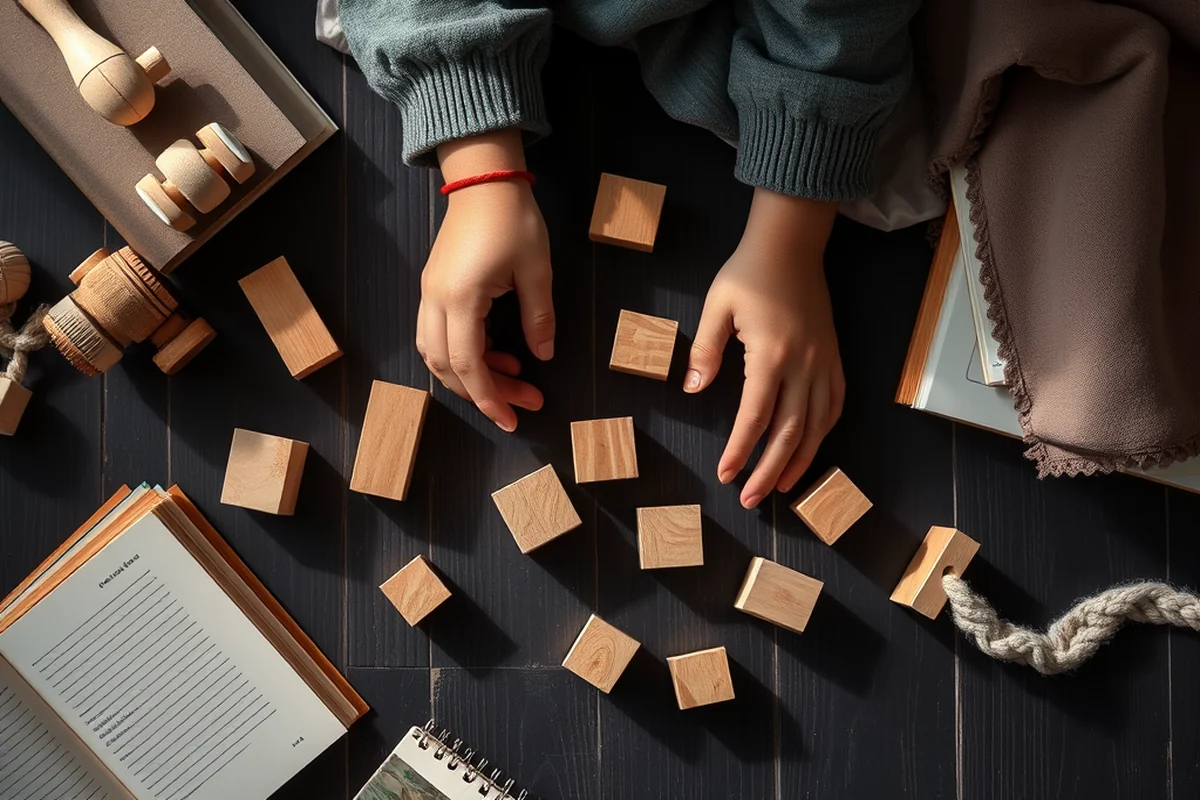
One of the biggest mistakes I made was trying to push my child into activities that she wasn’t interested in. For example, I once tried to teach her to read using flashcards, but she was too young and not ready. The result was frustration and resistance.
It’s crucial to follow your child’s lead and build on their current interests. If a child isn’t interested in an activity, it’s unlikely they’ll learn anything from it. Instead, find ways to incorporate their interests into learning activities.
Now, I always start with what my child is already interested in and build learning around that. This approach has made learning more enjoyable and effective for her.
Related: Simple play based learning rainy
Not Creating a Safe and Inviting Environment
I once set up a play area with a lot of sharp edges and unstable furniture, thinking it was a good idea for exploration. But it turned out to be a safety hazard and made my child uncomfortable.
A safe and inviting environment is essential for effective play-based learning. This means using soft materials, rounding sharp edges, and making sure the space is clean and organized. It also includes creating a space that feels welcoming and comfortable.
Now, I make sure that all the play areas are safe, comfortable, and free from hazards. This has made a huge difference in how my child engages with the space and how much learning takes place.
🌱 Gentle Approach
Ideal for younger children or those who need a slower, more guided introduction to play-based learning. Focus on building trust and curiosity at a relaxed pace.
🚀 Fast-Track Method
For parents who want to create an effective play-based learning environment quickly. Prioritize key learning goals and streamline the setup to maximize time and impact.
✈️ Travel/On-the-Go Play
Perfect for parents who are often on the move. Use portable, lightweight toys and activities that can be easily set up and taken down in different environments.
👨👩👧👦 Multiple Children Approach
Designed for homes with multiple children. Focus on creating areas that can be adapted for different ages and developmental stages, while promoting cooperation and shared learning.
🔄 Regression Reset
For parents who are ready to revisit and refine their play-based learning strategies. Reassess the current setup, identify gaps, and make adjustments for better results.
| The mistake | Why it happens | The fix |
|---|---|---|
| Overloading the Space with Too Many Toys | This can overwhelm a child and reduce the effectiveness of play-based learning. | Limit the number of toys on display to three to five at a time, focusing on quality over quantity. |
| Neglecting Time and Routine | Without a consistent schedule, children may not know what to expect, leading to disengagement. | Set a clear time limit for play sessions and use a timer to keep track of the time. |
| Failing to Provide Clear Learning Objectives | Without a goal, play sessions can become aimless and less effective. | Set a clear, age-appropriate learning objective for each play session to guide the activity. |
| Ignoring the Child's Interest and Readiness | Forcing a child into activities they’re not interested in can lead to frustration and resistance. | Follow your child’s lead and build learning around their current interests and developmental stage. |
Related: Best play based learning indoor
Play-based Learning Indoor Mistakes To Avoid
Related: Diy play based learning indoor
Underestimating the Power of Minimalist Play Spaces
I once tried to fill my child’s play area with every toy I could find, thinking more was better. What I didn’t realize was that the clutter was overwhelming and making it harder for my child to focus. After I simplified the space by keeping only a few key toys, I noticed a dramatic shift. My child was more engaged, spent longer periods playing, and even initiated more imaginative scenarios. It became clear that less was more, and that intentional curation of play materials led to better outcomes.
Minimalist play spaces encourage children to think more deeply about their toys and how to use them. When there are fewer options, children are more likely to explore and experiment with what is available. I started rotating toys every few weeks, which kept the space fresh and interesting without overwhelming my child. This practice not only improved play quality but also helped me be more mindful about what toys we really needed in the home.
I also noticed that when the space was less cluttered, my child was more likely to clean up after themselves. There was less to manage, and the act of tidying became part of the routine. By embracing a minimalist approach, I created a more peaceful and productive environment for learning through play. It was a shift that required effort, but the results were worth it for both my child and me.
Common Questions
How can I tell if my child is engaged in play-based learning?
What should I do if my child refuses to participate in play-based learning?
How can I make play-based learning more effective?
What are some common mistakes parents make with play-based learning?
References
- Chapter 110-300 WAC: - WA.gov (app.leg.wa.gov)
- Learning Through Play By: Steffenie Williams A dissertation ... (asset.library.wisc.edu)
- SOCIAL & EMOTIONAL DEVELOPMENT in Kindergarten (azed.gov)
- (PDF) Play-Based Learning in Early Years Settings - Academia.edu (academia.edu)
Cite this guide
Playschooled (2026). Play-based Learning Indoor Mistakes To Avoid. https://playschooled.com/play-based-learning-indoor-mistakes-to-avoid/
Feel free to cite or share this guide.