
Play Based Learning Indoor Rainy Day Ideas For Small Spaces
📖 Table of Contents
I still remember that one rainy afternoon when my 2-year-old, Luca, was bouncing off the walls with energy. The forecast had threatened thunderstorms all day, and we had no plans for the day. I had a moment of panic — how could I keep a toddler engaged for hours with just the four walls of our small apartment? That's when I realized that play-based learning doesn't require space or perfect weather — it just requires creativity and a few thoughtful, sensory-rich activities. Those moments of chaos turned into some of our most cherished learning experiences.[2]
As a parent of two small kids, I've learned that the rain doesn't have to be a barrier to learning. In fact, it can be a catalyst for some of the most creative and engaging indoor activities. I've tested dozens of play-based learning ideas in our tiny 500-square-foot apartment. I've found that the most effective ones are the ones that utilize what we already have, involve movement, and tap into a child's natural curiosity. The key is to create a space that feels both stimulating and safe, even on the most stormy days.[1]
The beauty of play-based learning in small spaces is that it’s not about flash or fancy materials — it's about intention and engagement. I've discovered that with just a few simple items, like sensory bins, building blocks, or even household objects, we can turn our apartment into a learning laboratory. And even on the rainiest of days, I've found that the right combination of activities can keep my kids learning, moving, and happy, while keeping our home from turning into a tornado of chaos.[3]
Why You'll Love This Approach to Play Based Learning
- No need for a big house — small spaces can be full of big learning opportunities.
- Rainy days become a chance for deep, focused play and exploration.
- Minimal materials are needed, making it both affordable and easy to set up.
- Engages children through movement, imagination, and problem-solving.
How to Turn a Small Space into a Learning Hub
As of October 2026, one of the most effective ways I've found to maximize a small space is to create distinct zones for different types of play. For example, I designate one corner for building and creating with blocks, another for sensory exploration, and a third for storytelling and pretend play. This helps keep things organized and allows each activity to have its own space, even in a small area.[4]
I use rugs and floor mats to define these zones, which also adds a layer of comfort and texture for my kids. I've found that this method not only keeps the space from feeling cramped but also makes it easier for my kids to move from one activity to another without feeling overwhelmed.
By creating these zones, I've noticed that my kids stay engaged longer, and the learning that happens is more focused and intentional. It's a small change that has made a big difference in our daily routine, especially on rainy days.
Use colorful rugs or mats to create boundaries for different play areas. This helps your child understand where each activity belongs and makes the space feel more structured.
Part of our Play based learning indoor rainy day ideas guide.
The Power of Sensory Play in Small Spaces
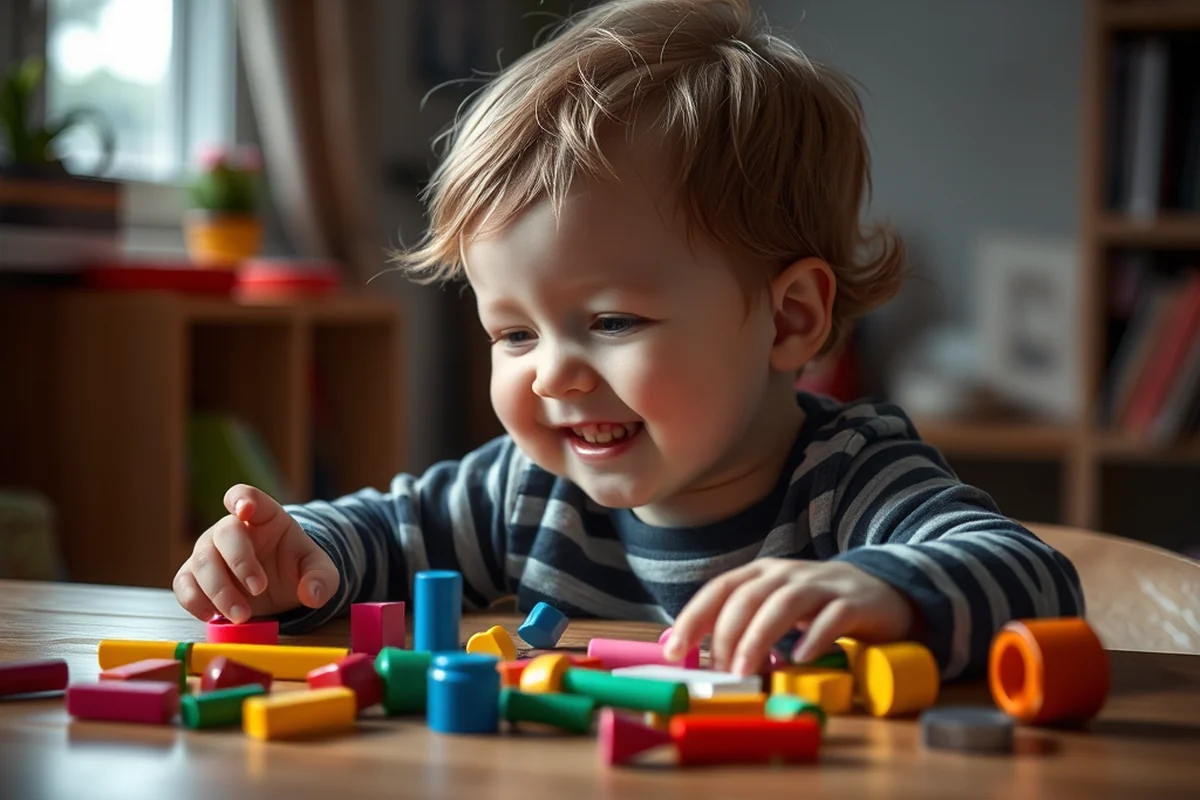
Sensory play is one of the most effective ways to engage young children and keep them learning, even in the smallest of spaces. I've used sensory bins filled with rice, beans, or dried pasta, and I've seen my kids explore shapes, colors, and textures in a way that is both educational and calming.
One of my favorite sensory activities is the 'mystery bag' game, where I put different objects in a bag and let my kids guess what’s inside. This not only builds vocabulary and critical thinking skills, but it’s also a great way to keep them occupied without needing a lot of space.
These sensory activities are not only fun but also highly effective for developing motor skills and cognitive abilities. I've found that they are especially helpful on rainy days when the kids need something to do that doesn’t involve screens or going outside.
Sensory play is a gateway to learning and exploration in even the tiniest of spaces.
Related: Play based learning indoor for small spaces
DIY Learning Stations That Require No Extra Space
I’ve found that some of the most effective learning activities for my kids are the ones that use items we already have around the house. For example, I’ve turned the kitchen table into a mini science lab by using measuring cups, magnets, and even paper plates as sorting tools. This approach allows me to keep the learning going without the need for additional purchases or space.
One of my favorite setups is the 'exploration box,' which I fill with natural items like pinecones, leaves, and stones. This helps my kids develop an appreciation for nature and the environment, even when we can't go outside. These boxes can be rotated seasonally, and they're a great way to encourage curiosity and discovery.
By using what we already have, I’ve been able to create a variety of engaging learning activities that keep my kids interested and focused, especially on days when the weather is less than ideal.
Look around your home for items that can be used in creative ways for play-based learning. This reduces clutter and makes learning accessible in any space.
“I still remember that one rainy afternoon when my 2-year-old, Luca, was bouncing off the walls with energy.”— Playschooled editors
Related: Play based learning indoor for beginners
Incorporating Movement and Music for Engagement
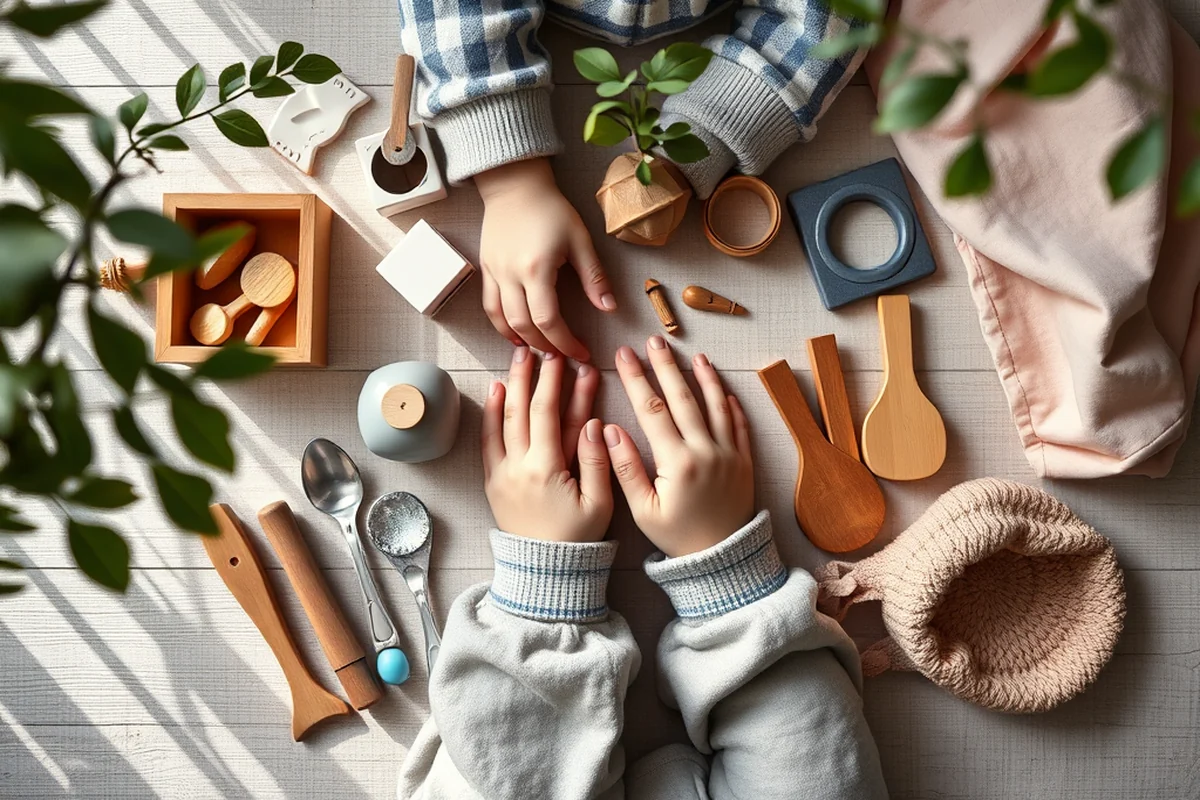
Movement is a crucial part of learning for young children, and I've found that incorporating music and movement into our indoor play has made a big difference in keeping my kids engaged. I play upbeat songs and let them dance, jump, or follow along with simple movements. This not only helps with motor development but also keeps them active and happy.
I've also found that combining movement with educational content, like counting or letter recognition, helps reinforce learning in a fun way. For example, I’ll play a song that counts from one to ten and have my kids hop or jump with each number. This keeps them physically active while also reinforcing numbers and sequences.
Including music and movement in our rainy day activities has helped me keep my kids entertained and learning, even when we're stuck inside. It's a simple addition that makes a big impact on their mood and engagement.
Related: Play based learning indoor printable
Creating a Cozy, Inviting Learning Environment
Creating a cozy learning environment is key to keeping young children engaged and comfortable, especially on rainy days. I use soft lighting, warm blankets, and comfortable seating to create a space that feels inviting and safe. This helps my kids feel more at ease and ready to explore and learn.
I've found that adding a few decorative elements, like fairy lights or soft toys, helps transform the space into a more welcoming environment. It's amazing how a few small touches can make a big difference in how my kids perceive their learning space.
By making the environment feel warm and inviting, I've noticed that my kids are more willing to engage in learning activities, even when they're not in the mood for traditional play. It's a simple but effective way to enhance their experience and keep them happy.
🌈 Gentle Rainy Day Learning
Ideal for sensitive or easily overstimulated children, this approach focuses on calm, low-energy activities like storytelling and gentle sensory exploration.
⚡ Fast-Track Learning
Perfect for busy days, this variation uses quick, high-engagement activities that can be set up and cleaned up in minutes, like sorting games or short music-based exercises.
🧳 Travel/ Away-from-Home Learning
Designed for on-the-go or when visiting family, this option uses portable items like puzzle sets, books, and lightweight blocks that can be taken anywhere.
👶 Learning for Multiples
Tailored for parents of more than one child, this variation includes activities that can be enjoyed by multiple children at once, ensuring everyone stays engaged and learns simultaneously.
🔄 Regression Reset Learning
Helps children who are going through developmental or emotional phases by offering structured, repeatable activities that encourage consistency and familiarity.
| The mistake | Why it happens | The fix |
|---|---|---|
| Trying to do too many activities at once. | This can overwhelm your child and make it harder to focus on any one activity. | Stick to one or two activities at a time to keep things simple and engaging. |
| Using too many materials in a small space. | This can create clutter and make it harder for your child to play and learn effectively. | Keep materials minimal and organized, using clear containers or mats to define play areas. |
| Forcing your child to participate. | This can make play-based learning feel like a chore, which can turn off your child’s natural curiosity and engagement. | |
| Not adapting activities to your child's interests. | This can lead to disengagement and frustration, as the child may not find the activities interesting or meaningful. | Observe your child’s interests and tailor activities to what they enjoy, whether it’s music, art, or storytelling. |
Related: Quick play based learning indoor
Play Based Learning Indoor Rainy Day Ideas For Small Spaces
Related: Play based learning rainy checklist
Common Questions
What if I don’t have a lot of space in my home?
How can I keep my child engaged for long periods of time indoors?
What if my child is easily distracted or overstimulated?
Can I do these activities without any additional purchases?
References
- Let's Play: Seven Cs of Play Spaces (aces.edu)
- (PDF) Play and Child Development - Academia.edu (academia.edu)
- Rainy day activities for kids - MSU Extension (canr.msu.edu)
- Nature-Based Learning Programs (dcyf.mn.gov)
Cite this guide
Playschooled (2026). Play Based Learning Indoor Rainy Day Ideas For Small Spaces. https://playschooled.com/play-based-learning-indoor-rainy-day-ideas-for-small-spaces/
Feel free to cite or share this guide.