
Play-based Learning Troubleshooting Examples
📖 Table of Contents
I remember the first time I tried to introduce play-based learning to my toddler, thinking it would be a magical, effortless way to make education fun. I set up a bin of blocks, a puzzle, and a few books, expecting my daughter to sit quietly and learn. Instead, she wandered off, grabbed a spoon, and started pretending to cook. It was a moment of frustration, but also a wake-up call — play-based learning isn't about forcing kids to sit still and follow a script. It's about being present, flexible, and ready to adapt. That day, I learned the importance of troubleshooting in play-based learning, and how small shifts in approach can make a big difference.
Over the next few months, I kept experimenting. I tried different materials, different spaces, different times of day. Sometimes it worked; sometimes it didn't. I learned that play-based learning troubleshooting examples are not just about fixing problems — they're about understanding what's working, what's not, and how to pivot. For instance, I noticed that my daughter was more engaged when we played in the morning than in the afternoon. That wasn't something I could have guessed from any parenting book — it was something I learned through trial, error, and observation. That's what this article is about: real, actionable troubleshooting examples from someone who's been through the process.
I want to share these experiences with you, not as a perfect guide, but as a companion on your journey. Whether you're new to play-based learning or have been doing it for years, there will always be moments when things feel off track. That's normal. The key is knowing how to troubleshoot. You might find that your child is disengaged, or that the activities aren't leading to learning outcomes, or that you're struggling with consistency. In these moments, it helps to have real examples of how others have navigated similar challenges — and real solutions that work. These troubleshooting examples are here to help you feel more confident, more prepared, and more in control.
Why You'll Love This Approach
- You'll feel more confident in your ability to adapt and respond to your child's needs in real time.
- You'll see your child learning in ways that feel natural, engaging, and meaningful to them.
- You'll build a stronger connection with your child through shared, unstructured play.
- You'll learn to recognize and solve common play-based learning challenges without relying on expensive or complicated tools.
Recognizing When Your Child Is Disengaged
As of October 2026, one of the most common play-based learning troubleshooting examples I've encountered is when a child appears uninterested in an activity that should, in theory, be engaging. I remember trying to teach my daughter about shapes by having her sort colored blocks, but she barely touched them. It wasn't until I saw her playing with her stuffed animals, arranging them in patterns that looked like geometric shapes, that I realized I needed to rethink my approach.
Disengagement can be subtle. It might look like a child walking away from an activity, not making eye contact, or not showing any interest in participating. The key is to observe without judgment and then adjust the activity to match their current interests. For example, if your child loves animals, you could introduce shape recognition through a game of 'Find the Circle' by looking for circular features on their favorite animal toys.
It's also important to understand that children's interests shift frequently. A child might be deeply engaged with a puzzle one day, but completely disinterested the next. That's not a failure — it's just part of the process. The solution is to be flexible and ready to pivot when needed.
If your child isn't engaging, try tweaking the activity to align with their current interests. For example, use their favorite toys or themes as a way to introduce learning concepts.
Part of our Play based learning troubleshooting phases guide.
When Learning Isn't Happening — What to Do
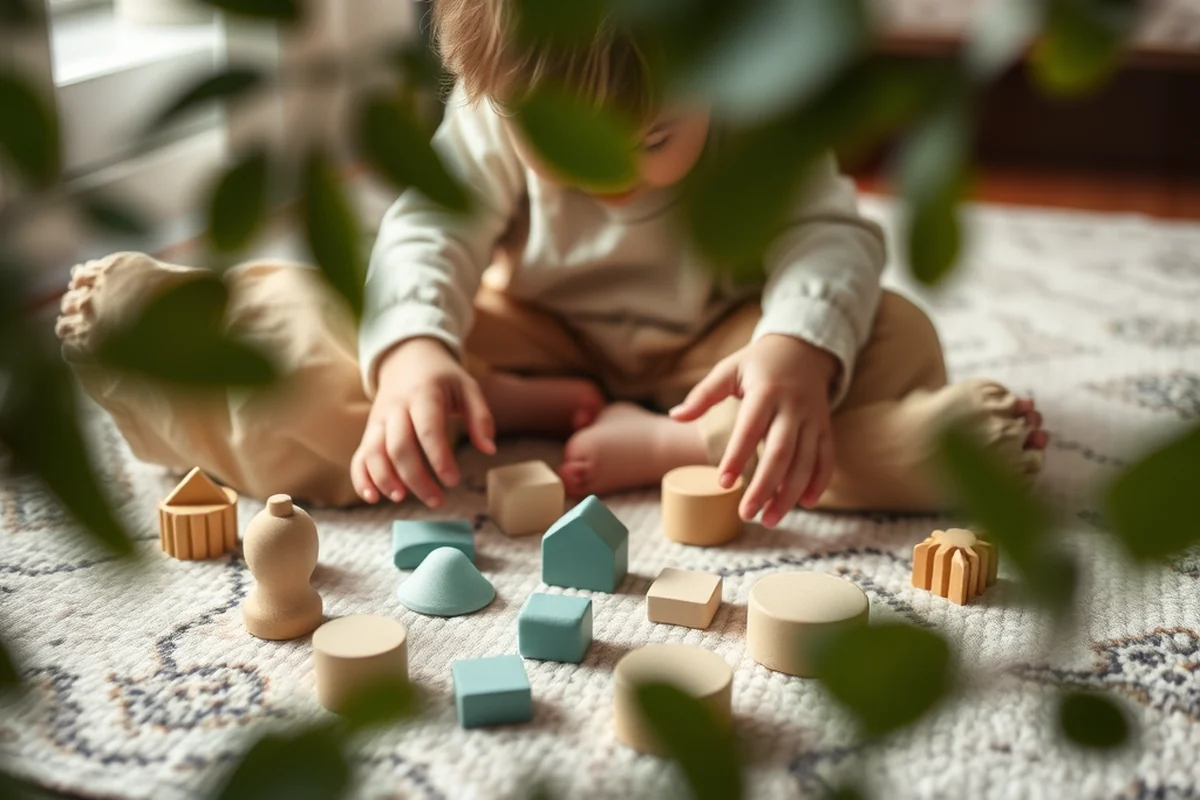
I've had moments where I thought my child was learning through play, only to realize later that the activity wasn't actually fostering any real skills or understanding. For example, I once spent hours setting up a pretend grocery store with my daughter, thinking I was teaching her about counting and money. But when I asked her how much the 'apple' cost, she had no idea — she was just playing along.
This is a classic play-based learning troubleshooting example. Just because an activity feels educational doesn't mean it's effective. The key is to ask yourself: 'What specific skill is this activity helping my child learn?' If you can't answer that clearly, it might be time to revise the activity.
One way to ensure that learning is happening is to incorporate small, intentional goals. For example, you might aim to teach your child how to count to 10 by using a basket of toys. You can count them together, then ask them to find a specific number of items. This makes learning explicit without being overwhelming.[1]
Learning through play is like planting a seed — it takes time, care, and the right conditions to grow.
Related: Play based learning troubleshooting phases checklist
When the Environment Is a Hindrance to Play
I once tried to set up a play-based learning session in our living room, only to find that the chaos of our home made it impossible for my daughter to focus. There were toys everywhere, and she was constantly distracted by the mess. It wasn't until I created a small, dedicated play space with just a few materials that I saw a real shift in her engagement.
A cluttered environment can be a major play-based learning troubleshooting example. When a child is surrounded by too many options, they can become overwhelmed and disinterested. The solution is to create a calm, organized space with only a few high-quality materials. This helps your child focus on the activity at hand and reduces sensory overload.
You don't need a lot of space to create a great play area. I've found that even a small corner of the room with a soft rug, a few toys, and a couple of books is enough. The key is to keep it simple and intentional.
Designate a specific, quiet area for play-based learning and keep it minimal. This helps your child focus and engage more deeply with the activities.
“I remember the first time I tried to introduce play-based learning to my toddler, thinking it would be a magical, effortless way to make education…”— Playschooled editors
Related: Affordable play based learning troubleshooting phases
When the Activity Isn't Age-Appropriate
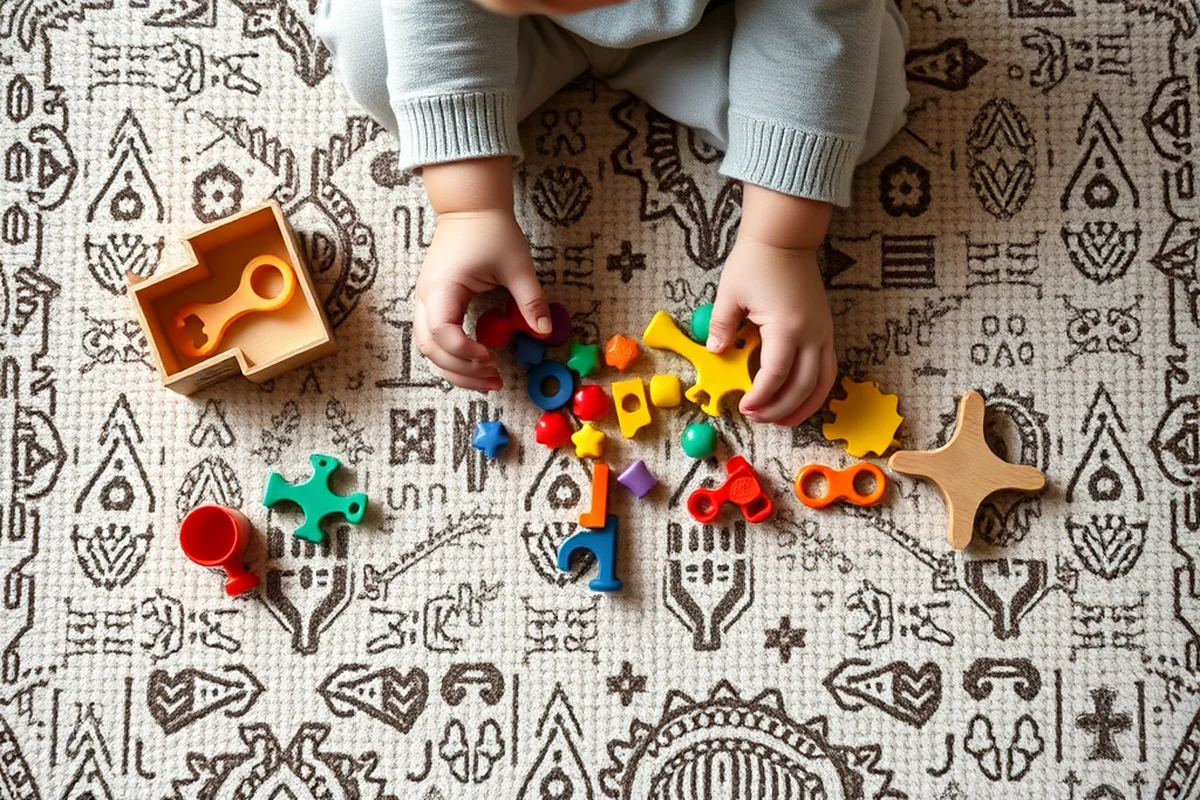
I learned the hard way that trying to introduce complex concepts to a child who isn't developmentally ready can be a big mistake. I once tried to teach my son about letters with a puzzle that required fine motor skills beyond his abilities. He got frustrated and gave up entirely. It was a wake-up call that age-appropriate play is essential for success.
When activities are too advanced for a child's current abilities, they can feel overwhelming and discouraging. This is a common play-based learning troubleshooting example. The solution is to choose activities that match your child's developmental stage and build up gradually. For example, if your child is under 18 months, you might focus on sensory play, while a child over 30 months might be ready for more structured activities like sorting or matching games.
It's also important to remember that every child develops at their own pace. Just because your child is 24 months old doesn't mean they're ready for every activity designed for that age. Observe and adjust based on their interests and abilities.[2]
Related: Play based learning troubleshooting on a budget
When You're Struggling to Stay Consistent
I've had days when I was so busy with work and household tasks that I didn't have time to engage in play-based learning with my child. It didn't take long for me to notice the impact — my child was less engaged, and the learning wasn't happening the way it used to. That's when I realized that consistency is just as important as the quality of the activities.
When you're struggling to stay consistent, it's easy to feel like you're failing. But the truth is, even a few minutes of quality play can make a big difference. The key is to build play-based learning into your daily routine in a way that feels manageable. For example, you might set aside 10 minutes each day for a specific activity, even if it's just sorting toys or reading a book together.
It's also helpful to be flexible. If you're having a bad day, don't be too hard on yourself. The goal is to create a positive learning environment, not to be perfect. Even small, consistent efforts can lead to meaningful progress over time.
🌿 Gentle Approach
Ideal for parents who want to create a calm, low-pressure environment for learning through play. Focuses on observation and organic exploration.
⚡ Fast-Track Method
For parents who want to see quick results and make the most of limited time. Uses targeted, structured activities with clear learning goals.
✈️ Travel/On-the-Go
Perfect for families who are often on the move. Uses simple, portable materials and activities that can be done anywhere, anytime.
👶 Multiples Approach
Designed for parents of more than one child. Offers activities that can be adapted for multiple children at once, promoting shared learning and interaction.
🔄 Regression Reset
A method for addressing learning plateaus or setbacks. Helps parents re-engage their child in learning through play after a period of disinterest or regression.
| The mistake | Why it happens | The fix |
|---|---|---|
| Overloading the environment with too many toys | Too many options can be overwhelming and make it difficult for your child to focus on any one activity. | Choose a small number of high-quality toys and rotate them regularly to keep the environment interesting without being overwhelming. |
| Forcing your child to learn through structured play | Play should be fun and child-led, not something that feels like a task or a lesson. | Let your child lead the play and follow their interests. Use the learning opportunities that naturally arise from their play. |
| Not being patient enough with the process | Play-based learning takes time, and it's easy to get frustrated if you don't see immediate results. | Be patient and trust the process. Small, consistent efforts can lead to big changes over time. |
| Trying to force consistency when your child is disinterested | Forcing consistency when your child is not engaged can lead to frustration for both you and your child. | Be flexible and take breaks when needed. Sometimes, stepping away and trying again later is the best solution. |
Related: Play based learning troubleshooting phases on a budget
Play-based Learning Troubleshooting Examples
Related: What s the best learning management system
Common Questions
How can I tell if my child is really learning through play?
What if my child refuses to participate in any play-based learning activities?
Can I use play-based learning troubleshooting examples for older children?
How long does it usually take to see results from play-based learning?
References
- Part 2: Standards | NH (education.nh.gov)
- Play-Based Learning: Evidence-Based Research to Improve Children's ... (link.springer.com)
Cite this guide
Playschooled (2026). Play-based Learning Troubleshooting Examples. https://playschooled.com/play-based-learning-troubleshooting-examples/
Feel free to cite or share this guide.