
Play Based Learning Checklist
📖 Table of Contents
- What is Play-Based Learning and Why It Works
- Creating a Play-Based Learning Checklist for Your Home
- Integrating Learning into Everyday Play
- Supporting Social and Emotional Development Through Play
- The Benefits of a Play-Based Learning Checklist for Parents
- Make It Your Way
- Frequently Asked Questions
- The Printable Activity Plan
When my son turned two, I realized that his favorite way to learn wasn’t through flashcards or structured lessons. It was during those messy, chaotic, and often sticky afternoons where he was playing with blocks, pretending to be a chef, or climbing the jungle gym. That was when I stumbled upon the idea of play-based learning — a concept that transformed how I approached early childhood education. It wasn’t just about keeping him entertained; it was about embedding learning into every moment, whether he was building a tower or sorting toys by color. This became my play-based learning checklist: a guide I used to ensure every game, activity, and interaction was purposeful.[3]
At first, I thought of play-based learning as something that required expensive toys or elaborate setups. But the truth is, it’s not about the tools you have; it’s about the intention behind the play. I learned that even the simplest materials — like paper, cardboard, or household items — could spark creativity and critical thinking. My checklist evolved from a collection of ideas into a framework that helped me see learning in every part of his day. Whether we were playing with water, pretending to be explorers, or even taking walks in the neighborhood, I found ways to integrate learning naturally.[4]
The beauty of a play-based learning checklist is that it’s adaptable. It grows with your child, changes with their interests, and can be tailored to fit your lifestyle and environment. I started with a few key areas: sensory play, imaginative play, physical activity, and social skills. Each day, I’d revisit the checklist, adding new ideas or adjusting based on what my son was into. Over time, I noticed how his language skills, problem-solving abilities, and emotional intelligence all flourished. This was the beginning of a journey that turned play into a powerful tool for learning.[5]
Why You'll Love This Play-Based Learning Checklist
- Encourages natural curiosity and exploration in children
- Can be tailored to your home and lifestyle
- Fosters emotional intelligence and social skills
- Provides a structured approach without the pressure of traditional learning
What is Play-Based Learning and Why It Works
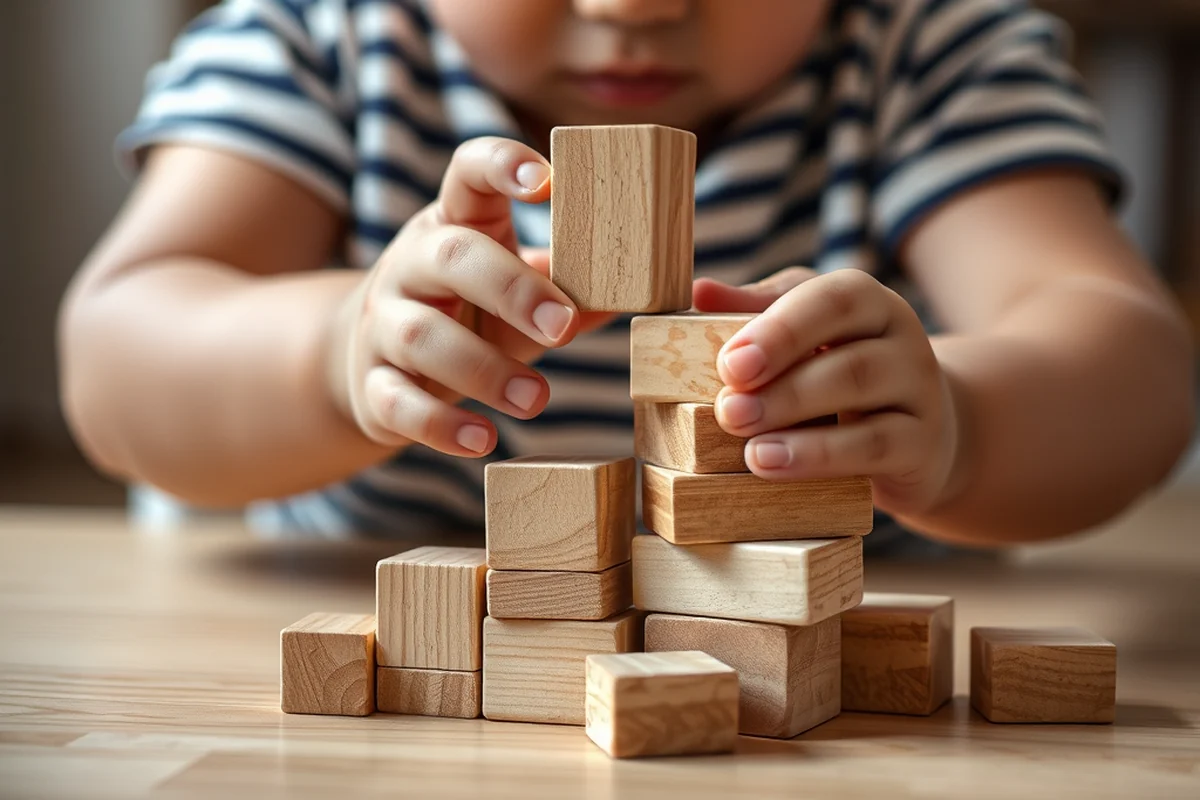
As of October 2026, Play-based learning is more than just a buzzword; it's a research-backed method that aligns with how young children learn best. Studies show that children absorb information more deeply when they’re engaged in activities they enjoy, and this is where play-based learning shines. For example, when my son was learning about shapes, we didn’t use flashcards. Instead, we played with building blocks and sorted them by shape, which made the learning experience engaging and memorable.[1]
According to a study by the American Academy of Pediatrics, unstructured play is essential for healthy child development. It helps build creativity, problem-solving skills, and social interactions. When I implemented a play-based learning checklist, I noticed how my son became more confident in trying new things and expressing his thoughts. He wasn’t just learning about colors or numbers; he was learning how to think and communicate.[2]
The key to play-based learning is that it doesn’t feel like learning. It feels like fun. When my son was pretending to be a chef, he was practicing counting, following sequences, and even learning about different ingredients. It wasn’t until later that I realized how much he had absorbed — and that was the magic of the play-based learning checklist.
Start with simple materials and activities that are already in your home. A cardboard box can become a spaceship, and a blanket can be a tent. The more imaginative, the better.
Part of our Play based learning guide.
Creating a Play-Based Learning Checklist for Your Home
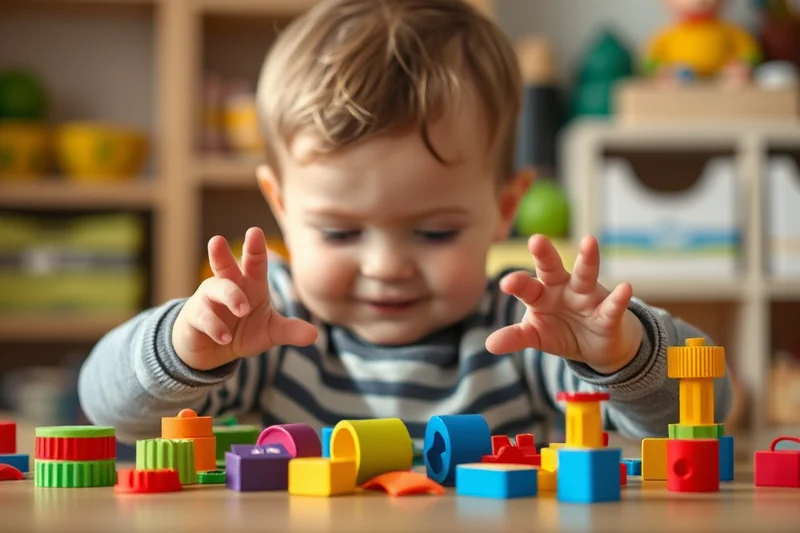
Creating a play-based learning checklist doesn’t have to be complicated. I started by listing the key areas of development that I wanted to support, like fine motor skills, language development, and social skills. Then, I added specific activities that would help achieve those goals. For example, under 'fine motor skills,' I included activities like threading beads, using tongs to pick up small objects, or playing with clay.
I made sure to include a variety of activities that would keep things interesting and avoid burnout. I also made the checklist flexible so I could easily adjust it based on my son’s interests. For instance, if he was fascinated with cars, I added activities like sorting toy cars by color, counting them, or even creating a pretend road for them to drive on.
The checklist became a living document that evolved with my son. Sometimes, I’d find that he was more interested in sensory play than imaginative play, so I adjusted the checklist accordingly. It was a powerful tool that helped me see learning in every moment of our playtime.
A play-based learning checklist is a roadmap that turns everyday play into a learning adventure.
Related: Simple play based learning tips
Integrating Learning into Everyday Play
The best part of play-based learning is that it can be done anywhere — in the kitchen, the park, or even during a car ride. I found that by integrating learning into everyday play, I was able to make learning a natural part of my son’s life. For example, we turned mealtime into a counting activity by asking him to count the number of slices on his plate or sort his food by color.
Even during simple walks in the neighborhood, we turned them into learning opportunities. We’d point out different shapes on buildings, count the number of cars we saw, or talk about the different types of trees we passed. It was amazing how much he absorbed without even realizing he was learning.
By making learning a part of everyday play, I noticed that my son became more curious and engaged. He started asking questions, making observations, and even trying to solve simple problems on his own. It was incredible to see how learning naturally flowed from the play.
Use everyday objects as learning tools. A spoon can be used for sorting, and a blanket can become a story prop. The world is your classroom.
“When my son turned two, I realized that his favorite way to learn wasn’t through flashcards or structured lessons.”— Playschooled editors
Related: Small game based learning platforms
Supporting Social and Emotional Development Through Play
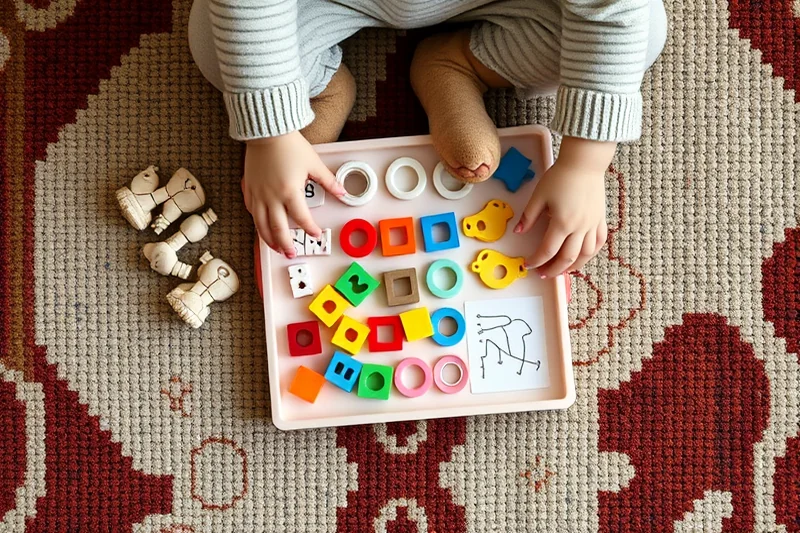
Social and emotional development is often overlooked in traditional learning, but it's just as important — if not more. I started incorporating activities that encouraged my son to interact with others, take turns, and express his emotions. We played games that required cooperation, like building a tower together or solving a puzzle as a team.
I also made sure to include activities that helped him learn how to manage his emotions. For example, we used a 'feeling face chart' where he could point to how he was feeling and talk about it. This helped him identify and express his emotions in a healthy way.
By supporting his social and emotional development through play, I noticed that he became more confident, empathetic, and better at regulating his emotions. He was able to resolve conflicts with peers more easily and showed more patience when things didn’t go his way.
Playing with your child is one of the best ways to support their social and emotional development. It builds trust, strengthens bonds, and shows them how to interact with others.
Related: Budget play based learning definition
The Benefits of a Play-Based Learning Checklist for Parents
As a parent, one of the biggest challenges is finding a balance between play and learning. A play-based learning checklist helps achieve that balance by providing a structured yet flexible approach to learning. It allows parents to see the value in play while ensuring that learning is happening in a natural and engaging way.
I found that using a play-based learning checklist helped me feel more confident in my parenting choices. I was able to track my son’s progress, see what areas he needed more support in, and adjust activities as needed. It also gave me a sense of accomplishment knowing that I was contributing to his development in a meaningful way.
Overall, a play-based learning checklist is a powerful tool for parents. It helps create a learning environment that is both fun and effective, allowing children to grow and develop in a way that feels natural and enjoyable.
⭐ Classic
The original play-based learning activity kit with a focus on creativity and sensory play.
💰 Budget
A no-cost version using household items like paper, boxes, and fabric for imaginative play.
⚡ Extra-Fast
A quick 10-minute activity that uses simple materials like paper and crayons for immediate play.
✨ Depth
A more advanced version that includes storytelling prompts and role-playing activities.
🥗 Light
A simplified version that focuses on light sensory play using items like water and food coloring.
| The mistake | Why it happens | The fix |
|---|---|---|
| Using too many structured activities that feel like school. | This can make play feel forced and reduce the child’s natural curiosity and engagement. | Use open-ended activities that allow for creativity and exploration without rigid instructions. |
| Neglecting the importance of unstructured play. | Unstructured play is essential for developing creativity, problem-solving, and social skills. | Allow your child time to play without specific goals or instructions and observe how they engage with their environment. |
| Forcing learning into play without considering the child’s interests. | If a child is not interested in an activity, they’re unlikely to learn from it. | Use the child’s interests to guide the activities and make learning feel like fun and natural exploration. |
| Overlooking the role of the parent in play-based learning. | The parent’s involvement is crucial for guiding the learning process and providing support. | Be present and engaged during playtime. Ask questions, offer help, and encourage exploration to make learning a shared experience. |
What You'll Need tap to check off
- 1 lb cardboard boxes
- ½ cup paint (any color)
- scissors (child-safe)
Method tap a step when done
- Gather all the materials you'll need: cardboard boxes, paint, and child-safe scissors.
- Allow your child to cut out shapes from the cardboard boxes. This helps develop fine motor skills and creativity.
- Use the paint to decorate the shapes. This encourages artistic expression and sensory development.
- Let your child arrange the painted shapes into a play scene. This promotes imaginative play and storytelling.
- Encourage your child to use the shapes to create a story or a game. This supports language development and problem-solving.
- Allow the decorated shapes to dry completely before storing them for future use.
Key Facts
Related: Practice game based learning step by step
Play Based Learning Checklist
Related: Practice game based learning under 30 minutes
Common Questions
How do I know if my child is learning through play-based activities?
Can I use a play-based learning checklist for older children?
What if I don’t have a lot of time to prepare activities?
How do I track my child’s progress with play-based learning?
References
- PDF Developing an Observational Tool to Support Play-Based Teaching (files.eric.ed.gov)
- Assessment Forms | Advancing Social-Communication and Play (med.unc.edu)
- PDF Understanding Learning Through Play Across Cultural Contexts: The ... (pz.harvard.edu)
- Play based learning Research Papers - Academia.edu (academia.edu)
- PDF PLAY ASSESMENT QUESTIONAIRE - University of Colorado Boulder (colorado.edu)
Cite this guide
Playschooled (2026). Play Based Learning Checklist. https://playschooled.com/play-based-learning-checklist/
Feel free to cite or share this guide.