Play-based Learning Routines That Actually Work
📖 Table of Contents
When my son was two, I tried to make learning a part of our day by forcing him into flashcards and worksheets. What I didn’t expect was the look of pure frustration on his face and the fact that it took two hours to get through 10 cards. That moment was a wake-up call — play wasn't just a break from learning; it was the key to making it stick. I started looking into play-based learning routines that actually work and found that the most effective ones weren’t just fun, they were intentional and built on the child’s natural curiosity.
I began experimenting with different routines, some that involved blocks, others with music and art. The turning point came when I realized that the best routines weren’t about filling every minute with structured activities — they were about creating spaces where my child could explore, ask questions. Learn through doing. These play-based learning routines that actually work became the cornerstone of our days, and I saw my son’s confidence and knowledge grow in ways I hadn’t imagined.
Now, I use these routines daily and have seen them transform not only how my child learns, but also how we connect as a family. Play becomes the bridge between learning and joy, and these routines are designed to be flexible, adaptable, and deeply effective — whether we’re at home or on the go. These play-based learning routines that actually work are not just about education; they're about building a foundation for lifelong learning and curiosity.
Why You'll Love This Approach
- Children learn more deeply when they’re engaged in play.
- It builds confidence and independence through self-directed exploration.
- It strengthens family bonds and encourages communication.
- It’s adaptable to any environment and doesn’t require expensive materials.
What Are Play-Based Learning Routines?
As of September 2026, Play-based learning routines are not about turning play into a lesson, but about recognizing learning within the play. These routines can take place in the kitchen, in the garden, or even while traveling — the key is that the child is actively involved in the activity and learning through exploration.
I once created a routine around building with blocks, where each week we focused on a different concept, like counting, shapes, or balance. Over the course of the month, my son was able to learn about geometry and physics without ever realizing he was being taught. These routines are about creating meaningful experiences, not just filling time.
These routines are especially effective for children between the ages of 18 months and 3 years, who learn best through active, hands-on experiences. I've found that when I keep these routines simple and allow my child to take the lead, the learning is more natural and lasting.[1]
Even 10 minutes of structured play can lead to big learning outcomes. Try one new activity each week and see what sticks.
Part of our Play based learning routines schedules guide.
How to Design a Play-Based Learning Routine That Actually Works
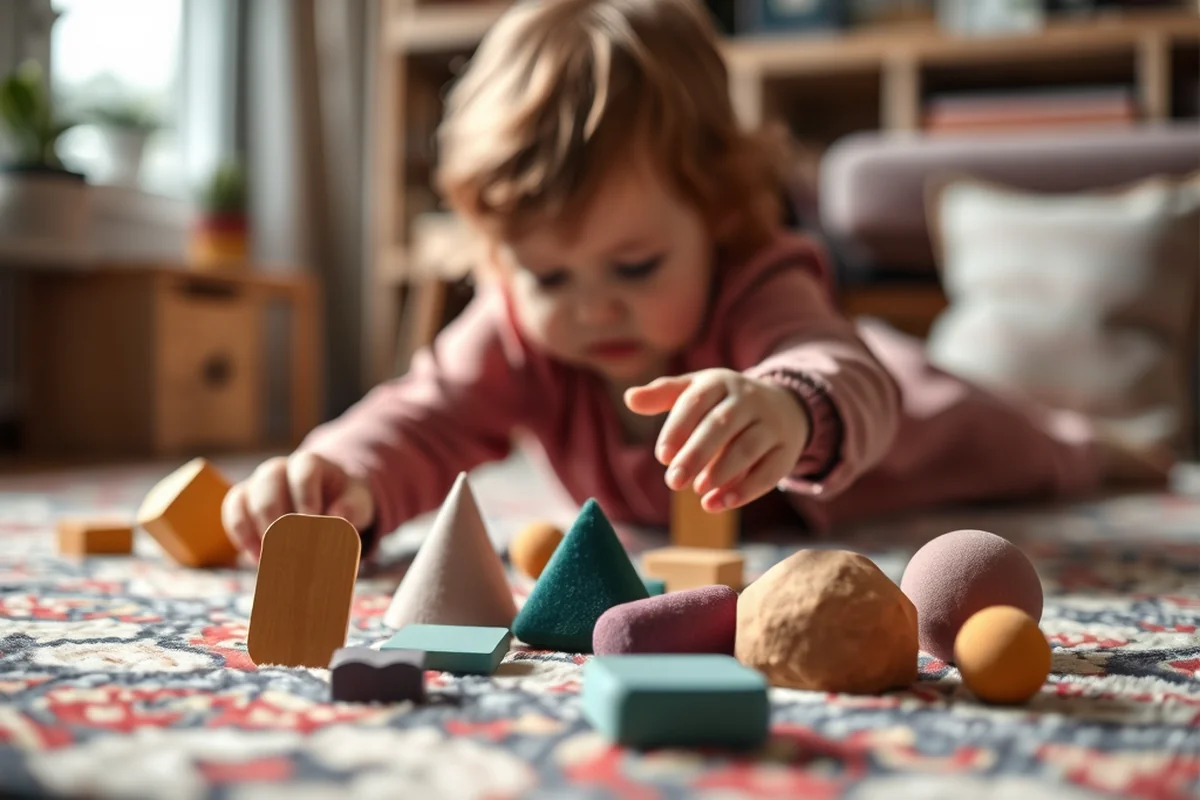
Designing a play-based learning routine that actually works begins with observation. I spent time watching my child’s interests — he loved puzzles, counting, and imitating adults. Based on that, I created a routine that included puzzle-solving, counting games, and role-playing. This approach kept him engaged and interested in learning.
I discovered that the best routines are those that can be adapted on the fly. If my child was in the mood to play with water, I would create a sensory learning activity around that. It’s important to be flexible and responsive to their needs and interests, even if it means deviating from the original plan.
I’ve also found that the best routines are those that involve the whole family. When my child was learning about colors, we painted together and talked about the different shades we saw in our surroundings. This not only made learning fun but also brought us closer as a family.
Play is the language of childhood — learn to speak it fluently.
Related: Play based learning routines schedules checklist
The Benefits of Play-Based Learning Routines
One of the most significant benefits I’ve noticed is the way these routines foster problem-solving skills. When my child was building a bridge with blocks, he had to figure out how to make it stable. This kind of thinking is crucial for future learning and can be nurtured through play-based routines.
Another benefit is the emotional growth that comes from these activities. When my son was learning to count, he had a meltdown when he couldn’t remember the numbers correctly. Through play, we were able to revisit the concept in a low-pressure environment. This helped him build resilience and perseverance.
I’ve also seen how these routines promote creativity and imagination. When I set up a pretend grocery store in our living room, my child came up with his own rules, prices, and even made up a new product. These moments of creativity are vital for developing a child’s mind and are a natural byproduct of play-based learning.
Take time to observe how your child interacts with the activities, and adjust the routine based on their responses. Reflection after each session can help you improve future sessions.
“When my son was two, I tried to make learning a part of our day by forcing him into flashcards and worksheets.”— Playschooled editors
Related: Play based learning schedules checklist
How to Keep Routines Engaging and Fun
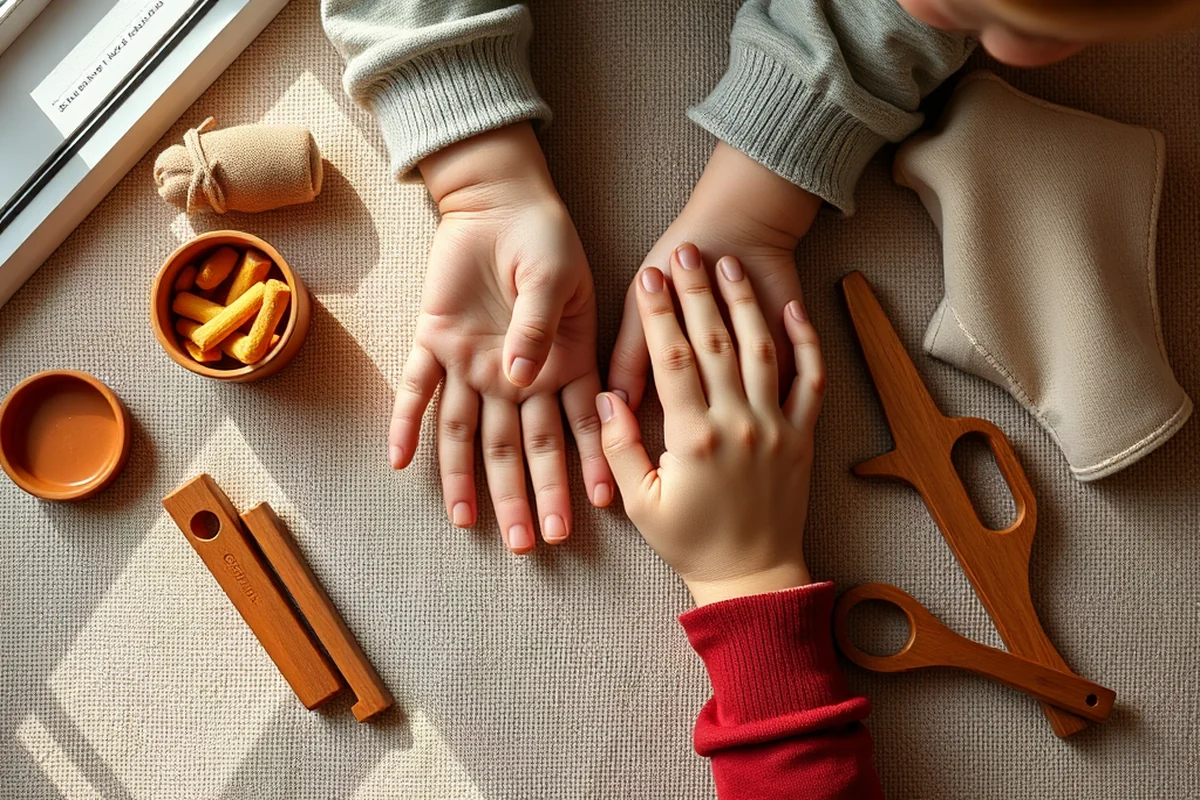
I’ve found that variety is key to keeping these routines fresh and exciting. I rotate the activities every week — one week we might focus on music and rhythm, and the next week we might explore nature through scavenger hunts. This keeps the child interested and prevents them from becoming bored.
Another way to keep routines engaging is by incorporating movement. When my child was learning about shapes, we created an obstacle course with different shapes. He had to crawl through triangles, jump over circles, and crawl under squares. This not only kept him active but also helped reinforce the concepts in a fun way.
I’ve also learned that meaningful interaction is crucial. When I play with my child, I ask open-ended questions like, 'What do you think will happen if we add another block here?' This kind of engagement makes the learning more personal and memorable.
Related: Affordable play based learning routines schedules
Tips for Making Play-Based Learning a Daily Habit
I’ve found that consistency is the most important factor in making these routines a part of daily life. Even if I can only do 15 minutes a day, I make sure to keep it up. Over time, my child has come to expect these moments of learning through play, and they’ve become a natural part of our day.[2]
Patience is another key element. There are days when my child is not in the mood for learning, and that’s okay. I don’t force it — instead, I take a break and come back to the activity when he’s more receptive. This helps maintain a positive association with learning.
Creativity is also essential. I use everyday items to create learning opportunities. For example, we turned our laundry day into a sorting and counting activity by sorting socks by color and size. This not only made learning fun but also made chores more engaging.
🍃 Gentle Approach
Ideal for sensitive or easily overwhelmed children. Focuses on low-stimulation, slow-paced play with minimal transitions.
⚡ Fast-Track Approach
Designed for busy parents who want to pack a lot of learning into short time slots. Uses quick, high-impact activities like flashcards with a twist.
🧳 Travel/On-the-Go Approach
Perfect for parents who are often away from home. Uses portable items like sensory bags, books, and puzzle cards to keep learning going anywhere.
👶 Multiples Approach
Tailored for parents with more than one child. Encourages parallel play and shared learning experiences that benefit all children at once.
🔄 Regression Reset Approach
Helps children who are going through developmental regressions. Uses predictable, comforting routines to rebuild confidence and skills.
| The mistake | Why it happens | The fix |
|---|---|---|
| Forcing too many activities into one session | This can overwhelm the child and make them resistant to future learning sessions. | Limit the number of activities per session and focus on one concept or skill at a time. |
| Using too many materials at once | This can be distracting and prevent the child from focusing on the learning objective. | Simplify the setup and introduce new materials gradually as the child becomes more engaged. |
| Neglecting to observe the child’s reactions | Not paying attention to how the child is responding can lead to missed learning opportunities and frustration. | Take time to observe and adjust the routine based on the child’s engagement and interest levels. |
| Ignoring the child’s natural curiosity | Children learn best when they are following their own interests and questions. | Use their curiosity as a guide and allow them to explore topics they are naturally drawn to. |
Related: Play based learning routines checklist
Play-based Learning Routines That Actually Work
Related: Play based learning routines schedules on a budget
Common Questions
How long should each play-based learning session last?
Can these routines be used for older children?
What if my child isn’t interested in the activities I choose?
Do these routines require expensive materials?
References
- Experiences of Kindergarten Teachers Utilizing Play-based ... - ERIC (files.eric.ed.gov)
- Preschool Classroom Teaching Guidelines - NJ.gov (nj.gov)
Cite this guide
Playschooled (2026). Play-based Learning Routines That Actually Work. https://playschooled.com/play-based-learning-routines-that-actually-work/
Feel free to cite or share this guide.