
Play-based Learning Stage For Small Spaces
📖 Table of Contents
- What Is a Play-based Learning Stage for Small Spaces?
- How to Design a Play-based Learning Stage for Small Spaces
- The Best Tools for a Play-based Learning Stage in Small Spaces
- The Benefits of a Play-based Learning Stage in Small Spaces
- How to Keep Your Play-based Learning Stage Organized and Functional
- Make It Your Way
- Frequently Asked Questions
I remember the first time I realized that my tiny apartment could be a playground for my toddler. It was during a rainy afternoon when I had nothing but a blanket, a few stacking blocks, and a cardboard box. My daughter, then just two years old, transformed the space into a castle, a spaceship, and a jungle — all within an hour. I didn’t have a dedicated playroom, but I had something even better: a play-based learning stage for small spaces. It wasn’t about the size of the room, but the creativity and flexibility of the setup.
Since that moment, I’ve been on a journey to figure out how to make the most of small spaces for learning and play. I’ve tried everything from DIY storage solutions to repurposing furniture as learning tools. I’ve discovered that small spaces can be incredibly efficient when designed with intention and purpose. It’s not about buying a lot — it’s about making every inch count for learning, exploration, and joy.
If you’re like me — a parent with limited square footage but a deep desire to create a rich, stimulating environment for your child — this article is for you. I’ll share the tools, strategies, and mindset that helped me transform my cramped apartment into a hub of play-based learning. The key is to think creatively, stay flexible, and be ready to adapt to your child’s ever-changing needs.
Why You'll Love This Play-based Learning Stage For Small Spaces
- Maximize every inch of your space with clever, adaptable tools
- Encourage creativity and learning without the need for large rooms or expensive furniture
- Create a space that evolves with your child’s growing interests and abilities
- Strengthen your child’s cognitive and social skills through hands-on, immersive play
What Is a Play-based Learning Stage for Small Spaces?
As of October 2026, a play-based learning stage for small spaces is more than a trend — it's a practical approach to early childhood development that works in apartments, studios, and any home with limited room. I’ve turned my 400-square-foot apartment into a dynamic, engaging environment for my daughter by focusing on flexibility and purposeful use of space.[1]
The goal is to create a zone where your child can explore, experiment, and learn through play. This is where the magic happens — when a toddler is pretending to be a doctor, a scientist, or a chef using a few items you’ve carefully arranged. I’ve found that the best setups are those that can be rearranged and repurposed, so the space never feels static.
This approach is especially valuable for parents in small spaces. It’s about using what you have, creatively and intentionally. You don’t need a lot to make a big impact — and the benefits of this kind of setup are both educational and emotional for the child.
I always start with what’s already in the room — blankets, books, and even old boxes can be transformed into learning tools with a little imagination.
Part of our Play based learning by age stage guide.
How to Design a Play-based Learning Stage for Small Spaces
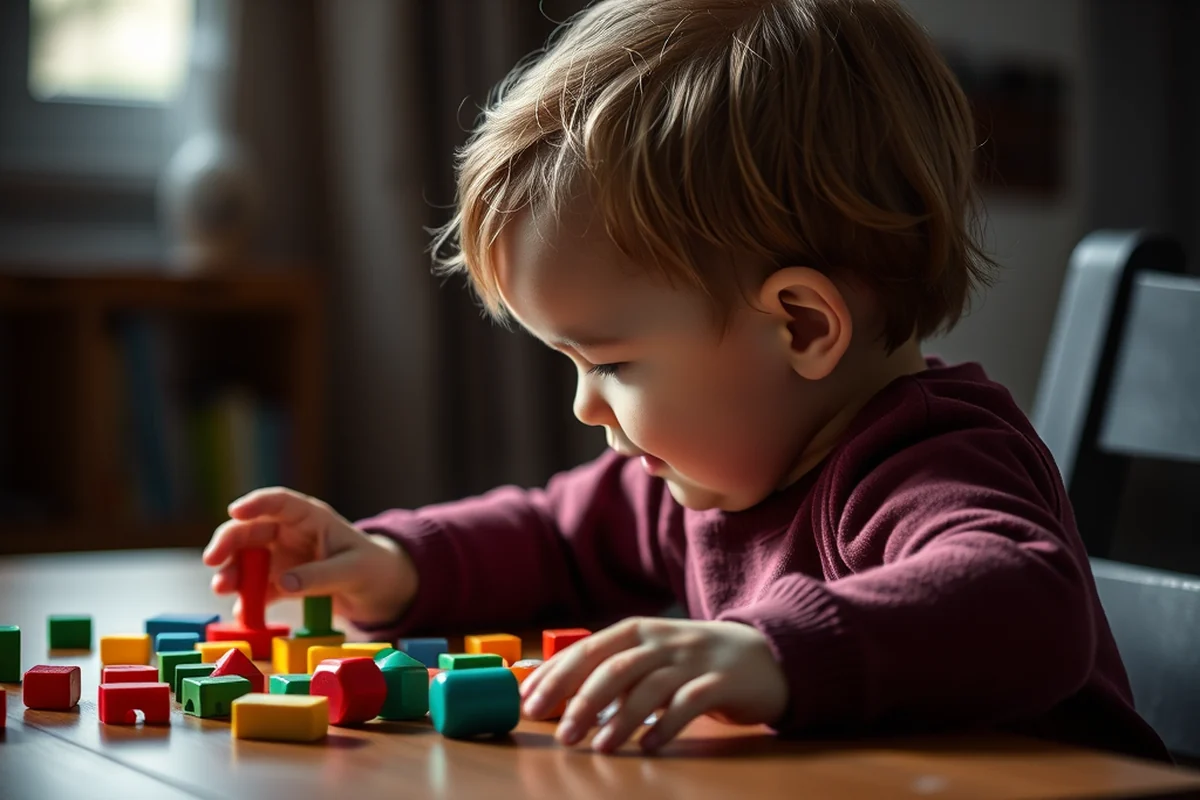
Designing a play-based learning stage for small spaces requires a balance of structure and flexibility. I’ve found that using a low, open shelving unit or a folding table as a central hub works well. These pieces can be moved around the room as needed, which keeps the space adaptable to your child’s developmental stage.
I also use floor cushions as a base for play, which makes it easy to switch activities — from puzzle time to storytelling. The key is to avoid clutter and keep the most-used items within reach. I’ve learned that a space that’s too full can be overwhelming and counterproductive for learning.
It’s also important to consider your child’s developmental stage. For a toddler, I keep the area simple with open-ended toys that encourage imaginative play. For an older child, I might add more structured materials, like books or art supplies.
A little space can become a big world of learning with the right setup.
Related: Play based learning by age stage checklist
The Best Tools for a Play-based Learning Stage in Small Spaces
I’ve tested many play-based learning tools over the years, and the ones that have stood the test of time are the ones that are durable and multifunctional. My favorite is a set of stacking blocks — they can be used for building, counting, sorting, and even storytelling. I’ve also found that soft, washable play mats are a must — they create a safe, comfortable area for exploration.
Storage is another key factor. I use clear bins to keep materials organized and easy to access. For my child’s interests, I keep separate bins for art supplies, blocks, and books. This helps her learn to clean up and organize, which is a valuable life skill.
I also use a whiteboard on one wall — it’s a great space for drawing, writing, and even playing math games. It’s a flexible surface that can be used for many different activities. I’ve found that this is one of the most versatile tools I’ve ever incorporated into a small play area.
Label your bins with pictures or words so your child can easily find what they need — it builds independence and learning skills.
“I remember the first time I realized that my tiny apartment could be a playground for my toddler.”— Playschooled editors
Related: Play based learning stage on a budget
The Benefits of a Play-based Learning Stage in Small Spaces
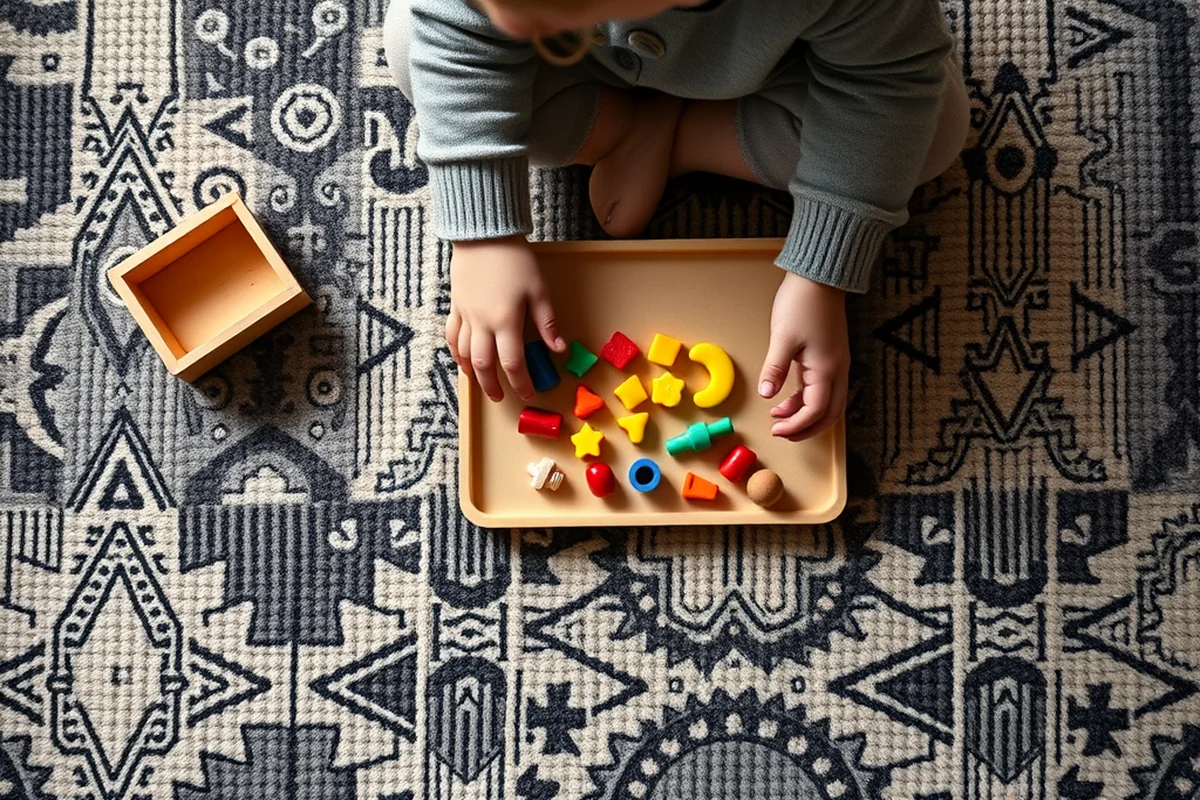
A play-based learning stage in small spaces is not only practical but also highly beneficial for a child’s development. I’ve seen my daughter’s problem-solving skills improve as she manipulates blocks, sorts objects, and creates stories. She’s more confident and curious, and I believe it’s because the environment encourages exploration and learning in a natural way.
I’ve also noticed that she has developed better social skills through pretend play. When she’s pretending to be a teacher, a chef, or a doctor, she’s learning how to interact with others, follow rules, and express herself. These are all important skills that come from play, and they don’t require a large space to happen.
The benefits extend to the parent as well. These setups reduce the stress of managing a small space, and they give you a place to engage with your child in a meaningful way. It’s a win-win for everyone involved.
Related: Play based learning by age stage on a budget
How to Keep Your Play-based Learning Stage Organized and Functional
One of the biggest challenges with a play-based learning stage is keeping it organized. I’ve found that setting up a daily routine helps. Every evening, we clean up together — it’s a chance to teach my daughter about responsibility and order.
I also use a few key strategies to keep the space functional. For example, I keep high-traffic toys in a central bin and store less-used items on higher shelves. This helps reduce clutter and makes the space feel more manageable.
Another tip is to have a designated spot for each activity. This helps your child know where to find things and makes the space feel more predictable and safe. It’s also a great way to reinforce learning through structure and consistency.
🌿 Gentle Approach
Focuses on slow, mindful setup with natural materials and open-ended play.
⚡ Fast-track Method
Ideal for busy parents — quick setup with minimal storage and maximum flexibility.
🧳 Travel/away-from-home
Lightweight and portable play setups that can be taken on the go.
👶 Multiples Setup
Tailored for parents of multiple children — space-saving solutions that work for all ages.
🔄 Regression Reset
A way to revisit and refresh your play-based learning stage during developmental milestones.
| The mistake | Why it happens | The fix |
|---|---|---|
| Cluttering the space with too many toys. | Too many toys can overwhelm a child and make the space feel chaotic and uninviting. | Keep the space simple and focused on a few key activities at a time. |
| Not involving the child in the setup. | This can lead to a disconnect between the space and the child’s interests and needs. | Involve your child in the setup process — let them choose what goes where and what activities they enjoy. |
| Using only one type of toy or activity. | This can limit the child’s learning and development, as variety is key to growth. | Incorporate a range of materials and activities to encourage different types of play and learning. |
| Ignoring the child’s developmental stage. | Using play materials that are too complex or too simple can hinder learning and engagement. | Tailor the setup to your child’s current developmental level and interests. |
Related: Play based learning by age stage for beginners
Play-based Learning Stage For Small Spaces
Related: Play based learning by age stage for small spaces
Integrating Nature Into Your Play-based Learning Stage
Bringing natural elements into small spaces can transform a learning stage into a sensory-rich environment that supports creativity and curiosity.
I’ve found that even small additions like potted herbs, pinecones, or smooth river rocks can spark a child’s interest in science, art, and exploration. These items are often available at low cost from local parks, nature reserves, or even backyard walks. I once collected a few handfuls of fallen leaves and acorns during a family hike, and within minutes, my toddler was sorting them by size, texture, and color—without any prompting from me. These organic materials provide a tactile and visual contrast to the usual plastic and synthetic toys, helping children develop a deeper connection to the world around them.
Integrating nature into the learning stage doesn’t require a lot of space. A small tray filled with sand and seashells can become an ocean science center, while a few branches and pebbles can be used for counting and sorting activities. I’ve also used dried flowers and lavender in sensory bins to teach about plant life cycles and calming scents. These items are not only affordable but also biodegradable, making them an eco-friendly alternative to traditional play materials. When I introduced a small container of dried beans and wooden spoons, my child immediately started pretending to cook, which led to a spontaneous conversation about where food comes from and how it’s prepared.
The presence of natural elements also encourages imaginative and open-ended play. When I added a few sticks and leaves to our play area, my child began constructing elaborate “forests” and “homes” for insects, which sparked hours of pretend play and storytelling. This kind of unstructured, nature-inspired play supports cognitive, emotional, and social development in a way that is both intuitive and engaging. I’ve noticed that my child becomes more focused and calm when surrounded by natural materials, which I believe is due to the grounding effect of being close to the earth. This simple addition doesn’t take up much space, yet it significantly enhances the learning experience.
Common Questions
Can I create a play-based learning stage in a very small apartment?
How often should I change the setup of my play area?
What should I do if my child is too interested in one activity to move on?
How can I make the space safe for a small child?
References
- The Powerful Role of Play in Early Education (cde.ca.gov)
Cite this guide
Playschooled (2026). Play-based Learning Stage For Small Spaces. https://playschooled.com/play-based-learning-stage-for-small-spaces/
Feel free to cite or share this guide.