
Play-based Learning Stage Step By Step
📖 Table of Contents
I still remember the day my 2-year-old daughter turned a pile of blocks into a makeshift airport, complete with a 'terminal' and 'aircraft' made from her stuffed animals. It was a simple moment, but it taught me how powerful play-based learning can be. At the time, I didn’t realize that every squeal, every dramatic 'takeoff,' and every proud ‘I did it!’ was a stepping stone in her cognitive, social, and emotional development. Play-based learning isn’t just about having fun—it’s about building the foundation for a lifelong love of learning.[4]
As a parent, I’ve spent countless hours researching and experimenting with different approaches to early childhood education. What I’ve learned is that play-based learning is not a one-size-fits-all method. It evolves with your child, and each stage—whether it’s the toddler years, preschool, or the early elementary years—requires a unique blend of strategies. The key is to be intentional, observant, and flexible, adapting your child’s environment to support their growth through play.
If you’re looking for a step-by-step guide to play-based learning, you’ve come to the right place. This article walks you through each stage, from the first spark of curiosity in infancy to the complex problem-solving that emerges in the school years. Whether you’re a first-time parent or someone looking to refine their approach, this guide gives you a roadmap to support your child’s development through play.
Why You'll Love This Play-Based Learning Guide
- A clear, age-specific roadmap for each developmental stage
- Real-life examples and strategies that work for busy parents
- Expert insights and research-backed techniques
- Tips for making learning fun, natural, and stress-free
The Infancy Stage: Play as Exploration
As of October 2026, from birth to around 12 months, your baby is learning through sensory experiences and simple interactions. You’ll see them reaching for your face, babbling, and trying to grasp objects. These are not just cute moments—they're critical for cognitive and motor development. During this stage, play is about exploration, and you are the key player.[1]
I’ve found that simple interactions like peek-a-boo, singing lullabies, and offering soft toys that make noise can spark curiosity and build trust. Your baby is learning to recognize patterns and understand cause and effect. One of my favorite moments was when my daughter, then 8 months old, looked up at me with wide eyes after I tapped a toy that made a sound and then hid it behind my back—she immediately reached for it.
The most important tip during this stage is to be patient and present. Your baby is learning at a rapid pace, and they need your undivided attention to make sense of the world. Even short interactions—like a 10-minute play session—can have a lasting impact on their development.[2]
Use soft, washable toys with different textures and colors. Try adding a small amount of rice or beans in a container for your baby to explore with their hands.
Part of our Play based learning by age stage guide.
Toddler Years: Play as Social Learning
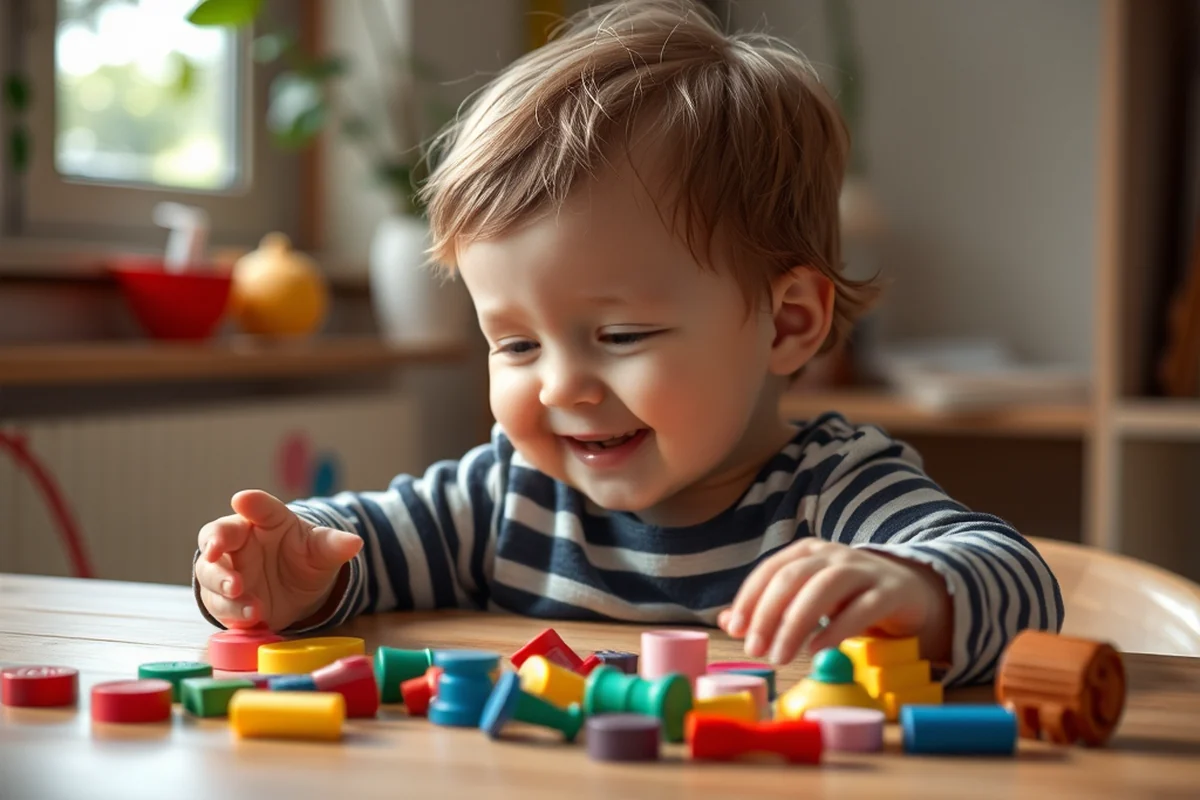
Between 18 months and 3 years, your child is rapidly developing language, social skills, and independence. Play becomes more interactive, with your child engaging in pretend play and learning to take turns. This is a time when they start to understand rules and how to work with others.[3]
I’ve noticed that my daughter’s play has evolved from simple imitation to creating her own scenarios. She now plays with her dolls in a 'house' she built from blocks and even asks for help when she needs more blocks. It’s amazing to see her problem-solving skills in action. This stage also brings challenges, like tantrums and self-centered behavior, which are all part of the learning process.
The most important thing during this stage is to model positive behavior and provide a safe, structured environment. Play should be fun, but it’s also a time for teaching empathy, patience, and cooperation.
Play is the way toddlers learn to be in the world.
Related: Easy play based learning stage
Preschool: Play as Problem-Solving
Between 3 and 5 years old, your child’s imagination is at its peak. This is the time when they can engage in complex pretend play, build elaborate structures, and even start to understand abstract concepts like counting and shapes. Play becomes a way for them to explore their world and solve problems.
During this stage, I’ve found that open-ended toys like building blocks, dress-up clothes, and art supplies are the most effective. My daughter recently built a 'castle' from blocks and then tried to 'protect' it from a 'dragon' she made from a cardboard box. She was so engaged in the process that I didn’t even have to prompt her to learn about shapes, colors, or teamwork.
The key during this stage is to provide a variety of materials and allow your child to lead the play. This helps them develop creativity, critical thinking, and a sense of accomplishment.
Choose toys that can be used in multiple ways, like building blocks, art supplies, or dress-up clothes. These encourage creativity and problem-solving.
“I still remember the day my 2-year-old daughter turned a pile of blocks into a makeshift airport, complete with a 'terminal' and 'aircraft' made from…”— Playschooled editors
Related: Best play based learning by age stage
Early School Years: Play as Reinforcement
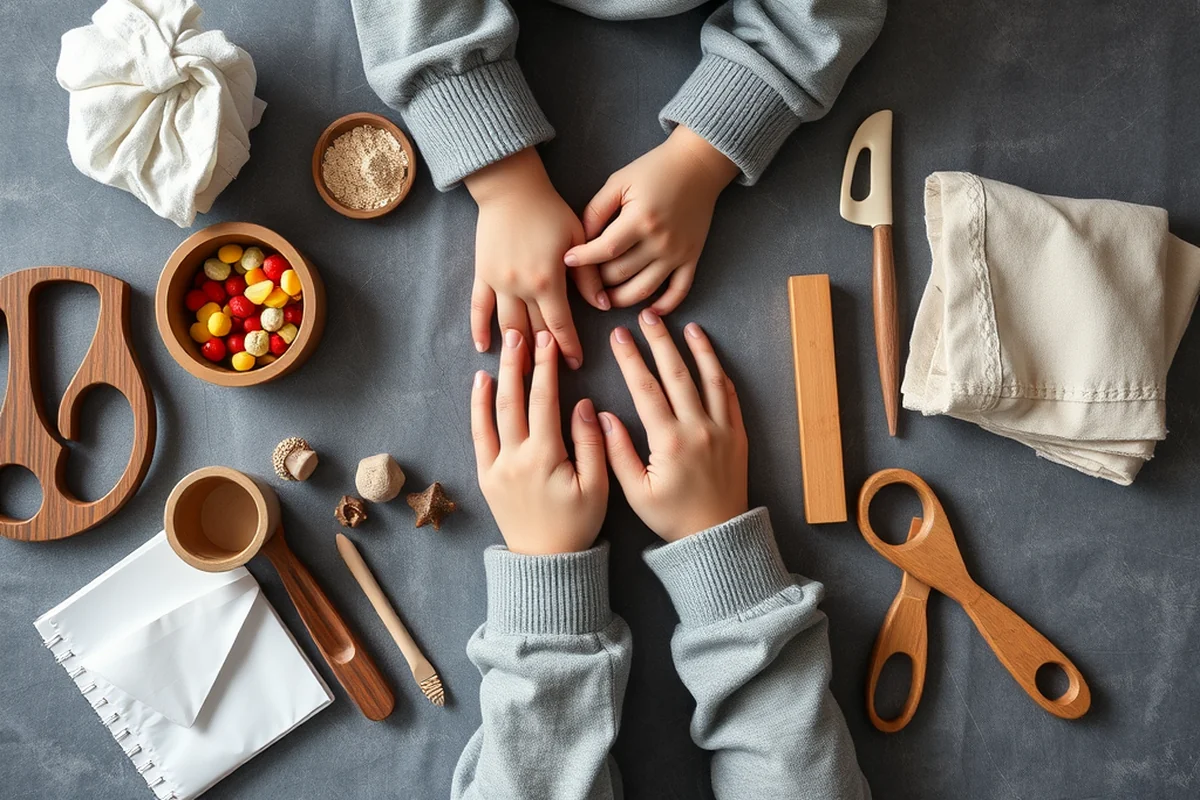
Between 5 and 7 years old, children are starting to formalize their learning through school, but play still plays a crucial role. It’s a time when they can connect academic concepts like math and reading to real-life experiences. Play becomes a way to reinforce what they’re learning in the classroom.
I’ve found that combining play with structured learning can be very effective. For example, my daughter and I play a game where we count objects while reading picture books. She loves it, and it helps her develop her math skills without feeling like a lesson.
The most important thing during this stage is to balance play with structured learning. Your child should still have time to explore and play, but it’s also a time to help them connect play to academic concepts.
Related: How to play based learning by age stage
All Stages: The Power of Consistency
No matter your child’s age, consistency in play and learning is essential. It helps them build trust, understand rules, and develop a sense of security. Consistency also helps them develop the confidence to try new things and take on challenges.
I’ve noticed that when I keep a regular playtime routine, my daughter is more engaged and excited to learn. Whether it’s a daily puzzle session or a weekly art project, consistency helps her know what to expect and feel more secure.
The most important thing during any stage is to be present and engaged. Your child needs to know that you are there for them, and that you’re excited to learn with them.
🐣 Gentle Play-Based Learning
For parents who prefer a slow, low-pressure approach with lots of open-ended exploration and minimal structure.
🚀 Fast-Track Play-Based Learning
For parents who want to integrate learning into daily routines quickly and efficiently, with a focus on skill development.
🧳 Travel Play-Based Learning
For families on the go, this approach uses minimal resources and adapts to any environment, from airports to road trips.
👯 Multiples Play-Based Learning
Designed for parents of twins or siblings, this approach encourages shared play and learning without constant supervision.
🔄 Regression Reset Play-Based Learning
For parents who need to refocus their child’s learning after a setback or change in environment.
| The mistake | Why it happens | The fix |
|---|---|---|
| Over-structuring play | Too much structure can stifle creativity and exploration, making learning feel forced. | Allow your child to lead the play and explore freely. Provide materials and ask open-ended questions instead of directing the activity. |
| Not being present | If you’re not engaged in your child’s play, you miss out on valuable learning opportunities and bonding time. | Be fully present during playtime. Put away distractions like phones and give your child your full attention. |
| Ignoring your child’s interests | Forcing your child to play with things they don’t enjoy can lead to disengagement and frustration. | Follow your child’s interests and let them choose what they want to play with. This helps build motivation and a love for learning. |
| Not adapting to your child’s developmental stage | Each stage of development has different needs and abilities. Using the wrong approach can be ineffective and confusing. | Tailor your play-based learning approach to your child’s age and developmental stage. Observe and adjust as needed. |
Related: Affordable play based learning stage
Play-based Learning Stage Step By Step
Related: Play based learning by age stage tips
The Middle School Years: Play as Identity Formation
During middle school, play takes on a new role as a means of identity formation and emotional resilience. This is a time when adolescents are figuring out who they are, and play allows them to experiment with roles, values, and social dynamics in a low-risk environment. Whether it's through role-playing scenarios, sports, or creative projects, these activities help teens build self-awareness and confidence. I noticed this when my daughter used dramatic play to explore different career paths, pretending to be a journalist, a chef, and even a scientist—all while learning about communication, teamwork, and problem-solving.
In this stage, play-based learning can be seamlessly integrated into homework or extracurricular activities. For instance, instead of a traditional essay on history, students might create a mock trial or a short play based on historical events, which requires research, creativity, and collaboration. I tried this with my son, and he was more engaged and retained information better than when he completed traditional assignments. These experiences not only make learning more enjoyable but also help students develop critical thinking and emotional intelligence.
It’s also crucial to recognize that play during these years often involves more complex social interactions. Group projects, team sports, and collaborative games become central to the learning process. These activities teach negotiation, leadership, and empathy. I’ve seen how my child’s participation in a drama club helped her navigate peer relationships and build self-expression. By encouraging play that involves both creativity and social engagement, parents and educators can support the emotional and cognitive development of middle schoolers in meaningful ways.
Common Questions
What age is best for starting play-based learning?
How long should play-based learning sessions be?
Can play-based learning be used for academic subjects like math and reading?
How do I know if my child is benefiting from play-based learning?
References
- The power of play – Part 1: Stages of play - Child & Family ... (canr.msu.edu)
- Effect of Play Based Learning on the Development of Logical ... (academia.edu)
- Why New ECE Teachers Should Embrace Play-Based Learning (athenacareers.edu)
- Director's Column: Play-Based Learning Leads to School Readiness (bingschool.stanford.edu)
Cite this guide
Playschooled (2026). Play-based Learning Stage Step By Step. https://playschooled.com/play-based-learning-stage-step-by-step/
Feel free to cite or share this guide.