
What Is a Playing Card and How Is It Used

📖 Table of Contents
- What Is a Playing Card?
- How Can Playing Cards Be Used in Parenting?
- The Benefits of Playing Card Games with Your Child
- How to Choose the Right Playing Cards for Your Child
- How to Store and Organize Your Playing Cards
- How to Adapt Playing Cards for Different Age Groups
- The Role of Playing Cards in Emotional Development
- Make It Your Way
- Frequently Asked Questions
I remember the first time I sat down with my 4-year-old to play a card game. It was a rainy afternoon, and we had just finished a long day of errands. I pulled out a deck of cards from a drawer, and I was surprised by how engaged my child became. We played a simple game. To my amazement, she was asking questions like, 'What does this card mean?' and 'Can we play again?' That moment made me realize the power of a playing card in a child's development.
A playing card is more than just a piece of cardboard with a picture on it. It is a tool that can be used to teach numbers, patterns, colors, and even basic strategy. As a parent, I've learned that incorporating playing cards into daily routines is not only fun but also incredibly beneficial for cognitive and social development. From learning to count to understanding the value of teamwork, the possibilities are endless.
Over the years, I've experimented with different games and methods using playing cards, and I've discovered that they can be adapted to suit various age groups and learning objectives. Whether it's a simple memory match game for toddlers or a more complex card game for older kids, the versatility of playing cards is unmatched. I've seen how they can spark curiosity and creativity in my child, and I know they can do the same for yours.
Why You'll Love This Approach to Playing Cards
- Enhances cognitive development through patterns and memory
- Encourages family bonding and social interaction
- Improves numeracy and strategic thinking
- Provides a fun, affordable learning tool
What Is a Playing Card?
As of November 2026, a standard deck of playing cards contains 52 cards, divided into four suits: hearts, diamonds, clubs, and spades. Each suit has cards numbered from 2 to 10, along with face cards like Jacks, Queens, and Kings. These cards are not only used for traditional games but can also be adapted for educational purposes. For example, I’ve used them to teach my child the difference between high and low numbers, which helps with basic math skills.
The versatility of playing cards makes them a valuable tool for parents. Whether you're teaching colors, shapes, or even basic strategy, there's a game or activity that can be tailored to your child’s developmental stage. I once turned a simple game of Go Fish into a lesson on matching and memory, which was both fun and educational.
I’ve also used playing cards to introduce my child to the concept of chance and probability. By playing games like War or Slapjack, she learned to make quick decisions based on the cards she held. This kind of thinking is essential for problem-solving and is something that can be nurtured through play.
Begin with simple games that match your child's age and developmental stage. For example, a game of memory with face-up cards is a great way to introduce the concept of matching.
Part of our Play based learning guide.
How Can Playing Cards Be Used in Parenting?
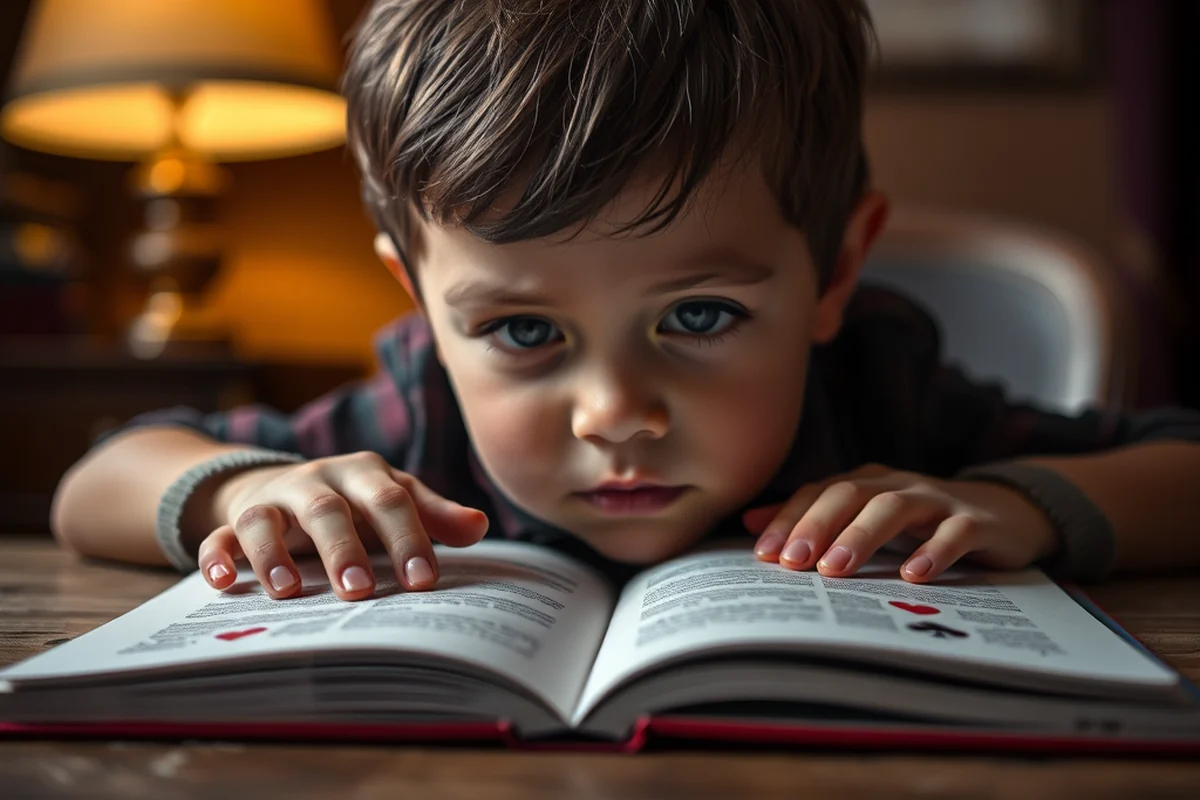
I’ve found that playing cards are a fantastic way to engage children in learning while having fun. One of my favorite games to play with my child is Memory, where we try to match pairs of cards. This game not only helps with memory skills but also encourages patience and concentration. I’ve noticed that my child has improved her ability to focus during these games, and I believe it's because of the mental engagement required.
Another game I enjoy playing is Go Fish, which is great for teaching children how to ask questions and follow simple rules. During our games, I’ve noticed that my child has become more confident in speaking and listening, which are essential social skills. The interaction between us during the game has also helped strengthen our bond, making it a valuable part of our daily routine.
I’ve also used playing cards to teach my child about numbers and counting. For instance, when we play a game of War, I explain the value of each card and the rules of the game. This has helped my child understand the concept of greater than and less than, which is an important part of early numeracy.
Play is the highest form of learning.
Related: Game based learning platforms 2026
The Benefits of Playing Card Games with Your Child
One of the most rewarding aspects of playing card games with my child is the way it helps her develop cognitive skills. I’ve noticed that she has become more attentive and is better at following instructions, which has been beneficial in other areas of her life. For example, during school, she is more focused and able to complete tasks without getting distracted.
In addition to cognitive development, playing card games has helped improve my child’s social skills. When we play games like Uno or Rummy, she has to interact with me and sometimes with other family members, which teaches her how to take turns, follow rules, and communicate effectively. These are essential life skills that I believe will serve her well in the future.
I’ve also seen improvements in my child’s emotional intelligence. When she loses a game or doesn’t win, I’ve noticed that she is learning how to handle disappointment and celebrate victories with others. These are important lessons that go beyond just playing a game and have a lasting impact on her emotional development.
Involve other family members in playing card games with your child. This not only strengthens family bonds but also provides a more engaging and interactive experience for your child.
“I remember the first time I sat down with my 4-year-old to play a card game.”— Playschooled editors
Related: Fast play based learning ideas
How to Choose the Right Playing Cards for Your Child
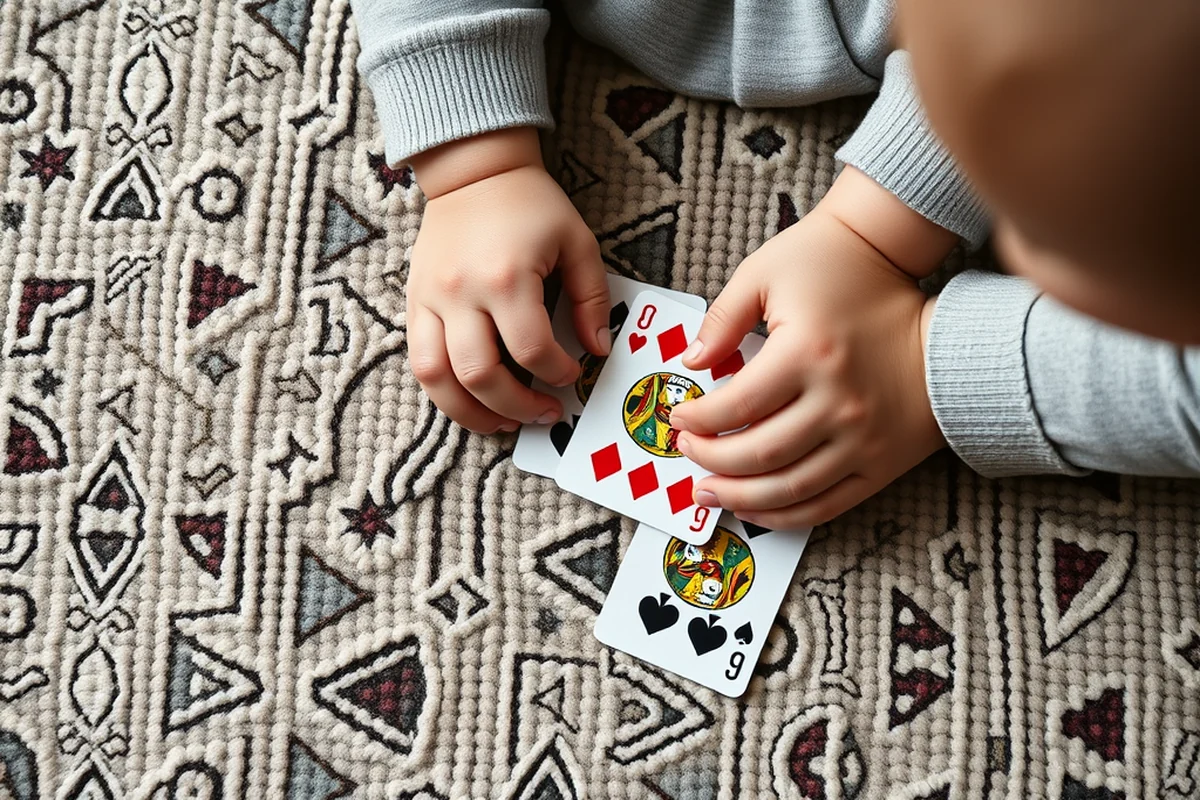
When choosing playing cards for my child, I always consider her age and developmental stage. For younger children, I opt for cards with bright colors and simple images that are easy to recognize. These cards are not only more visually appealing but also help with pattern recognition and memory skills. I’ve found that cards with fewer cards per deck are better for children who are just starting to learn the concept of matching and counting.
I also look for playing cards that are made from durable materials. These cards are less likely to tear or bend, which is important for young children who may still be learning how to handle them properly. I’ve noticed that cards with rounded corners are safer for children, as they reduce the risk of injury from sharp edges.
Another factor I consider is the educational value of the cards. I prefer cards that come with instructions or ideas for educational games, as these can be a valuable resource for parents who are looking for ways to incorporate learning into play. I’ve found that these cards often include tips on how to use them for different age groups and skill levels, which makes them more versatile.
Related: Books on play based learning at home
How to Store and Organize Your Playing Cards
To keep my playing cards in good condition, I store them in a dedicated card box or drawer. This helps protect them from dust and damage, and it also makes them easy to find when I want to play a game. I’ve found that using a box with a lid is especially helpful, as it prevents the cards from getting mixed up or lost.
I also like to organize my cards by type or game. For example, I keep the cards used for memory games separate from those used for strategy games. This helps me quickly find the right set of cards for the activity I want to play. I’ve noticed that this organization has made it easier for my child to understand the different types of games and how to play them.
Another tip I’ve found useful is to label the boxes or drawers that contain the playing cards. This not only helps me keep track of where the cards are but also makes it easier for my child to know where to look when she wants to play. I’ve seen how this simple act of labeling has helped my child become more independent in accessing the cards on her own.
Related: Is play based learning effective comparison
How to Adapt Playing Cards for Different Age Groups
One of the things I love about playing cards is that they can be adapted to suit different age groups. For younger children, I simplify the rules and focus on games that emphasize matching and counting. For example, when playing with my 3-year-old, I use a game like Memory with only a few pairs of cards. Makes it easier for her to follow the rules and understand the objective.
For older children, I introduce more complex games that require strategic thinking and planning. I’ve noticed that my 7-year-old enjoys playing games like Uno or Rummy, which require more advanced skills such as counting and making decisions based on the cards in play. These games not only challenge her but also help her develop problem-solving skills.
I also adjust the difficulty of the games based on my child's interests and learning goals. For example, if she is learning about numbers, I use a game that involves adding or subtracting points based on the cards played. This makes learning fun and engaging while reinforcing important mathematical concepts.
Adaptability is key to making learning through play accessible to all ages.
Related: Is play based learning effective
The Role of Playing Cards in Emotional Development
One of the most valuable aspects of playing card games with my child is how it helps her develop emotional resilience. I’ve noticed that she learns to handle both winning and losing gracefully, which is an important life skill. For example, when she loses a game, she often asks, 'Can we play again?' This shows that she is learning how to cope with disappointment and try again.
Playing cards also teaches my child how to interact with others in a positive and respectful way. When we play games with other family members, she learns to take turns, follow rules, and be fair. These are essential social skills that help her build stronger relationships with others.
I’ve also noticed that playing card games helps my child express her emotions in a safe and healthy way. When she is excited about winning a game or frustrated about losing, she is able to communicate her feelings more clearly. This has helped her develop emotional intelligence and learn how to manage her emotions in a constructive way.
🧸 Gentle Introduction
Start with simple card games that match your child's developmental stage and build confidence gradually.
🚀 Fast-Track Learning
Use playing cards to introduce more complex concepts and skills in a short period of time through structured games.
✈️ Travel/On-the-Go
Take playing cards with you on the go for educational fun during long car rides or waiting in line.
👶 Multiples
Use playing cards to engage multiple children at once and encourage teamwork and cooperation.
🔄 Regression Reset
Revisit simple card games to reinforce learning and provide a comforting and familiar activity during times of change.
| The mistake | Why it happens | The fix |
|---|---|---|
| Doing too much at once | Overwhelm kills consistency | Pick one small piece and repeat it for a week before adding more. |
| Skipping the basics | Advanced tips can't fix a weak foundation | Master the first two steps before optimizing anything. |
What Is A Playing Card
Common Questions
How can I make playing card games more engaging for my child?
What are some easy card games I can play with my child?
How can playing cards help my child's development?
What should I do if my child is not interested in playing card games?
Cite this guide
Playschooled (2026). What Is a Playing Card and How Is It Used. https://playschooled.com/what-is-a-playing-card/
Feel free to cite or share this guide.