
What Is Live Play and How Does It Work

📖 Table of Contents
I still remember the day my daughter’s eyes lit up as she watched her brother navigate a cardboard box turned into a spaceship. It wasn’t the most expensive toy, but it sparked her imagination in a way no screen ever could. That moment, when she asked, ‘Can I play too?’ was the beginning of my journey into understanding what live play really is — and how it can transform the way children learn and grow.
Live play is more than just kids running around or pretending to be astronauts. It’s a dynamic, interactive experience that happens in the moment, shaped by the child’s curiosity and the environment we provide. Over the years, I’ve tested different approaches, from simple household items to elaborate setups, and I’ve learned that the best live play doesn’t always require the most resources. It’s about presence, engagement, and the magic that happens when a child feels seen and heard.
As a parent, I’ve come to see live play as a bridge between learning and fun. It’s how my daughter learned to count by arranging blocks into towers, how my son practiced empathy by negotiating turns with his sister. How both of them developed problem-solving skills without ever realizing they were learning. What is live play? It’s not just a concept — it’s a powerful tool that I’ve seen transform everyday moments into unforgettable learning experiences.
Why You'll Love This Approach to Play
- Encourages creativity and imagination without the need for expensive toys
- Strengthens emotional and social development through real-time interaction
- Promotes problem-solving and critical thinking in natural, unstructured ways
- Creates lasting memories and bonding moments between parents and children
What Exactly Is Live Play?
As of November 2026, Live play is not a structured activity with a clear beginning and end. It’s about the unpredictable, the spontaneous, and the messy — like when my daughter turned her bedroom into a castle using every blanket, pillow, and chair she could find. The magic of live play lies in its unpredictability, where the child’s interests shape the experience in real time.
I’ve seen live play unfold in the most unexpected ways, from building a cardboard city to using a cardboard box as a boat. It’s not about following a script or achieving a specific goal. It’s about the child leading the way, and the parent simply being there, ready to respond, encourage, and join in when the moment calls for it.
What is live play, really? It’s a space where a child can explore, create, and connect with the world — and with you — in a way that’s uniquely theirs. It’s about presence, participation, and the joy of watching your child’s imagination take flight.
I always have a spare blanket in my living room because it can be used for so many things — a cape, a tent, a pillow, or even a cushion for a cardboard castle. It’s a low-cost, high-utility item that can transform any space into a play area.
Part of our Play based learning guide.
Why Live Play Matters for Development
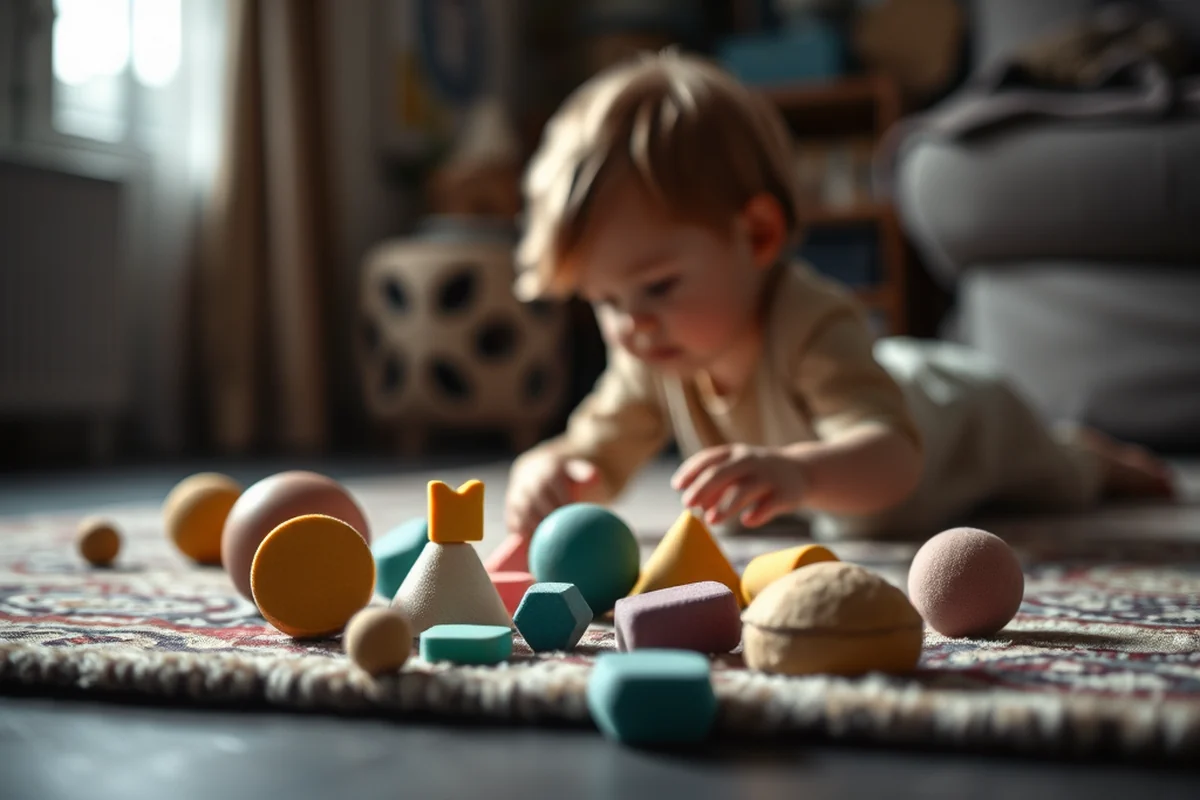
When my son was learning how to share, I didn’t need to sit him down for a lecture. Instead, I watched him negotiate with his sister over a toy, and I saw the moment he finally handed it over with a smile. That was live play in action — a natural, real-world lesson in empathy and cooperation.
Live play allows children to practice communication, problem-solving, and emotional regulation in a safe and supportive environment. It’s where they learn to express their needs, understand others, and handle the complexities of social interaction.
I’ve also noticed how live play helps build resilience. When a tower of blocks falls down, my daughter doesn’t get upset — she just rebuilds it. That kind of perseverance is learned through the mess of live play, not through structured activities.
Live play is where learning happens without a teacher.
Related: What is play kitchen
How to Start Live Play at Home
I started with just a few items: cardboard boxes, blankets, and a few blocks. It didn’t take long for my daughter to transform the living room into a spaceship, a jungle, and even a bakery. The key was to provide materials that could be used in multiple ways and to let her take the lead.
I’ve found that the best live play sessions happen when I step back and let the child take control. That doesn’t mean I’m not involved — I’m just there, ready to join in when the moment feels right. It’s about being present and responsive, not directing or controlling the play.
What I’ve learned is that the most effective live play doesn’t require a lot of resources. It’s about the child’s imagination, the parent’s presence, and the freedom to explore without limits or expectations.
I never buy a new toy for live play — I use what’s already in the house. That means old cardboard boxes, paper rolls, and even old clothes can become part of the play. It’s not only cost-effective, but it also teaches kids to be creative with what they have.
“I still remember the day my daughter’s eyes lit up as she watched her brother navigate a cardboard box turned into a spaceship.”— Playschooled editors
Related: What s a playmaker
The Role of the Parent in Live Play
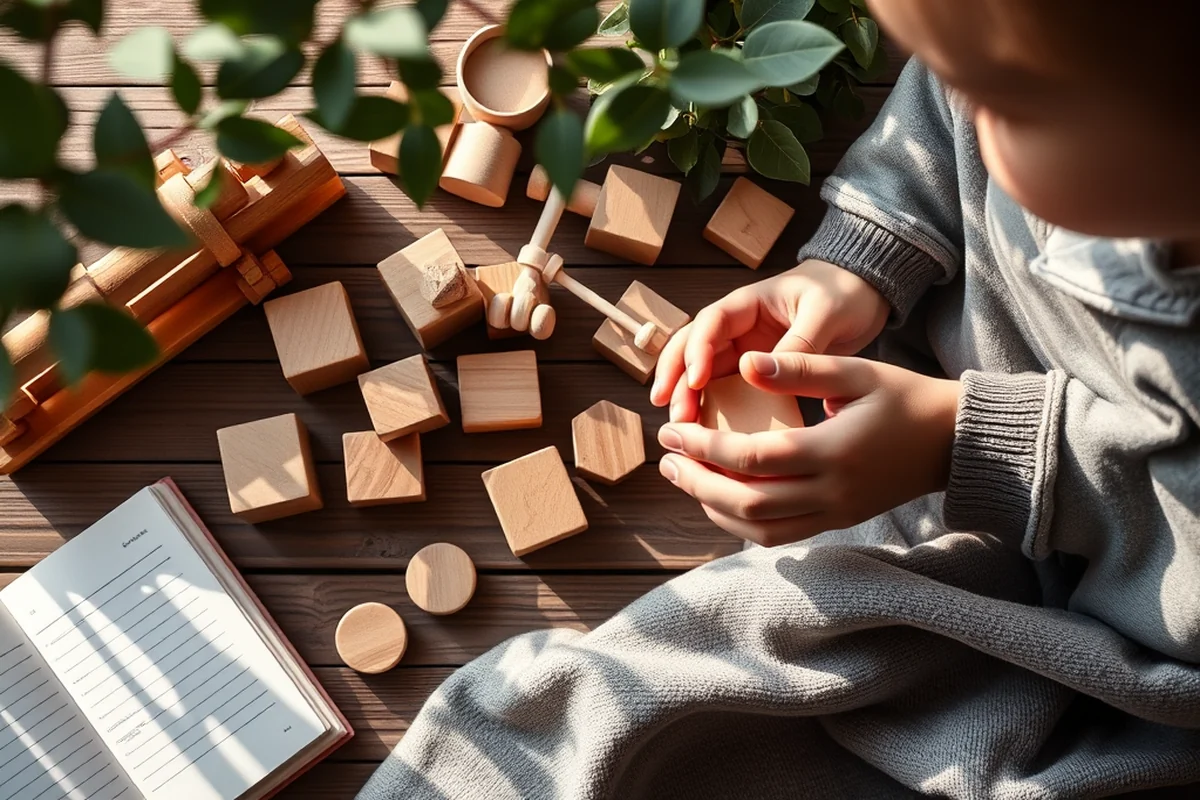
As a parent, I’ve learned that my job during live play is not to control the experience but to be a supportive presence. That means watching from a distance, offering encouragement, and stepping in only when needed. It’s about being available, not being in charge.
When my daughter was pretending to be a doctor, I didn’t tell her how to use the ‘stethoscope’ — I let her figure it out. Sometimes, that meant watching as she pressed it against a toy and ‘diagnosed’ her stuffed animal with imaginary illness. It was messy, but it was also full of learning.
What I’ve come to realize is that the best live play is the kind where the parent is present but not in control. It’s about creating a safe space for the child to explore, create, and grow at their own pace.
Related: What is learning games
Live Play and Emotional Regulation
When my daughter was upset and threw a toy, I didn’t yell or scold her. Instead, I sat with her and helped her name her feelings — ‘You’re feeling frustrated, aren’t you?’ That moment of recognition helped her calm down and move on. It was live play at work, teaching her how to manage her emotions.
I’ve noticed that live play gives children a safe space to explore their feelings without fear of judgment. Whether it’s frustration, excitement, or sadness, they can express it in the moment and learn how to regulate it through play.
What I’ve learned is that live play is a powerful tool for emotional development. It’s where children learn to cope with big emotions, express themselves, and build resilience — all without the need for structured lessons or therapy.
Related: Legends of learning
The Benefits of Live Play Over Time
I’ve watched my daughter grow from a child who would sit for hours watching videos to one who now creates her own stories, plays with friends, and learns through hands-on exploration. Live play has been the foundation of that growth.
Over time, I’ve seen how live play helps children develop confidence, creativity, and problem-solving skills. It’s also helped them build stronger relationships with siblings, friends, and even adults.
What I’ve come to realize is that live play isn’t just about the moment — it’s about the lasting impact it has on a child’s life. It’s the kind of play that continues to shape them as they grow and learn.
Live play builds the kind of confidence that lasts a lifetime.
Related: What is the best play
Live Play and Learning Through Imagination
When my son turned his bedroom into a spaceship and asked me to be the captain, I knew that imagination was at work. He was learning about space, leadership, and even basic physics — all through play.
I’ve seen how live play allows children to explore complex ideas in a way that’s natural and engaging. Whether they’re pretending to be a chef, a scientist, or a firefighter, they’re learning through imagination.
What I’ve learned is that the most effective learning happens when a child is in the driver’s seat. Live play gives them the freedom to explore, create, and learn in a way that’s meaningful to them.
👶 Gentle Live Play
Ideal for younger children who need more guidance and a slower pace. Focus on simple, non-competitive play and building trust through participation.
🏃 Fast-Track Live Play
Suitable for older children who are ready for more dynamic, fast-paced play. Encourage teamwork, speed, and creative problem-solving.
🧳 Travel/Away-from-Home Live Play
Perfect for trips or days out of the house. Use available materials like hotel towels, paper rolls, or even luggage to create play spaces on the go.
👯 Multiples Live Play
Great for siblings or groups of children. Encourage collaboration, shared goals, and social learning through joint play experiences.
🔄 Regression Reset Live Play
Designed for children who need a break from structured learning or are going through a phase of emotional difficulty. Use play as a tool to reset and reconnect.
| The mistake | Why it happens | The fix |
|---|---|---|
| Trying to control the play too much | When a parent controls the play, it can stifle a child’s creativity and autonomy. The child may become passive or disengaged if they feel their ideas aren’t valued. | Step back and let the child take the lead. Be a supportive presence, but avoid directing or controlling the play. |
| Not being present during live play | If a parent is distracted or not fully present, the child may feel ignored or unimportant. Live play is about connection and engagement, not just about the activity itself. | Turn off distractions and be fully present during live play. Show interest in what the child is doing and respond to their ideas. |
| Using only one type of material | If a parent limits the materials available, it can restrict the child’s creativity and limit the possibilities for play. Live play thrives on open-ended materials that can be used in multiple ways. | Provide a variety of open-ended materials that can be used in different ways. This encourages imagination and exploration. |
| Not allowing the child to explore and make mistakes | If a parent is too quick to correct or intervene, it can prevent the child from learning through their own experiences. Live play is about learning through trial and error. | Let the child explore and make mistakes. Encourage them to try again and find solutions on their own. |
| Overlooking the emotional aspect of live play | If a parent focuses only on the physical aspects of play and ignores the emotional component, they may miss opportunities for emotional growth and learning. | Pay attention to the child’s emotions during play. Help them name and express their feelings, and be a supportive presence when they are upset. |
What Is Live Play
Common Questions
What is live play and how is it different from other types of play?
How can I start live play with my child?
What are the benefits of live play for a child’s development?
How can parents support live play without taking over?
Cite this guide
Playschooled (2026). What Is Live Play and How Does It Work. https://playschooled.com/what-is-live-play/
Feel free to cite or share this guide.