
Simple Play-Based Learning Phases for Early Childhood

📖 Table of Contents
When my daughter turned two, I found myself overwhelmed by the sheer amount of educational toys and structured activities available. I had read about play-based learning, but I didn't know where to start. One day, I watched her stack blocks and count them out loud, and I realized that the learning was happening naturally through play. It was simple, unstructured, and effective — and that's when I began to understand the power of simple play-based learning phases.
I started experimenting with different ways to incorporate learning into our daily routines. I discovered that the most impactful moments were the ones that didn't feel like lessons at all. Whether she was sorting laundry, pretending to cook, or drawing with crayons, she was learning and developing skills. These moments weren't planned, and they didn't require any special materials — they just happened.
Over time, I noticed a pattern in the way she played and learned. There were distinct phases that seemed to align with her developmental stages. I began to track these phases and realized that each one brought its own unique opportunities for learning and growth. These insights became the foundation of my approach to simple play-based learning, and I'm excited to share them with you.
Why You'll Love This Approach to Play-Based Learning
- It fosters natural curiosity and intrinsic motivation to learn
- Requires minimal preparation and no special materials
- Can be easily integrated into daily routines
- Supports emotional, social, and cognitive development simultaneously
The Emergent Phase: 0-12 Months
As of November 2026, from birth to 12 months, your baby is developing rapidly through sensory experiences. They learn by touching, tasting, listening, and observing. Simple interactions like singing lullabies, reading board books, or playing with soft toys help build neural connections.[1]
I remember when my daughter first reached for a toy and grasped it. It was a huge milestone, and it happened during a simple play session with a colorful rattle. These early phases are all about building trust and comfort in the world around them.
During this phase, you can support learning by creating a safe, stimulating environment. Use sensory materials like soft blankets, textured blocks, and high-contrast toys to encourage exploration and discovery.
Design a corner with soft mats, hanging mobiles, and soft toys to encourage tummy time and movement. This space should be safe, inviting, and filled with opportunities for sensory exploration.
Part of our Play based learning troubleshooting phases guide.
The Exploratory Phase: 12-24 Months
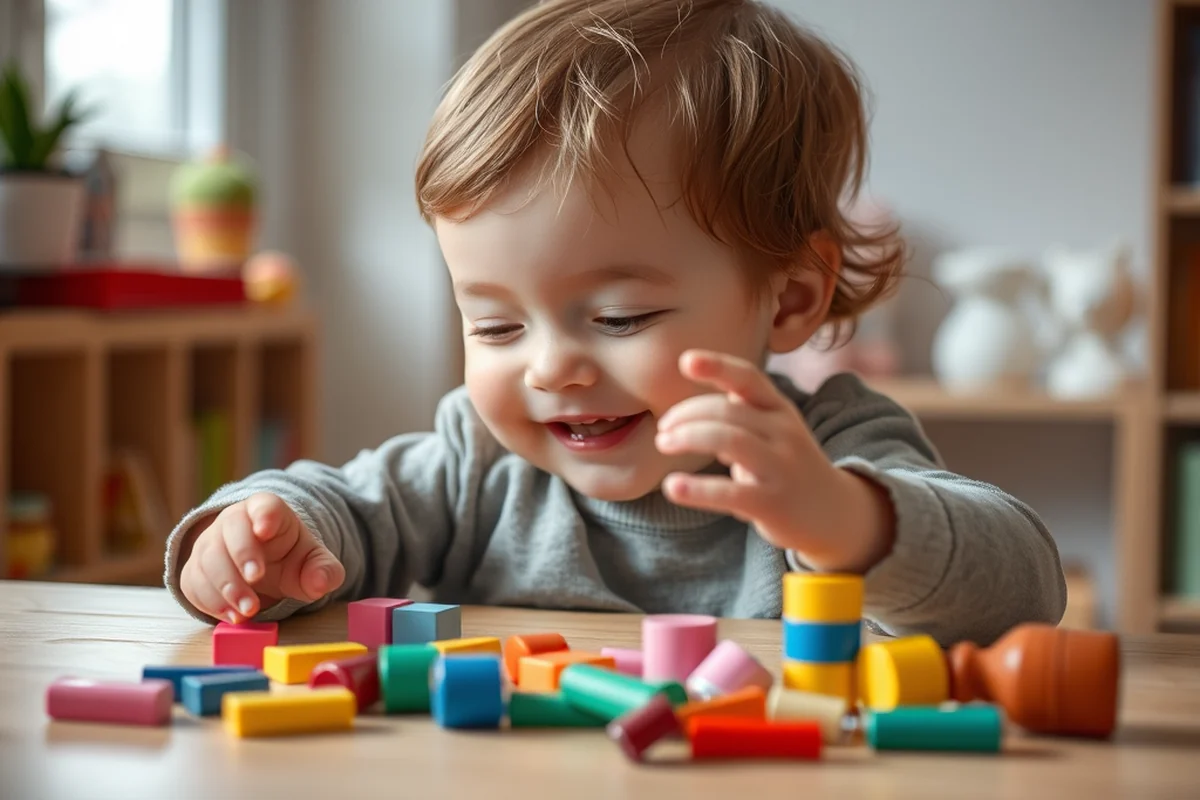
Between 12 and 24 months, babies become more mobile and curious. They begin to explore their environment with purpose, mimicking the actions of adults and engaging in simple pretend play. This phase is all about learning through movement and imitation.[2]
During this time, I noticed that my daughter would repeat actions she saw me do, like turning a page in a book or stacking blocks. These moments were rich with learning, and I didn’t need to plan them — they just happened naturally.
You can support this phase by providing safe, open-ended materials like wooden blocks, stacking cups, and simple puzzles. Let your child explore freely and engage with them as they discover new things.
Exploration is the best teacher for the toddler age.
Related: Play based learning troubleshooting guide
The Pretend Phase: 2-3 Years
Between the ages of 2 and 3, children begin to engage in pretend play, which is a crucial phase for developing language, social skills, and creativity. They start to understand symbols, use pretend objects, and take on roles like doctor, cook, or teacher.
I remember watching my daughter play with a wooden spoon and pretend to cook. She wasn’t just playing — she was practicing language, problem-solving, and social interaction. These pretend scenarios are rich with learning opportunities.
Support this phase by providing open-ended toys like dress-up clothes, kitchen sets, and building blocks. Let your child lead the play and encourage them to create their own stories and scenarios.
Set up a small 'play kitchen' or 'doctor's office' with simple props like bowls, spoons, and bandages. This encourages imaginative play and helps develop language and social skills.
“When my daughter turned two, I found myself overwhelmed by the sheer amount of educational toys and structured activities available.”— Playschooled editors
Related: Quick play based learning troubleshooting
The Collaborative Phase: 3-5 Years
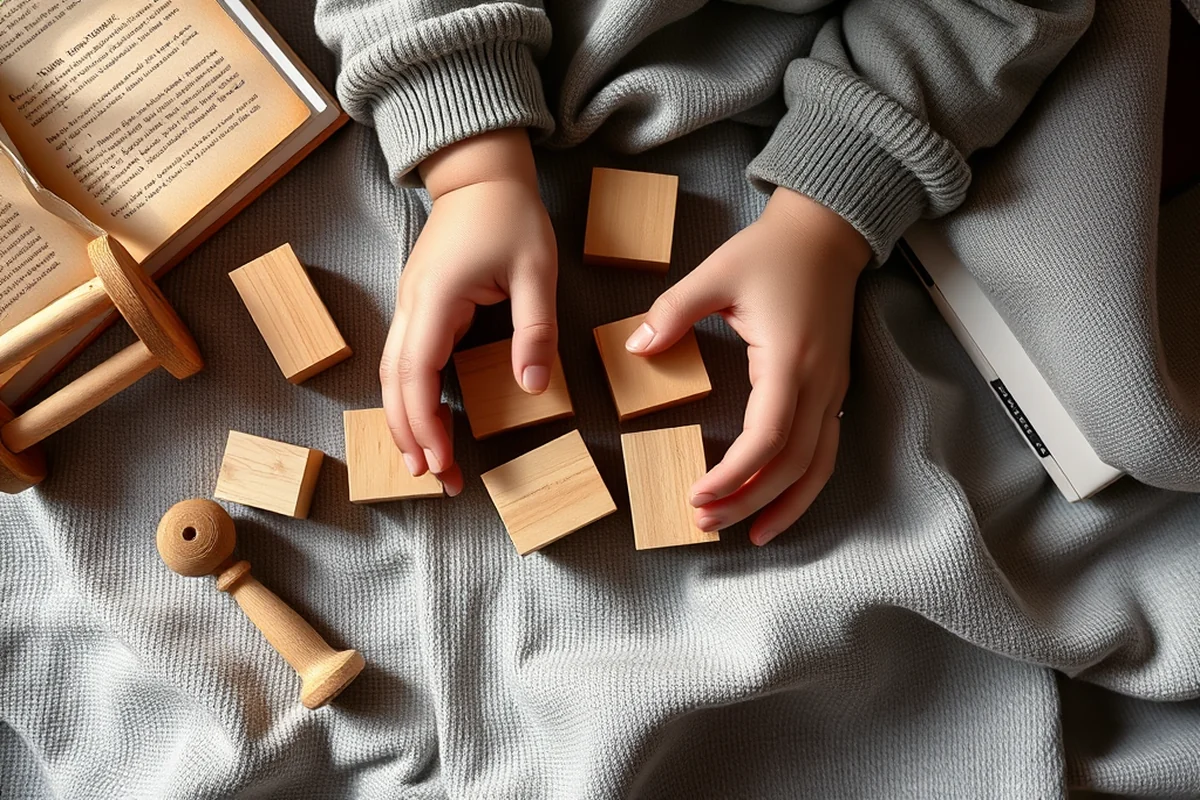
From 3 to 5 years, children begin to engage in more complex social interactions. They learn to share, take turns, and resolve conflicts through play. This phase is crucial for developing emotional intelligence and social skills.
I noticed that when my daughter played with her cousins, she was learning how to negotiate, share toys, and express her feelings. These interactions helped her develop empathy and emotional regulation.
Support this phase by encouraging group play and providing opportunities for collaboration. Set up playdates, join playgroups, or create a play area where multiple children can interact and learn together.
Related: Easy play based learning troubleshooting phases
The Reflective Phase: 5+ Years
As children grow older, they become more reflective in their play. They begin to think about their actions, set goals, and engage in more complex, imaginative scenarios. This phase is all about deepening their thinking and self-awareness.
I noticed that by the time my daughter turned 5, she was creating elaborate stories with her dolls and using them to explore different perspectives. These moments helped her develop critical thinking and emotional intelligence.
Support this phase by encouraging open-ended, complex play. Provide materials that allow for creativity and problem-solving, and let your child take the lead in their play and learning.
🧸 Gentle Approach
This method focuses on low-pressure, child-led play. Ideal for sensitive or shy children who learn best through observation and gradual engagement.
⚡ Fast-Track Approach
For parents who want to integrate learning quickly into their routines, this approach emphasizes structured play sessions with clear learning goals and time limits.
🌍 Travel/Outdoor Approach
This method is perfect for families on the go. It uses nature, parks, and outdoor spaces to create learning opportunities through exploration and movement.
👯♀️ Multiples Approach
Designed for parents of twins or multiples, this approach focuses on shared play, group activities, and sibling interaction as a learning tool.
🔄 Regression Reset Approach
This approach is ideal for children going through developmental plateaus. It uses play-based learning to help them regain confidence and re-engage with new skills.
| The mistake | Why it happens | The fix |
|---|---|---|
| Trying to force learning into play | Forcing learning can make play feel like a chore and reduce a child's natural curiosity and engagement. | Let your child lead the play and learn naturally. Use play to support their interests and passions. |
| Using too many structured activities | Too many structured activities can overwhelm a child and reduce their ability to explore and discover on their own. | Balance structured and unstructured play. Use structured activities sparingly and let your child explore freely most of the time. |
| Not adapting to your child's developmental stage | Each phase of play-based learning is unique and requires different support and engagement strategies. | Learn about your child's developmental stage and tailor your approach to their needs and interests. |
| Overlooking the power of observation | Observing your child's play is one of the most powerful ways to support their learning and development. | Spend time observing your child's play and use what you see to guide your interactions and support their learning. |
Related: Quick play based learning troubleshooting phases
Simple Play-based Learning Phases
Related: Simple play based learning troubleshooting phases
The Impact of Parental Involvement in Play-based Learning
When I began to actively participate in my child’s play, I saw a dramatic shift in how he approached learning. Instead of just playing with toys, he started asking questions, making connections, and expressing his thoughts more clearly. I realized that my presence during playtime was not just a distraction—it was a catalyst for deeper learning. Simple actions like joining in a game, asking open-ended questions, or modeling how to solve a problem had a huge impact on his cognitive development.
I’ve learned that it's not always about playing with the child but about being present and engaged. For instance, during a pretend grocery store game, I didn’t just let him play by himself. I asked him what he was buying, how much the items cost, and even helped him count the money. These moments weren’t just about learning numbers—they were about communication, logic, and creativity. I’ve also noticed that he becomes more confident and expressive when I’m involved.
The more I’ve been involved in his play, the more I’ve seen how it supports his emotional growth as well. When he’s upset or frustrated, I don’t just comfort him—I try to help him solve the problem. This has taught him that emotions are valid, but they can be managed. My presence in his play has created a safe environment for him to explore, fail, and grow. I now see play as the most powerful tool for learning, and I'm grateful I've learned how to use it well.
The Role of Nature in Play-based Learning
I’ve noticed that when my child spends time outdoors, their focus and engagement during learning activities increase significantly. Nature provides a dynamic, ever-changing environment that stimulates all five senses simultaneously. For example, collecting leaves, feeling the texture of bark, or listening to birds creates a rich sensory experience that supports early cognitive development. This kind of unstructured play fosters a deep connection with the world around them and lays the foundation for scientific inquiry and observation skills.
During our family walks, I often set small, nature-based challenges, like finding three things that are round or identifying different types of clouds. These activities encourage problem-solving, pattern recognition, and language development. My child has started using more descriptive language, such as 'shiny,' 'rough,' and 'wobbly,' which reflects the power of real-world interactions. These moments are not only educational but also a source of joy and wonder for both of us.
I’ve also found that playing with natural materials like sticks, stones, and pinecones promotes creativity and spatial reasoning. My child builds forts, creates art, and even practices counting and sorting without any formal instruction. The lack of screens and artificial structures allows for imaginative, open-ended exploration that supports emotional and cognitive growth. By making nature a regular part of our playtime, we’re not only nurturing a love for learning but also fostering a lifelong appreciation for the environment.
Common Questions
How do I know if my child is in the right play-based learning phase?
Do I need to buy any special toys or materials?
What if my child isn't interested in playing with me?
How long should each play session last?
References
Cite this guide
Playschooled (2026). Simple Play-Based Learning Phases for Early Childhood. https://playschooled.com/simple-play-based-learning-phases/
Feel free to cite or share this guide.