
What Is Role Playing and How Is It Used

📖 Table of Contents
- What Is Role Playing and Why Does It Matter?
- How Role Playing Builds Social Skills
- The Cognitive Benefits of Role Playing
- Emotional Regulation Through Role Play
- Role Playing and Language Development
- How to Encourage Role Playing at Home
- The Long-Term Impact of Role Playing
- Make It Your Way
- Frequently Asked Questions
When my daughter turned three, I watched her transform from a shy toddler into a confident little leader through simple role play. She'd pick up a spoon and pretend to cook a meal for her stuffed animals, or don a dress and play doctor with her brother. I didn't realize at the time that I was witnessing the power of role playing — a tool that would shape her social skills, creativity, and even her ability to solve problems. What is role playing, you might wonder? It's not just kids pretending to be something else; it's a deeply educational and developmental practice that parents can use to nurture their children in ways that are both fun and purposeful.
What is role playing? It's an activity where children (and even adults) take on different roles and act out scenarios, often using props, costumes, or simply their imagination. This form of play is more than just a way to pass the time — it's a powerful tool that helps kids learn empathy, practice language skills, and explore the world around them. I've seen it work wonders in my own home, where my child would mimic her teacher or pretend to be a firefighter during a game, all while learning about responsibility and teamwork. Role playing can be as simple as a family member pretending to be a chef or as complex as a full-scale dress-up day with costumes and scripts.
The beauty of role playing is that it's accessible, adaptable, and deeply engaging. You don't need expensive toys or elaborate setups — a cardboard box can become a spaceship, and a piece of fabric can turn into a superhero cape. What is role playing? It's about creating a space where children can explore, make mistakes, and learn through experience. Over time, I've noticed how role playing has helped my child build confidence, express her emotions, and even navigate social situations with more ease. It's an art form that parents can use to foster growth, curiosity, and creativity in their children — all while having a great time together.
Why You'll Love This Approach
- Fosters empathy and social skills through imaginative scenarios
- Encourages language development and storytelling
- Helps children process emotions and navigate complex situations
- Boosts creativity and problem-solving abilities
What Is Role Playing and Why Does It Matter?
As of November 2026, What is role playing? It's a type of play where children step into different roles and act out scenarios, often using their imagination and available props. This kind of play is crucial for development because it allows kids to explore the world from different perspectives. I remember the first time my daughter pretended to be a teacher — she would stand at the front of the room, point at her stuffed animals, and give them quizzes. It was a small moment, but I saw how she was learning to take on responsibility and think about how others might feel.
Role playing helps children develop a wide range of skills, from language and social interaction to problem-solving and emotional regulation. When my son wanted to be a firefighter, he'd run around the house with a towel as a helmet, shouting commands at his imaginary team. It wasn't just play — it was a way for him to understand what firefighters do and how they work together. This kind of play is deeply engaging and can be tailored to fit a child's interests and developmental stage.
I've found that role playing can be especially helpful when children are dealing with complex emotions or changes in their lives. For example, when we moved to a new house, my daughter acted out being a real estate agent, helping her stuffed animals find their new 'homes.' It was a way for her to process the change and feel in control of something. Role playing is more than just fun — it's a powerful tool for learning and growth.
Let your child choose their favorite role or scenario — whether it's a doctor, a chef, or even a superhero. This increases engagement and makes the experience more meaningful.
Part of our Play based learning by age stage guide.
How Role Playing Builds Social Skills
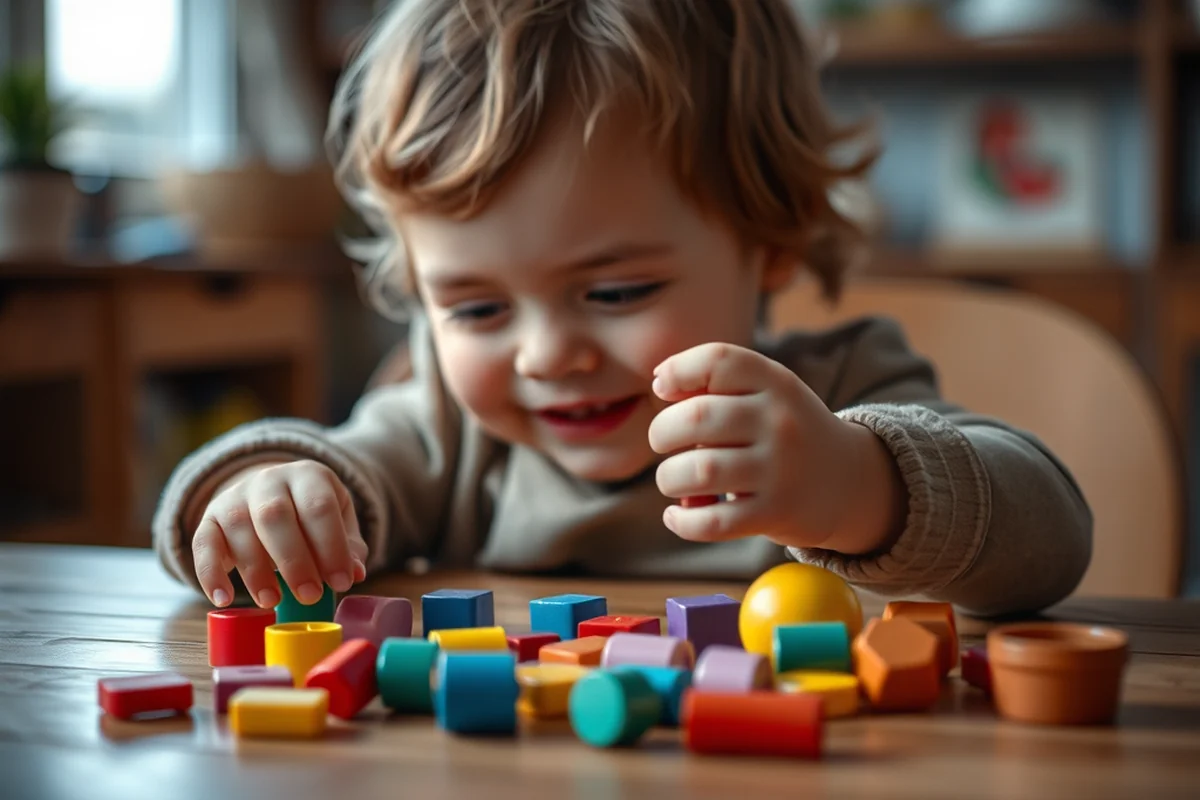
One of the most remarkable benefits of role playing is how it helps children develop strong social skills. When my daughter and her brother play house, they negotiate who will be the parent and who will be the child. They share toys, take turns, and even resolve conflicts through pretend scenarios. It's like a mini classroom for social learning, where they're practicing communication and cooperation.
During these games, I've noticed how my daughter has become more attuned to her brother's feelings. If he's upset, she'll say things like, 'Are you okay? I can be your doctor if you're not feeling well.' This kind of empathy is not only heartwarming but also a crucial part of social development. Role playing gives children the chance to explore different relationships and learn how to express themselves clearly.
I've also seen how role playing can help children navigate difficult social situations. When my son was dealing with a new friend who was shy, we played a game where he had to be the friend's parent and help him come out of his shell. It was a gentle way for him to understand how to support others and build connections.
Role playing is a child's first classroom for learning how to be a friend.
Related: Play based learning by age stage examples
The Cognitive Benefits of Role Playing
Beyond social skills, role playing also has a profound impact on cognitive development. When my daughter wanted to be a chef, she had to figure out how to 'cook' a meal using only the items in our kitchen. She had to plan the steps, organize her ingredients, and even measure things out with her hands. It was a fun way for her to learn about sequencing and planning.
I've noticed that role playing often involves a lot of problem-solving. For example, when my son played firefighter, he had to think of ways to 'rescue' his toy pets from a pretend fire. He used a towel to make a 'fire blanket' and a bucket to 'put out the fire.' These kinds of activities help children develop critical thinking skills and learn how to approach challenges creatively.
Another cognitive benefit of role playing is that it helps children think about cause and effect. When my daughter pretended to be a doctor, she learned that if a patient was sick, she had to give them medicine. It was a simple concept, but it helped her understand how actions can lead to outcomes. Role playing is like a mental workout for young minds.
Ask your child questions like, 'What should the doctor do if the patient is sad?' or 'How can the firefighter save the cat?' This encourages them to think critically and creatively.
“When my daughter turned three, I watched her transform from a shy toddler into a confident little leader through simple role play.”— Playschooled editors
Related: Simple play based learning by age stage
Emotional Regulation Through Role Play
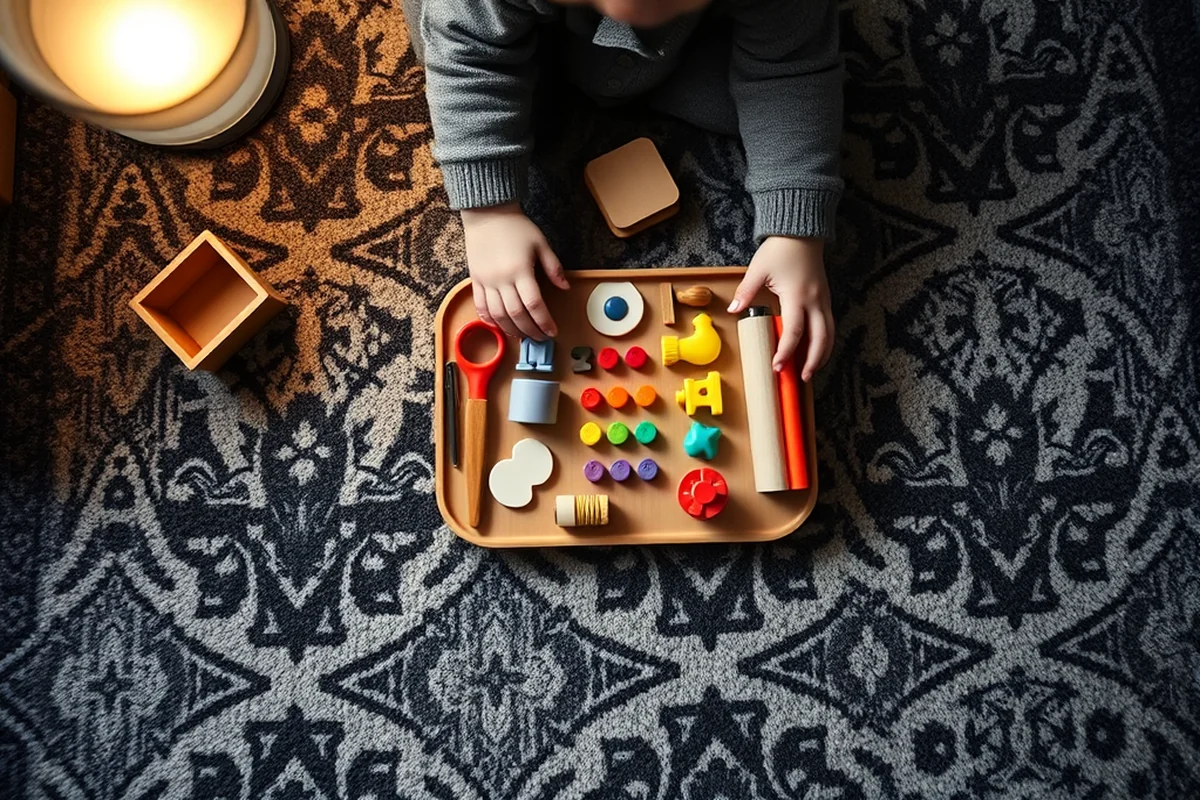
One of the most unexpected benefits of role playing is how it helps children regulate their emotions. When my daughter was feeling overwhelmed at school, she would play teacher and pretend to be the student who was upset. She'd say things like, 'I don't want to do this anymore,' and I'd help her figure out how to calm down. It was a safe way for her to explore her feelings and practice coping strategies.
Role playing gives children a way to express emotions they might not know how to articulate. For example, when my son was scared of thunderstorms, we played a game where he was the storm and I was the person trying to stay calm. He learned how to use deep breathing and positive thinking to feel safer. These are important skills that can carry over into real life.
I've also noticed that role playing can help children learn how to handle difficult emotions without reacting impulsively. When my daughter was frustrated during a game, she would pretend to be the referee and say things like, 'You need to take a time-out and cool down.' It was a way for her to practice self-regulation in a fun and engaging way.
Related: Play based learning stage for small spaces
Role Playing and Language Development
Another key benefit of role playing is its impact on language development. When my daughter plays doctor, she uses words like 'check-up,' 'medicine,' and 'fever.' These are words she might not use in everyday conversation, but they become part of her vocabulary through play. It's like an interactive language lesson that happens naturally.
I've also noticed how role playing helps children learn to tell stories. When my son plays firefighter, he often creates a narrative about saving a building or rescuing a pet. He uses past and future tenses, describes actions, and even adds dialogue. It's a way for him to practice storytelling and build complex sentences.
In addition to vocabulary and storytelling, role playing also helps children practice listening and responding. When they play with others, they have to pay attention to what their partner is saying and respond accordingly. It's a natural way to build communication skills and learn how to engage in conversations.
Related: How to play based learning stage
How to Encourage Role Playing at Home
If you're wondering how to encourage role playing in your home, start by creating a space that's inviting and open-ended. I have a small corner of our living room that's filled with costumes, props, and toys that can be used for different scenarios. My child knows she can go there anytime and pretend to be anyone or anything she wants.
Another way to encourage role playing is to model it yourself. I often play along with my child, pretending to be a teacher, a chef, or even a superhero. It shows her that role playing is fun and that it's okay to be imaginative. When we play together, we're not just having fun — we're creating opportunities for learning and connection.
I've found that the best way to encourage role playing is to let your child take the lead. If she wants to be a doctor, follow her lead and play along. It's not about directing the game — it's about supporting her creativity and letting her explore her interests. This kind of freedom is what makes role playing so powerful.
Let your child be the director — they know what they want to play.
Related: Play based learning stage step by step
The Long-Term Impact of Role Playing
The impact of role playing doesn't stop when children grow up — it continues to shape their development throughout life. I've seen how my daughter's early experiences with role playing have influenced her ability to think critically, express herself, and understand others. It's like a skill set that builds over time and carries over into school, work, and personal relationships.
One of the most lasting effects of role playing is how it fosters creativity and imagination. When my son was younger, he had a vivid imagination — he'd create entire worlds and stories with his toys. Now, as a teenager, he still enjoys writing and acting out his own stories. It's a testament to how role playing can nurture a lifelong love of creativity.
I've also noticed that role playing helps children develop emotional intelligence that lasts well into adulthood. My daughter has a deep understanding of how people feel and what they need. She's more empathetic, more patient, and more willing to listen — all skills that were nurtured through her early years of imaginative play.
🧸 Gentle Role Playing
A relaxed approach where your child takes the lead and you follow their interests without much direction.
⚡ Fast-Track Role Playing
A quick and structured way to incorporate role playing into your daily routine, such as a 10-minute game after dinner.
🧳 Travel/away-from-home Role Playing
Using everyday items to create scenarios when you're on the go, like pretending to be a pilot with a plastic cup as a helmet.
👨👩👧👦 Multiples Role Playing
Encouraging siblings or groups of children to play together, building teamwork and shared creativity.
🔄 Regression Reset Role Playing
A way to revisit past roles and scenarios, helping your child reprocess experiences or revisit old interests.
| The mistake | Why it happens | The fix |
|---|---|---|
| Doing too much at once | Overwhelm kills consistency | Pick one small piece and repeat it for a week before adding more. |
| Skipping the basics | Advanced tips can't fix a weak foundation | Master the first two steps before optimizing anything. |
What Is Role Playing
Common Questions
How can I get my child interested in role playing?
Is role playing only for young children?
What if my child doesn't like to play pretend?
How long should I spend role playing with my child each day?
Cite this guide
Playschooled (2026). What Is Role Playing and How Is It Used. https://playschooled.com/what-is-role-playing/
Feel free to cite or share this guide.