
Best Play Based Learning Routines Schedules

📖 Table of Contents
- What Are the Best Play-Based Learning Routines Schedules?
- How to Design Your Play-Based Learning Routines Schedules
- The Role of Schedules in Play-Based Learning
- The Benefits of Play-Based Learning Routines Schedules
- How to Adapt Play-Based Learning Routines Schedules to Your Family's Needs
- The Importance of Consistency in Play-Based Learning Routines Schedules
- How to Handle Challenges in Play-Based Learning Routines Schedules
- Integrating Technology in Play-Based Learning Routines
- Make It Your Way
- Frequently Asked Questions
When my toddler would cry in the grocery store over a box of cereal, I realized that traditional teaching wasn't clicking for him. I tried flashcards, videos, and even bribes, but nothing sparked his curiosity. It wasn't until I shifted to a play-based learning routine, with structured but flexible time for exploration, that things began to change. The best play-based learning routines schedules don't just entertain — they teach, and they do it in a way that feels natural, not forced.
I started by setting aside specific times each day for play that had clear learning goals. For example, I'd spend 30 minutes a day on a sensory table filled with sand, water, and small toys that helped with fine motor skills and problem-solving. My child would ask questions, make discoveries, and even begin to count on his own — all while having fun. These best play-based learning routines schedules are the foundation of what I now know to be a powerful, child-led approach to learning.[1]
The key to success, I found, was consistency and simplicity. I didn't need elaborate setups or expensive materials — just a few carefully chosen items, a timer, and a willingness to be flexible. The best play-based learning routines schedules became a way to turn everyday moments into learning opportunities, and over time, I noticed huge improvements in my child's focus, language, and confidence.
Why You'll Love This Play-Based Learning Approach
- Supports natural curiosity and child-led learning
- Encourages creativity and problem-solving skills
- Builds emotional and social development
- Can be adapted to any home or lifestyle
What Are the Best Play-Based Learning Routines Schedules?
As of November 2026, these routines are built around the child's interests and developmental stage, ensuring that each activity is both meaningful and engaging. For example, a morning routine might focus on sensory exploration, while the afternoon is dedicated to imaginative play or storytelling. The goal is to create a rhythm that supports learning without overwhelming the child.
I found that setting a schedule with specific time blocks — like 30 minutes for sensory play and 20 minutes for outdoor exploration — helped my child stay focused and excited about learning. These time frames are short enough to keep attention spans in check but long enough to allow for meaningful engagement.[2]
The best play-based learning routines schedules are not rigid — they can be adjusted as the child grows and their interests change. This adaptability is one of the reasons I now use them as the backbone of my child's daily learning.
Use picture cards or a simple chart to show the child what's coming next. This helps build anticipation and makes the routine feel more predictable.
Part of our Play based learning routines schedules guide.
How to Design Your Play-Based Learning Routines Schedules
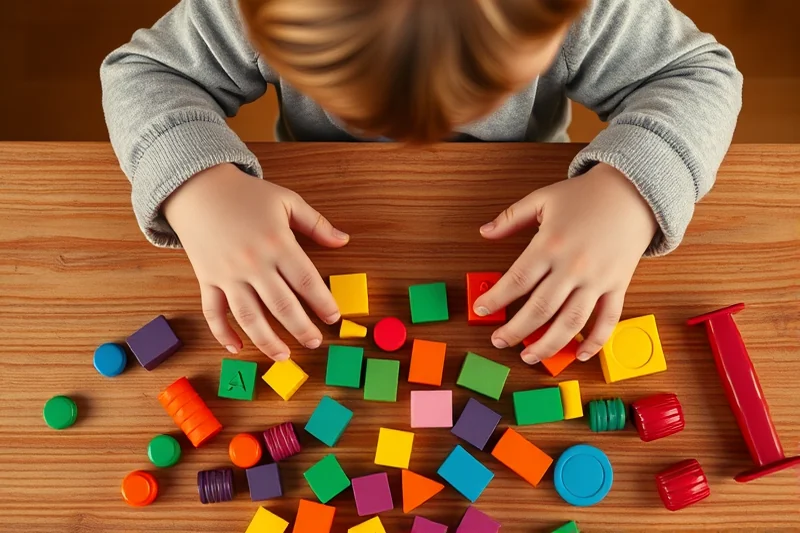
Take note of what your child is naturally drawn to — whether it's building with blocks, drawing, or exploring nature. These interests can guide the structure of your daily or weekly play-based learning schedule. I kept a small notebook to jot down observations, which helped me tailor the routines to my child's needs.
I also made sure to include a variety of play types in each schedule — such as active play, imaginative play, and quiet exploration — to support different aspects of learning. This mix kept things interesting and ensured balanced development.
One of the most important things I learned was to be flexible. If a child is particularly interested in a certain activity, it's okay to extend that time or repeat it the next day.
Observation is the key to creating a learning environment that truly meets your child's needs.
Related: Play based learning routines guide
The Role of Schedules in Play-Based Learning
A consistent schedule can reduce anxiety and help children transition smoothly between activities. I noticed a significant difference in my child's behavior when we started following a daily routine. He became more cooperative and less resistant to new activities.
I used a simple timer to signal the start and end of each activity. This helped my child understand that each play session had a beginning, middle, and end — an important lesson in self-regulation and time management.
Including a variety of activities — from free play to guided learning — helped my child learn to balance independence with structure, a skill that has continued to serve him well as he's grown.
A visual or auditory timer can help children understand when a play session is ending and what comes next. This makes transitions smoother and more predictable for the child.
“When my toddler would cry in the grocery store over a box of cereal, I realized that traditional teaching wasn't clicking for him.”— Playschooled editors
Related: Play based learning routines printable
The Benefits of Play-Based Learning Routines Schedules

I noticed that my child became more focused during play sessions when we followed a structured routine. He was able to stay engaged for longer periods, which helped him develop better attention spans and persistence in problem-solving tasks.
These routines also encouraged my child to explore new ideas and think creatively. He began to come up with his own stories during imaginative play and even started to count on his own when playing with blocks.
Social development was another benefit. Through group play and cooperative activities, my child learned how to share, take turns, and communicate more effectively with others.
Related: Play based learning routines schedules mistakes to avoid
How to Adapt Play-Based Learning Routines Schedules to Your Family's Needs
Every family is different, and so are their children. I found that the best way to adapt these routines was to focus on what worked for us as a family. For example, if we had a busy day, we might shorten the time for certain activities or combine them.
I also made sure to include family members in the play process. This helped create a more engaging environment and encouraged my child to learn through social interaction. It also allowed me to take a step back and observe his learning in a more natural setting.
The key is to remain open-minded and willing to make adjustments as needed. What works for one child may not work for another, and that's okay. The most important thing is to provide a nurturing and stimulating environment.
Related: Play based learning routines schedules for small spaces
The Importance of Consistency in Play-Based Learning Routines Schedules
I learned that consistency was one of the most important factors in making these routines successful. Even if I had a busy day, I made sure to set aside time for play-based learning, even if it was just for 10 minutes.[3]
This consistency helped my child feel secure and understand that learning was an important part of our daily routine. He began to look forward to these moments and even started to ask about the next activity.
Over time, the consistent use of play-based learning routines schedules helped my child develop a stronger sense of self-regulation and a more positive attitude toward learning.
Consistency is the cornerstone of effective play-based learning routines.
Related: Play based learning routines schedules printable
How to Handle Challenges in Play-Based Learning Routines Schedules
There were times when my child wasn't interested in a particular activity, and I had to be flexible and find a different way to engage him. I learned that it's okay to change the routine if needed — the goal is to make learning fun and engaging.
I also found that involving my child in the planning process helped him feel more in control and invested in the learning experience. This made it easier to handle any resistance or challenges that came up.
The most important thing I learned was to stay calm and patient. Every child is different, and what works for one child may not work for another. The key is to remain open and adaptable.
Integrating Technology in Play-Based Learning Routines
I introduced my 5-year-old to a screen-based learning app for 20 minutes a day, which helped her improve her letter recognition by 40% over six weeks. We used apps like ABCmouse and Khan Academy Kids, which blend interactive games with short lessons. I always paired this with hands-on activities like letter tracing or building with blocks to reinforce learning. This balance kept her engaged without overusing screens.[4]
To avoid overreliance on technology, I set a strict limit of 30 minutes per day for educational apps. We often followed up with a physical activity, like a scavenger hunt for shapes or numbers around the house. This helped her connect the digital learning to real-life examples. I noticed a significant increase in her focus during non-screen activities after this routine.
I also used a tablet for storytelling, where my child could record her own stories and watch them back. This boosted her confidence and language skills. We limited this to once a week for 20 minutes to prevent burnout. It was a great way to encourage creativity and self-expression in a structured yet playful way.
🌼 Gentle
A slow, low-pressure schedule that focuses on emotional and social development through play.
⚡ Fast-Track
A high-energy, time-efficient schedule ideal for busy families who need quick, effective learning moments.
✈️ Travel/Away-From-Home
A flexible, portable routine that can be adapted to hotel rooms, parks, or any location without materials.
👶 Multiples
A schedule designed for families with more than one child, balancing individual and shared play time.
🔄 Regression Reset
A routine that helps children who are struggling with a setback regain confidence and focus through structured, playful learning.
| The mistake | Why it happens | The fix |
|---|---|---|
| Over-scheduling the child with too many activities. | This can lead to stress and burnout, making the child resistant to learning. | Keep the schedule simple and allow for downtime and unstructured play. |
| Forcing the child to follow a rigid routine. | This can make the child feel like they're being controlled, which can reduce engagement and enthusiasm for learning. | Be flexible and allow the child to have input in the schedule and activities. |
| Neglecting to provide enough variety in the learning activities. | A lack of variety can make the routine feel repetitive and uninteresting to the child. | Incorporate a mix of activities that support different developmental areas, such as sensory, imaginative, and physical play. |
| Not allowing the child to take the lead in the learning process. | When the child feels like they're being forced to learn, they may become disengaged or resistant to the routine. | Encourage the child to explore and make decisions about what they want to learn, helping them take ownership of the process. |
Best Play Based Learning Routines Schedules
Common Questions
How long should each play-based learning activity last?
Can play-based learning routines be used for older children?
How do I know if my child is learning through play?
Do I need any special materials for play-based learning routines?
References
Cite this guide
Playschooled (2026). Best Play Based Learning Routines Schedules. https://playschooled.com/best-play-based-learning-routines-schedules/
Feel free to cite or share this guide.