
How To Play-based Learning Checklists

📖 Table of Contents
When I first tried to use play-based learning checklists with my 3-year-old, I was overwhelmed by the sheer number of options and unclear guidelines. It felt like trying to teach a toddler calculus with a crayon. I needed a system that was structured, yet flexible enough to keep her engaged. That’s when I realized play-based learning checklists aren’t just about what to do — they’re about how to do it, when to do it, and why it matters. The result? A smoother, more intentional journey for both of us.
My checklist started with simple, sensory activities — things like sorting buttons by color or tracing letters in sand — and slowly evolved into a framework that guided us through the day without feeling like a chore. I discovered that the real magic wasn’t just in the activities themselves, but in how they were spaced out and connected. Play-based learning checklists became a way to track progress, celebrate small wins, and stay on course without losing the joy of learning.
Now, I use these checklists daily, and they’ve transformed the way we interact with learning. They’ve helped my child develop problem-solving skills, boost confidence, and even improve her focus. But more than that, they’ve given me peace of mind, knowing that we’re not just playing — we’re learning, growing, and building a foundation that will last a lifetime.
Why You'll Love This Play-based Learning Approach
- Provides structure without stifling creativity
- Tracks progress in a fun, visual way
- Encourages independent learning and exploration
- Builds confidence through achievable, daily goals
What Are Play-based Learning Checklists?
As of November 2026, these checklists are not rigid plans, but rather flexible tools that help you stay on track while honoring your child’s interests and pace. I created mine with a simple list of activities, each paired with a time of day or a specific goal, like ‘sorting items by texture’ or ‘naming shapes’.
The key is to ensure that the activities are short — no more than 15 minutes — and that they’re designed to spark curiosity, not pressure. I found that using a visual checklist helped my child feel accomplished after each task, even if she only completed half of it.[1]
I’ve used checklists with everything from simple counting to more complex storytelling. Each time, I’ve noticed a shift in how my child approaches learning — it’s become more engaging and less stressful for both of us.
Use a whiteboard or colorful sticky notes to write activity names. Let your child add a sticker each time they complete a task — it’s a powerful visual motivator.
Part of our Play based learning printables checklists guide.
How to Build Your Own Checklist
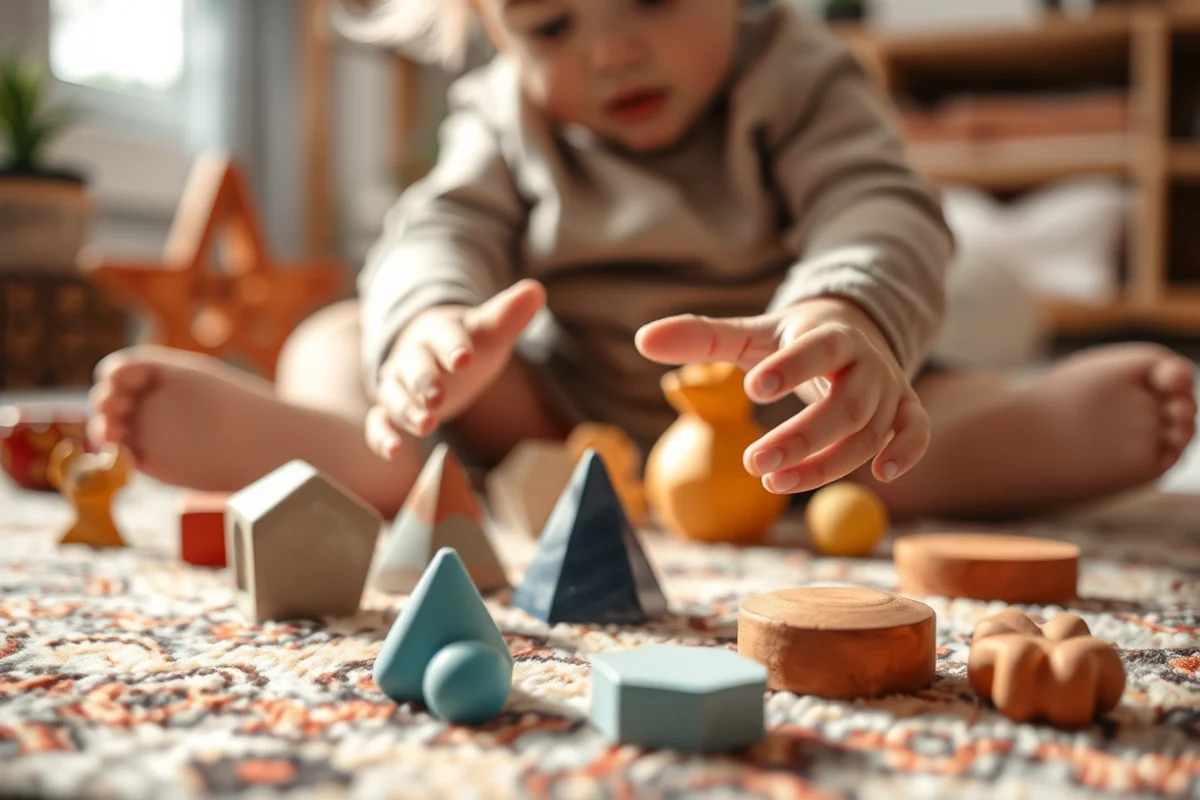
I built my first checklist around my daughter’s love of animals, and that’s where it all began. I listed activities like ‘drawing a bear’, ‘counting zoo animals’, and ‘making a habitat with blocks’. These were all things she loved doing, and that made the learning feel natural.
I also made sure the checklist was easy to update — I used a whiteboard because it allowed us to change activities as her interests evolved. This adaptability was key, especially as she moved from animal-themed learning to more abstract concepts like shapes and letters.
I found that keeping the checklist visible and accessible made a huge difference in how often we used it. It was always there, and that helped me stay consistent with our daily learning.
Let your child lead the way — the best learning happens when they’re excited about what they’re doing.
Related: Simple Play Based Learning Routines Schedules
Related: Play based learning printables checklists checklist
How to Use Checklists for Different Ages
At 18 months, I used a checklist with very simple, sensory-based activities — things like ‘touching a soft blanket’, ‘stacking blocks’, or ‘clapping hands’. These were short, repetitive, and focused on motor skills and exploration.[2]
By the time my child was 30 months old, I introduced more structured activities, like ‘matching colors’, ‘counting up to 10’, and ‘naming basic shapes’. The checklist became a way to track progress and set small goals.[3]
I found that the checklist evolved as my child grew, and I always made sure to adjust it based on her current interests and abilities. This made the learning process feel personal and meaningful.
Use a checklist that matches your child’s current developmental stage. If they’re into puzzles, focus on problem-solving activities. If they’re into music, include rhythm and sound-based learning.
“When I first tried to use play-based learning checklists with my 3-year-old, I was overwhelmed by the sheer number of options and unclear guidelines.”— Playschooled editors
Related: Play Based Learning Routines Schedules Step By Step
Related: Play based learning printables checklist
Why Play-Based Learning Works
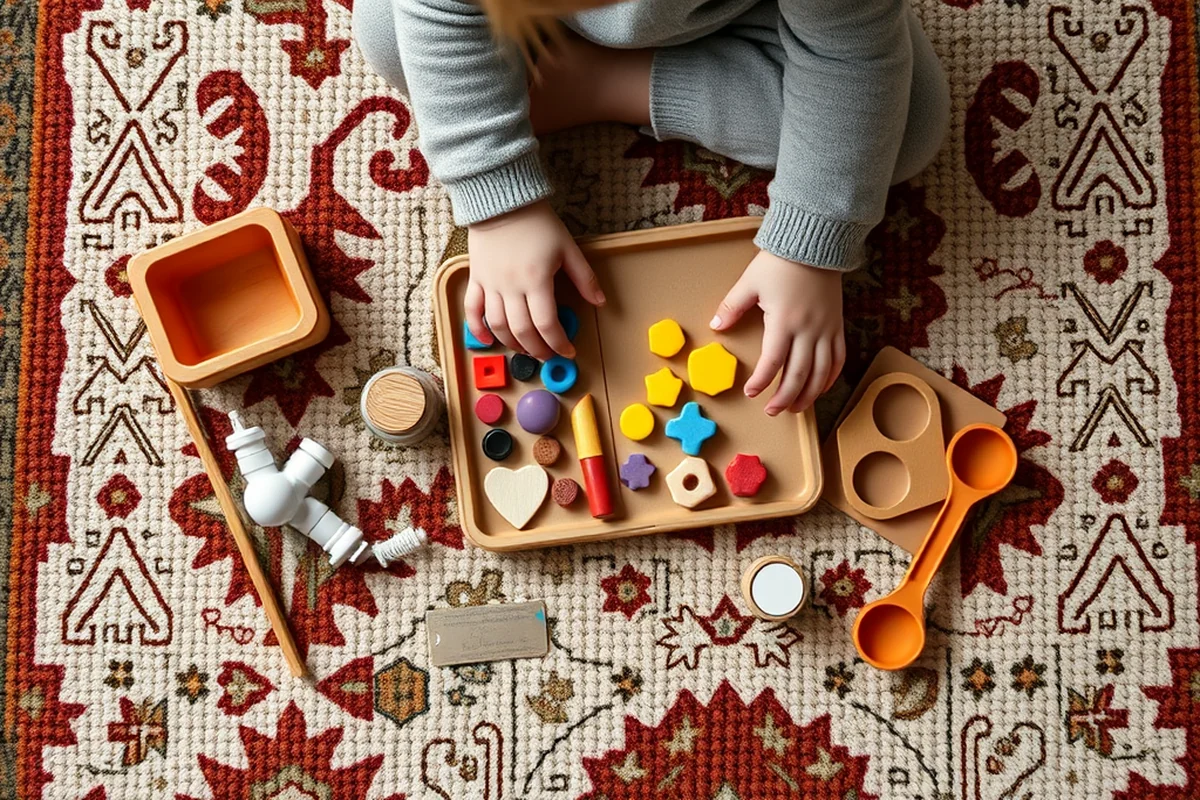
I noticed that when my child was learning through play, she was more engaged, asked more questions, and even tried to solve problems on her own. It was like watching a lightbulb go off — she wasn’t just playing; she was learning.
This kind of learning doesn’t feel forced, and that’s what makes it so powerful. I’ve seen her use the skills she learned from the checklist in other parts of her day — like counting snacks at mealtime or sorting laundry by color.
It’s not just about academic skills, either. Play-based learning helps with emotional development, social skills, and even self-regulation. It’s a holistic approach that I’ve come to really appreciate.
Related: Play Based Learning Routines Schedules Examples
Staying Consistent With Checklists
I started with a 3-day trial of using the checklist each day, and it was enough time to see if it worked for us. After that, we adjusted based on what we found — some days we used the checklist more, others less, but we always made time for play-based learning.
I found that consistency helped my child develop a sense of routine and expectation, which made the learning feel more natural. Even when we didn’t use the checklist every day, she still remembered the activities and would ask to do them again.
What I’ve learned is that consistency doesn’t mean rigidity. It’s about showing up, even if it’s just for a few minutes each day. That’s enough to make a difference.
🌱 Gentle Approach
Focus on low-pressure, sensory activities with minimal structure. Ideal for children who are easily overwhelmed or need more time to explore.
⚡ Fast-Track Method
Use a quick checklist with 3-5 activities per day. Perfect for parents who are short on time but still want to incorporate learning into daily routines.
✈️ Travel/On-the-Go
Create a checklist that can be used during car rides, waiting in line, or at parks. Great for families who are always on the move.
👥 Multiples Learning
Design a checklist that works for multiple children, ensuring that each child gets a tailored learning experience based on their developmental stage.
🔄 Regression Reset
Use a checklist to help children who are going through a developmental regression. Focus on rebuilding skills and restoring confidence through play.
| The mistake | Why it happens | The fix |
|---|---|---|
| Using the checklist as a rigid schedule. | Children thrive on flexibility, not strict timelines. A rigid checklist can become a source of stress for both parent and child. | Let the checklist be a guide, not a rule. Allow your child to choose activities and adjust the schedule as needed. |
| Ignoring the child’s interests. | If the checklist doesn’t align with your child’s natural curiosity, they may lose interest quickly. | Use the checklist as a tool to explore what your child is already passionate about. Tailor activities around their favorite things. |
| Trying to cover too many skills in one day. | Overloading the checklist with too many activities can lead to burnout and disinterest. | Start with a few simple activities and build from there. Quality over quantity is key. |
| Not celebrating progress. | Without recognition, children may not feel motivated to continue learning through play. | Celebrate every small win — even if it’s just a sticker on the checklist or a high-five. Positive reinforcement keeps the momentum going. |
How To Play-based Learning Checklists
How to Track Progress With Play-based Learning Checklists
I also used the checklist to document how my child interacted with others during play, which was an important part of her social development. For example, I noted when she shared toys, took turns, or resolved conflicts on her own. These observations helped me see how she was growing socially and emotionally, which was just as important as her academic progress.
I also found that tracking progress helped me stay consistent with our learning goals, even when life got busy. When I was overwhelmed with work or other responsibilities, the checklist reminded me of what we were working on and kept me focused on our long-term goals. This consistency made our learning journey more sustainable and effective.
Finally, tracking progress with checklists gave me a sense of control and confidence in my role as a parent. By seeing the impact of our play-based learning activities, I felt more empowered to make decisions that supported my child’s development. This confidence made the whole process more enjoyable and rewarding for both of us.
How to Adapt Checklists for Homeschooling and Hybrid Learning
Tailor play-based learning checklists to fit homeschooling or hybrid environments by incorporating structured goals and flexible routines that align with both academic and exploratory learning.
When adapting play-based learning checklists for homeschooling or hybrid learning, it's important to blend structured academic goals with open-ended play. For instance, I created a checklist that included both reading comprehension tasks and unstructured imaginative playtime, ensuring that my child was meeting educational benchmarks while still enjoying creative freedom. This balance helped maintain engagement without overwhelming my child with rigid schedules. I found that setting specific time blocks for each activity, like 30 minutes for math games and an hour for art-based exploration, made the routine both productive and enjoyable.
I also integrated technology into our hybrid learning approach by using apps that track progress through interactive games. This not only kept my child motivated but also allowed me to monitor their development in real time. I made sure to include a variety of activities that catered to different learning styles—visual, auditory, and kinesthetic—by alternating between puzzles, music-based activities, and hands-on science experiments. This variety kept the learning experience dynamic and prevented burnout.
To make these checklists work, I involved my child in the planning process. We reviewed the checklist together each morning, and they chose one or two activities they were most excited about. This gave them a sense of ownership over their learning and increased their participation. I also used a visual chart with stickers to mark completed tasks, which helped reinforce a sense of accomplishment and kept the momentum going throughout the day.
Common Questions
How long should each activity on the checklist be?
Can I use the same checklist for multiple children?
What if my child refuses to participate in the activities?
How often should I update the checklist?
References
- Developing an Observational Tool to Support Play-Based Teaching • (files.eric.ed.gov)
- Early Learning Guidelines: Nebraska's Birth to Five Learning and ... (education.ne.gov)
- Promoting Young Children's Participation in Interest-Based ... (des.az.gov)
Cite this guide
Playschooled (2026). How To Play-based Learning Checklists. https://playschooled.com/how-to-play-based-learning-checklists/
Feel free to cite or share this guide.